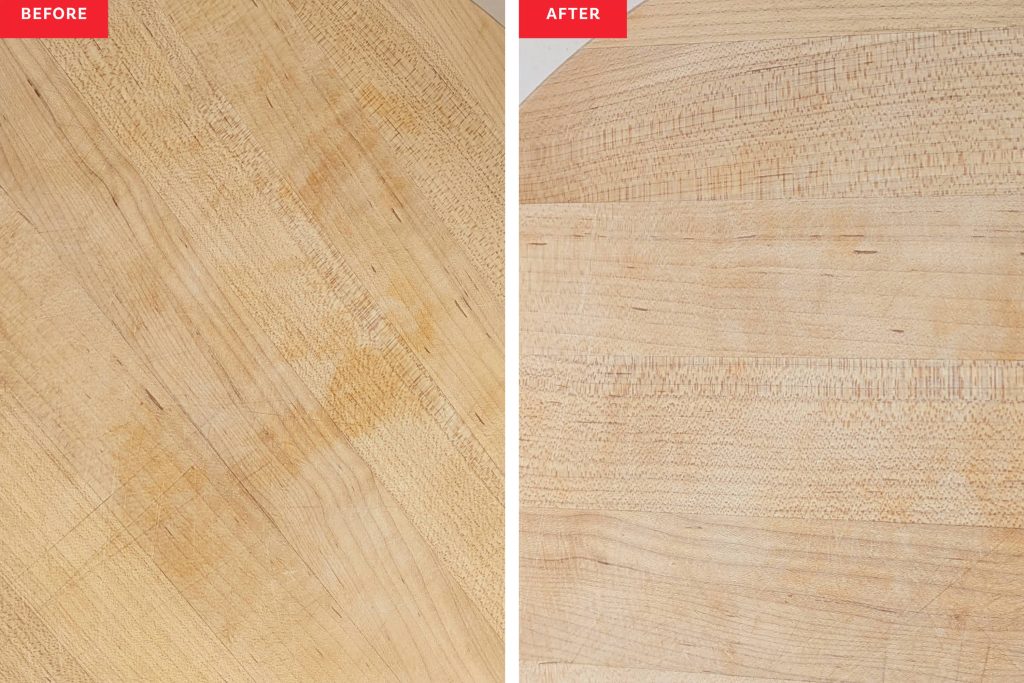
Your cutting board is one of the most important tools in your kitchen, but it can also be a hotspot for bacteria if not cleaned properly. You might wonder, how can you be sure that your wooden cutting board is truly disinfected without damaging it?
The good news is, you don’t have to worry anymore. You’ll discover simple, effective ways to disinfect your wooden cutting board safely. By following these easy steps, you’ll protect your family from harmful germs and keep your board looking fresh for years.
Keep reading—you’ll be surprised how quick and easy it is to make your cutting board a safe surface every time you cook.
Choosing The Right Wood Cutting Board
Wood cutting boards are popular for their durability and appearance. Choosing the right wood is key to keeping your board clean and safe.
Some wood types resist bacteria better and last longer. Knowing which wood to pick helps you keep your kitchen hygienic.
Best Wood Types For Cutting Boards
Not all woods work well for cutting boards. Some are too soft and get damaged easily. Others hold moisture and germs.
- Maple: Hard and tight-grained, good for resisting cuts and germs.
- Walnut: Strong and gentle on knives, it resists moisture well.
- Cherry: Smooth texture that heals small cuts quickly.
- Teak: Contains natural oils that prevent water damage and bacteria.
- Beech: Durable and less porous, making it safer for food prep.
Why Wood Matters In Hygiene
| Wood Type | Hygiene Benefit | Durability |
| Maple | Close grain limits bacteria growth | High |
| Walnut | Natural oils slow germs | Medium |
| Cherry | Self-healing cuts reduce bacteria spots | Medium |
| Teak | Contains oils that repel water and germs | High |
| Beech | Low porosity stops moisture buildup | High |
Wood type affects how well your cutting board stays clean. Hard woods with tight grains stop germs from growing.
Choosing the right wood helps keep your kitchen safe and your cutting board long-lasting.

Credit: homewithgraceandjoy.com
Daily Cleaning Routine
Keeping your wooden cutting board clean helps stop germs from spreading. A simple daily routine keeps it safe and fresh.
Focus on washing properly and drying well to protect your board and your food.
Washing With Soap And Water
Wash your wooden cutting board right after use. Use warm water and mild dish soap. Scrub gently with a sponge or brush.
- Rinse the board with warm water before washing.
- Apply soap and scrub all surfaces thoroughly.
- Rinse well to remove all soap residue.
- Do not soak the board; it can cause cracks.
- Clean knives and other tools separately.
Drying Techniques To Prevent Bacteria
Dry your cutting board completely to stop bacteria growth. Moist areas let germs thrive and cause damage.
| Drying Method | How to Do It |
| Air Dry | Place the board upright on a rack. Let air circulate on both sides. |
| Towel Dry | Use a clean towel to wipe off water after washing. |
| Sun Dry | Put the board in direct sunlight for 30 minutes to kill bacteria. |
Natural Disinfecting Methods
Wood cutting boards need regular cleaning to stay safe. Natural disinfecting methods use common household items. These methods keep your board clean without harsh chemicals.
Using natural ingredients helps protect the wood and the environment. You can easily disinfect your board with vinegar, lemon, salt, or baking soda.
Using Vinegar
Vinegar is a natural disinfectant that kills many bacteria. It is safe to use on wood and does not leave strong smells. Use white vinegar for best results.
Spray or wipe the vinegar on the cutting board. Let it sit for a few minutes to kill germs. Then rinse with water and dry the board well.
Lemon And Salt Scrub
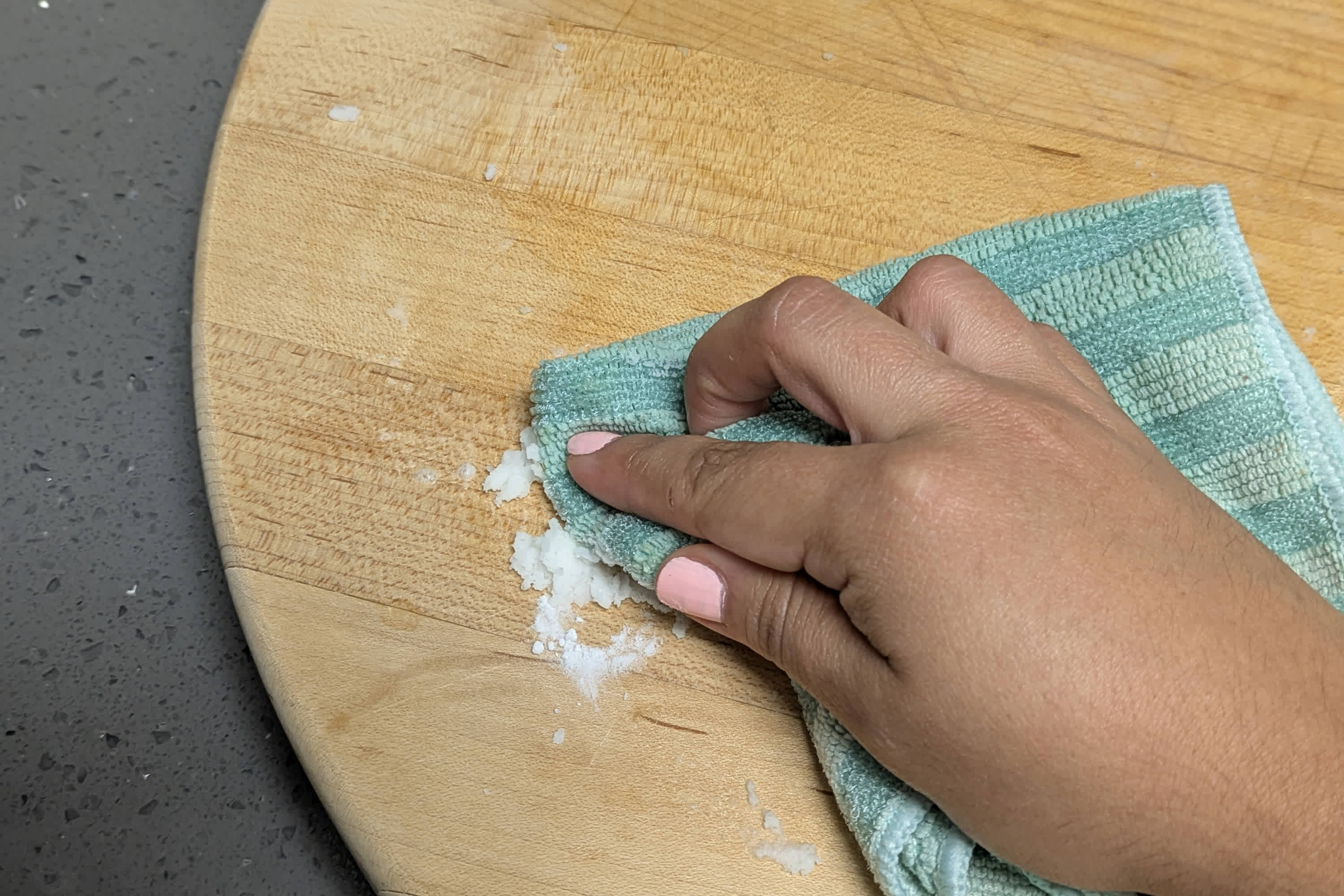
Lemon and salt work together to clean and disinfect wood boards. The lemon juice is acidic and kills bacteria. Salt acts as a scrub to remove stains and dirt.
Cut a lemon in half and dip it in coarse salt. Rub the lemon over the board’s surface. Let it sit for 5 minutes, then rinse and dry the board.
- Use fresh lemon for best acidity
- Coarse salt helps scrub deep stains
- Rinse well to remove lemon and salt
Baking Soda Paste
Baking soda is gentle but effective at cleaning and deodorizing. It also helps remove odors from the wood. Make a paste by mixing baking soda with water.
Spread the paste over the cutting board and let it sit for 10 minutes. Scrub with a brush if needed. Rinse the board with water and dry it well.

Credit: www.youtube.com
Deep Disinfection Techniques
Cutting boards need deep cleaning to stay safe and clean. Wood can hold bacteria inside. Simple washing does not remove all germs.
Use strong but safe disinfectants to clean wood cutting boards well. Two good options are hydrogen peroxide and diluted bleach.
Hydrogen Peroxide Application
Hydrogen peroxide kills many germs and is gentle on wood. Use 3% hydrogen peroxide solution for cleaning.
- Pour hydrogen peroxide over the cutting board surface.
- Let it sit for 10 minutes to kill bacteria.
- Rinse the board with warm water after waiting.
- Dry the board completely with a clean towel.
This method helps reach bacteria deep inside the wood pores. Repeat if the board smells bad or looks stained.
Using Diluted Bleach Safely
Bleach is a strong disinfectant. Use it carefully to avoid damage and health risks.
| Bleach to Water Ratio | Contact Time | Rinse Needed |
| 1 tablespoon bleach to 1 gallon water | 2 minutes | Yes, with clean water |
Apply the diluted bleach with a clean cloth or spray bottle. Make sure the board stays wet for 2 minutes.
- Do not soak the wood in bleach solution.
- Rinse the board well after disinfecting.
- Dry the board fully to prevent wood damage.
- Use bleach only when needed for heavy contamination.
Maintaining And Protecting Wood Boards
Wood cutting boards need care to stay clean and last long. Proper maintenance keeps them safe for food use. You can protect your wood board by following simple steps.
Disinfecting alone is not enough. You must also preserve the wood and avoid damage from water. This guide covers important ways to keep your board in good shape.
Oiling To Preserve And Seal
Oiling your wood board helps prevent cracks and warping. It seals the surface to block germs and moisture. Use food-safe oils like mineral oil or beeswax.
- Clean and dry the board before oiling.
- Apply a thin layer of oil evenly with a cloth.
- Let the oil soak in for several hours or overnight.
- Wipe off any extra oil with a clean cloth.
- Repeat oiling once a month or when the board looks dry.
Avoiding Excess Moisture Damage
Too much water can ruin wood boards. It causes swelling, cracking, and mold growth. Dry your board well after cleaning. Avoid soaking it in water.
| Do | Don’t |
| Wash with warm, soapy water quickly | Leave board soaking in water |
| Dry with a clean towel immediately | Put board in dishwasher |
| Store board standing up to air dry | Store board flat if wet or damp |
| Use vinegar or diluted bleach to disinfect | Use harsh chemicals that damage wood |
Credit: www.thekitchn.com
Signs Your Cutting Board Needs Replacement
A cutting board is an essential kitchen tool. Over time, it can wear out and become unsafe. Knowing when to replace your wooden cutting board helps keep your food safe and clean.
Look for visible signs that show your cutting board is no longer good to use. These signs often mean bacteria can hide and grow in your board.
Cracks And Deep Grooves
Cracks and deep grooves in wood can trap food particles and bacteria. These spots are hard to clean properly. Over time, they may cause harmful germs to grow.
- Inspect your board for any cracks or splits.
- Run your hand over the surface to feel for deep grooves.
- Check if knives leave deep cuts that do not smooth out.
- Note that large cracks can weaken the board’s structure.
- Boards with many grooves are harder to sanitize well.
Persistent Odors And Stains
Wood absorbs liquids and smells. If your cutting board keeps bad odors or stains, it might be time to replace it. These signs show your board holds bacteria and dirt.
| Sign | What it Means | Why Replace |
| Strong Fish or Onion Smell | Board absorbs strong food odors | Hard to clean and may contaminate food |
| Dark Stains | Absorbed juices or dirt | Can hide bacteria and cause cross-contamination |
| Sticky or Slimy Surface | Build-up of residue or mold | Health risk from germs growing inside |
Frequently Asked Questions
How Often Should I Disinfect My Wooden Cutting Board?
Disinfect your wooden cutting board after each use, especially when handling raw meat. Regular cleaning prevents bacteria buildup. Use a vinegar or hydrogen peroxide solution weekly for a deep clean. This maintains hygiene and prolongs the board’s lifespan. Ensuring a clean board helps prevent foodborne illnesses.
What Natural Cleaners Are Safe For Wood Boards?
Vinegar and lemon juice are safe, natural cleaners for wooden cutting boards. They effectively disinfect without harsh chemicals. Simply apply, let sit, and rinse with water. These options are eco-friendly and maintain the wood’s integrity. Regular use keeps your board clean and odor-free.
Can I Use Bleach On Wooden Cutting Boards?
Avoid using bleach on wooden cutting boards as it can damage the wood. Instead, use milder solutions like vinegar or hydrogen peroxide. These are effective and safer alternatives. They disinfect without compromising the wood’s quality. Proper care ensures your cutting board remains durable and safe for food preparation.
How Do I Remove Stains From My Cutting Board?
To remove stains, sprinkle salt or baking soda on the board. Rub with a lemon half in circular motions. This method is effective and safe for wood. Rinse thoroughly and dry immediately. Regular treatment helps maintain the board’s appearance and hygiene, ensuring it’s ready for use.
Conclusion
Cleaning wooden cutting boards keeps your kitchen safe and fresh. Use gentle disinfectants like vinegar or diluted bleach carefully. Always dry the board well after washing. Regular cleaning stops bacteria from growing. A clean cutting board protects your food and family health.
Small daily efforts make a big difference. Keep your wooden board in good shape with these simple steps. Safe food prep starts with a clean cutting board every time.