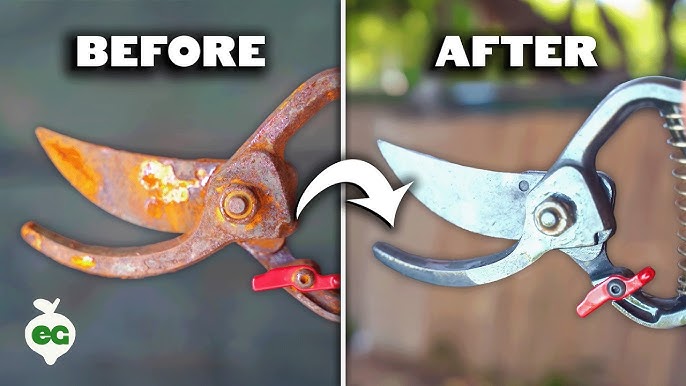
If you love gardening, you know how important pruning shears are for keeping your plants healthy and beautiful. But did you know that dirty shears can spread diseases from one plant to another?
That’s why disinfecting your pruning shears is a simple step that can save your garden from serious problems. You’ll discover easy and effective ways to clean and disinfect your tools, so you can protect your plants and enjoy a thriving garden all season long.
Keep reading to learn how to make your pruning shears safe and ready for every cut you make.
Why Disinfecting Matters
Disinfecting pruning shears helps stop the spread of germs. It keeps plants healthy and strong.
Dirty tools can carry diseases from one plant to another. Cleaning them is an easy way to protect your garden.
Preventing Plant Diseases
Pruning tools can spread bacteria and fungi that cause plant diseases. Disinfecting kills these germs before they reach new plants.
Using clean tools reduces the chance of infections like blight, rust, and mildew. This helps plants grow better.
- Wipe blades with rubbing alcohol or bleach solution
- Clean tools after cutting sick plants
- Dry tools before using on healthy plants
Protecting Garden Health
Disinfected tools keep your whole garden safe. Healthy plants are less likely to get pests and diseases.
Regular cleaning also helps your tools last longer. This saves money and keeps your garden looking good.
- Disinfect shears before and after each use
- Store tools in a dry, clean place
- Inspect blades for damage or rust often
Credit: www.gardeningknowhow.com
Tools Needed For Cleaning
Cleaning pruning shears is important to keep them sharp and safe. You need the right tools to disinfect them well.
Using proper cleaning supplies helps stop the spread of plant diseases. This guide shows what you need.
Choosing The Right Disinfectant
Pick a disinfectant that kills germs without harming your tools. It should work fast and be easy to use.
Common disinfectants include rubbing alcohol, bleach solutions, and commercial garden disinfectants. Each has pros and cons.
- Rubbing Alcohol:Kills most germs quickly and dries fast.
- Bleach Solution:Very effective but can rust metal if not rinsed well.
- Commercial Disinfectants:Made for garden tools and safe for most surfaces.
Additional Cleaning Supplies
You need more than disinfectant to clean pruning shears. Other supplies help remove dirt and sap.
- Brush:Use a small brush to scrub off dirt and debris.
- Cloth or Rags:Wipe the blades dry after cleaning.
- Warm Soapy Water:Helps remove sticky sap before disinfecting.
- Gloves:Protect your hands from chemicals and dirt.
- Lubricant Oil:Keeps the shears moving smoothly after cleaning.
Step-by-step Cleaning Process
Disinfecting pruning shears is essential to keep your garden healthy. Germs and fungi can spread through dirty tools, harming your plants.
Follow these simple steps to clean and disinfect your pruning shears effectively. This will ensure they remain in top condition and your plants stay safe.
Removing Debris And Sap
Start by removing any visible dirt and plant material from the shears. Sap can cause them to stick and may harbor bacteria.
- Use a stiff brush to scrub off dirt and debris.
- Apply vegetable oil to loosen stubborn sap.
- Wipe clean with a cloth to remove excess oil and sap.
Applying Disinfectant
Disinfecting the shears is crucial for stopping disease spread. Use a household disinfectant or a bleach solution for best results.
| Disinfectant | Mixing Ratio | Soak Time |
| Bleach | 1 part bleach to 9 parts water | 5 minutes |
| Isopropyl Alcohol | 70% solution | No soak needed |
Drying And Storing
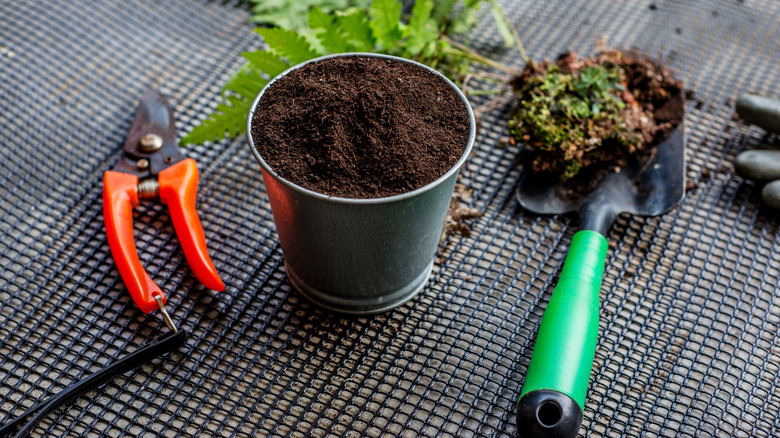
Proper drying and storage prevent rust and maintain sharpness. Ensure your shears are completely dry before storing them.
Credit: www.outdoorguide.com
When To Disinfect Pruning Shears
Keeping pruning shears clean helps prevent the spread of plant diseases. Disinfecting at the right times keeps your plants healthy.
Knowing when to disinfect your tools stops bacteria and fungi from moving between plants. It protects your garden’s growth.
After Each Use
Clean your pruning shears after every use to remove dirt and plant sap. This stops germs from building up on the blades.
Wipe the blades with a cloth and use a disinfectant to kill any bacteria. This quick step keeps your tools ready for the next job.
Between Different Plants
Disinfect shears before moving to a new plant. This prevents diseases from spreading from one plant to another.
Use a strong disinfectant or rubbing alcohol on the blades. Clean tools reduce the risk of infection in your garden.
- Cut diseased branches last
- Disinfect after cutting infected plants
- Clean blades before pruning healthy plants
Seasonal Deep Cleaning
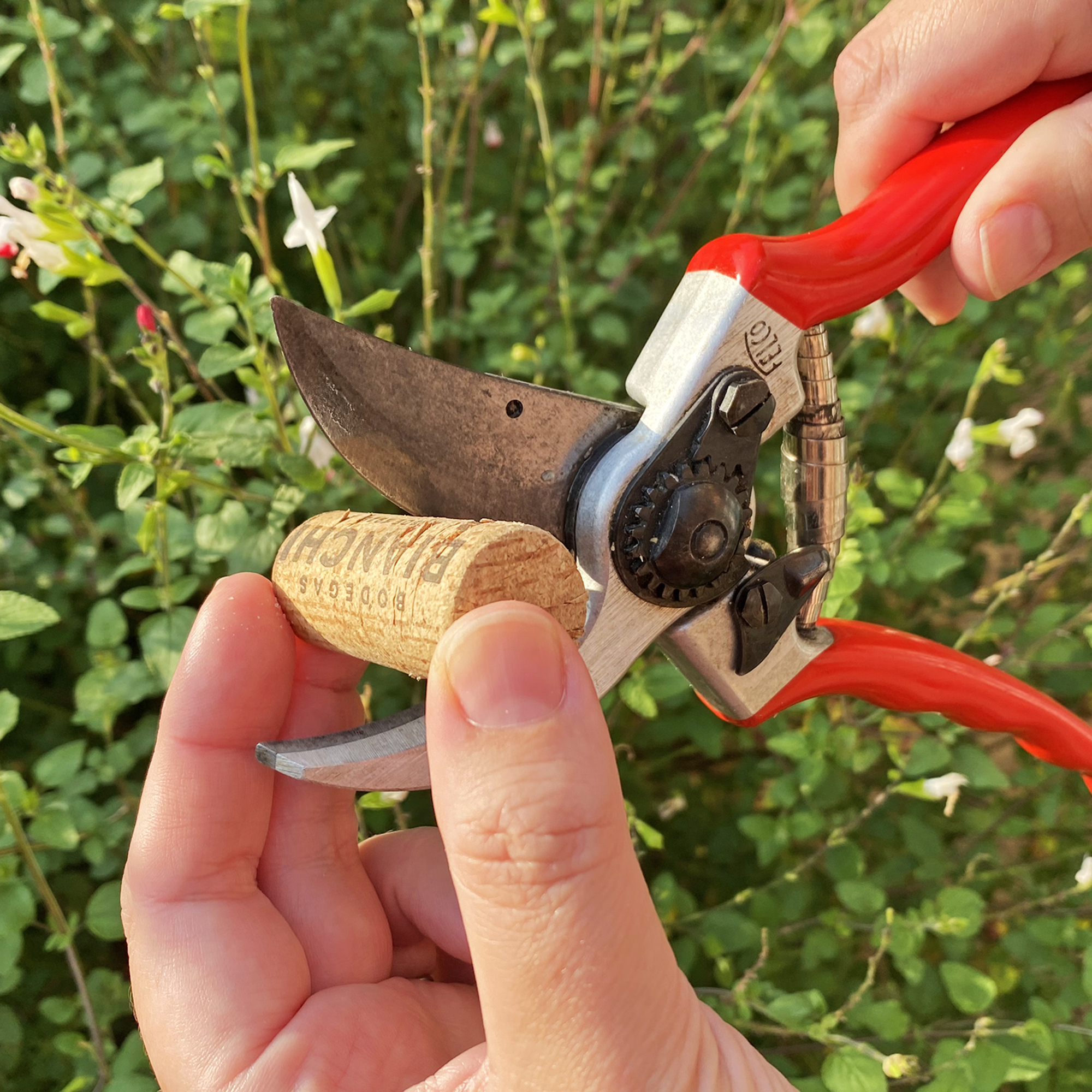
At the end of each growing season, clean your pruning shears thoroughly. This deep cleaning removes all buildup and rust.
Disassemble the shears if possible. Soak parts in disinfectant, scrub them, and dry well before storing.
- Take apart blades and handles
- Soak in a bleach or alcohol solution
- Scrub with a brush to remove residue
- Oil moving parts to prevent rust
- Store in a dry place
Tips For Maintaining Shears
Keeping pruning shears clean and well-maintained helps them last longer. Proper care ensures your shears work smoothly and cut cleanly.
Regular maintenance also prevents plant diseases from spreading. Follow these simple tips to care for your pruning tools.
Sharpening Blades
Dull blades tear plants instead of cutting them. Sharpen your shears often for better results and less damage.
- Clean the blades with soap and water before sharpening.
- Use a sharpening stone or file at a 20-degree angle.
- Sharpen both sides evenly for a smooth edge.
- Wipe blades clean and dry after sharpening.
- Apply a light coat of oil to prevent rust.
Lubricating Joints
Lubricating the joints keeps your shears opening and closing smoothly. It reduces wear and stops rust from forming.
| Lubrication Tip | How to Apply |
| Choose a light oil | Use sewing machine or WD-40 oil |
| Apply to pivot point | Put a drop on the joint and open shears several times |
| Remove extra oil | Wipe off any excess with a clean cloth |
| Check regularly | Lubricate monthly or after heavy use |

Credit: www.youtube.com
Frequently Asked Questions
How Often Should I Disinfect Pruning Shears?
Disinfect pruning shears after each use to prevent disease spread. Regular cleaning ensures healthy plants and extends tool life. Use alcohol or bleach solutions for effective disinfection.
What Is The Best Disinfectant For Pruning Shears?
Isopropyl alcohol (70%) is the best disinfectant. It kills most plant pathogens quickly without damaging blades. Alternatively, a diluted bleach solution can be used cautiously.
Can I Use Household Bleach To Disinfect Pruning Shears?
Yes, dilute bleach (1 part bleach to 9 parts water) effectively disinfects shears. Soak blades for 5-10 minutes, then rinse and dry thoroughly to avoid rust.
Why Is Disinfecting Pruning Shears Important?
Disinfecting prevents spreading diseases between plants. It protects plant health and reduces infection risks. Clean tools also maintain sharpness and prolong shear lifespan.
Conclusion
Clean pruning shears help keep plants healthy and strong. Regular disinfection stops diseases from spreading. Use simple household items like alcohol or bleach for cleaning. Always dry shears well before storing them away. A clean tool lasts longer and works better.
Taking a few minutes to disinfect saves time and effort later. Keep your garden safe by caring for your tools often. Small steps make a big difference in plant care.