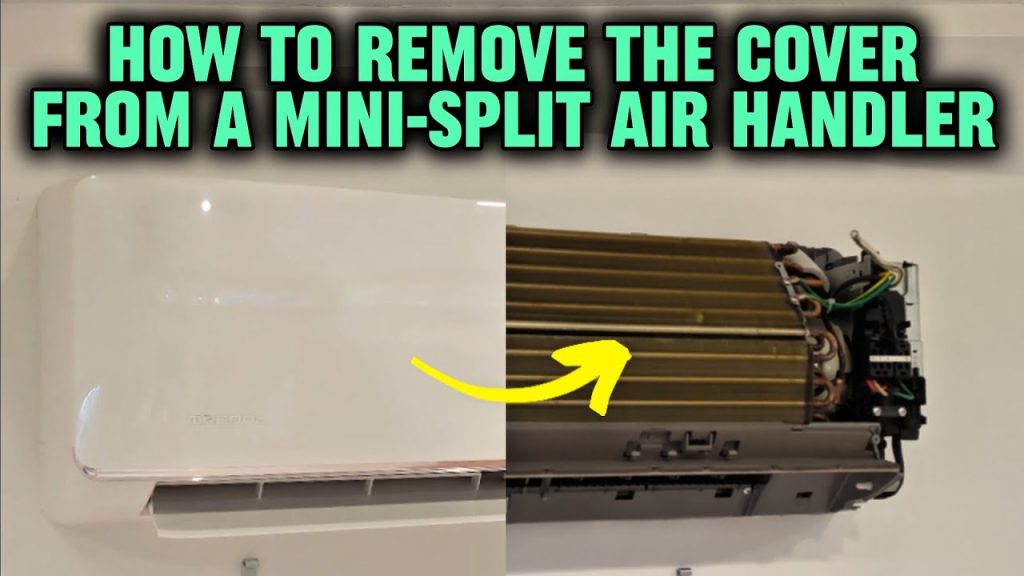
Are you looking to dismantle your air conditioner but don’t know where to start? Taking apart an air conditioner might seem tricky, but with the right steps, you can do it safely and efficiently.
Whether you want to clean it, repair it, or replace parts, understanding how to dismantle your unit will save you time and money. In this guide, you’ll find simple, clear instructions that anyone can follow. Keep reading, and you’ll gain the confidence to handle your air conditioner like a pro.

Credit: www.reddit.com
Tools Needed
- Screwdriver set:Flathead and Phillips for screws.
- Wrench or pliers:To loosen nuts and bolts.
- Voltage tester:Ensure power is off before starting.
- Gloves:Protect hands from sharp parts.
- Safety goggles:Guard eyes from dust and debris.
- Bucket or container:Catch water or coolant leaks.
- Utility knife:Cut any sealant or insulation.
Having these tools ready makes dismantling easier and safer.

Credit: www.youtube.com
Safety Precautions
Turn off the powerto the air conditioner before starting. Unplug the unit or switch off the circuit breaker. This prevents electric shock and injury.
Wear protective gloves and gogglesto avoid cuts and eye injuries. Air conditioner parts can be sharp and may release dust or debris.
- Work in a well-ventilated areato avoid inhaling dust or chemicals.
- Keep children and pets away from the work area for safety.
- Use the right tools to avoid damage and personal harm.
- Handle refrigerants carefully. They can be harmful to health and environment.
Preparing The Air Conditioner
Turn off the powerto the air conditioner to avoid any accidents. This step is very importantfor safety. Unplug the unit or switch off the circuit breaker. Never work on the AC while it is connected to power.
Next, remove filters and covers. Filters usually slide or pop out easily. Clean or set them aside carefully. Covers protect the internal parts, so remove screws or clips holding them. Keep all screws safe for reassembly later.
Disconnecting Electrical Components
Before disconnecting, turn off the powerat the main switch. This stops electricity flow and keeps you safe. Use a voltage testerto check wires for any live current. Always wear insulated glovesduring this process.
Locate the electrical panelon the air conditioner unit. Unscrew the cover carefully. Find the wiring connectionsinside. Take a picture or label each wire to remember its place.
- Disconnect the power wiresby loosening the terminal screws.
- Remove the ground wirelast for safety.
- Keep all screws and small parts in a safe container.
Do not pull wires harshly. Gently wiggle them free to avoid damage. Store the disconnected wires so they do not touch each other.
Removing The Indoor Unit
First, find the mounting bracketthat holds the indoor unit on the wall. Use a screwdriver to remove the screwscarefully. Keep the screws safe for later use.
Next, gently pull the indoor unit away from the wall. It should come off easily if the screws are removed.
Handle the refrigerant lineswith care. These are the pipes that carry coolant inside the unit. Use a wrench to loosen the connectionsbut avoid bending or damaging the pipes.
Wrap the pipes with a cloth to prevent dirt from entering. This keeps the system clean for future use or repair.
Detaching The Outdoor Unit
First, switch off the main power to the air conditioner. This stops electricity flow and keeps you safe. Use a screwdriver to open the outdoor unit’s cover. Find the power wires connected inside.
Carefully disconnect these power wires from the terminals. Use electrical tape to cover exposed wire ends. This prevents any accidental contact or short circuits.
Locate the mounting bolts holding the outdoor unit in place. These bolts are usually at the base or sides of the unit. Use a wrench or socket set to loosen and remove them.
Once the bolts are removed, gently lift the unit from its mount. Ask for help if it feels heavy. Place the unit on a flat surface to avoid damage.
Handling Refrigerant Safely
Handling refrigerantneeds care and the right tools. Refrigerants can be harmful to healthand the environment. Always wear protective gloves and gogglesto avoid skin and eye contact.
Use a refrigerant recovery machineto safely remove the gas. Never release refrigerant into the air. It can cause ozone damageand is illegal in many places.
- Turn off the air conditioner and unplug it.
- Connect recovery machine to service valves.
- Slowly recover refrigerant into a certified tank.
- Check for leaks with a leak detector.
- Store recovered refrigerant properly or take it to a recycling center.
Follow local laws and guidelines for refrigerant handling. If unsure, call a licensed technicianfor help.
Cleaning And Storing Parts
Clean parts carefully to avoid damage. Use a soft cloth and mild soap. Rinse with water and dry thoroughly. Remove dust and dirt from filters and coils.
Store small parts in labeled bags to keep them safe. Keep screws and bolts together to avoid losing them. Store electrical parts in a dry place.
- Use a soft brush to clean fins gently.
- Wipe plastic parts with a damp cloth.
- Do not use harsh chemicals or sharp tools.
- Keep all parts in a cool, dry area.
Troubleshooting Common Issues
Check the power supply. Sometimes the unit does not turn on due to a tripped breaker or blown fuse. Make sure the air conditioner is plugged in and the outlet works.
Clean or replace filters. Dirty filters block air flow and reduce cooling. Clean filters every month or replace if needed.
Inspect the thermostat settings. The temperature setting might be too high or the unit may be in fan mode only. Set it to cool and lower the temperature.
Look for ice buildup. Ice on coils or pipes means low refrigerant or poor airflow. Turn off the unit and let it thaw.
- Unusual noises: Loose parts or debris in the unit can cause strange sounds.
- Water leaks: Check if the drain pipe is clogged or damaged.
- Weak airflow: Blocked vents or dirty blower wheel can reduce air movement.

Credit: m.youtube.com
Frequently Asked Questions
How Do I Safely Disconnect An Air Conditioner?
First, turn off the power supply to the AC. Unplug the unit or switch off the circuit breaker. This prevents electrical shocks during dismantling.
What Tools Are Needed To Dismantle An Air Conditioner?
You’ll need screwdrivers, pliers, a wrench, and possibly a vacuum pump. These tools help remove screws, bolts, and refrigerant safely.
How To Handle Refrigerant When Dismantling Ac?
Only certified technicians should handle refrigerants. Improper handling can harm the environment and violate laws. Always follow legal guidelines.
Can I Dismantle A Window Air Conditioner Alone?
Yes, small window units can be dismantled solo with care. Ensure you have help lifting heavier parts to avoid injury.
Conclusion
Taking apart an air conditioner isn’t too hard. Start with safety first. Turn off the power. Gather the right tools. Then, follow the steps one by one. Be gentle with each part. Remember where everything belongs. Keep screws and parts organized.
Patience is key. It helps avoid mistakes. Practice makes it easier over time. Soon, dismantling will feel like second nature. Now, you can handle this task confidently. Your air conditioner can be maintained well. This ensures it runs smoothly. Ready to tackle your next project?
Dive in with confidence.