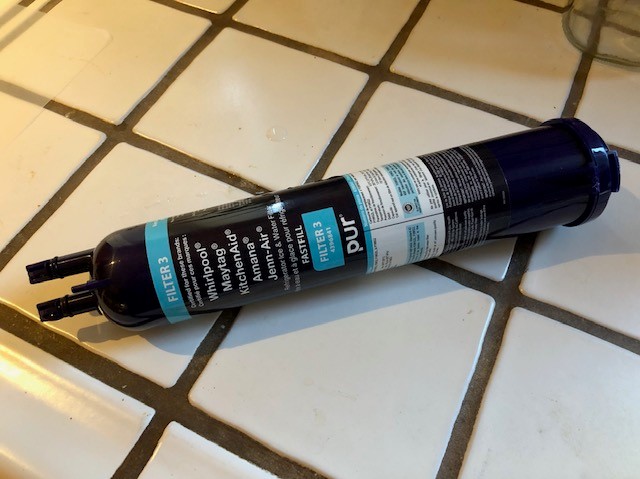
Are you wondering how to get rid of your old refrigerator water filter safely and responsibly? You might think it’s just trash, but disposing of it the right way can protect your home, the environment, and even your health.
You’ll discover simple steps to throw away your water filter without hassle or risk. Keep reading to learn exactly what you need to do—and why it matters more than you might think.
Signs To Replace Your Filter
Knowing when to replace your refrigerator water filter keeps your water clean and fresh. Dirty filters block water flow and reduce taste quality. Watch for clear signs that your filter needs changing to avoid health risks.
When To Change The Filter
Replace the filter every 6 months or after filtering 200 gallons of water. Some models show a light indicator to signal replacement time. Change it sooner if water tastes odd or smells strange. Check the user manual for exact timing.
Effects Of A Dirty Filter
- Water flow slows down significantly.
- Water may taste or smell bad.
- Particles and impurities can pass through.
- Appliance parts may get damaged over time.
- Bacteria and mold growth can occur inside the filter.
Ignoring filter replacement risks your health and the fridge’s performance. Regular changes keep water safe and appliances working well.
Removing The Old Filter
Removing the old refrigerator water filter is a simple task that ensures your water stays clean and fresh. Knowing how to properly take out the filter prevents damage to your fridge and avoids leaks. Let’s focus on how to find and remove the filter safely.
Locating The Filter
The water filter is usually inside the fridge or at the base grille. Look near the top right or left corner inside the fridge compartment. Some models have the filter behind a small cover or panel.
If you can’t find it inside, check the bottom front grille. It often looks like a small rectangular slot with a cap or twist mechanism. Your refrigerator manual or a quick online search using your model number can help pinpoint its exact spot.
Step-by-step Removal Process
- First, turn off the water supply to avoid spills or leaks.
- Open the fridge door and locate the filter.
- If there’s a cover, gently remove it by pulling or pressing the release button.
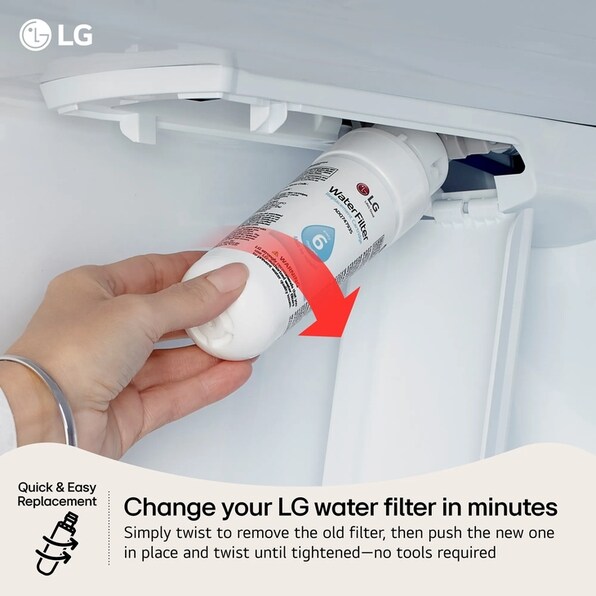
- Grip the filter firmly and twist it counterclockwise (usually about a quarter turn).
- Pull the filter straight out once it’s loose.
- Dispose of the old filter according to your local recycling rules or trash guidelines.
Have you ever struggled with a stuck filter? Applying a little extra pressure while twisting usually helps. Just avoid forcing it too hard—damaging the housing can lead to costly repairs.
By carefully removing your old filter, you’re one step closer to refreshing your water and keeping your fridge running smoothly. What’s your experience with fridge filters—easy swaps or tricky removals?
Safe Disposal Methods
Disposing of your refrigerator water filter safely is crucial for both environmental health and personal safety. These filters often contain materials that need special handling to avoid pollution or harm. Understanding the right disposal methods helps you reduce waste responsibly and ensures your filter doesn’t cause damage once discarded.
Checking Manufacturer Guidelines
Before tossing your old water filter in the trash, check the manufacturer’s instructions. Some brands offer recycling programs or recommend specific disposal steps to handle the filter safely. I once ignored this and ended up with a clogged recycling bin because I didn’t separate parts correctly.
Look for details on the packaging or visit the manufacturer’s website. They may advise removing certain components or dropping the filter off at designated centers. Following these guidelines can prevent contamination and help materials get recycled properly.
Local Disposal Regulations
Your city or town might have rules about disposing of water filters. These regulations can vary widely, so it’s important to check with local waste management services. Have you ever wondered why some items aren’t accepted in curbside bins? It’s usually because they need special processing.
Contact your local waste authority or visit their website to find out if your filter qualifies for hazardous waste collection or special recycling programs. Some areas even host periodic collection events specifically for items like water filters. Knowing these details helps you avoid fines and contributes to a cleaner community.

Credit: www.dtappliance.com
Recycling Options
Refrigerator water filters often contain plastic and activated carbon, materials that shouldn’t just end up in the trash. Recycling these filters helps reduce waste and recover valuable resources. But what are your options for recycling, and how can you make sure your old filter is properly handled?
Filter Recycling Programs
Many manufacturers offer dedicated recycling programs specifically for their water filters. These programs make it easy for you to send back used filters through prepaid mailers or drop-off points. Signing up for one ensures the filter is processed responsibly, preventing harmful components from polluting landfills.
Before tossing your old filter, check the brand’s website or packaging for recycling instructions. Some programs even reward you with discounts or coupons when you return used filters, making it a win-win for you and the environment.
Finding Nearby Recycling Centers
If a manufacturer’s program isn’t available, local recycling centers can be an excellent alternative. Many facilities accept plastic parts and activated carbon components separately, which helps in proper recycling.
Use online tools like Earth911 or your city’s waste management website to locate the nearest recycling center that handles water filters. Calling ahead can save you time by confirming whether they accept your specific filter type.
Have you ever wondered how much waste you could divert by simply using the right recycling center? Taking a moment to find the correct spot makes a big difference for your community’s waste management efforts.
Diy Filter Repurposing Ideas
Reusing an old refrigerator water filter can give it a second life. Instead of throwing it away, you can turn it into useful or decorative items. These ideas save money and reduce waste. Simple projects can be fun and creative.
Creative Reuse Projects
- Use the filter casing as a small planter for succulents or herbs.
- Fill it with scented beads to create a natural air freshener.
- Convert the filter housing into a pen or pencil holder for your desk.
- Make a mini bird feeder by adding seeds inside the filter case.
- Use parts of the filter in craft projects, like models or sculptures.
- Turn the filter cartridge into a unique keychain or luggage tag.
- Use the filter materials as stuffing for small pillows or cushions.
Safety Tips For Repurposing
- Wear gloves when handling used filters to avoid germs.
- Clean the filter thoroughly before starting any project.
- Do not use old filters for food or water-related crafts.
- Dispose of any parts that look damaged or moldy safely.
- Keep filters away from children and pets during repurposing.
- Use tools carefully to avoid injury while modifying the filter.
- Check local guidelines for disposing of filter materials not reused.
Credit: www.lg.com
Eco-friendly Tips For Buying Filters
Choosing the right refrigerator water filter goes beyond just improving water taste. It plays a key role in reducing waste and protecting the environment. Here are some practical tips to help you buy filters that are kinder to the planet and your wallet.
Choosing Sustainable Materials
Look for filters made from biodegradable or recyclable materials. These options break down more easily or can be reused, cutting down on landfill waste. Some brands now offer filters with casings made from recycled plastics or plant-based materials.
Ask yourself: does the filter packaging use minimal plastic? Choosing products with less or recyclable packaging also reduces environmental impact. You can find eco-friendly brands by checking for certifications or labels that highlight sustainable practices.
Filters With Longer Lifespans
Filters that last longer need to be replaced less often, which means less waste. Some models can filter more gallons before needing a change—this saves money and reduces how many filters end up in the trash.
Think about your daily water use. A high-capacity filter might cost more upfront but can be a smarter choice over time. Also, some filters come with indicators to show exactly when it’s time to replace them, preventing premature disposal and unnecessary waste.
Maintaining Your New Filter
Maintaining your new refrigerator water filter is essential to keep water fresh and clean. Proper care helps the filter work efficiently and last longer. Simple habits can make a big difference in water quality and appliance health.
Regular Cleaning Practices
Clean the area around the filter every month. Wipe off dust and dirt with a soft cloth. Rinse the filter housing with warm water before installing a new filter. Avoid using harsh chemicals or abrasive materials. Keep the water dispenser clean to prevent bacteria buildup. Regular cleaning prevents clogging and keeps water tasting fresh.
Extending Filter Life
Change the filter according to the manufacturer’s schedule. Use water at normal temperature; avoid hot water that can damage the filter. Flush the new filter by running water through it for a few minutes. This removes loose carbon particles and prepares it for use. Monitor water flow; a slow flow may indicate a clogged filter. Proper use and timely replacement extend the filter’s life and improve water quality.
Credit: www.lg.com
Frequently Asked Questions
How Do I Safely Dispose Of A Refrigerator Water Filter?
To safely dispose of a refrigerator water filter, check local recycling programs. Many filters contain plastic and activated carbon, which can be recycled. Avoid throwing them in regular trash to reduce environmental harm. Follow manufacturer instructions for proper disposal or recycling options.
Can Refrigerator Water Filters Be Recycled?
Yes, many refrigerator water filters can be recycled. Check if your local recycling center accepts them. Some brands offer mail-in recycling programs for used filters. Proper recycling helps prevent plastic waste and recovers valuable materials like activated carbon and plastic housing.
What If My Local Recycling Doesn’t Accept Water Filters?
If local recycling doesn’t accept water filters, consider manufacturer take-back programs. Some companies offer mail-back services for used filters. Alternatively, dispose of the filter in regular trash, but avoid flushing or breaking it to minimize environmental impact.
How Often Should I Replace A Refrigerator Water Filter?
Replace your refrigerator water filter every 6 months or after filtering 200-300 gallons. Regular replacement ensures clean, fresh-tasting water. Check the manufacturer’s guidelines for specific timing based on usage and water quality.
Conclusion
Proper disposal of refrigerator water filters is crucial. It prevents environmental harm. Local recycling centers often accept them. Just call and check. Some manufacturers offer take-back programs. Always remove the filter properly. Follow your refrigerator’s manual. Safety first. Clean filters before recycling.
This helps the process. Consider reusing parts if possible. Creativity can reduce waste. Remember, responsible disposal supports sustainability. Small steps make a big impact. Let’s protect our planet together.