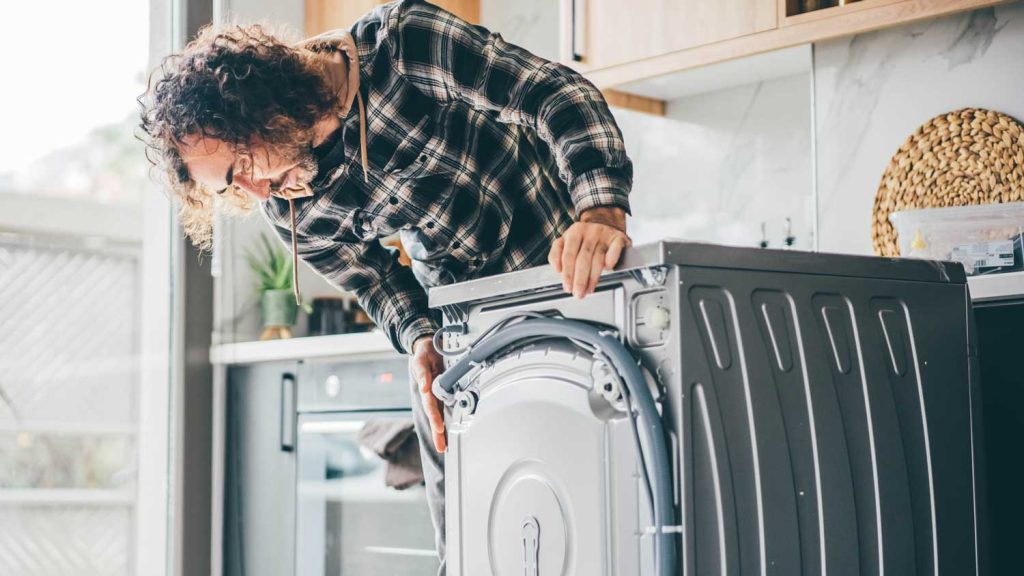
Getting rid of your old washer and dryer can feel overwhelming. You might wonder where to start, how to do it safely, and if you’re making the right choice for the environment.
But what if you could make this task simple and stress-free? In this guide, you’ll discover easy steps to dispose of your appliances without hassle. Whether you want to recycle, donate, or sell them, you’ll learn the best options that save you time and help the planet.
Keep reading to find out how to handle your washer and dryer the smart way.
Preparing Your Appliances
Before disposing of your washer and dryer, you must prepare them properly. This helps keep your home safe and protects the environment.
Preparing includes disconnecting, cleaning, and removing parts that can come off. Follow these steps carefully.
Disconnecting Safely
First, unplug your washer and dryer from the power source. This stops any chance of electric shock.
Turn off the water supply to the washer. Then, disconnect the hoses carefully to avoid leaks.
- Unplug the power cords from the wall
- Turn off water valves behind the washer
- Use a towel to catch water from hoses
- Disconnect water hoses gently
- Check the dryer vent and unplug it
Cleaning Before Disposal
Clean your washer and dryer before disposal to remove dirt and odors. This makes handling easier and safer.
Wipe the inside and outside of both machines. Remove any detergent or lint build-up.
- Run a rinse cycle without clothes in the washer
- Clean the lint trap in the dryer
- Wipe surfaces with a damp cloth
- Remove any remaining detergent or soap
- Let the appliances dry completely
Removing Detachable Parts
Take off any parts that can be removed from the washer and dryer. This makes transport and recycling easier.
Check the user manual if you are unsure how to remove parts safely.
- Remove dryer lint filters and trays
- Detach hoses from the washer
- Take off any removable shelves or drawers
- Keep small parts in a labeled bag
- Secure loose parts to avoid loss
Credit: www.beyondsurplus.com
Donation And Resale Options
Getting rid of a washer and dryer can be done in ways that help others and reduce waste. Donating or reselling these appliances gives them a second life. This guide covers local charities, selling online, and swap events.
Each option has simple steps to follow. Choose the one that fits your situation best. Your washer and dryer can benefit someone else.
Local Charities And Shelters
Many charities accept washers and dryers if they work well. Shelters often need appliances to help families. Contact local groups to ask about their needs and pickup options.
- Check if the appliance is clean and in good condition.
- Call the charity to confirm they accept large items.
- Schedule a pickup or drop-off time.
- Get a donation receipt for tax purposes.
Selling Online
Online marketplaces let you sell washers and dryers to local buyers. Clear photos and honest descriptions help buyers decide. Set a fair price based on age and condition.
| Platform | Pros | Cons |
| Facebook Marketplace | Easy to use, local buyers | Need to meet buyers in person |
| Craigslist | Free listings, wide audience | Watch for scams |
| OfferUp | Mobile app, buyer ratings | May charge fees |
Community Swap Events
Community swap events let you trade or give away appliances. These events promote reuse and help neighbors. Find local swap groups through social media or community centers.
Tips for a successful swap event:
- Clean the washer and dryer before the event.
- Bring any manuals or accessories.
- Label your items with condition notes.
- Arrive early to set up your items.
Recycling Your Washer And Dryer
Disposing of old washers and dryers properly helps protect the environment. Recycling saves resources and reduces waste in landfills.
Many places offer options to recycle these large appliances safely. Learning about recycling centers and services can make the process easy.
Finding Certified Recycling Centers
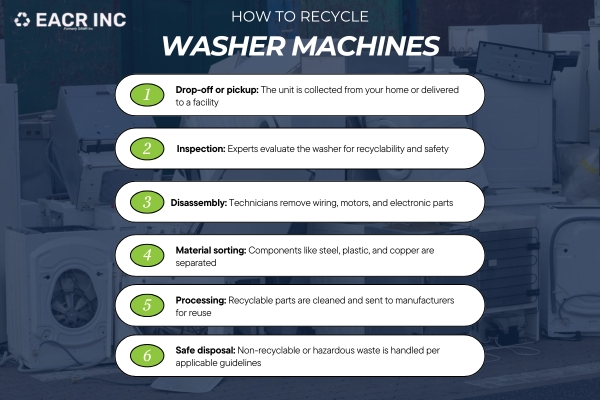
Certified recycling centers follow rules to recycle appliances correctly. They separate metals, plastics, and electronics for reuse.
You can find certified centers by searching online or asking local waste authorities. Some stores that sell appliances also offer recycling options.
What Can Be Recycled
Washers and dryers contain many recyclable parts. Knowing what materials can be recycled helps you prepare your appliance for drop-off.
- Metal frames and panels
- Electric motors and wiring
- Plastic components like knobs and trays
- Glass doors on front-load washers
- Rubber hoses and seals
Pickup And Drop-off Services
Many recycling centers offer drop-off locations for your appliances. Some also provide pickup services for bulky items.
| Service Type | Description | How to Arrange |
| Drop-off | Bring your washer or dryer to a recycling center. | Visit center during open hours. |
| Pickup | Schedule a home pickup for your appliance. | Call or book online with recycler. |
| Retailer Take-back | Some stores accept old appliances when you buy new ones. | Check with appliance store. |
Disposal Through Retailers
Disposing of your old washer and dryer through retailers can be easy and safe. Many stores offer programs to help you recycle or trade in your appliances.
This method often ensures your appliances are handled in an eco-friendly way. Retailers may also provide discounts or other benefits.
Manufacturer Take-back Programs
Some appliance makers have take-back programs. They accept old washers and dryers when you buy a new one. The manufacturer then recycles the parts or disposes of them properly.
These programs help reduce waste and keep harmful materials out of landfills. Check your appliance brand’s website or ask your retailer about available take-back options.
Retailer Recycling Offers
Many retailers provide recycling services for old washers and dryers. These offers may include free pickup or drop-off points. Retailers work with recycling centers to handle your appliances safely.
- Free or low-cost appliance pickup
- Drop-off locations at or near the store
- Proper recycling that meets local laws
- Removal of hazardous materials before recycling
Contact your local retailer to find out the rules and costs. Some may require proof of purchase or offer special recycling days.
Trade-in Deals
Trade-in deals let you exchange your old washer or dryer for a discount on a new one. Retailers take your old appliance and handle its disposal. This option saves you time and may save money.
| Benefit | Description |
| Discounts | Get money off a new appliance purchase |
| Convenience | Old appliances removed at delivery |
| Eco-friendly | Proper recycling of your old units |
| Less Hassle | No need to arrange separate disposal |
Eco-friendly Disposal Tips
Getting rid of an old washer and dryer can harm the environment. It is important to dispose of them properly.
These tips help you reduce waste and protect nature while removing your appliances.
Avoiding Landfills
Landfills fill up fast and cause pollution. Avoid throwing washers and dryers there.
Find recycling centers or donation programs that accept appliances instead.
- Check local recycling facilities for appliance drop-off
- Donate working machines to charities or shelters
- Use municipal bulk waste collection if available
Repurposing Parts
Many washer and dryer parts can be reused. This saves materials and reduces waste.
Motors, metal frames, and knobs are useful for DIY projects or repairs.
- Remove motors for scrap metal recycling
- Use old drums for planters or storage bins
- Keep control knobs for spare parts
Reducing Environmental Impact
Proper disposal cuts down harmful chemicals and waste in nature. It protects air and water quality.
Recycle metals and plastics to save energy and resources.
- Drain all fluids before disposal
- Recycle metal parts at certified centers
- Recycle plastic components separately
Credit: samrinc.com
Legal And Safety Considerations
Disposing of a washer and dryer requires careful attention. There are important legal and safety factors to consider.
Understanding these considerations helps ensure proper disposal. It also protects the environment and your personal information.
Local Disposal Regulations
Each area has its own rules for appliance disposal. Check your local waste management guidelines.
Some places offer special pick-up days for large items. Others may require you to drop off the appliances at a designated location.
- Contact local waste management for specific instructions
- Ensure compliance with city or county regulations
- Look for recycling programs in your area
Handling Hazardous Materials
Washers and dryers contain hazardous materials. Proper handling is necessary to avoid environmental harm.
These materials can include chemicals and heavy metals. They must be disposed of safely to prevent contamination.
- Remove and recycle any electronic components
- Drain and safely dispose of any remaining liquids
- Consult with hazardous waste facilities if needed
Ensuring Data Privacy
Modern appliances may store personal data. Protect your privacy by clearing this information before disposal.
Resetting the appliance to factory settings can help. Refer to the manufacturer’s instructions for guidance.
- Check the user manual for data removal steps
- Erase any saved Wi-Fi or network settings
- Consider professional services for data clearance
Credit: www.angi.com
Frequently Asked Questions
How Do I Safely Dispose Of A Washer And Dryer?
First, unplug and disconnect water and power lines. Remove any remaining water. Contact local waste facilities for specific disposal guidelines. Many offer curbside pickup or drop-off services for appliances.
Can I Donate A Working Washer And Dryer?
Yes, many charities accept working appliances. Ensure they are clean and functional. Call local organizations or donation centers to confirm acceptance and arrange pickup or drop-off.
Are There Recycling Options For Old Washers And Dryers?
Most cities have appliance recycling programs. These programs recover metal, plastic, and electronic parts. Check with local waste management for drop-off locations or scheduled collection dates.
What Fees Are Involved In Disposing Of A Washer And Dryer?
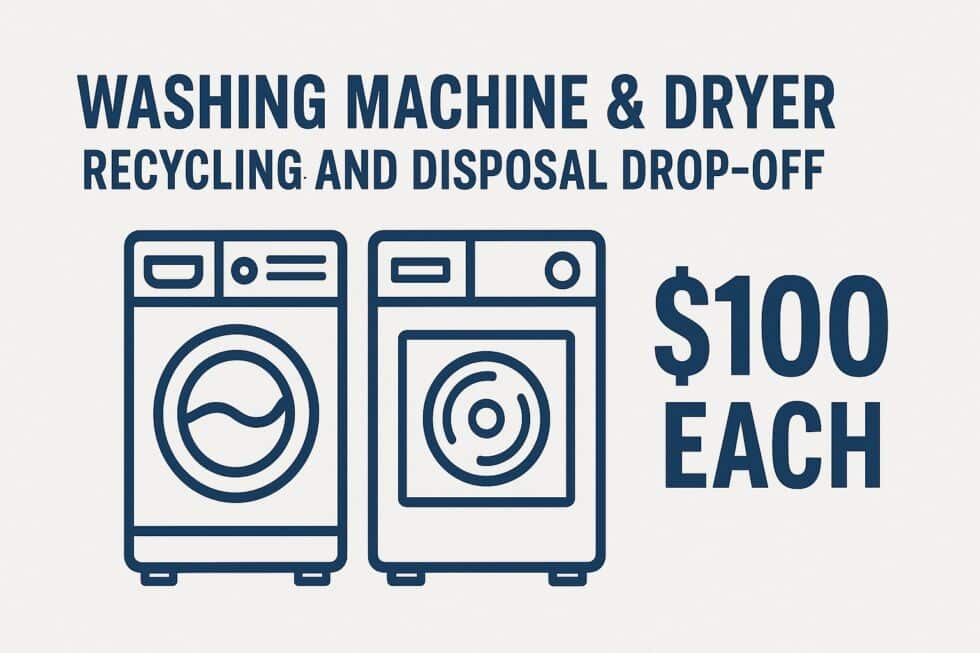
Disposal fees vary by location and service. Some recycling centers charge a small fee. Donation centers often accept appliances for free. Always verify fees before disposal.
Conclusion
Disposing of a washer and dryer does not have to be hard. You can donate, recycle, or sell old appliances. Choose the best option that fits your needs and location. Always check local rules for safe disposal. This helps protect the environment and keeps your home clean.
Taking small steps makes a big difference. Now, you are ready to get rid of your old washer and dryer safely and easily.