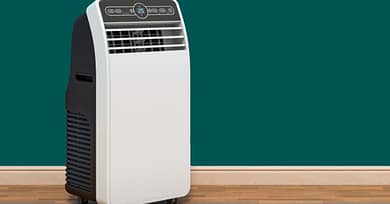
Are you wondering what to do with your old air conditioner? Getting rid of it isn’t as simple as tossing it in the trash.
If you handle it the wrong way, you could harm the environment or even break the law. But don’t worry—this guide will show you exactly how to dispose of your air conditioner safely and responsibly. By following these steps, you’ll protect your home, the planet, and maybe even save some money.
Keep reading to learn the best way to say goodbye to your old AC unit.

Credit: thechillbrothers.com
Why Proper Disposal Matters
Air conditioners contain materials that can harm the environment. Throwing them away carelessly causes pollution. Proper disposal keeps nature safe.
Old air conditioners also have chemicals that can hurt people. Knowing how to dispose of them right protects your health and others.
Environmental Impact Of Ac Waste
Air conditioners hold refrigerants that damage the ozone layer. They also contain metals and plastics that pollute soil and water.
- Refrigerants can cause global warming.
- Metals may leak into the ground and water sources.
- Plastic parts take many years to break down.
- Improper disposal adds to landfill waste.
Health Risks From Improper Disposal
Breaking or dumping air conditioners without care can release harmful chemicals. These chemicals can cause breathing problems and skin irritation.
| Risk | Cause | Effect |
| Chemical Exposure | Refrigerant leaks | Breathing difficulty, headaches |
| Physical Injury | Sharp metal parts | Cuts and wounds |
| Fire Hazard | Damaged electrical parts | Fires and burns |

Credit: bigrichhauling.com
Preparing Your Ac For Disposal
Disposing of an air conditioner safely is important. Proper preparation helps protect the environment and follows rules.
Before you get rid of your AC, you need to prepare it carefully. This guide explains how to get ready step by step.
Turning Off And Unplugging
First, turn off your air conditioner using the power button or remote. Make sure it is completely off before doing anything else.
Next, unplug the AC from the wall outlet. This stops electricity flow and makes it safe to handle the unit.
Removing Refrigerants Safely
Air conditioners contain refrigerants that can harm the environment. These must be removed by a professional.
Do not try to release refrigerants yourself. Call a certified technician who knows how to handle these chemicals safely.
Detaching Components
After refrigerants are removed, detach removable parts like filters and covers. This makes recycling easier.
Use basic tools to unscrew or unclip components. Keep parts organized for proper disposal or recycling.
- Remove air filters and clean them if reusable
- Take off front and side covers carefully
- Disconnect any wires or hoses if possible
- Keep screws and small parts in a container
Eco-friendly Disposal Options
Disposing of air conditioners properly helps protect the environment. Old units contain harmful chemicals and metals. Recycling or reusing parts reduces waste and pollution.
This guide covers safe ways to get rid of air conditioners without harming nature. You will learn about recycling centers, manufacturer take-back programs, and donation options.
Recycling Centers
Many local recycling centers accept air conditioners. They remove refrigerants and metals safely. This process keeps harmful chemicals from entering the environment.
- Find a certified recycling center near you
- Check if they handle refrigerants and metals
- Drop off your unit or schedule a pickup
- Ask about any fees or requirements
Manufacturer Take-back Programs
Some air conditioner makers offer take-back programs. They collect old units for proper disposal or recycling. This helps reduce waste and recovers valuable materials.
| Brand | Program Details |
| Brand A | Free mail-back for units under 10 years old |
| Brand B | Drop-off locations nationwide |
| Brand C | Trade-in discounts for new purchases |
Donation And Reuse Opportunities
Donate working air conditioners to charities or community groups. Reuse extends the life of the unit and helps others save energy and money.
- Contact local shelters or nonprofit organizations
- Ensure the unit is clean and working
- Arrange for pickup or delivery
- Consider selling to secondhand appliance stores
Local Regulations And Guidelines
Disposing of air conditioners safely is important for the environment. Local rules help keep harmful materials out of landfills.
Each area may have its own guidelines for handling old air conditioners. Knowing these rules helps avoid fines and damage to nature.
Finding Local Disposal Rules
Start by checking your city or county government website. They usually list disposal rules for appliances.
Call local waste management offices if the information is not online. They can explain how to dispose of air conditioners safely.
Permits And Fees
Some places require permits to dispose of large appliances like air conditioners. This helps track hazardous waste.
There might be fees for proper removal or recycling services. Check with your local office to know the costs beforehand.
- Permits ensure legal disposal
- Fees cover recycling and handling costs
- Ignoring permits can lead to fines
Scheduled Collection Services
Many communities offer scheduled collection days for large appliances. You can leave your air conditioner out for pickup.
These services make disposal easier and safer. Check local schedules to know when to put out your unit.
- Collection days vary by location
- Advance sign-up may be needed
- Some services recycle parts properly
Tips To Reduce Ac Waste
Air conditioners use energy and materials that can harm the environment. It is important to reduce waste when disposing of old units. Simple steps can help save resources and lower pollution.
Proper care and smart choices extend the life of your AC. This guide shares ways to reduce waste and make better decisions for your cooling needs.
Choosing Energy-efficient Models
Energy-efficient air conditioners use less power and last longer. Look for units with a high SEER rating or ENERGY STAR label. These models help lower electricity bills and reduce waste.
- Compare SEER ratings before buying
- Choose units with eco-friendly refrigerants
- Pick models with programmable thermostats
- Check for durable and repairable designs
Regular Maintenance For Longevity
Keeping your AC well maintained helps it work efficiently and last longer. Simple tasks prevent breakdowns and reduce waste from early replacements.
- Clean or replace filters every month
- Check and clean coils yearly
- Keep the area around the unit clear
- Schedule professional tune-ups
- Fix leaks and unusual noises quickly
Upgrading With Sustainable Choices
When replacing your air conditioner, choose options that reduce waste and support recycling. Proper disposal and buying sustainable units protect the environment.
| Action | Benefit |
| Recycle old AC parts | Reduces landfill waste |
| Donate working units | Helps others and extends use |
| Buy models with recyclable materials | Supports circular economy |
| Use energy-saving features | Lowers power use and emissions |

Credit: www.acdirect.com
Frequently Asked Questions
How Do I Safely Dispose Of An Old Air Conditioner?
To dispose of an old air conditioner, contact local recycling centers or hazardous waste facilities. They handle refrigerants and metals safely. Avoid throwing it in regular trash to prevent environmental harm.
Can I Recycle Parts Of My Air Conditioner?
Yes, many air conditioner parts like metals and plastics are recyclable. Remove refrigerants first through certified professionals. Recycling reduces waste and recovers valuable materials.
What Are The Environmental Risks Of Improper Ac Disposal?
Improper disposal can release harmful refrigerants that damage the ozone layer. It also causes toxic leaks and contributes to pollution. Proper disposal protects the environment and public health.
Where Can I Find Air Conditioner Disposal Services Near Me?
Check with local waste management or municipal recycling programs. Many cities offer special collection days for appliances. You can also hire certified HVAC technicians for safe disposal.
Conclusion
Proper disposal of air conditioners benefits everyone. It helps the environment. Protects human health. Saves resources. Follow local guidelines for disposal. Recycle when possible. Many parts are reusable. Responsible actions make a difference. Old units can be hazardous. Handle with care.
Seek professional help if needed. Safe disposal prevents harmful leaks. Keep our planet clean and safe. A small step can have a big impact. Dispose responsibly today. Future generations will thank you. Let’s work together for a better world. Simple actions lead to positive change.
Every effort counts.