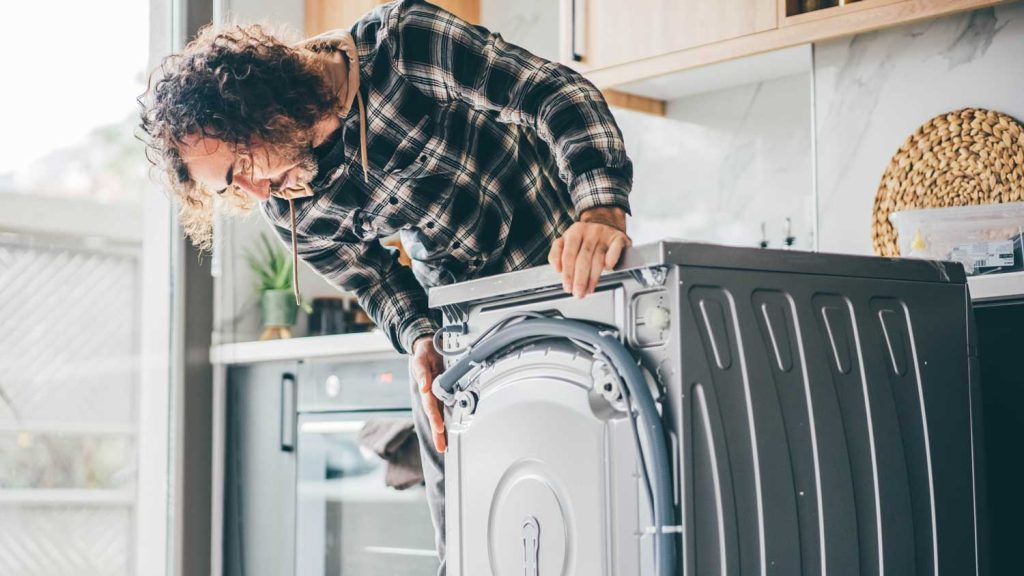
Are you wondering how to get rid of your old washer and dryer without hassle? You’re not alone.
These bulky appliances can be tricky to dispose of, and if you don’t do it right, you could face fines or harm the environment. But don’t worry—this guide will show you simple, safe ways to dispose of your washer and dryer.
By the end, you’ll know exactly what steps to take, saving you time, money, and stress. Keep reading to find out how to make this process smooth and worry-free.
Reasons To Dispose Old Washer And Dryer
Old washers and dryers can waste energy and water. They may break down often and cost more to fix.
Disposing of old machines helps you save money and keeps your laundry room safe and clean.
Signs It’s Time To Replace
Your washer or dryer may need replacing if it makes loud noises. Strange smells or leaks are also bad signs.
If clothes are not getting clean or dry, the appliance might be failing. Frequent repairs mean it is time to change.
- Loud or unusual noises during operation
- Water leaks or puddles forming
- Clothes remain wet or dirty after cycles
- Frequent breakdowns and repairs
- Older than 10-15 years with poor performance
Benefits Of Upgrading
New washers and dryers save energy and water. They clean clothes better and faster than old models.
Upgrading reduces your utility bills. Modern machines also offer more features for easier laundry care.
- Lower electricity and water use
- Improved cleaning and drying performance
- Shorter wash and dry cycles
- Advanced features like steam and smart controls
- Better for the environment
Safe Removal Steps
Removing your washer and dryer safely is important. It protects your home and prevents damage.
Follow clear steps to disconnect and prepare these appliances for moving or disposal.
Disconnecting Utilities
Turn off water and power before disconnecting your washer and dryer. This stops leaks and shocks.
Use these steps to disconnect utilities safely:
- Unplug the appliances from electrical outlets.
- Turn off the water supply valves behind the washer.
- Disconnect the water hoses from the washer carefully.
- Check for any water left in hoses and drain it out.
- For gas dryers, turn off the gas supply and disconnect the gas line with care.
- Remove the vent hose from the dryer to avoid damage.
Preparing Appliances For Transport
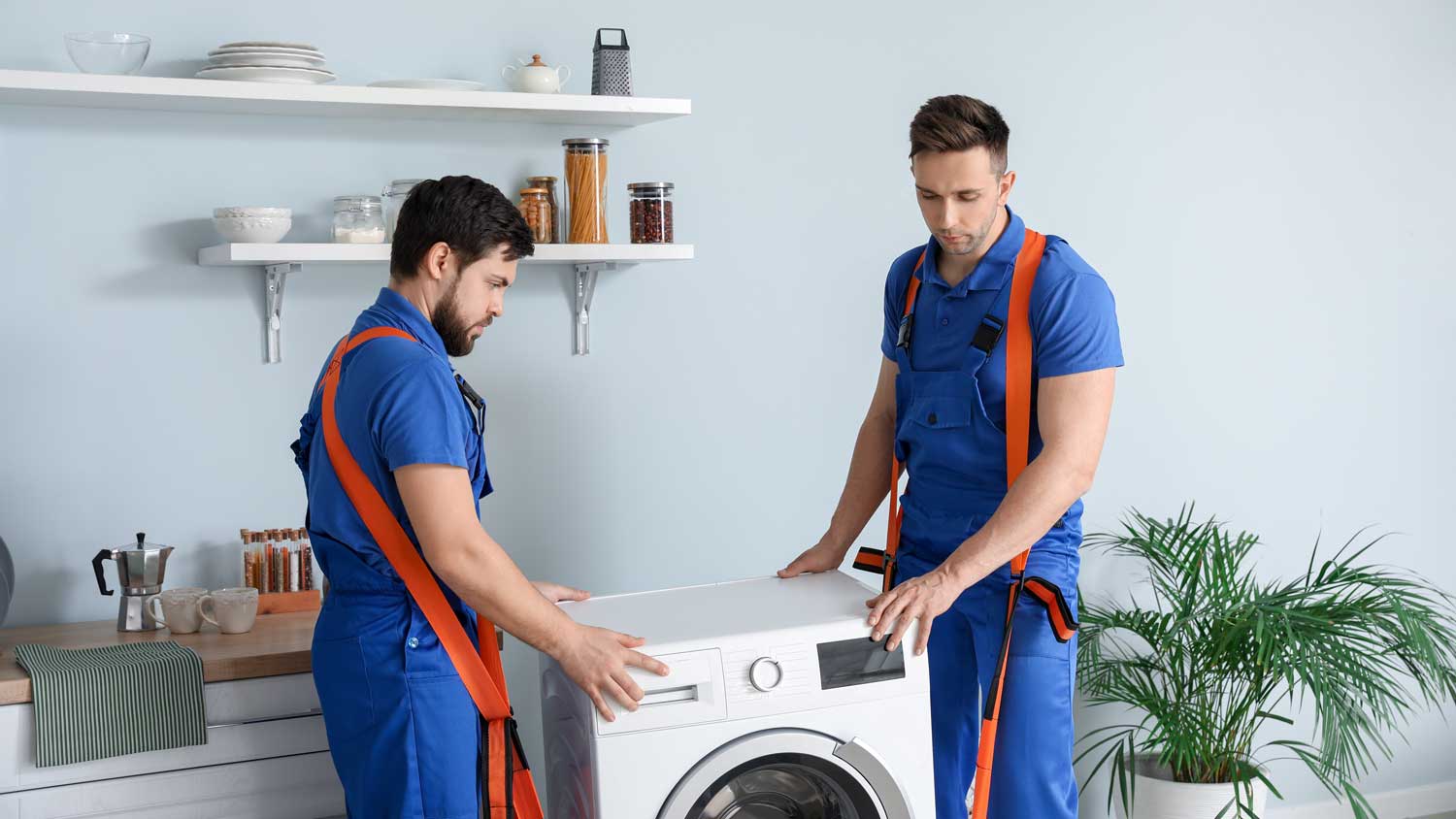
Prepare your washer and dryer before moving. This helps prevent damage during transport.
Follow these tips to get appliances ready:
- Secure loose parts like knobs and cords with tape or ties.
- Drain all water from the washer to avoid spills.
- Use moving blankets or padding to cover the appliances.
- Keep doors closed and locked, using tape if needed.
- Label each appliance to keep track during the move.
- Ask for help if the appliances are heavy or hard to carry.
Eco-friendly Disposal Methods
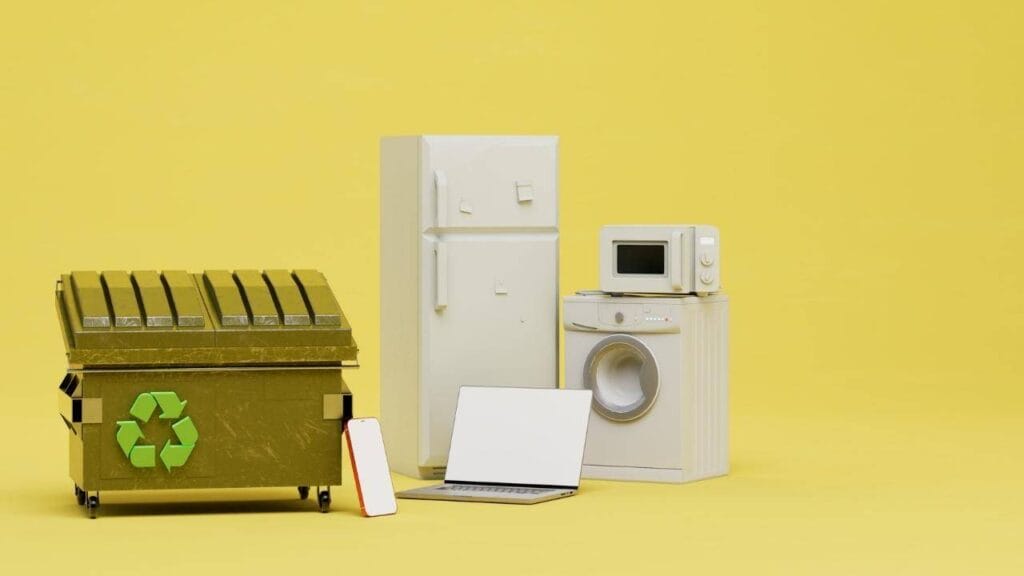
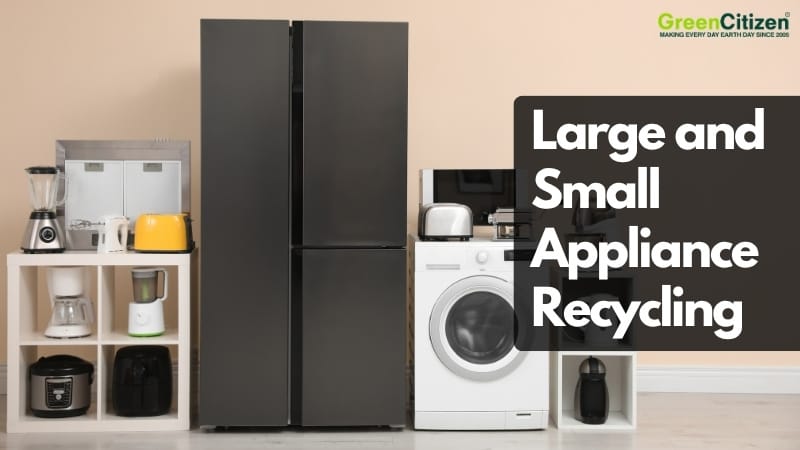
Disposing of your washer and dryer in an eco-friendly way helps protect the environment. These appliances contain materials that can be recycled or reused. Proper disposal reduces waste and conserves resources.
There are several options to dispose of old washers and dryers safely. You can use recycling programs, donate them, or return them to the manufacturer. Each method supports sustainability in different ways.
Recycling Programs
Many communities offer recycling programs for large appliances. These programs break down washers and dryers to reclaim metal, plastic, and other parts. Recycling reduces landfill waste and recovers valuable materials.
- Locate a local recycling center that accepts appliances
- Check if the program offers free pickup or drop-off
- Prepare your washer and dryer by disconnecting all cords and hoses
- Follow the recycling center’s guidelines for appliance drop-off
Donation Options
You can donate washers and dryers that still work. Many charities and non-profits accept used appliances. Donation helps people in need and extends the life of your machines.
- Contact local shelters or community centers
- Find organizations that specialize in household goods
- Ensure the appliance is clean and in good working order
- Arrange for pickup or drop-off with the charity
Manufacturer Take-back Services
Some manufacturers have take-back programs. They accept old washers and dryers for proper disposal or recycling. These services help reduce waste and promote responsible recycling.
| Manufacturer | Take-Back Service | How to Use |
| Brand A | Free pickup | Schedule online or call customer service |
| Brand B | Drop-off at stores | Bring old appliance when buying new one |
| Brand C | Mail-in program | Request a shipping label for appliance return |
Credit: www.angi.com
Local Disposal Regulations
Disposing of a washer and dryer requires following local rules. These rules protect the environment and keep communities clean.
Check your city or town’s regulations before throwing away your appliances. Each place may have different guidelines.
Finding Authorized Centers
Authorized centers accept washers and dryers for disposal. These centers handle appliances safely and recycle parts.
To find an authorized center, contact your local waste management or visit their website. Some stores also take back old appliances.
- Check local government websites
- Call waste disposal services
- Ask appliance stores about take-back programs
Understanding Disposal Fees
Disposal fees may apply when you drop off your washer and dryer. Fees help cover the cost of recycling and safe disposal.
Fees vary by location and appliance size. Some places offer free disposal during special collection events.
- Ask about fees before dropping off appliances
- Look for free collection days in your area
- Prepare to pay a small fee if required
Creative Repurposing Ideas
Old washers and dryers can be reused in many creative ways. Instead of throwing them away, you can give them a new life.
Using parts from these machines can help you create useful items or add charm to your garden and outdoor space.
Using Parts For Diy Projects
You can take parts from washers and dryers to make unique DIY projects. Motors, drums, and shelves are great pieces to reuse.
For example, the drum can become a fire pit or a planter. The motor can be used to power small machines or tools.
- Turn the drum into a stylish fire pit
- Use the motor for a homemade tool or fan
- Make shelves or storage from the frame
- Create a wall-mounted rack using door parts
Garden And Outdoor Uses
Washer and dryer parts work well in gardens and outdoor areas. They can hold plants or store tools.
The washing machine drum is perfect for holding soil and flowers. Dryer shelves can be turned into garden racks or storage.
- Use the drum as a raised garden planter
- Create a compost bin from the drum
- Make a garden tool holder from shelves
- Turn dryer parts into outdoor furniture
Credit: greencitizen.com
Tips To Choose New Appliances
Choosing the right washer and dryer can save you money and energy. It’s important to know what to look for when buying new appliances.
Consider energy efficiency and size to make a smart choice that suits your needs and space.
Energy Efficiency Ratings
Energy-efficient appliances use less power and reduce utility bills. Look for machines with a high Energy Star rating.
- Check the Energy Star label on appliances.
- Compare energy consumption figures among models.
- Consider long-term savings over initial cost.
Size And Capacity Considerations
Size and capacity are crucial when choosing a washer and dryer. Make sure they fit your space and meet your laundry needs.
| Model | Washer Capacity (cu. ft.) | Dryer Capacity (cu. ft.) |
| Compact | 2.0 – 2.5 | 3.0 – 4.0 |
| Standard | 3.0 – 4.0 | 5.0 – 7.0 |
| Large | 4.5+ | 7.0+ |
Credit: greencitizen.com
Frequently Asked Questions
How Do I Prepare My Washer And Dryer For Disposal?
First, unplug both appliances and disconnect water hoses. Drain any remaining water from the washer. Clean lint filters in the dryer. Remove any detachable parts. This ensures safe handling and prevents leaks during disposal.
Can I Donate A Working Washer And Dryer?
Yes, donating is a great eco-friendly option. Many charities accept working appliances. Ensure they are clean and functional. Arrange for pickup or drop-off. Donating helps reduce waste and supports those in need.
What Recycling Options Exist For Old Washers And Dryers?
Many local recycling centers accept appliances. Some manufacturers offer take-back programs. Check if your city has bulky waste collection. Proper recycling recovers valuable metals and reduces landfill waste.
Are There Fees For Disposing Of Washers And Dryers?
Disposal fees vary by location and service. Some recycling centers charge a small fee. Donation centers usually accept appliances for free. Always check local guidelines to avoid surprises.
Conclusion
Disposing of your washer and dryer safely helps protect the environment. Donate or recycle old machines to reduce waste. Check local rules for proper disposal methods. Many places offer pick-up or drop-off services. Remove all personal items and clean the appliances first.
This keeps the process smooth and quick. Taking these steps saves space and supports recycling efforts. You can make a difference by handling old appliances responsibly. Simple actions add up to a cleaner, healthier community.