Are you wondering how to get rid of your old washer dryer without hassle? You’re not alone.
Disposing of large appliances can feel confusing and overwhelming. But it doesn’t have to be that way. You’ll discover simple, clear steps to safely and responsibly dispose of your washer dryer. Whether you want to save money, help the environment, or avoid fines, this guide is made just for you.
Keep reading to learn exactly what you need to do next.
Credit: consumerenergyalliance.org
Prepare Your Washer Dryer
Getting your washer dryer ready for disposal is important. Proper preparation helps avoid spills and damage.
Follow simple steps to unplug, disconnect, clean, and dry your appliance before disposal.
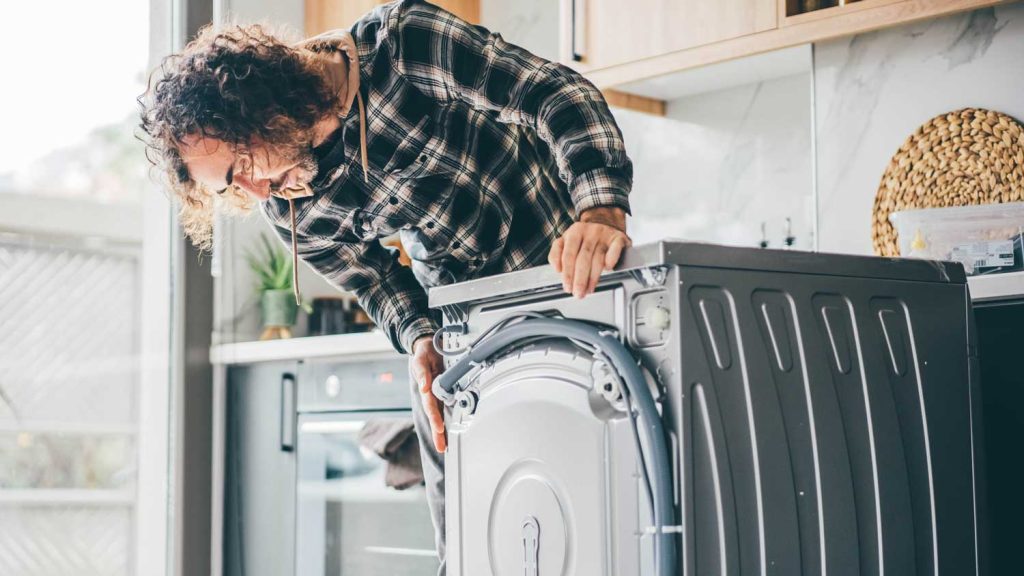
Unplug And Disconnect
Always unplug your washer dryer from the power outlet first. This stops electrical hazards.
Next, disconnect water supply hoses carefully. Turn off water valves before removing hoses.
- Unplug the power cord from the wall socket
- Turn off hot and cold water valves
- Use a bucket or towel to catch water from hoses
- Detach hoses from the back of the machine
- Check hoses for leaks or damage
Clean And Dry The Appliance
Remove any clothes or items left inside the washer dryer. Clean the drum and detergent drawer.
Use a cloth to dry inside the drum and the outside. This prevents mold and bad smells.
- Take out all laundry and accessories
- Wipe the drum and door seal with a dry cloth
- Clean detergent compartments to remove residue
- Leave the door open for air to dry inside
- Dry the outside to avoid water damage
Find Local Disposal Options
Getting rid of a washer dryer can be tricky. Many places have rules on how to throw away big machines.
Finding local disposal options helps you recycle or throw away your appliance the right way.
Municipal Waste Facilities
Many towns have waste centers for big appliances like washer dryers. These places accept old machines safely.
Check your town’s website or call to learn about hours and rules for dropping off appliances.
- Bring the washer dryer to the facility during open hours
- Some places charge a small fee for large items
- They usually recycle parts and dispose of hazardous materials
Special Collection Events
Some communities hold special days to collect big trash items. You can drop off your washer dryer at these events.
These events often happen a few times a year and help keep neighborhoods clean.
- Find event dates on your city or county website
- Prepare your washer dryer for pickup or drop off
- Events may also accept other large or hazardous waste
Donate Or Sell Your Appliance
Getting rid of an old washer dryer can be easy. You can donate or sell it to give it a new life.
These options help others and keep appliances out of landfills. Let’s look at some ways to do this.
Charity Organizations
Charities often accept working appliances. They help families in need with these donations.
Check local charities to see if they accept washer dryers. Some even offer free pickup services.
- Goodwill
- Salvation Army
- Habitat for Humanity ReStores
Online Marketplaces
Selling your appliance online is another option. Many people look for used appliances at a lower price.
Use online platforms to reach more buyers. Upload clear pictures and a detailed description.
- eBay
- Facebook Marketplace
- Craigslist
Recycle Washer Dryer Parts
Disposing of a washer dryer properly helps protect the environment. Recycling parts reduces waste and saves resources.
Many parts inside a washer dryer can be reused or recycled. Sorting these parts makes recycling easier and more effective.
Metal And Plastic Components
Washers and dryers contain many metal and plastic parts. Metal parts can be melted and reused to make new products.
Plastic parts should be separated and recycled according to their type. This helps reduce pollution and saves energy.
- Steel drums and frames are valuable metal parts
- Plastic panels and knobs can be recycled separately
- Screws and small metal pieces should be collected
- Remove rubber hoses before recycling plastics
Electronic Waste Centers
Electronic waste centers accept washer dryer parts with electronic components. These centers handle hazardous materials safely.
Parts like circuit boards, wiring, and motors need special recycling. Electronic waste centers recover valuable metals and prevent pollution.
- Find a local electronic waste center
- Remove batteries before dropping off
- Drop off control boards and wiring separately
- Follow center rules for safe recycling
Hire Professional Removal Services
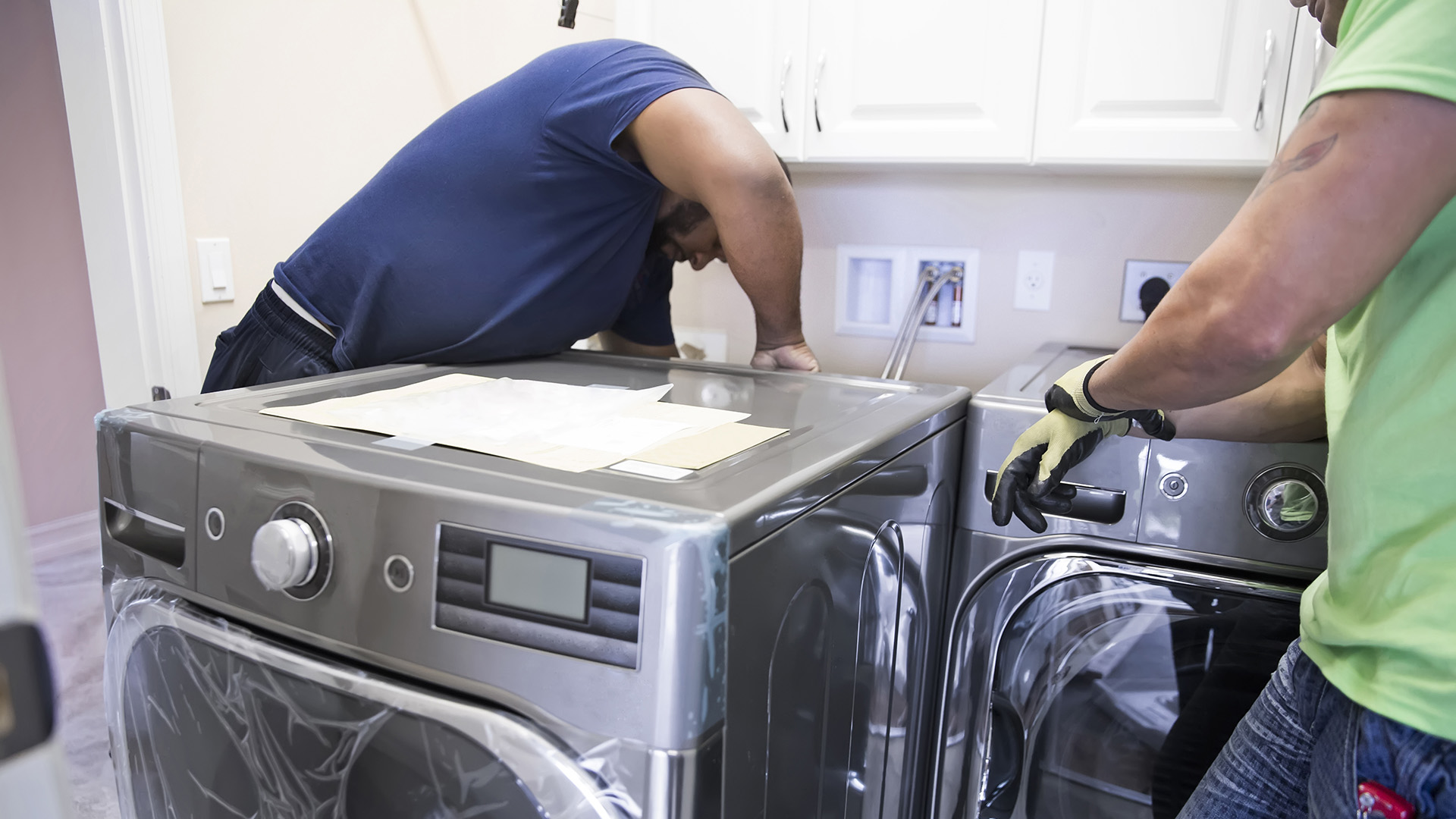
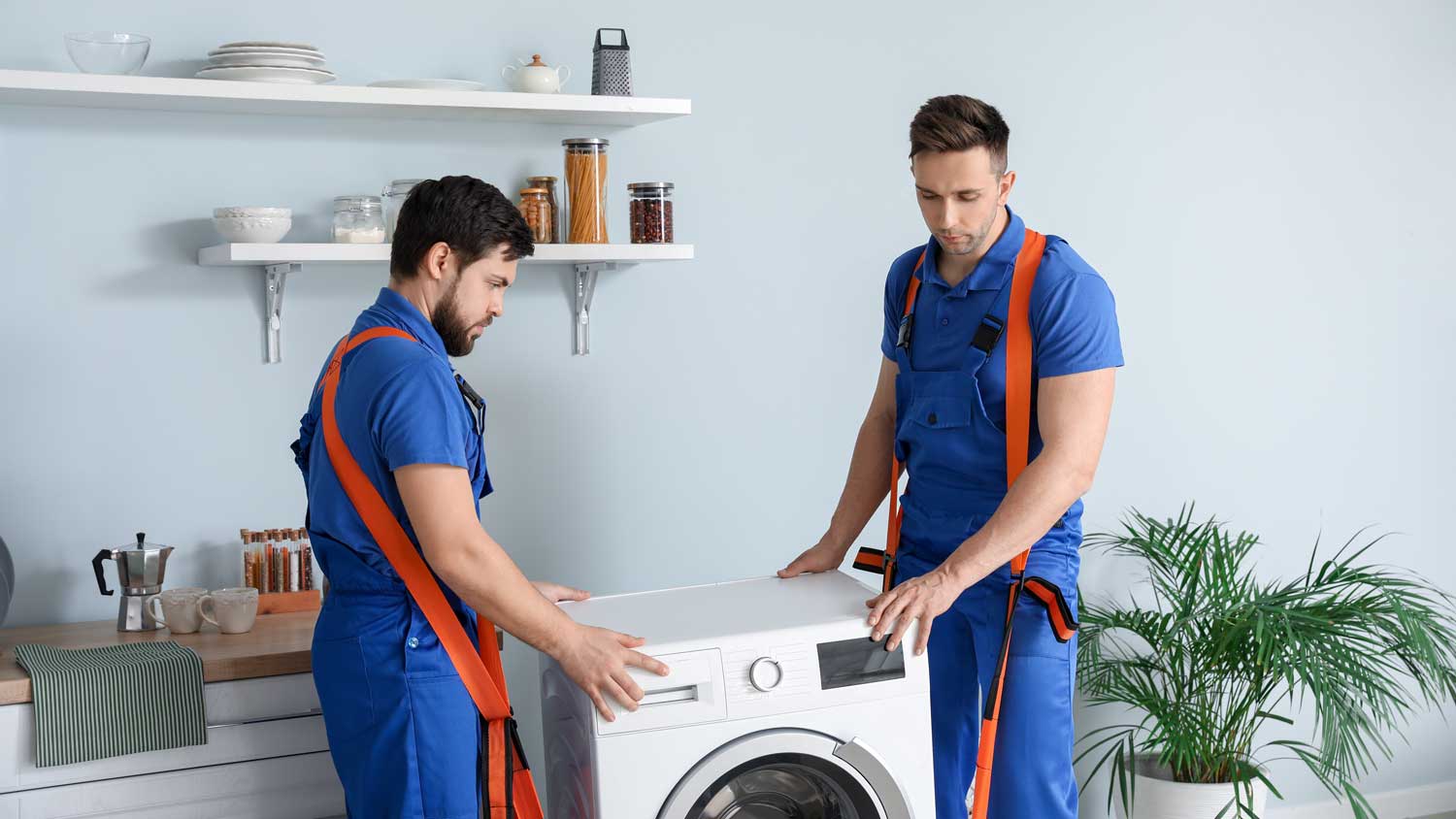
Getting rid of a washer dryer can be hard. A professional service can help remove it safely.
Experts have the tools and skills to take away your old appliances without damage.
Eco-friendly Junk Removal
Professional removal services recycle parts and dispose of harmful materials properly. This helps reduce waste and protect the environment.
- They separate metals, plastics, and electronics for recycling
- Old machines often contain chemicals that need safe handling
- Hiring experts lowers the chance of pollution or injury
Cost And Scheduling Tips
Costs vary by size, location, and service type. Plan ahead to get the best price and timing.
| Factor | Impact on Cost | Scheduling Advice |
| Distance from your home | Higher if far | Book early to secure date |
| Weight and size | Heavier costs more | Inform company of exact size |
| Additional services | Extra fees for lifting or dismantling | Ask about all fees upfront |
Credit: www.angi.com
Avoid Common Disposal Mistakes
Disposing of a washer dryer the right way is important for safety and the environment. Many people make mistakes that cause harm or legal trouble. Knowing the risks helps you avoid these problems.
This guide explains key issues to watch for when getting rid of your washer dryer. Pay attention to these points to keep your home and community safe.
Illegal Dumping Risks
Throwing away your washer dryer in unauthorized places can cause big problems. Illegal dumping breaks laws and leads to fines. It also creates eyesores and can block roads or drains.
- Fines or penalties from local authorities
- Harm to wildlife and natural areas
- Spread of pests or disease
- Damage to public property
- Costly cleanup for communities
Always check for local rules about appliance disposal. Use proper collection or recycling services to avoid risks.
Environmental Hazards
Washer dryers contain parts and fluids that can harm the environment. If not handled carefully, these can leak or pollute soil and water.
| Hazard | Description | Impact |
| Refrigerants | Found in dryers with cooling systems | Damage ozone layer |
| Heavy Metals | Parts like motors and wires | Poison soil and water |
| Plastic and Foam | Insulation and casing materials | Take centuries to decompose |
| Detergent Residue | Leftover chemicals inside the machine | Pollute water sources |
Recycle your appliance at a certified center. This helps remove harmful parts safely and recycles materials.

Credit: samrinc.com
Frequently Asked Questions
How Do I Safely Dispose Of A Washer Dryer?
To safely dispose of a washer dryer, first unplug and drain it completely. Then, contact local waste management or recycling centers for proper disposal options. Many areas offer special pickup or drop-off services for large appliances to ensure environmentally friendly handling.
Can I Recycle Parts Of My Washer Dryer?
Yes, many parts of a washer dryer, such as metal and plastic components, can be recycled. Check with local recycling programs that accept appliances. Recycling helps reduce landfill waste and recovers valuable materials for reuse.
Are There Donation Options For Old Washer Dryers?
If your washer dryer is still functional, consider donating it to charities or thrift stores. Some organizations accept working appliances to help families in need. Always verify the donation guidelines before dropping off your appliance.
What Fees Are Involved In Washer Dryer Disposal?
Disposal fees vary by location and service provider. Municipal waste programs may charge a small fee for appliance pickup or drop-off. Contact your local waste management office for specific costs related to washer dryer disposal.
Conclusion
Disposing of your washer dryer safely helps protect the environment. Find local recycling centers or donation programs nearby. Always remove personal items and unplug the machine first. Avoid dumping it in the trash to prevent harm. Following these steps makes disposal easier and safer.
Take your time to choose the best option for you. Small actions can make a big difference. Keep your home and community clean and green. Dispose of old appliances responsibly for a better future.