If you have a baseboard heating system, knowing how to drain it can save you time, money, and frustration. Whether you’re fixing a leak, doing maintenance, or preparing for repairs, draining your system properly is key to avoiding damage and costly mistakes.
In this guide, you’ll learn simple, step-by-step instructions to drain your baseboard heating system safely and efficiently. By the end, you’ll feel confident handling this task on your own—no need to wait for a technician or worry about making things worse.
Keep reading to get started and protect your home heating system today.
Credit: www.doityourself.com
Tools And Materials Needed
Draining a baseboard heating system requires the right tools and materials. Having these ready makes the job easier and safer.
This guide lists the essential items you need before starting the draining process.
Essential Tools
Gather these tools to help you drain your baseboard heating system efficiently.
- Adjustable wrench
- Screwdriver set
- Bucket or large container
- Garden hose
- Pipe wrench
- Shop vacuum (optional for water removal)
- Rags or towels
Required Materials
Use these materials to ensure the system drains correctly and stays in good condition.
| Material | Purpose |
|---|---|
| Drain valve or petcock | Allows water to flow out during draining |
| Replacement washers | Prevent leaks when reassembling |
| Pipe sealant or plumber’s tape | Ensures tight, leak-free connections |
| Water-resistant gloves | Protect hands from hot water and dirt |
| Cleaning brush | Removes debris from pipes and valves |

Credit: www.reddit.com
Preparing The Heating System
Before draining a baseboard heating system, you must prepare it properly. Preparation helps avoid damage and keeps you safe.
Follow simple steps to get your heating system ready for draining. This guide will explain what to do first.
Turn Off The Power
Switch off the power to your heating system. This stops the heater from running while you work on it.
Locate the circuit breaker or fuse that controls the heating system. Turn it off to cut the electricity.
Shut Off The Water Supply
Close the main water valve that feeds the heating system. This prevents water from entering while you drain it.
- Find the water shut-off valve near your boiler or heating unit.
- Turn the valve clockwise until it stops.
- Check that no water flows into the system.
Allow System To Cool
Wait for the heating system to cool down before draining. Hot water can cause burns or damage the pipes.
| Reason | Action |
|---|---|
| Hot water inside pipes | Wait at least 1 hour to cool |
| Risk of burns | Do not touch pipes until cool |
| Better draining | Cool water drains easier |
Locating Drain Valves
Draining a baseboard heating system helps with maintenance and repairs. Finding the drain valves is the first step.
Drain valves let you remove water from the system safely. Knowing where they are makes the process easier.
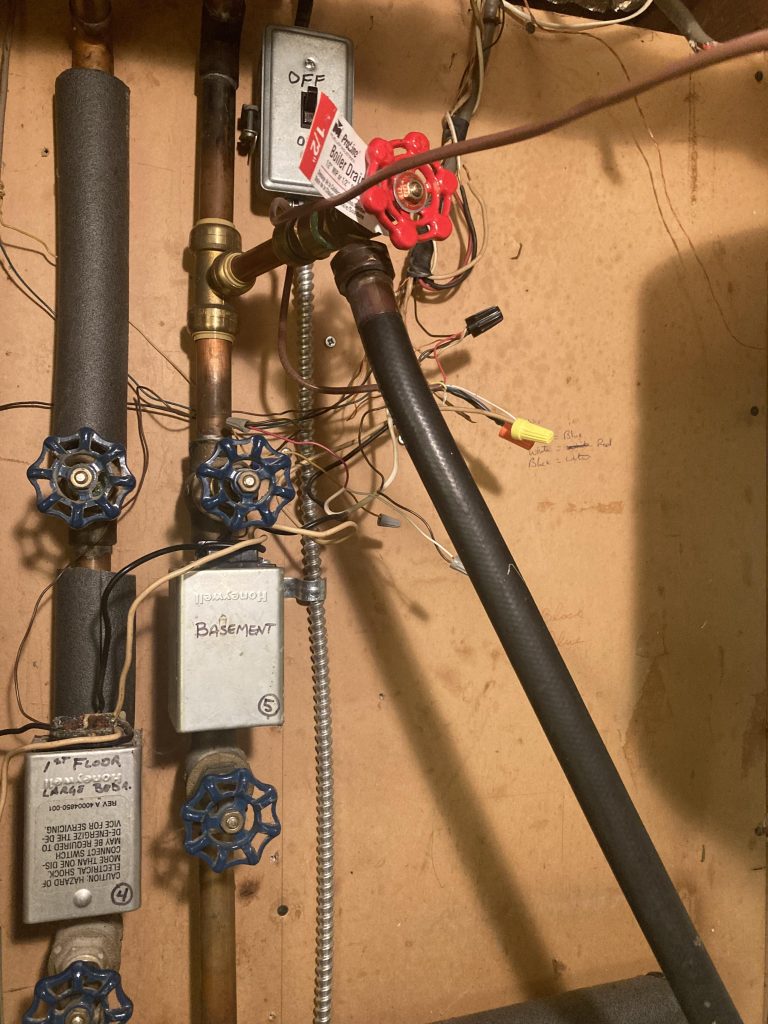
Find The Main Drain Valve
The main drain valve is usually at the lowest point of the heating system. It lets water drain out quickly.
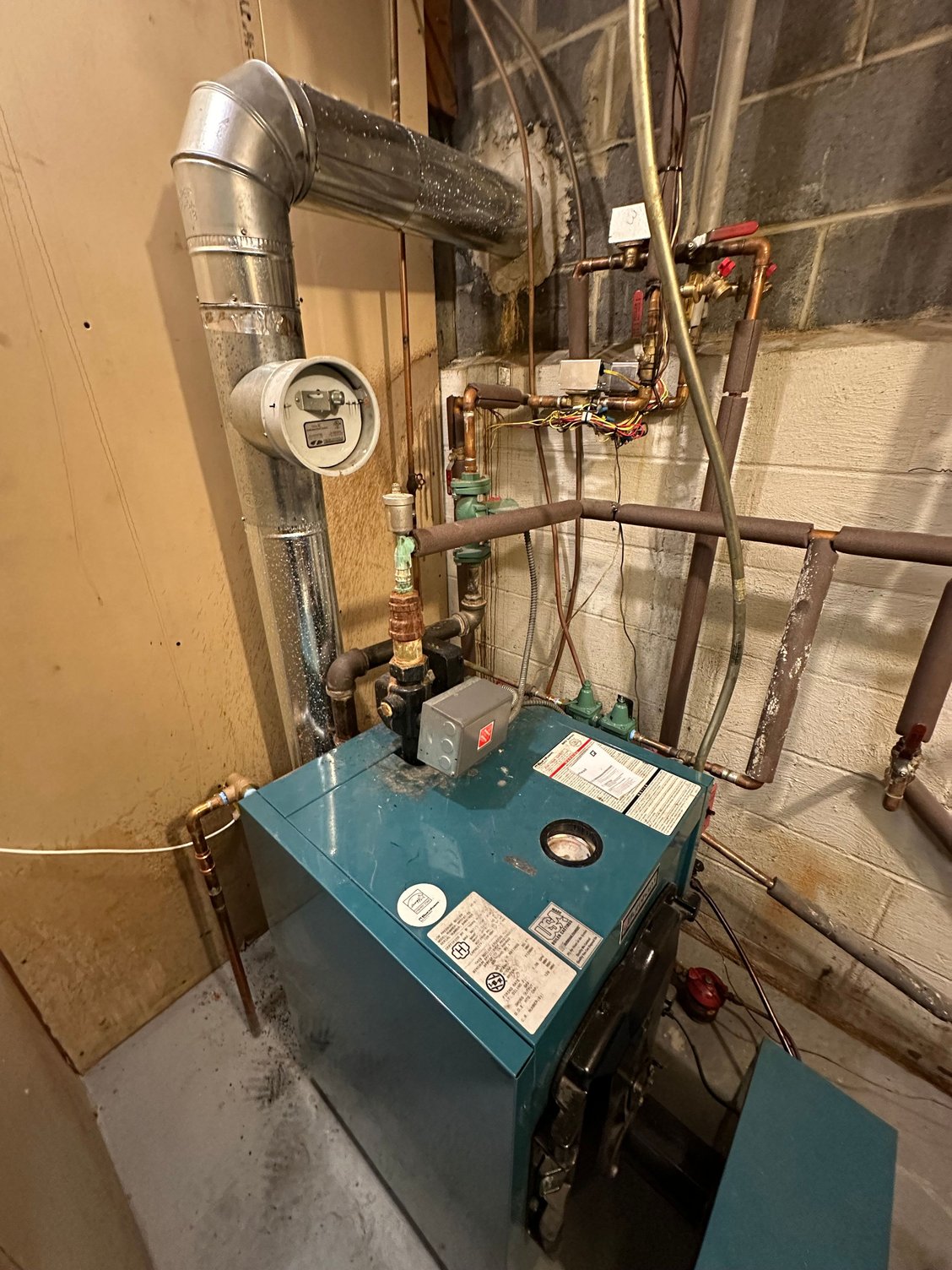
Look near the boiler or the heating unit. The valve often looks like a small faucet with a handle or lever.
- Check pipes close to the floor or basement
- Look for a valve with a hose connection
- It may be near the water supply line
Identify Bleed Valves
Bleed valves release trapped air inside the heating pipes. They help keep the system working well.
These valves are smaller and found on each baseboard unit. They often have a small knob or screw.
- Look at the end or side of each baseboard heater
- Valves may need a special key or screwdriver
- Use them to release air before draining the system
Draining The System
Draining a baseboard heating system helps with maintenance and repairs. It removes water from the pipes to prevent damage.
Follow these steps carefully to drain the system safely and quickly.
Attach A Hose To The Drain Valve
Locate the drain valve at the lowest point of the system. Attach a garden hose to this valve to direct the water safely outside or into a drain.
Make sure the hose is secure to avoid leaks or spills during draining.
Open The Drain Valve
Turn the drain valve slowly to open it. Water will begin to flow out through the hose.
- Keep the valve open until water flow stops.
- Check the hose connection regularly for leaks.
- Close the valve once the system is empty.
Open Bleed Valves For Faster Drainage
Open the bleed valves on each radiator or baseboard. This allows air to enter and helps water drain faster.
| Valve Type | Purpose |
|---|---|
| Drain Valve | Releases water from the system |
| Bleed Valve | Allows air in to speed drainage |
Flushing The System
Flushing a baseboard heating system helps remove old water and dirt. This keeps the system working well and prevents damage.
Flushing also clears out any buildup inside the pipes. Clean water flows better and heats your home more evenly.
Use Fresh Water To Flush
Start flushing by using fresh water. This helps push out dirty water and old sediment from the pipes.
Connect a garden hose to the system’s drain valve. Run water through until it flows clear and clean.
- Turn off the heating system before flushing
- Open the drain valve to release old water
- Attach a hose to direct water outside or to a drain
- Run fresh water until it comes out clear
- Close the drain valve tightly after flushing
Check For Debris And Sediment
Look closely at the water draining from the system. Dirt and sediment can block pipes and reduce heating.
If you see particles or sludge, keep flushing until the water is clean. You may need to flush more than once.
- Debris can cause uneven heating and noise
- Flushing removes buildup and keeps water flowing
- Check water clarity regularly during flushing
- Stop flushing when water runs clear and free of sediment
Credit: www.diychatroom.com
Refilling And Bleeding
After draining a baseboard heating system, refilling and bleeding are key steps. These steps ensure the system works properly and safely.
This guide covers how to close drain valves, refill the system with water, and bleed air from the system.
Close Drain Valves
Before refilling, make sure all drain valves are fully closed. This prevents water from leaking out as you refill the system.
Check each valve by turning it clockwise until it stops. If any valve leaks, tighten it or replace if needed.
Refill With Water
Use a hose or water source to slowly fill the heating system. Watch the pressure gauge and keep it within the recommended range.
- Attach the hose to the water inlet valve.
- Open the water inlet valve to start filling.
- Watch the pressure gauge carefully as the system fills.
- Close the valve once the correct pressure is reached.
Bleed Air From The System
Trapped air can stop the system from heating well. Bleed the air out using the bleeder valves at each baseboard unit.
| Action | Description |
|---|---|
| Locate Bleeder Valve | Find the small valve on each baseboard heater. |
| Open Valve | Use a screwdriver or key to turn the valve counterclockwise slowly. |
| Release Air | Let air escape until water starts to flow steadily. |
| Close Valve | Turn the valve clockwise to close it tightly. |
Testing The System
After draining your baseboard heating system, testing it ensures everything works well. This step helps catch any problems early.
Testing involves turning on power and water, checking for leaks, and monitoring how the system performs over time.
Turn On Power And Water
Restore power to the heating system by switching the breaker back on. Then, open the water supply valve slowly to let water flow into the system again.
- Switch on the electrical breaker for the heating system.
- Open the water supply valve slowly to avoid pressure spikes.
- Allow the system to fill and pressurize completely.
- Listen for unusual sounds like banging or hissing.
Check For Leaks
Look carefully at all joints, valves, and connections for signs of water leaks. Even small drips can cause damage over time.
| Location | What to Look For | Action If Found |
|---|---|---|
| Pipe joints | Water droplets or moisture | Tighten connections or replace seals |
| Valves | Corrosion or wet spots | Inspect valve and replace if faulty |
| Baseboards | Wet areas or stains | Repair or replace damaged sections |
Monitor System Performance
Watch how the heating system runs during the first few hours after testing. Check if the rooms warm up evenly and if the system stays quiet.
- Check the thermostat settings and adjust if needed.
- Listen for unusual noises like banging or gurgling.
- Feel baseboards to ensure even heat distribution.
- Note any cold spots or areas that stay cool.
Safety Tips And Maintenance
Draining a baseboard heating system needs care and attention. Safety is very important to avoid accidents and damage.
Regular maintenance helps keep your heating system working well and lasting longer. Follow these tips to stay safe and maintain your system.
Wear Protective Gear
Always wear the right protective gear before starting. This keeps you safe from hot water, sharp edges, and dirt.
- Wear gloves to protect your hands from hot water and sharp parts.
- Use safety goggles to guard your eyes from splashes.
- Wear long sleeves and pants to protect your skin.
- Use sturdy shoes to avoid slips and falls.
- Keep a first aid kit nearby just in case.
Regular Maintenance Schedule
Keep a schedule to check and maintain your heating system. This helps find problems early and saves money on repairs.
| Task | Frequency | Notes |
| Check for leaks | Monthly | Look under baseboards and valves |
| Bleed air from system | Every 6 months | Prevents cold spots in heating |
| Drain system | Once a year | Before winter or system repair |
| Inspect valves and pipes | Yearly | Replace damaged parts as needed |
Frequently Asked Questions
How Do You Start Draining A Baseboard Heating System?
To start draining a baseboard heating system, first, turn off the power supply. Next, close the water supply valve. Locate the system’s drain valve and connect a hose to it. Open the drain valve to let water flow out. Ensure all radiators are fully drained before proceeding with maintenance or repairs.
Why Is Draining Necessary For Baseboard Heating Systems?
Draining a baseboard heating system removes sediment and mineral buildup. This ensures efficient operation and extends the system’s life. Regular draining prevents blockages and improves heating performance. It also helps in identifying leaks or potential issues early, maintaining the system’s reliability and efficiency.
How Often Should You Drain The System?
It’s recommended to drain your baseboard heating system annually. This ensures optimal performance and prevents sediment buildup. Regular maintenance checks help in identifying any issues early. Depending on water quality and system usage, more frequent draining might be necessary. Always consult your system’s manual for specific guidelines.
What Tools Are Needed For Draining?
You will need a hose, a bucket, and a wrench. A towel or cloth is useful for any spills. Ensure you have gloves for safety. A flashlight might help in locating the drain valve. Always refer to the system manual for any specific tool requirements or additional equipment.
Conclusion
Draining a baseboard heating system is simple with the right steps. Turn off the system and let it cool down first. Open the drain valve and let the water flow out completely. Close the valve tightly when finished. Regular draining helps keep your heating system working well.
It prevents clogs and rust buildup inside pipes. Take your time and follow each step carefully. Doing this can save money on repairs later. Keep your home warm and comfortable all winter long.