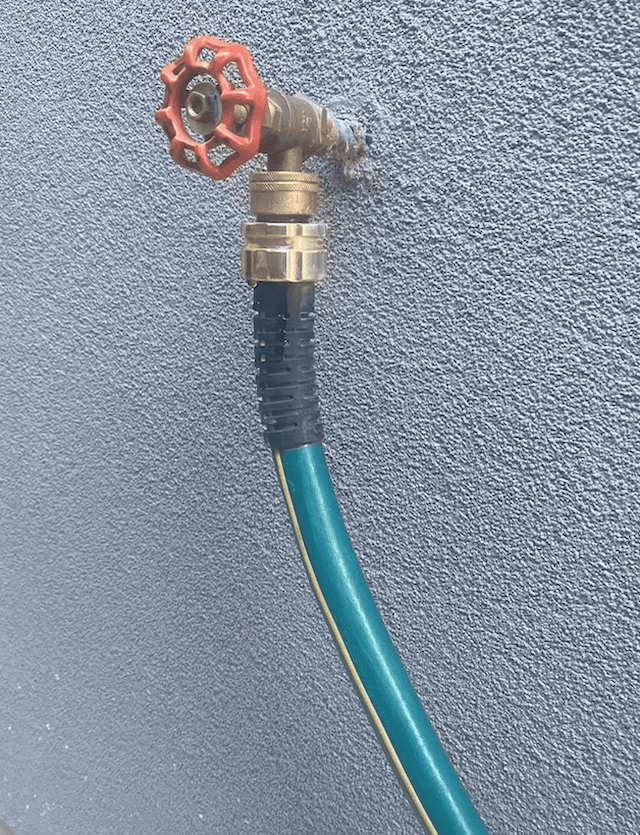
Draining your pool might sound like a big job, but what if you could do it easily with something as simple as a garden hose? If you’ve ever wondered how to get the water out without spending a fortune or calling a pro, this guide is for you.
You’ll learn step-by-step how to drain your pool safely and quickly using just your garden hose. Keep reading, and you’ll be surprised how simple it can be to get your pool ready for the next season or a thorough cleaning.
Let’s dive in and make this task hassle-free for you!
Prepare The Pool
Draining a pool with a garden hose needs proper preparation. This helps protect the pool and equipment.
Start by making sure the pool is clean and the tools you need are ready. Testing the water is also important.
Clear Debris And Check Equipment
Remove leaves, twigs, and dirt from the pool surface and bottom. This keeps the hose from clogging.
- Use a pool net or skimmer to clear floating debris
- Brush pool walls and floor to loosen dirt
- Vacuum the pool to pick up small particles
- Inspect the garden hose for cracks or leaks
- Check that the hose end fits tightly to the pool drain
Test Water Chemistry
Test the pool water to understand its chemical balance. This prevents damage during draining.
| Test Item | Safe Range |
| pH Level | 7.2 – 7.6 |
| Chlorine | 1 – 3 ppm |
| Alkalinity | 80 – 120 ppm |
| Calcium Hardness | 200 – 400 ppm |
If the water is outside these ranges, adjust chemicals before draining. This keeps the pool surface safe.
Set Up The Garden Hose
Draining a pool with a garden hose is simple and saves water. The first step is to set up the hose properly. This helps the water flow smoothly out of the pool.
Below are the key steps to connect and position the hose for effective drainage.
Attach Hose To Drain Valve
Find the pool’s drain valve, usually near the bottom. Make sure the valve is closed before attaching the hose. Connect one end of the garden hose tightly to the drain valve to avoid leaks.
- Check the drain valve for damage or debris
- Push the hose onto the valve fitting firmly
- Use a clamp to secure the hose if needed
- Ensure the connection is tight and leak-free
Position Hose For Drainage
Place the other end of the hose in a safe drainage area. The hose should run downhill to let gravity pull the water out. Avoid areas where water can cause damage or flooding.
| Hose Position | Purpose |
| Downhill slope | Allows smooth water flow |
| Away from buildings | Prevents water damage |
| Clear of walkways | Avoids tripping hazards |
| Drain to garden or street | Safe water disposal |
Start The Drainage Process
Draining a pool with a garden hose can be simple. First, gather your equipment and ensure safety.
Follow these steps to begin the drainage process effectively and efficiently.
Open Drain Valve
Locate the pool’s drain valve. It is usually at the bottom or side of the pool. Ensure that the valve is accessible and not blocked by debris.
Carefully open the drain valve. This will allow water to flow out smoothly. Be cautious of water pressure when opening.
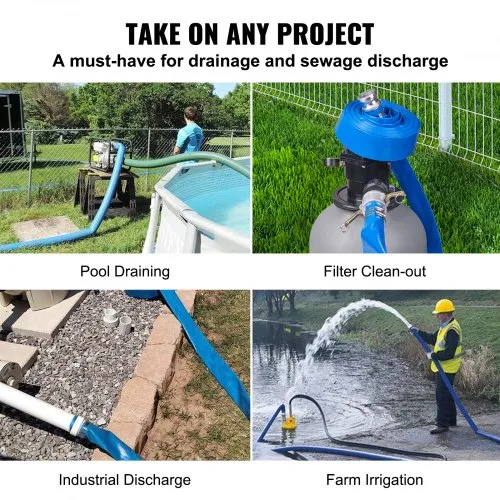
Prime The Hose To Start Flow
Submerge one end of the garden hose in the pool. Ensure it is fully filled with water to avoid air pockets.
Place the other end of the hose lower than the pool. This creates a siphon effect, starting the water flow.
- Ensure hose is free of kinks
- Keep hose end secure in a drainage area
- Monitor the flow regularly
Credit: www.vevor.ca
Monitor Water Flow
Draining a pool with a garden hose requires careful water flow monitoring. This helps prevent damage and speeds up the process.
Watching the water flow lets you know if the hose is working correctly. It also helps you catch any problems early.
Check For Leaks
Leaks can slow down draining and waste water. Check the hose and connections for any holes or cracks.
Look for wet spots or dripping water along the hose line. Fix any leaks before continuing to drain the pool.
Ensure Proper Drainage Direction
Make sure the water flows away from your house and other buildings. This prevents water damage and flooding.
Direct the hose toward a safe area like a garden or storm drain. Avoid draining into streets or neighbors’ yards.
- Point hose downhill if possible
- Check local rules about pool water drainage
- Keep water away from foundations and walkways
Complete Draining
Draining your pool fully with a garden hose is simple and saves water. This guide helps you finish the job safely and cleanly.
Follow these steps to close the drain valve and remove the hose. Then, clean up the area to keep your pool space tidy.
Close Drain Valve
After the water is drained, close the drain valve tightly. This stops air from entering the pool system and prevents leaks.
- Turn the valve handle clockwise until it is firm.
- Check that no water is leaking around the valve.
- Make sure the valve is fully closed before removing the hose.
Remove Hose And Clean Up
Once the valve is closed, detach the garden hose carefully. Drain any remaining water from the hose to avoid mess.
| Task | Tip |
| Detach Hose | Loosen connection gently to avoid damage |
| Drain Hose | Hold hose end low to let water flow out |
| Store Hose | Coil hose neatly in a dry, shaded place |
| Clean Area | Remove leaves and dirt near the drain |

Credit: www.onesmileymonkey.com
Post-drain Pool Care
After draining your pool with a garden hose, it is important to take care of the pool properly. This helps keep your pool in good shape and ready for use.
Proper care includes checking the pool surface and planning for refilling and maintenance tasks.
Inspect Pool Surface
Look closely at the pool surface for cracks, stains, or damage. Draining can reveal issues that were hidden underwater.
Fixing small cracks early prevents bigger problems later. Clean any dirt or algae before refilling the pool.
- Check for cracks or chips in the pool walls and floor
- Clean off dirt, debris, or algae with a brush
- Note any stains that may need special cleaning
- Repair small damages with pool patch kits
Plan For Refill And Maintenance
Plan how you will refill the pool. Use clean water and add chemicals carefully to balance the water.
Set a regular schedule to test water quality and clean the pool after refilling.
- Fill the pool slowly to avoid damage
- Test pH, chlorine, and alkalinity levels
- Add chemicals as needed to balance water
- Clean filters and pumps before use
- Keep a maintenance routine for clear water

Credit: www.onesmileymonkey.com
Frequently Asked Questions
How Do I Start Draining A Pool With A Garden Hose?
To drain a pool with a garden hose, first submerge the hose fully in the pool water. Then, block the hose’s end to create suction. Finally, place the free end in a lower drainage area and release the block to start draining.
Can I Drain A Pool Using Only A Garden Hose?
Yes, a garden hose can drain a pool slowly using siphoning. However, it is a time-consuming method and best for small pools or partial draining. Ensure the hose outlet is lower than the pool to maintain water flow.
How Long Does It Take To Drain A Pool With A Garden Hose?
Draining time depends on pool size and hose diameter. Typically, it takes several hours to days for a full drain. A larger hose speeds up the process, while a smaller hose may take longer.
Is Draining A Pool With A Garden Hose Safe For The Environment?
Draining with a garden hose is environmentally safe if water is directed to a proper drainage area. Avoid draining near plants that could be harmed by pool chemicals. Always check local regulations before draining pool water.
Conclusion
Draining a pool with a garden hose is simple and cost-effective. Just follow the steps carefully and stay safe. Keep the hose’s end in a proper place to avoid water damage. Check the water level often to know when to stop.
This method works well for small to medium pools. Take your time and do it right for best results. Now, you can enjoy a clean pool ready for refilling or maintenance. Easy and effective—no special tools needed.