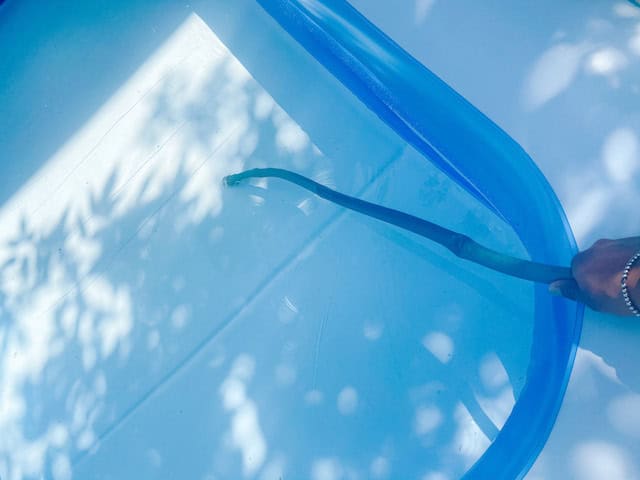
Draining your swimming pool might seem like a big job, but what if you could do it easily using something you already have—a garden hose? If you want a simple, cost-effective way to empty your pool without hiring a professional, this guide is for you.
By the time you finish reading, you’ll know exactly how to drain your pool step-by-step, save time, and avoid common mistakes that could cause damage. Ready to take control of your pool maintenance? Let’s dive in!
Preparing To Drain
Draining a swimming pool safely requires good preparation. You need to plan each step carefully.
Knowing what to do before you start will help avoid problems and save time.
Gathering Necessary Equipment
Before draining, get all the tools ready. This makes the process smooth and safe.
- Garden hose long enough to reach the drain area
- Submersible pump if the hose method is too slow
- Bucket to remove debris from the pool
- Protective gloves and safety goggles
- Water testing kit to check pool water quality
Choosing The Right Location
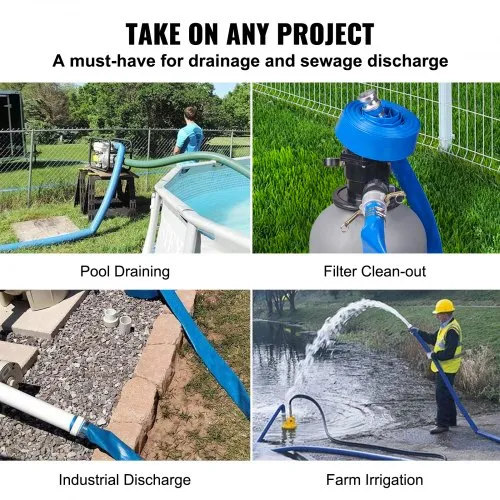
Pick a safe place for the water to flow. The area should handle a lot of water without damage.
| Location Type | Notes |
| Garden or Lawn | Good for watering plants if water is clean |
| Driveway or Pavement | Can cause flooding or damage, avoid if possible |
| Storm Drain | Check local rules before draining here |
| Septic System | Do not drain pool water here |
Checking Local Regulations
Rules about pool draining differ by location. Check with local authorities to avoid fines.
Some common rules include:
- Prohibiting water discharge into storm drains
- Requiring water to be dechlorinated before draining
- Setting specific times for draining to protect neighbors
Contact your city or county office to get clear instructions.
Credit: www.ebay.co.uk
Setting Up The Garden Hose
Draining a swimming pool with a garden hose is simple. The right setup is key for success.
Follow these steps to ensure your garden hose works effectively. Proper setup prevents issues.
Attaching Hose To Pool Drain
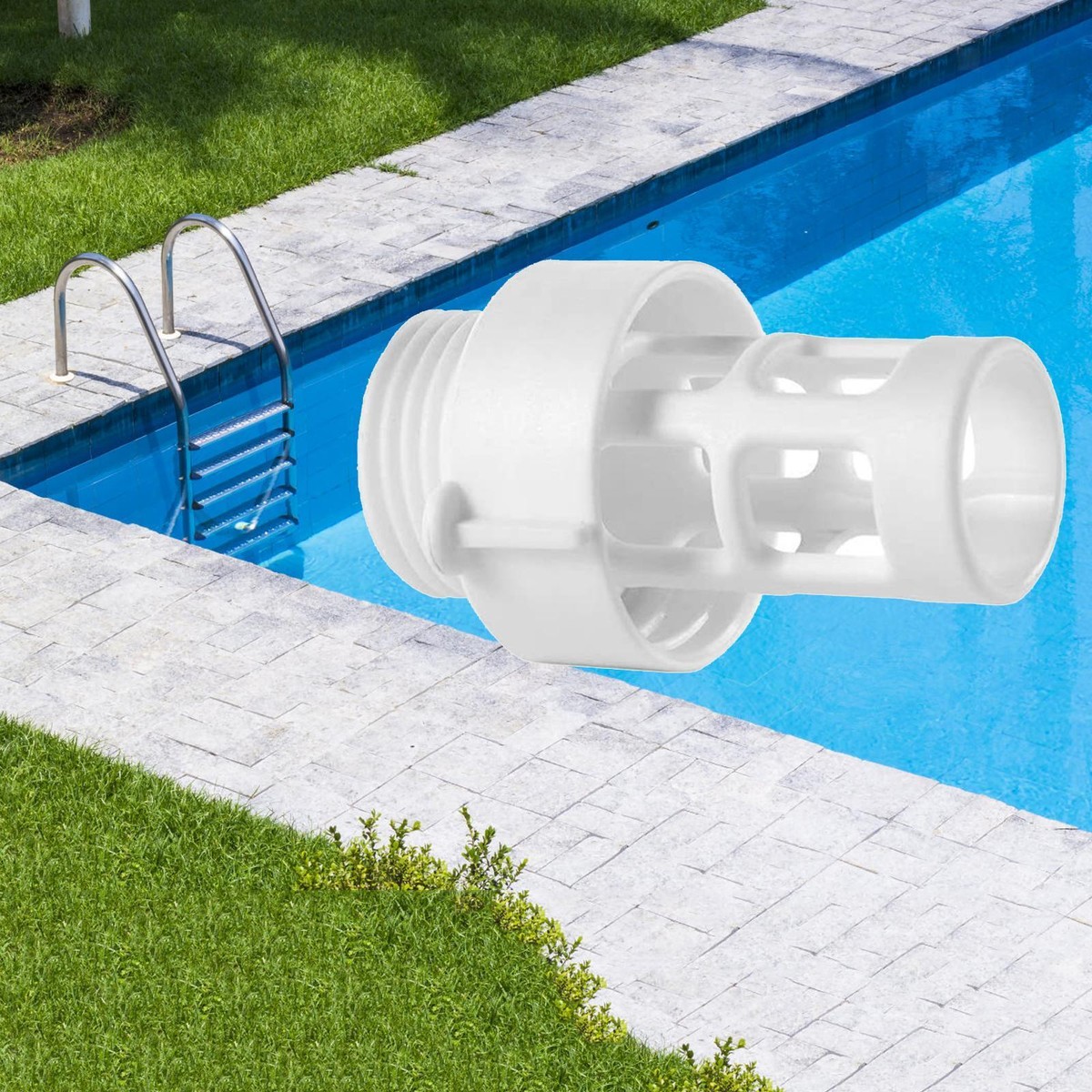
First, locate the pool drain. It is usually at the bottom. Attach one end of the hose to the drain.
Ensure the connection is tight. This prevents leaks and maintains strong water flow.
Positioning Hose For Optimal Flow
Position the hose so it slopes downward. This helps water flow smoothly out of the pool.
Make sure the end of the hose is lower than the pool’s water level. This ensures gravity assists the drainage process.
Ensuring Hose Is Clear Of Kinks
Check the entire length of the hose for kinks. Kinks can block water flow and slow draining.
- Straighten any bends
- Unroll the hose fully
- Ensure a smooth path for water
Starting The Drain Process
Draining a swimming pool with a garden hose is a simple task. It helps to remove water safely and efficiently.
Before you begin, make sure you have a long garden hose and a place to drain the water.
Creating A Siphon Effect
Creating a siphon effect starts the water flow without a pump. It uses gravity to pull water through the hose.
To create the siphon, submerge the hose fully in the pool to fill it with water. Then cover one end tightly.
- Submerge the entire hose in the pool water.
- Cover one end with your hand to keep water inside.
- Quickly move that end outside the pool, lower than the pool water level.
- Release your hand to start the water flow.
Monitoring Water Flow
Watch the water flowing through the hose to ensure it drains properly. The flow should be steady and strong.
If water flow slows or stops, check for kinks or air pockets in the hose. Fix these to keep water moving.
- Look for bends that block the hose.
- Remove any air bubbles inside the hose.
- Adjust the hose if water flow weakens.
Adjusting Hose Placement
Place the hose end lower than the pool water level outside. This keeps the siphon working well.
Move the hose as needed to drain water from different pool areas. Avoid hose kinks or sharp bends.
- Keep the hose end downhill from the pool.
- Move the hose gently to drain all water.
- Check hose position often to avoid blockages.
Managing Drain Time
Draining your swimming pool with a garden hose takes time and planning. Knowing how long it will take helps you manage the process well.
In this guide, you will learn how to estimate drain duration, handle interruptions, and stay safe while draining your pool.
Estimating Drain Duration
Drain time depends on your pool size and hose flow rate. Knowing these helps you plan better.
| Pool Size (gallons) | Average Hose Flow (gallons/min) | Estimated Drain Time (hours) |
| 10,000 | 6 | 28 |
| 15,000 | 6 | 42 |
| 20,000 | 6 | 56 |
Handling Interruptions
Interruptions can slow down draining. It is important to know how to handle them safely.
- Turn off the water supply if you must stop.
- Secure the hose to avoid leaks or kinks.
- Check the hose and pool drain for blockages.
- Restart draining slowly to avoid hose bursts.
Safety Precautions During Draining
Safety is key when draining a pool with a garden hose. Follow these rules to avoid accidents.
- Wear gloves and non-slip shoes.
- Keep electrical devices away from water.
- Do not leave the hose unattended for long.
- Ensure the water drains away from your home foundation.
- Inform others about the draining process.
Finishing Up
After draining most of the water using your garden hose, you need to complete a few tasks. These steps help keep your pool clean and ready for future use.
Finishing the draining process carefully protects your pool and equipment. Follow the tips below to wrap up safely and efficiently.
Removing Remaining Water
Some water will stay in the pool after draining with a hose. Use a wet vacuum or sponge to remove this leftover water. This prevents damage and keeps the pool clean.
Make sure to check corners and steps where water can collect. Removing all water helps avoid mold and mildew growth.
Cleaning The Pool Bottom
Once the water is gone, clean the pool bottom. Use a pool brush or broom to scrub off dirt and algae. This keeps the surface smooth and ready for refilling.
Rinse the pool floor with clean water if needed. Remove all debris before storing or refilling your pool.
- Brush pool walls and floor gently
- Remove leaves and dirt by hand or with a net
- Use clean water to rinse if necessary
Storing Equipment Properly
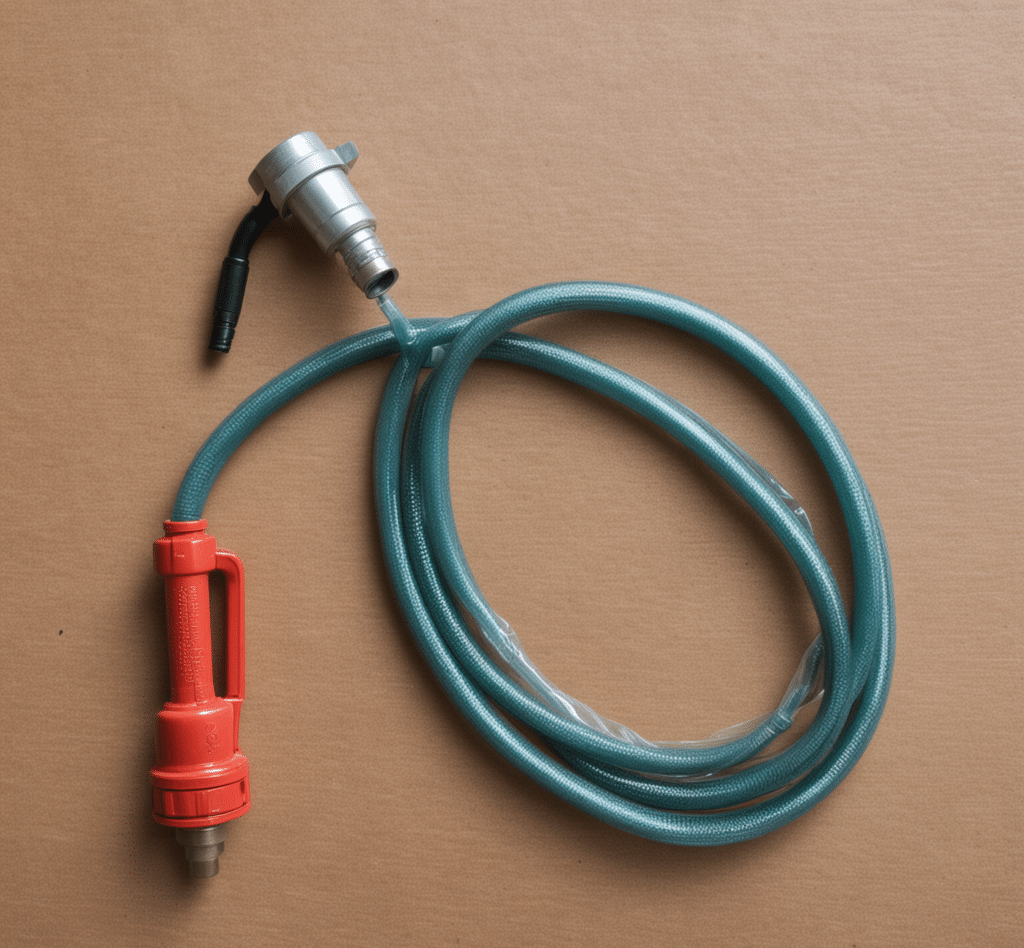
After draining and cleaning, store your garden hose and other pool tools well. Keep them in a dry place to prevent damage and wear.
Coil the hose neatly to avoid kinks. Clean brushes and vacuums before putting them away. Proper storage saves money and extends equipment life.
- Coil garden hose without sharp bends
- Dry pool brushes and vacuums completely
- Store equipment in a cool, dry area
Credit: www.vevor.ca
Credit: www.carltonpools.com
Frequently Asked Questions
How Long Does It Take To Drain A Pool With A Garden Hose?
Draining time depends on your pool size and hose flow rate. Typically, it takes several hours to a day. Larger pools require more time. Using a garden hose is slower than pumps but is cost-effective for small pools.
Can I Use A Garden Hose To Drain Any Pool Size?
Garden hoses work best for small to medium pools. Large pools take too long to drain this way. For big pools, consider a pump for efficiency and time-saving. Always check local rules before draining large volumes.
Is Draining A Pool With A Garden Hose Safe?
Yes, if done correctly, it’s safe. Ensure water flows away from your home’s foundation. Avoid draining on sidewalks or streets. Monitor the process to prevent damage to your yard or plumbing system.
What Precautions Should I Take When Draining My Pool?
Turn off pool pumps and electrical equipment first. Check local regulations on pool water disposal. Use the garden hose to siphon water gently. Avoid draining near septic tanks or storm drains to prevent contamination.
Conclusion
Draining your pool with a garden hose is simple and cost-effective. Just follow the steps carefully and stay safe. Remember to check local rules about pool water disposal. Take your time to avoid damage to your pool or yard. This method saves money and uses tools you already own.
Keep your pool clean and ready for the next swim season. Easy, practical, and effective. Give it a try and enjoy a fresh start for your pool!