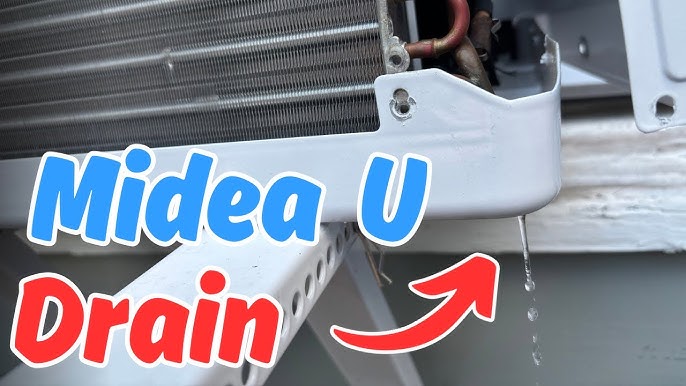
Is your window air conditioner leaking water or not cooling properly? Knowing how to drain your window air conditioner can fix these issues quickly and save you money.
When water builds up inside your unit, it can cause damage or reduce its efficiency. But don’t worry—you don’t need to be a tech expert to handle this. You’ll learn simple, step-by-step tips to drain your window air conditioner safely and easily.
Keep reading to make sure your AC runs smoothly all summer long.

Credit: northnjhvac.com
Why Drain Your Window Ac
Window air conditioners collect moisture during use. Draining this water is important for your AC and home.
Failing to drain your window AC can cause problems like leaks and poor performance.
Preventing Water Damage
Water buildup inside your window AC can leak into your walls or floor. This causes damage and mold growth.
- Draining stops water from pooling inside the unit.
- It prevents leaks that damage walls or furniture.
- Regular draining lowers the chance of mold and mildew.
- It keeps your home dry and safe.
Improving Efficiency
Water buildup makes your AC work harder. Draining helps it cool better and save energy.
| Effect of Water Buildup | Impact on AC |
| Blocked drain holes | Reduced cooling power |
| Excess water weight | More energy used |
| Mold growth | Bad air quality |
| Frozen coils | AC stops working |
Tools You’ll Need
Draining a window air conditioner is a simple task. You need the right tools to do it safely and correctly.
This guide covers the basic supplies and safety gear required for the job.
Basic Supplies
Gather these supplies before you start draining your air conditioner. They help you complete the task efficiently.
- Bucket or shallow pan to catch water
- Screwdriver set for opening panels
- Towel or cloth for spills
- Garden hose or tubing for draining
- Vacuum cleaner with hose attachment
Safety Gear
Wear safety gear to protect yourself from sharp edges and electrical parts.
| Gear | Purpose |
| Work gloves | Protect hands from cuts and dirt |
| Safety goggles | Shield eyes from dust and debris |
| Non-slip shoes | Prevent slipping on wet surfaces |
Locate The Drain Hole
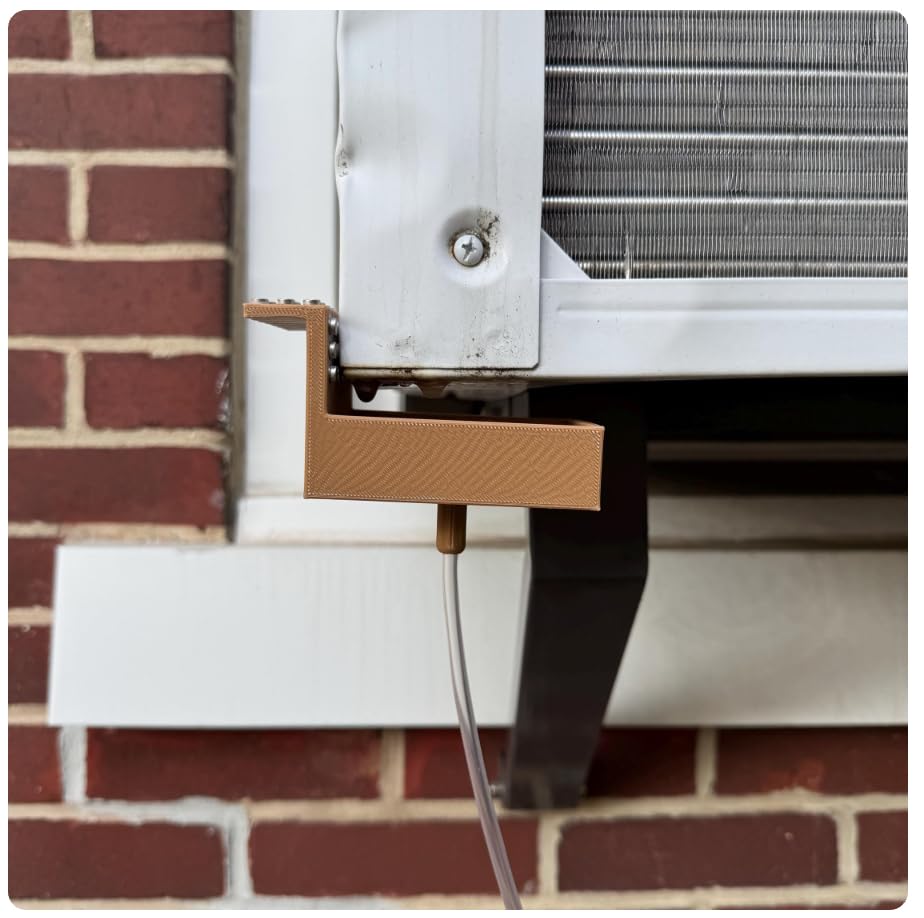
Draining your window air conditioner is important to keep it working well. The drain hole lets water flow out of the unit. Finding this hole is the first step.
This guide helps you locate the drain hole by showing where it is usually found and how to check the area around it.
Common Drain Hole Positions
The drain hole is often small and can be in different spots depending on the air conditioner model. Look for it on the back or bottom side of the unit.
- Near the bottom of the back panel
- Under the front grille or behind a small cover
- On the sides close to the base
- Sometimes under the unit if it tilts slightly
Inspecting The Drainage Area
Once you find the drain hole, check the area around it for dirt or blockages. Cleaning this space helps water flow out easily and stops leaks.
| Inspection Item | What to Look For | Action |
| Drain Hole | Clear opening without dirt | Remove debris if any |
| Drain Pan | Free of standing water | Empty if full |
| Surrounding Area | No mold or buildup | Clean gently with a cloth |
Credit: www.amazon.com
Step-by-step Draining Process
Draining your window air conditioner helps keep it running well. Removing water prevents damage and mold.
Follow these simple steps to drain the water safely and easily from your unit.
Turn Off And Unplug The Unit
First, switch off the air conditioner using the control panel or power button. Then, unplug it from the electrical outlet. This step stops electricity flow and keeps you safe during draining.
Remove The Front Panel
Open or remove the front panel of the air conditioner. This usually involves pressing tabs or unscrewing fasteners. Removing the panel gives you access to the internal parts and drain area.
- Check your model’s manual for panel removal instructions.
- Use a screwdriver if needed.
- Handle the panel gently to avoid damage.
Clear The Drain Hole
Locate the drain hole or drain pan inside the unit. It collects the condensed water. Clear any dirt, debris, or blockages around the hole. This helps water flow out smoothly.
| Common Drain Hole Problems | Solution |
|---|---|
| Clogged with dirt | Use a soft brush to clean gently |
| Blocked by mold | Wipe with a cloth and mild soap |
| Water not draining | Check for hidden obstructions |
Drain The Water Properly
Place a shallow pan or bucket under the drain hole. Let the water flow out completely. If your unit has a drain tube, direct it into the container.
- Remove the drain plug if your model has one.
- Wait until no more water comes out.
- Dry the drain area with a clean cloth.
Cleaning And Maintenance Tips
Keeping your window air conditioner clean helps it work better and last longer. Regular maintenance prevents problems and keeps the air fresh.
Draining the unit is part of good care. It stops water buildup and protects the machine from damage.
Cleaning The Filters
Filters catch dust and dirt from the air. Clean filters help your air conditioner cool well and use less energy.
Remove the filters and wash them with warm water. Let them dry completely before putting them back.
- Take out the filters carefully
- Use a soft brush to remove loose dirt
- Rinse with warm water and mild soap
- Air dry filters completely before reinstalling
Checking For Blockages
Blockages can stop water from draining properly. Check the drain hole and channels for dirt or debris.
Clear any clogs with a small brush or a pipe cleaner. Make sure the drain line is free and water flows out easily.
- Locate the drain hole or pipe
- Inspect for dirt or mold buildup
- Use a brush or pipe cleaner to clear blockages
- Test by pouring a little water to check flow
Routine Maintenance Schedule
Follow a regular schedule for cleaning and draining your air conditioner. This keeps it working well all year.
Check filters every month and clean as needed. Inspect drain and clear blockages every three months.
- Monthly: Clean filters
- Every 3 months: Check and clear drain blockages
- Every 6 months: Wipe down exterior and check seals
- Annually: Have a professional service the unit

Credit: northnjhvac.com
Troubleshooting Drainage Issues
Window air conditioners need to drain water properly. If water does not drain, it can cause problems. Learn how to fix common drainage issues.
Check the drainage system regularly. This helps prevent damage and keeps your AC working well.
Clogged Drain Hole
The drain hole can get blocked by dirt or debris. This stops water from flowing out. A clogged drain hole causes water to build up inside the unit.
Clean the drain hole with a small brush or a pipe cleaner. Make sure the hole is clear so water can exit freely.
- Turn off the air conditioner before cleaning.
- Locate the drain hole at the back or bottom.
- Use a soft brush or pipe cleaner to remove debris.
- Flush the area with a little water to check flow.
Water Leaks Inside The Room
Water leaks inside the room when the drainage system fails. This can happen if the unit is tilted the wrong way or the drain pan is damaged.
Make sure the air conditioner is installed slightly tilted outside. Check the drain pan for cracks or holes and replace if needed.
- Check the AC tilt angle; it should slope outward.
- Inspect the drain pan for damage or rust.
- Clear any blockages in the drainage channel.
- Empty the drain pan regularly to avoid overflow.
Frequently Asked Questions
How Often Should I Drain A Window Air Conditioner?
You should drain your window air conditioner at least once a month during heavy use. This prevents water buildup and ensures efficient cooling.
What Tools Do I Need To Drain A Window Ac?
To drain a window AC, you typically need a screwdriver, a drain pan, and a towel. These help you access and catch the water safely.
Can I Drain A Window Ac Without Removing It?
Yes, you can drain a window AC without removing it by locating the drain plug or hole and letting water flow out carefully.
Why Is Draining My Window Ac Important?
Draining your window AC prevents water damage, mold growth, and helps the unit run efficiently. It also extends the lifespan of the appliance.
Conclusion
Draining your window air conditioner is simple and crucial. It helps maintain efficiency and prolongs the unit’s life. Regular maintenance can prevent water leaks and mold growth. Always check your unit’s manual for specific instructions. Remember to unplug the unit before starting.
Safety first! Clean the drain hole and pan for smooth water flow. Keep your cooling system in top shape. Enjoy a comfortable and cool home environment. With these easy steps, you can ensure your air conditioner performs well. Happy cooling!