
Setting up a tent is one thing, but draping it perfectly is what transforms your space from ordinary to unforgettable. You might think draping is just about throwing fabric over poles, but it’s actually a skill that can make your tent look stunning and inviting.
Imagine stepping into a tent that feels cozy, stylish, and just right for your event or adventure. In this guide, you’ll discover simple, step-by-step tips to drape your tent like a pro. By the end, you’ll have the confidence to create a beautiful setting that impresses everyone.
Ready to learn how to drape a tent that stands out? Let’s dive in.
Choosing The Right Tent
Choosing the right tent is important for draping. It affects the look and stability.
You need to pick a tent that fits your space and style needs. The fabric and size matter too.
Types Of Tents For Draping
Tents come in many shapes and styles. Each type works well for different draping effects.
Common tent types include frame tents, pole tents, and pop-up tents. Choose based on your event.
- Frame tentshave a metal frame and no center pole. They give open space.
- Pole tentsuse center poles and ropes for support. They create a classic look.
- Pop-up tentsare easy to set up. Good for small or quick events.
Sizing And Space Considerations
Measure your event space before choosing a tent size. You want enough room to move.
Consider how many people will use the tent. Also think about furniture and decoration space.
- Small tents fit 10 to 20 people comfortably.
- Medium tents hold 30 to 50 people.
- Large tents cover 100 or more guests.
Material Compatibility
Check the tent fabric before draping. Some materials work better with certain fabrics.
Use lightweight drapes on heavy canvas tents. Heavy fabrics suit metal frame tents well.
- Polyester tents hold up well with most drapes.
- Canvas tents need breathable materials to avoid moisture.
- Nylon tents pair well with light, sheer drapes.
Selecting Draping Fabrics
Choosing the right fabric is key to draping a tent beautifully. The fabric should match the event style and weather conditions.
Consider fabric weight, durability, and how it hangs before making your choice. This guide helps you pick the best fabric.
Popular Fabric Choices
Common fabrics for tent draping include chiffon, satin, and organza. Each offers a unique look and feel to your setup.
- Chiffon:Lightweight and sheer, good for soft, flowing drapes.
- Satin:Smooth and shiny, adds elegance and richness.
- Organza:Crisp and translucent, perfect for a structured look.
- Polyester:Durable and budget-friendly, easy to clean.
Color And Texture Tips
Choose colors that match your theme or add contrast for visual interest. Texture affects how light interacts with the fabric.
| Color | Effect | Best Use |
| White | Brightens space, classic look | Weddings, formal events |
| Pastels | Soft and calm feel | Spring or garden parties |
| Bold Colors | Add energy and focus | Themed parties, festivals |
| Metallics | Gives shimmer and glam | Evening events, celebrations |
Budget-friendly Options
Fabric costs vary. Look for affordable fabrics that still look good and hold up well.
- Polyester blends are cheaper and easy to maintain.
- Use fabric rentals to save money for one-time events.
- Shop sales or discount fabric stores for deals.
- Mix expensive fabrics with budget-friendly ones for balance.
Tools And Supplies Needed
Draping a tent creates a beautiful, elegant look for any event. To do this well, you need the right tools and supplies.
This guide covers the essential tools, safety gear, and extra decorative items you may want to use.
Essential Draping Tools
These tools help you hang and secure the fabric properly. Using the right equipment makes the draping process easier and safer.
- Measuring tape to get accurate fabric lengths
- Step ladder to reach high points safely
- Clamps or clips to hold fabric in place
- Staple gun or heavy-duty pins for fastening
- Scissors or fabric cutters for trimming
- Rope or bungee cords for extra support
- Level tool to keep fabric straight
Safety Gear
Safety gear protects you while working at height and handling tools. Always wear the proper items to avoid accidents.
| Safety Item | Purpose |
| Gloves | Protect hands from sharp tools and rough fabric edges |
| Non-slip shoes | Prevent slipping on ladders or wet surfaces |
| Hard hat | Protect head from falling objects |
| Safety glasses | Shield eyes from dust and fabric fibers |
| Harness (if needed) | Prevent falls when working on tall structures |
Additional Decorative Elements
Besides fabric, extra decorations can enhance the tent’s look. Choose items that match your event style.
- String lights or fairy lights for soft illumination
- Floral garlands or wreaths to add natural beauty
- Ribbons and tassels for extra color and texture
- Sheer curtains or overlays for layered effects
- Beads or crystals for sparkle and shine
- Decorative hooks and ties to hold fabric elegantly
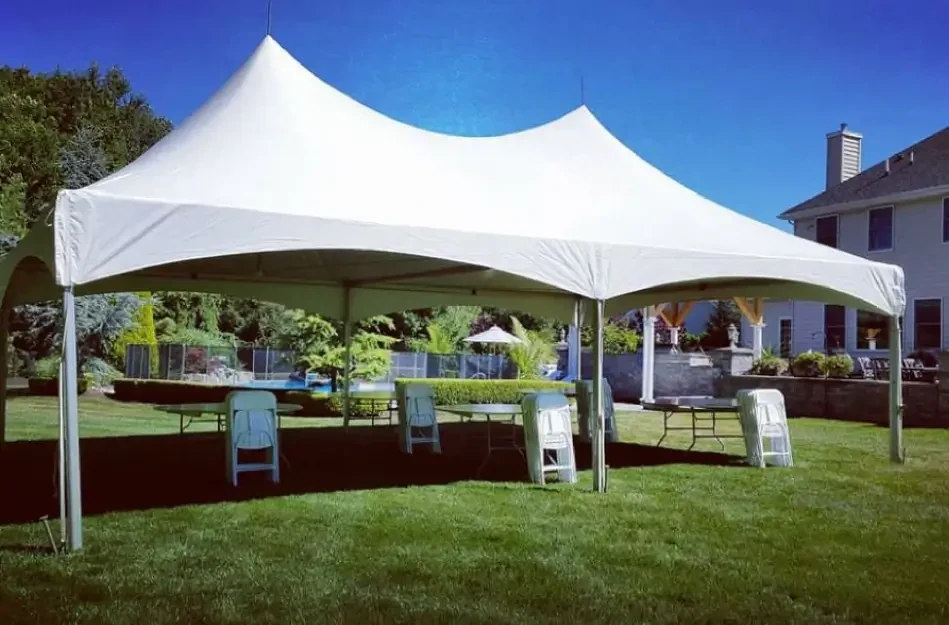
Credit: www.shelter-structures.com
Preparing The Tent Frame
Preparing the tent frame is the first step to drape a tent properly. A strong frame ensures the fabric stays tight and safe.
Take time to check and secure the frame before adding the fabric. This helps prevent problems later.
Cleaning And Inspecting
Start by cleaning the tent frame. Dirt and rust can weaken the structure and damage the fabric.
Inspect each part for cracks, bends, or loose connections. Fix or replace damaged parts before use.
- Wipe metal parts with a damp cloth
- Look for rust spots and remove them
- Check all joints and screws for tightness
- Replace any broken poles or connectors
Planning Attachment Points
Decide where to attach the fabric to the frame. Good attachment points keep the tent fabric smooth and secure.
Mark spots on the frame for hooks, ties, or clips. Even spacing helps the fabric drape evenly.
- Check frame corners and joints for strong points
- Plan for extra support at wind-exposed areas
- Use clips or ties that match the fabric type
- Allow room for tension adjustments
Securing The Structure
Make sure the tent frame stands firm before draping. A stable structure prevents accidents and fabric damage.
Use stakes, weights, or ropes to hold the frame in place. Check the ground for soft or uneven spots.
- Drive stakes deep into the ground at each leg
- Add weights if stakes cannot be used
- Tighten ropes to reduce frame movement
- Double-check all connections for firmness
Basic Draping Techniques
Draping a tent adds charm and style to any outdoor event. It creates a cozy and elegant atmosphere. You can use simple fabric techniques to dress your tent beautifully.
Learn how to gather, pleat, and arrange fabric to make soft shapes. Using tiebacks and ropes helps keep the fabric neat and secure. These techniques make your tent look inviting.
Gathering And Pleating Fabric
Gathering fabric means pulling it together to make soft folds. Pleating is folding fabric in a pattern to add texture. Both techniques help control the fabric’s flow and fullness.
- Start by holding the fabric at one end.
- Pinch the fabric every few inches to create folds.
- Pull the fabric gently to gather it evenly.
- For pleats, fold fabric in equal sections along the length.
- Secure pleats with clips or stitches if needed.
Creating Swags And Cascades
Swags are soft, curved drapes that hang between two points. Cascades are fabric sections that fall in layers or waves. Both add a flowy look to your tent.
| Type | Description | Placement |
|---|---|---|
| Swags | Fabric hung in gentle curves | Between poles or beams |
| Cascades | Fabric falling in layered folds | From the tent top to sides |
Using Tiebacks And Ropes
Tiebacks hold gathered fabric neatly in place. Ropes can add style and function by securing fabric at different heights. Choose colors that match or contrast your fabric.
- Wrap the fabric gently without crushing it.
- Tie securely but avoid tight knots that damage fabric.
- Use decorative ropes or ribbons for a polished look.
- Adjust the height of tiebacks to change fabric shape.
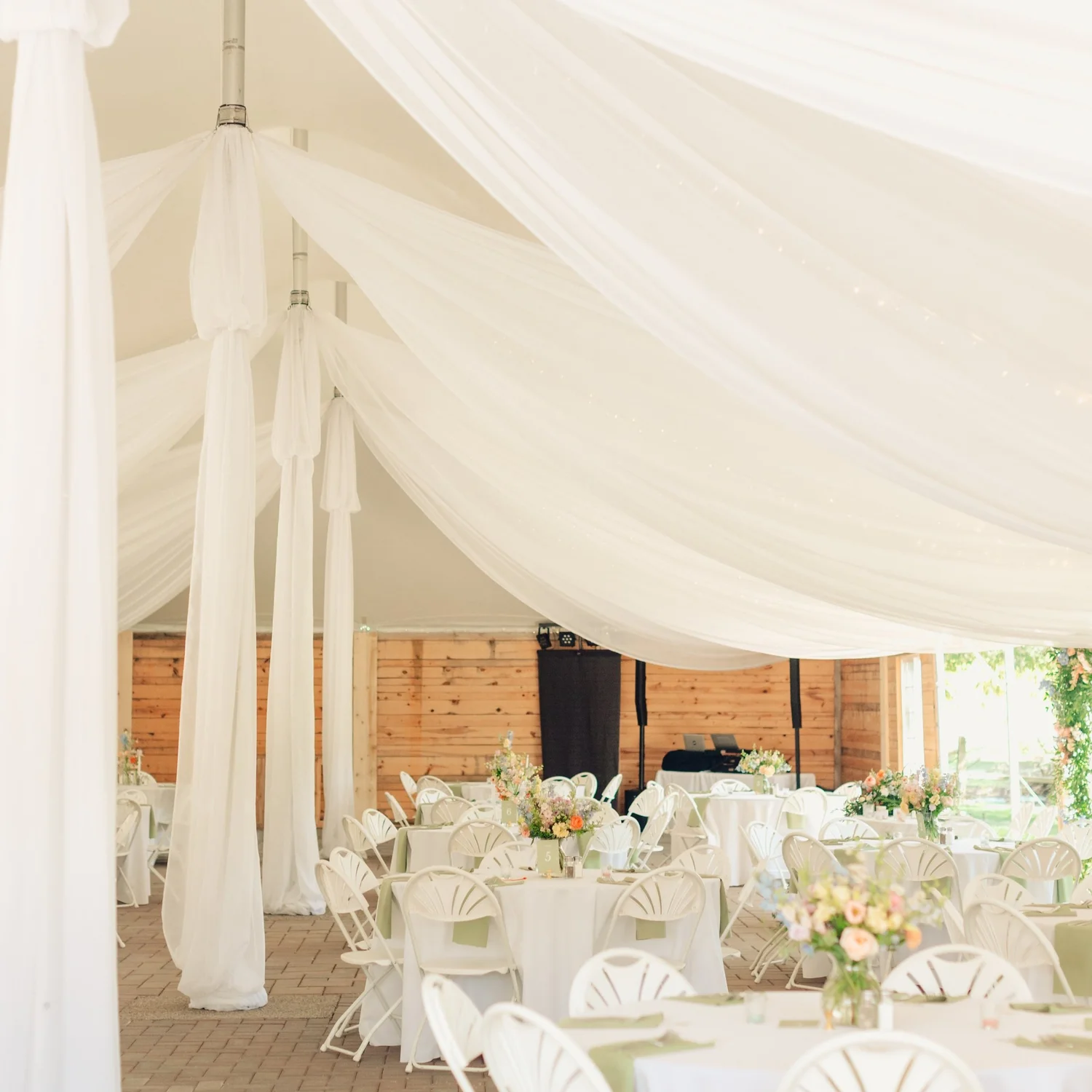
Credit: www.wevegotitcovered.net
Advanced Draping Styles
Draping a tent adds charm and elegance to any outdoor event. Advanced styles create a more inviting and stunning space. These techniques use fabric and decor in creative ways.
Learn how to combine ceiling designs, layered effects, and lighting to enhance your tent’s look. These ideas work well for weddings, parties, and special occasions.
Ceiling Draping Designs
Ceiling draping transforms the tent’s roof into a beautiful focal point. Use long fabric panels that meet at a center point or run parallel for a striped look. Soft, flowing fabric creates a cozy atmosphere.
- Start by securing fabric at the tent’s corners.
- Bring fabric panels toward the center and tie them neatly.
- Create a central chandelier or hanging decoration to highlight the center.
- Use lightweight fabric like chiffon or voile for easy handling.
- Mix colors for a layered or striped ceiling effect.
Layered Draping Effects
Layered draping adds depth and texture. Combine fabrics of different lengths and textures. Overlapping sheer and solid materials gives richness and softness to the tent walls and ceiling.
| Fabric Type | Effect | Placement |
|---|---|---|
| Chiffon | Light and airy | Ceiling or walls |
| Satin | Shiny and smooth | Accents and borders |
| Organza | Sheer and stiff | Overlapping layers |
| Velvet | Rich and heavy | Lower walls or corners |
Incorporating Lights And Florals
Lights and flowers add magic to tent draping. Soft string lights create a warm glow. Fresh or silk flowers bring color and life. Combine both for a stunning effect.
- Wrap string lights around fabric folds for subtle shine.
- Hang floral garlands from the tent poles or ceiling.
- Use battery-operated fairy lights near flower arrangements.
- Choose flowers that match your color scheme.
- Avoid heavy decorations to protect fabric drapes.
Common Draping Mistakes To Avoid
Draping a tent can make your event look great. But some mistakes can cause problems. Avoid these common errors to keep your tent safe and attractive.
Knowing what not to do saves time and effort. It also helps your tent last longer and look better.
Overloading The Frame
Putting too much fabric or heavy decorations on the tent frame can cause damage. The frame may bend or break under too much weight.
Keep the weight balanced and light. Use only the amount of fabric the frame can hold safely.
- Check the frame’s weight limit before draping
- Use lightweight fabrics and decorations
- Distribute fabric evenly on all sides
- Avoid hanging heavy objects on the frame
Ignoring Weather Conditions
Weather affects how well your tent drape holds up. Wind can blow loose fabric around and rain can make fabric heavy and saggy.
Always check the weather forecast before draping. Use extra ties or weights to keep fabric secure in windy or rainy weather.
- Secure fabric tightly to the frame
- Choose water-resistant fabrics for rain
- Add weights or stakes during windy days
- Remove or tighten loose fabric before bad weather
Poor Fabric Selection
Using the wrong fabric can cause problems. Thin fabric may tear easily. Heavy fabric may be hard to handle and can damage the frame.
Pick fabric that is strong but light. Think about the event style and weather when choosing fabric.
- Use polyester or nylon for strength and lightness
- Avoid delicate fabrics like silk outdoors
- Choose colors and textures that match the event
- Test fabric for durability before draping
Maintenance And Safety Tips
Proper care and safety help your tent drapes last longer. Follow these tips to keep fabric strong and secure.
Check your drapes often and fix any issues before they get worse. Safety is important for your event and equipment.
Securing Drapes In Wind
Strong wind can damage tent drapes or cause accidents. Use the right methods to keep the fabric in place.
- Use heavy-duty clips or ties to fasten drapes securely.
- Attach drapes to sturdy frame parts and avoid loose ends.
- Add weights or sandbags at the bottom edges of drapes.
- Check wind speed forecasts and adjust drapes as needed.
- Remove drapes if wind becomes too strong to prevent damage.
Protecting Fabric From Damage
Keep your tent fabric clean and safe from harm. Proper protection extends the life of your drapes.
| Cause | Protection Tip |
| Sunlight | Use UV-resistant sprays or covers |
| Sharp objects | Clear area around tent before setup |
| Moisture | Dry drapes fully before storage |
| Dirt and stains | Clean with mild soap and water |
| Mildew | Store in dry, ventilated space |
Post-event Cleanup
Clean your tent drapes carefully after each use. Proper cleanup keeps fabric ready for the next event.
- Remove dirt and debris with a soft brush.
- Spot clean stains with a gentle fabric cleaner.
- Allow drapes to air dry completely before packing.
- Fold drapes loosely to avoid creases.
- Store drapes in a cool, dry place away from pests.
Inspiration For Stunning Decor
Draping a tent can create a magical atmosphere for any event.
Using fabric and decorations wisely brings beauty and charm to your space.
Theme-based Draping Ideas
Choose a theme to guide your fabric and decoration choices. Themes help create a clear style.
- Rustic: Use burlap and lace for a countryside feel.
- Elegant: Choose silky fabrics and soft colors for a classy look.
- Bohemian: Mix bright patterns and loose drapes for a relaxed vibe.
- Beach: Use light, airy fabrics in blues and whites to mimic the sea.
Color Coordination Tips
Colors set the mood and style of your tent decor. Match or contrast wisely.
| Color Scheme | Effect |
| Monochrome | Creates a clean and modern look |
| Complementary Colors | Adds energy and contrast |
| Analogous Colors | Gives a soft, harmonious feel |
| Neutral Tones | Offers a calm and elegant atmosphere |
Creative Use Of Accessories
Accessories can enhance your draping and add unique touches to the tent.
Try these ideas to decorate your tent:
- Hang fairy lights or lanterns to add soft lighting.
- Use floral garlands or greenery to bring nature inside.
- Add ribbons or tassels for extra texture and color.
- Incorporate decorative ropes or beads along the fabric edges.
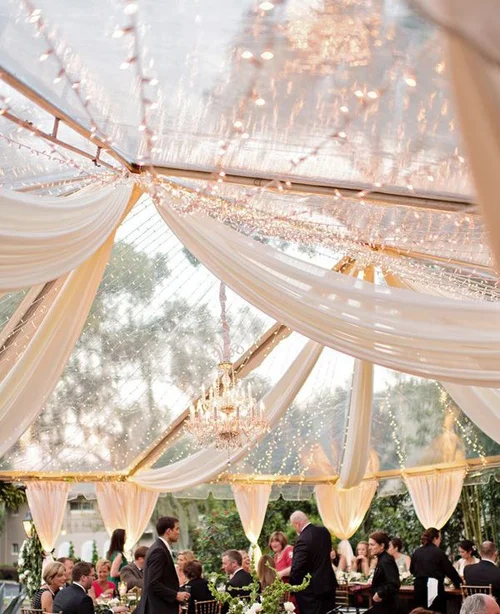
Credit: www.boxkevents.com
Frequently Asked Questions
How Do You Start Draping A Tent?
Begin by selecting a suitable location with flat ground. Secure the tent’s corners with stakes. Attach the tent’s frame or poles according to the instructions. Ensure the fabric is taut to avoid sagging. This will provide stability and protect against weather conditions.
What Materials Are Best For Tent Draping?
Lightweight, durable materials like polyester or nylon are ideal for tent draping. These materials are water-resistant and easy to handle. They provide excellent protection against wind and rain. Additionally, they are available in various colors to match your event theme or personal preference.
How Can I Ensure Tent Stability?
Ensure tent stability by using sturdy stakes or weights. Properly anchor the tent corners and secure all ties. Check that all poles are firmly in place. Regularly inspect tension on the fabric to prevent sagging. This will help your tent withstand different weather conditions.
Can I Drape A Tent On Uneven Ground?
Yes, but it requires extra care. Use adjustable poles and secure the tent well. Level the ground as much as possible. Use additional stakes or weights to ensure stability. This approach will help maintain the tent’s structure and prevent potential issues.
Conclusion
Draping a tent can seem hard at first. Practice helps you get better and faster. Choose the right fabric and tools for best results. Keep the tent tight and neat for strong support. Small steps make a big difference in your setup.
Enjoy the process and stay patient. Soon, draping a tent will feel easy and natural. Try different styles to find what works best for you. This skill makes your camping safer and more comfortable. Keep learning and have fun outdoors!