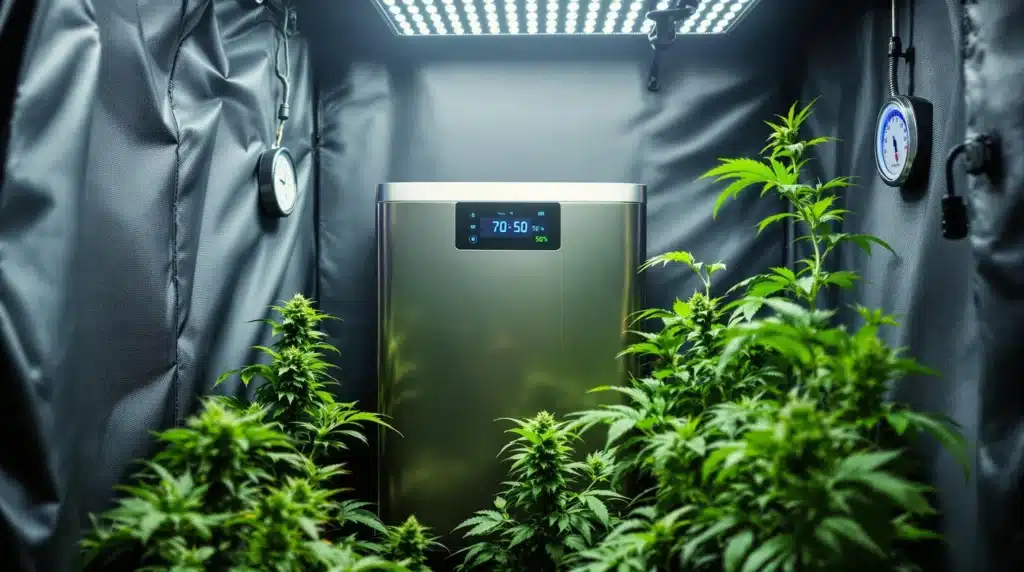
Is your grow tent feeling too damp? High humidity can harm your plants, causing mold, slow growth, and pests.
But don’t worry—you have the power to fix this. You’ll discover simple and effective ways to drop humidity in your grow tent. By making a few smart changes, you can create the perfect environment for your plants to thrive. Keep reading to learn how to protect your plants and boost your harvest!

Credit: www.reddit.com
Causes Of High Humidity
High humidity in a grow tent can cause many problems for plants. It can slow growth and lead to mold. Understanding what causes high humidity helps keep your tent dry.
Several factors add moisture to the air inside the tent. Some come from how you care for plants. Others come from the environment or the tent setup.
Watering Practices
Overwatering adds excess moisture to the air. Water that sits on soil or trays evaporates and raises humidity. Watering late in the day can keep moisture inside overnight.
Proper watering helps control humidity. Use only the amount plants need. Avoid water pooling on the floor or trays inside the tent.
- Water plants early in the day
- Use pots with good drainage
- Remove excess water quickly
Poor Ventilation
Poor airflow traps moist air inside the tent. Without fresh air, humidity builds up quickly. Small or blocked vents reduce air exchange.
Good ventilation moves humid air out and brings dry air in. Fans and exhaust systems help keep air fresh and dry inside the tent.
- Use intake and exhaust fans
- Keep vents open and clear
- Check airflow regularly
Plant Transpiration
Plants release water vapor through their leaves. This process is called transpiration. When many plants are in a small space, they add lots of moisture to the air.
Transpiration increases with heat and light. Managing plant size and spacing helps reduce the total moisture released inside the tent.
- Keep plants spaced well apart
- Control temperature to slow transpiration
- Prune plants to reduce leaf area
External Environment
The outside air affects humidity inside the tent. If the surrounding room is humid, the tent will also have high moisture. Weather and season also change humidity levels.
Using a dehumidifier or air conditioner in the grow room can lower the outside humidity. Sealing the tent well stops moist air from entering.
- Monitor room humidity levels
- Use dehumidifiers if needed
- Seal tent seams and openings

Credit: www.reddit.com
Effects Of Excess Humidity
High humidity in a grow tent can cause many problems for your plants. Too much moisture in the air creates an environment where issues grow fast.
Understanding these effects helps you keep your grow tent healthy. Here are the main problems caused by excess humidity.
Mold And Mildew Growth
Excess humidity creates damp conditions perfect for mold and mildew. These fungi spread quickly and harm your plants.
- Mold can rot plant leaves and stems.
- Mildew creates white powdery spots on leaves.
- Both reduce plant growth and yield.
- They can spread to other plants easily.
Pest Infestations
High humidity encourages pests like spider mites and fungus gnats. These pests damage plants and spread diseases.
| Pest Type | Signs | Damage |
| Spider Mites | Small webs, tiny spots | Leaf discoloration, leaf drop |
| Fungus Gnats | Flying insects, larvae in soil | Root damage, poor growth |
| Aphids | Sticky residue, curled leaves | Weak plants, disease spread |
Plant Health Issues
Too much humidity causes many plant health problems. Plants may stop growing well or show signs of stress.
Common plant health issues due to excess humidity include:
- Yellowing leaves from root oxygen loss
- Wilting caused by poor water uptake
- Slow growth and weak stems
- Increased risk of nutrient deficiencies
Ventilation Solutions
High humidity in a grow tent can harm plants. Ventilation helps control moisture levels. Proper airflow reduces humidity and keeps plants healthy.
Using fans and managing air intake are key ways to lower humidity. These ventilation solutions improve air exchange and prevent mold growth.
Using Exhaust Fans
Exhaust fans pull moist air out of the grow tent. They help remove humidity and bring fresh air inside. Place fans near the top since warm, moist air rises.
Choose a fan strong enough for your tent size. Run it continuously or with a timer for best results.
- Install near the tent’s highest point
- Use fans rated for your tent’s volume
- Keep fan filters clean for better airflow
- Combine with a carbon filter to control odor
Intake Air Management
Fresh air needs to enter the tent to replace humid air. Control intake vents to regulate the amount of air coming in. Keep the intake lower than the exhaust fan.
Use passive intake vents or intake fans. Make sure intake air is clean and dry to avoid adding humidity.
- Place intake vents near the bottom
- Use adjustable vents to control airflow
- Filter intake air if possible
- Match intake size to exhaust fan capacity
Oscillating Fans
Oscillating fans move air around inside the tent. This prevents pockets of humid air from building up. Good air circulation helps plants dry faster.
Place oscillating fans to cover all plant areas. Avoid blowing directly on plants to stop stress or damage.
- Use small oscillating fans at plant level
- Keep fans moving to avoid still air spots
- Adjust speed for gentle airflow
- Combine with exhaust and intake systems

Credit: www.reddit.com
Dehumidifier Options
Keeping humidity low in a grow tent helps plants stay healthy. High humidity can cause mold and pests.
Using a dehumidifier is one way to control moisture inside your grow tent. There are different types to choose from.
Portable Dehumidifiers
Portable dehumidifiers are small machines that remove moisture from the air. They are easy to move and use inside grow tents.
These devices work well in tents of various sizes. They collect water in a tank or drain it away automatically.
- Plug and play devices
- Adjustable humidity settings
- Quiet operation for indoor use
- Require electricity to run
Desiccant Packs
Desiccant packs absorb moisture using dry materials like silica gel. They are small and do not need power.
These packs work best in small grow tents or areas with low humidity. You must replace or recharge them often.
- Simple and cheap option
- No electricity needed
- Limited moisture capacity
- Must be replaced regularly
Diy Dehumidifiers
You can make a simple dehumidifier using household items. These may include salt, rice, or charcoal.
DIY options work for small areas but need frequent maintenance. They are good for tight budgets.
- Use moisture-absorbing materials
- Place containers inside the tent
- Empty and refresh materials regularly
- Low cost but less effective
Watering Techniques
Managing humidity in a grow tent is crucial for plant health. Proper watering techniques help control humidity levels effectively.
Adjusting how and when you water your plants can make a big difference. Let’s explore some helpful techniques.
Adjusting Frequency
Watering frequency affects humidity in your grow tent. Water less often to reduce excess moisture.
Observe your plants to determine the right schedule. Let the soil dry out a bit between waterings.
- Check soil dryness before watering again
- Consider plant size and type
- Adjust based on climate conditions
Drainage Improvement
Good drainage helps control humidity levels. It prevents water from pooling at the base of your plants.
Ensure pots have enough drainage holes. Consider using a well-draining soil mix.
- Add perlite to improve soil drainage
- Use pots with multiple holes
- Elevate pots to allow airflow underneath
Avoiding Overwatering
Overwatering is a common mistake that increases humidity. Too much water can harm plants and create a humid environment.
Water only when necessary. Use your finger to check if the topsoil is dry.
- Monitor plant leaves for wilting signs
- Use a moisture meter for accuracy
- Adjust watering based on plant needs
Temperature Control
Controlling temperature helps lower humidity in your grow tent. Warm air holds more moisture than cool air.
Keeping the right temperature balance reduces excess moisture and keeps plants healthy.
Optimal Temperature Ranges
Maintain temperatures between 70°F and 85°F during the day. At night, keep it cooler but not below 60°F.
Temperatures too high or too low can increase humidity or harm plants.
- Daytime: 70°F to 85°F (21°C to 29°C)
- Nighttime: 60°F to 70°F (16°C to 21°C)
Heating And Cooling Devices
Use heaters to raise temperature and reduce moisture in cold tents. Choose small, safe models made for grow tents.
Cooling devices like fans and air conditioners lower temperature and humidity. Fans move air to stop moisture buildup.
- Heaters keep tent warm and dry
- Fans improve air circulation
- Air conditioners cool and reduce humidity
- Dehumidifiers remove excess moisture
Monitoring Humidity Levels
Keeping the right humidity in your grow tent helps plants grow well. Too much moisture can cause problems like mold and slow growth.
To control humidity, you first need to measure it carefully. This helps you know when to add or reduce moisture.
Hygrometer Use
A hygrometer shows the humidity level inside your grow tent. You can buy digital or analog types.
- Place the hygrometer at plant level for accurate readings.
- Check the readings daily to track changes.
- Calibrate your device regularly to keep it accurate.
- Use multiple hygrometers if your tent is large.
Smart Sensors
Smart sensors connect to apps and send real-time humidity data to your phone. These sensors help you react quickly to changes.
| Feature | Benefit |
| Remote Monitoring | Check humidity anywhere |
| Alerts | Get warnings if levels are too high or low |
| Data Logging | Track humidity trends over time |
| Integration | Works with other smart devices |
Additional Tips
Managing humidity in your grow tent is important for healthy plants. Low humidity helps prevent mold and pests. Here are some extra tips to keep humidity levels under control.
These simple methods can improve air quality and create a better growing environment.
Using Silica Gel
Silica gel packets absorb moisture and lower humidity inside the grow tent. Place small packets in corners or near plants to reduce dampness.
- Use food-safe silica gel if plants are edible.
- Replace packets once they become saturated.
- Do not place packets directly on soil to avoid overdrying.
- Combine with other methods for best results.
Removing Excess Water
Standing water increases humidity and risks root rot. Remove excess water from trays and pots regularly.
| Common Water Sources | Action to Take |
| Drain trays | Empty daily |
| Overwatered soil | Let dry before watering again |
| Leaky pipes or containers | Fix leaks promptly |
| Condensation on tent walls | Wipe down frequently |
Regular Maintenance
Keeping your grow tent clean and checked helps keep humidity low. Perform routine tasks to avoid moisture buildup.
- Check and clean air filters weekly.
- Inspect ventilation fans for proper airflow.
- Remove dead leaves and plant debris.
- Monitor humidity levels with a hygrometer.
- Replace old or damaged equipment as needed.
Frequently Asked Questions
How Can I Reduce Humidity In My Grow Tent Effectively?
Use a dehumidifier to remove excess moisture. Improve ventilation with fans and vents. Avoid overwatering plants to keep humidity low.
What Role Does Ventilation Play In Humidity Control?
Ventilation circulates air and removes moist air from the tent. It helps maintain consistent humidity levels and prevents mold growth.
Can Overwatering Increase Humidity Inside A Grow Tent?
Yes, overwatering raises humidity as excess water evaporates. Water plants only when necessary to avoid humid conditions.
Are Dehumidifiers Necessary For Controlling Grow Tent Humidity?
Dehumidifiers are highly effective for reducing humidity quickly. They ensure optimal moisture levels, promoting healthy plant growth.
Conclusion
Controlling humidity in your grow tent helps plants stay healthy. Use fans and dehumidifiers to lower moisture levels. Keep the tent clean and check for leaks often. Proper ventilation also helps air move and reduces dampness. Watch humidity daily to avoid problems like mold or pests.
Small steps make a big difference in your garden’s success. Keep learning and adjusting for the best plant growth. Your efforts will lead to stronger, happier plants. Simple care brings great results.