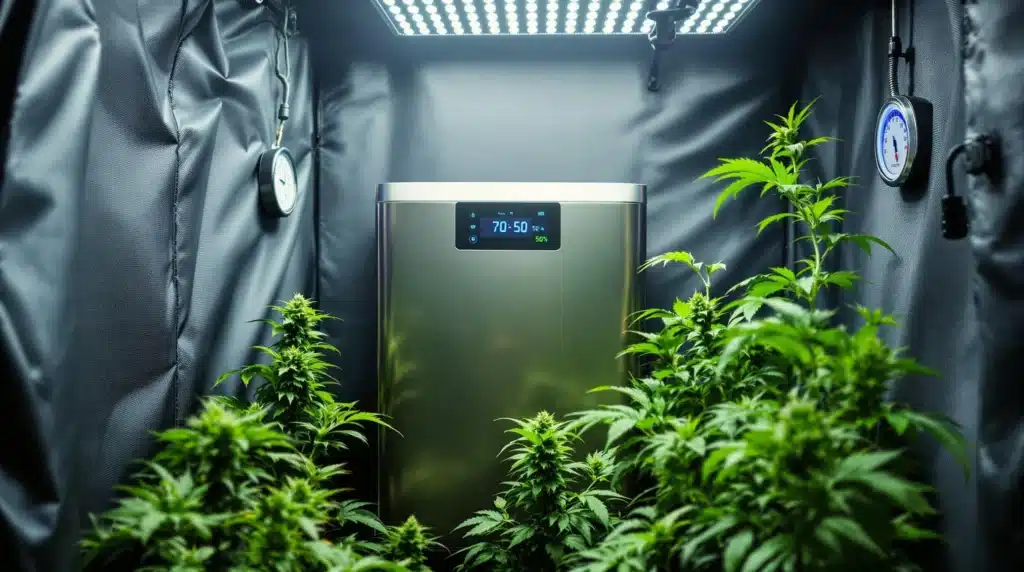
Is your grow tent feeling too damp? High humidity can harm your plants, causing mold, slow growth, and other problems you don’t want.
But don’t worry—you can take control of your tent’s environment. You’ll learn simple and effective ways to drop humidity fast. Whether you’re a beginner or have some experience, these tips will help your plants thrive. Keep reading to discover how to create the perfect balance for healthier, happier plants.
Causes Of High Humidity
High humidity in a grow tent can hurt plant growth. It creates a wet environment that helps mold and pests grow. Understanding what causes high humidity helps to keep it under control.
Several factors inside and outside the grow tent can raise humidity. Knowing these causes is the first step to lowering moisture levels.
Watering Practices
Watering too much or too often adds extra moisture to the air. Wet soil and standing water increase humidity inside the tent.
- Overwatering plants
- Allowing water to pool in trays
- Watering late in the day
- Using large amounts of water at once
Plant Transpiration
Plants release water vapor through their leaves. This natural process is called transpiration. When many plants transpire at once, humidity rises inside the tent.
Ventilation Issues
Poor air movement traps moist air inside the grow tent. Without fresh air, humidity builds up quickly. Blocked vents or weak fans cause this problem.
| Ventilation Problem | Effect on Humidity |
| Blocked intake vents | Reduces fresh air, raises moisture |
| Weak exhaust fan | Fails to remove humid air |
| Closed vents | Traps humid air inside tent |
External Environmental Factors
Humidity outside the grow tent also affects inside levels. Wet weather, high outdoor humidity, and poor room conditions add moisture to the tent air.
- Rainy or foggy weather
- High humidity in the grow room
- Nearby water sources like ponds or humidifiers
- Temperature differences causing condensation
Ideal Humidity Levels
Humidity control is important in a grow tent. It helps plants grow strong and healthy. Too much humidity can cause mold and pests.
Each growth stage needs different humidity levels. Keep the right humidity to get the best results from your plants.
Seedling Stage
Seedlings like high humidity. It helps them absorb water and nutrients easily. Keep humidity between 65% and 70% for best growth.
High humidity prevents seedlings from drying out. Use a humidity dome or mist the plants regularly to keep moisture up.
Vegetative Stage
During the vegetative stage, lower humidity to 40%–60%. This level helps plants grow strong stems and leaves. It also reduces mold risk.
Good air circulation helps control humidity here. Use fans and ventilation to keep fresh air moving inside the tent.
Flowering Stage
Lower humidity more during flowering to 40%–50%. This prevents bud rot and mold. Dry air helps flowers develop well.
Watch humidity closely in this stage. Use dehumidifiers if needed. Proper humidity keeps flowers healthy and improves yield.
Ventilation Techniques
Controlling humidity in a grow tent is important for plant health. Good ventilation helps keep moisture levels low.
Using air movement tools stops damp air from building up inside the tent. This keeps plants safe from mold and mildew.
Using Exhaust Fans
Exhaust fans pull moist air out of the grow tent. This lowers humidity and brings fresh air inside.
Place the exhaust fan near the top of the tent because warm, humid air rises. Run the fan often for best results.
- Removes excess humidity quickly
- Prevents heat buildup
- Keeps air fresh for plants
Intake Vents
Intake vents bring fresh, dry air into the grow tent. This air replaces the moist air pushed out by the exhaust fan.
Keep intake vents open and clear for good airflow. Use filters to stop dust and pests from entering.
- Allows cool, dry air inside
- Works with exhaust fans for balance
- Reduces humidity buildup
Oscillating Fans
Oscillating fans move air around inside the grow tent. This stops pockets of humid air from forming.
Set these fans to gently blow across plant leaves. This helps dry moisture and improves air circulation.
- Circulates air evenly
- Prevents mold on leaves
- Keeps plants strong and healthy

Credit: www.reddit.com
Dehumidifiers For Grow Tents
Keeping the right humidity level in a grow tent helps plants grow strong. Too much humidity can cause mold and pests. Using a dehumidifier is a good way to lower humidity.
Dehumidifiers remove extra moisture from the air. They keep the tent environment healthy for plants. Choosing the right dehumidifier and placing it well is important.
Choosing The Right Size
Pick a dehumidifier that fits your grow tent size. Small tents need smaller units. Large tents need bigger units to work well.
Check the unit’s capacity. It shows how much water it can remove per day. Match this to your tent’s size and humidity level.
- Small tents (up to 20 sq ft): 10-20 pints/day
- Medium tents (20-50 sq ft): 20-30 pints/day
- Large tents (over 50 sq ft): 30+ pints/day
Placement Tips
Place the dehumidifier where air flows freely. Avoid blocking vents or plants. Good airflow helps the unit remove moisture well.
Keep the dehumidifier off the floor. Use a stand or shelf if possible. This helps protect the unit from water and dirt.
- Near the tent’s air intake or exhaust
- Away from direct plant spray or water
- Clear space around the unit for airflow
Maintenance
Clean the dehumidifier regularly. Remove dust from filters and coils. This keeps the unit working well and lasting longer.
Empty the water tank often. If your unit drains automatically, check the hose for blockages. Follow the manufacturer’s instructions for care.
- Clean or replace filters monthly
- Wipe water tank to prevent mold
- Check hoses and connections for leaks
Watering Tips To Reduce Humidity
High humidity in a grow tent can cause mold and plant problems. Watering habits play a big role in controlling humidity.
Adjusting how and when you water helps keep humidity at a healthy level for your plants.
Timing And Frequency
Water your plants early in the day. This gives water time to evaporate before lights go off.
Avoid watering too often. Overwatering adds extra moisture to the air and soil.
- Check soil moisture before watering
- Water only when soil feels dry 1-2 inches down
- Use less water if humidity is high
- Water in the morning for faster drying
Drainage Management
Good drainage helps remove excess water. Standing water raises humidity inside the tent.
Use pots with holes and trays that do not hold water. Empty trays regularly to stop water buildup.
- Choose pots with drainage holes
- Use well-draining soil mix
- Empty water trays after watering
- Elevate pots to improve air flow
Temperature Control
Controlling temperature is key to lowering humidity in a grow tent. Warm air holds more moisture, so managing heat helps reduce humidity.
Using the right temperature settings keeps plants healthy and prevents mold. Let’s look at heat sources and cooling methods.
Heat Sources
Heat inside the grow tent raises humidity. Lights, heaters, and other equipment add heat. Watching these sources helps control moisture levels.
LED lights produce less heat than HPS or MH bulbs. Using cooler lights lowers the tent temperature and humidity. Avoid extra heaters unless needed.
- Use LED grow lights to reduce heat
- Turn off lights during dark periods
- Keep heaters off or at low settings
- Seal any heat leaks from equipment
Cooling Methods
Cooling the grow tent lowers humidity by reducing air temperature. Fans and ventilation move warm air out and bring fresh air in.
Air conditioners or evaporative coolers can also help. Make sure to control airflow and avoid too much moisture from outside air.
- Use exhaust fans to remove warm air
- Install intake fans for fresh air
- Consider portable air conditioners
- Use a dehumidifier if needed
- Keep grow tent vents open for airflow
Humidity Monitoring Tools
Keeping the right humidity level in your grow tent is important for healthy plants. Monitoring tools help you check and control humidity easily.
These tools show you the current humidity and alert you to changes. This helps you take action before problems start.
Hygrometers
Hygrometers measure the amount of moisture in the air inside your grow tent. They are simple and easy to use.
You can find digital or analog hygrometers. Digital ones give fast and clear readings. Analog ones use a needle to show humidity.
- Place hygrometers at plant level for accurate readings
- Check readings regularly to avoid high humidity
- Use multiple hygrometers in large grow tents for better tracking
Smart Sensors
Smart sensors connect to your phone or computer to monitor humidity. They send real-time updates and alerts.
These sensors can link with other devices like fans or dehumidifiers. This helps keep humidity stable without constant checking.
- Get humidity data remotely from your phone
- Set alerts to warn about high or low humidity
- Automate fans or dehumidifiers with some smart sensors

Credit: www.reddit.com
Additional Humidity Control Tips
Keeping humidity low in your grow tent helps plants stay healthy. Too much moisture can cause mold and pests.
Here are extra tips to control humidity better and protect your plants.
Using Moisture Absorbers
Moisture absorbers reduce excess water vapor in the air. They help keep your grow tent dry and safe.
You can use silica gel packs, activated charcoal, or calcium chloride crystals. Place them in corners or near plants.
- Silica gel packs absorb moisture and are reusable.
- Activated charcoal controls odors and moisture.
- Calcium chloride crystals attract water and need replacing often.
Managing Plant Density
Plant density affects air flow and humidity. Crowded plants trap moisture and raise humidity levels.
Space plants to allow air to move freely. This lowers humidity and helps prevent mold growth.
- Keep enough distance between plants.
- Remove dead leaves and debris regularly.
- Prune plants to improve air circulation.

Credit: www.reddit.com
Frequently Asked Questions
How Can I Reduce Humidity Inside A Grow Tent?
Use a dehumidifier or increase ventilation to lower humidity. Open tent vents and add fans to improve airflow. Control watering frequency and avoid overwatering plants. These steps help maintain optimal humidity for healthy plant growth.
What’s The Best Way To Control Humidity In Grow Tents?
The best way is combining ventilation, dehumidifiers, and proper watering. Ventilation removes moist air, while dehumidifiers extract excess moisture. Water plants carefully to avoid excess humidity. This integrated approach keeps humidity levels stable and ideal.
Can Air Circulation Affect Grow Tent Humidity?
Yes, good air circulation helps lower humidity by moving moist air out. Use oscillating fans to circulate air inside the tent. Proper airflow prevents stagnant moist air, reducing mold risks and keeping humidity balanced.
How Does Temperature Impact Humidity In Grow Tents?
Higher temperatures increase humidity levels as warm air holds more moisture. Lowering temperature slightly can reduce humidity. Use heaters or cooling systems to maintain an optimal temperature for humidity control.
Conclusion
Controlling humidity helps plants grow strong and healthy. Use fans and vents to move air well. A dehumidifier can lower moisture quickly. Watch your tent daily to keep levels right. Too much humidity can cause mold and pests. Keep your grow tent dry for best results.
Small changes make a big difference in your garden. Stay consistent and your plants will thank you.