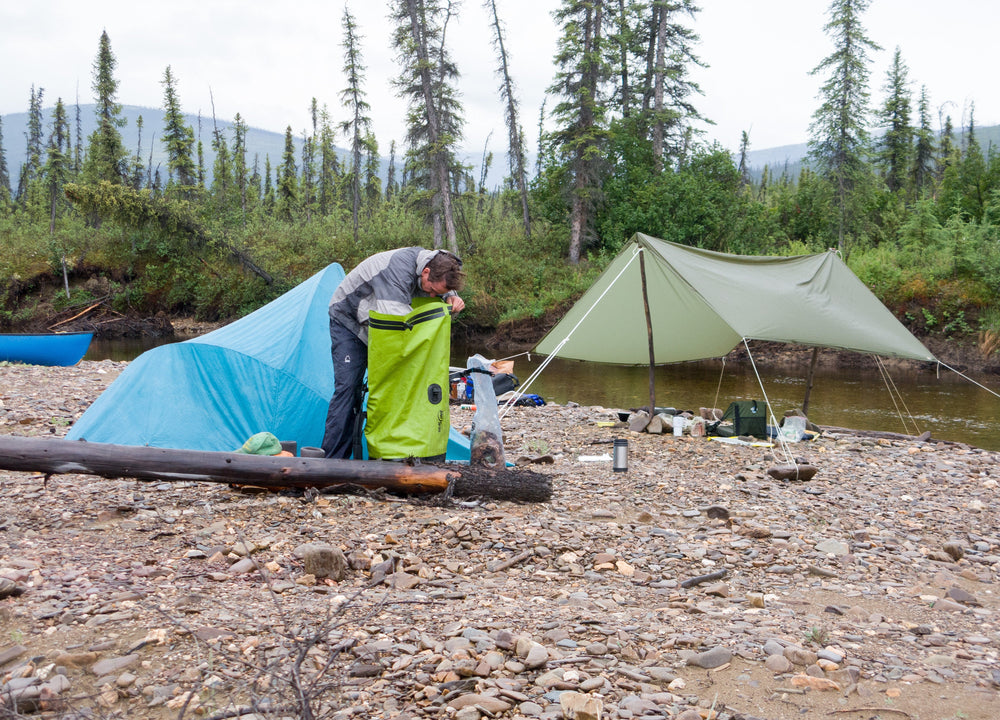
You’ve just spent an amazing night camping, but now your tent is soaked and heavy. Leaving it wet can cause mold, bad smells, and damage that ruins your gear.
You might be wondering, how do you dry a tent quickly and safely? This guide will walk you through simple, effective steps to get your tent dry and ready for your next adventure. Keep reading, because drying your tent the right way saves you time, money, and frustration.

Credit: www.popularmechanics.com
Choose The Right Spot
Drying your tent properly helps keep it in good shape. Picking the right place makes drying faster and easier.
Look for a spot that protects your tent and lets air flow well. This keeps your tent dry without damage.
Find Shade Over Direct Sun
Place your tent in the shade to avoid direct sunlight. Too much sun can weaken the tent fabric and fade colors.
- Choose areas under trees or large bushes
- Avoid spots with strong sun all day
- Shade keeps the tent cooler while drying
Pick A Well-ventilated Area
Good airflow helps dry your tent quickly and stops mold from growing. Find a place with a steady breeze.
| Ventilation Factor | Why It Helps |
|---|---|
| Open space | Allows air to move freely around the tent |
| Elevated ground | Prevents moisture from wet soil |
| Avoiding enclosed spots | Reduces dampness and mildew risk |
Shake Off Excess Water
After camping, your tent may be damp. It’s important to dry it properly. This prevents mold and keeps your tent in good shape.
One of the first steps is to remove as much water as possible. This guide will help you manage excess water easily.
Gently Remove Pooled Water
Sometimes water can pool on your tent. It’s important to remove this water gently to avoid damage.
- Use a soft cloth to soak up water.
- Gently lift the tent to let water flow off.
- Avoid using sharp objects to poke drainage holes.
Avoid Rough Handling
Handling your tent roughly can lead to tears or rips. It’s crucial to manage it with care.
Consider these tips to ensure your tent remains intact:
- Do not twist or wring the tent fabric.
- Lift the tent by its supports, not by the fabric.
- Store the tent in a dry, cool place.
Use Towels Or Cloths
Drying a tent with towels or cloths helps remove moisture quickly. This method works well after camping or rain.
Using the right cloths can protect your tent fabric and prevent mold growth. Soft towels work best for gentle drying.
Blot Damp Areas
Use a clean towel to blot damp spots inside and outside the tent. Press gently to soak up water without rubbing.
- Start with the floor and corners
- Move to walls and ceiling areas
- Focus on seams and zippers
- Use multiple towels if needed
Replace Towels As Needed
Change towels once they become wet to avoid spreading moisture. Keep dry cloths ready during the drying process.
| Action | Why It Matters |
|---|---|
| Switch wet towels | Prevents water from returning to the tent |
| Use dry, absorbent cloths | Speeds up drying time |
| Store used towels separately | Keeps tent area clean |
Air Dry Techniques
Drying your tent properly keeps it clean and free from mildew. Air drying is a safe way to dry your tent after camping.
Using natural air helps the fabric stay in good condition. Below are two common air dry methods to try.
Hang Tent On A Clothesline
Find a strong clothesline or rope outside. Hang your tent so air can flow through all parts.
- Spread the tent flat or fold it lightly to avoid thick bundles.
- Clip the tent with clothespins or hang by the loops.
- Keep it away from direct sunlight to protect colors.
- Check often and turn the tent to dry evenly.
Use Tent Poles For Support
Set up the tent poles as if you were pitching the tent. This keeps the tent open and lets air pass inside.
| Tip | Reason |
| Stand the tent upright | Maximizes airflow inside |
| Keep tent doors open | Helps air circulate better |
| Use poles to stretch fabric | Prevents wet spots and folds |
| Place tent in shaded area | Protects fabric from sun damage |
Speed Up Drying
Drying your tent quickly helps prevent mold and bad smells. It also protects the fabric and stitching.
Using the right tools and environment can make the drying process faster and easier.
Use A Fan Or Air Circulator
A fan or air circulator moves air around the tent. This helps water evaporate faster from the fabric.
- Place the tent in a well-ventilated area.
- Set up a fan near the tent opening to blow air inside.
- Use an air circulator to keep air moving under and around the tent.
- Keep tent doors and windows open to let moisture escape.
Leverage Warm, Dry Air
Warm and dry air speeds up evaporation by absorbing more moisture from the tent fabric.
| Air Condition | Effect on Drying |
| Warm and Dry | Speeds up drying significantly |
| Cold and Humid | Slows down drying |
| Warm and Humid | Moderate drying speed |
If possible, dry your tent indoors near a heater or use a dehumidifier to keep the air dry.

Credit: fivestarcampers.com
Avoid Common Mistakes
Drying your tent properly helps it last longer and stay strong. Many people make simple mistakes that can harm the fabric.
Learn how to dry your tent the right way to keep it safe from damage and mold.
Don’t Dry In Direct Sun Too Long
Direct sunlight can weaken your tent’s fabric. The UV rays break down the material over time.
Only dry your tent in the sun for a short time. Find a shaded spot if possible, or dry it indoors with good air flow.
- UV rays damage waterproof coating
- Long sun exposure makes fabric brittle
- Shade helps keep tent fabric strong
Avoid Folding While Wet
Folding your tent when it is still wet traps moisture inside the fabric. This can cause mold and bad smells.
Always wait until your tent is fully dry before folding and packing it away. If you must pack it wet, try to air it out soon after.
- Wet folds hold moisture
- Moisture causes mold and mildew
- Dry tents last much longer
Storage Tips For Damp Tents
Storing a damp tent requires care to keep it in good shape. Wet tents can develop bad smells and damage over time.
Use proper methods to store your tent safely until you can dry it fully.
Temporary Storage Solutions
If you cannot dry your tent right away, choose a place that is cool and well-ventilated. Avoid tight spaces where moisture can build up.
- Hang the tent loosely on a clothesline or rod.
- Lay it flat on a clean, dry surface with good airflow.
- Use a breathable bag instead of a sealed plastic one.
- Keep it away from direct sunlight to prevent fabric damage.
Prevent Mold And Mildew
Mold and mildew grow fast on wet fabric. Use these tips to stop them from forming.
| Action | Reason |
| Air out the tent daily | Reduces moisture and blocks mold growth |
| Store in a dry place | Prevents dampness that causes mildew |
| Use moisture absorbers | Draws water from the air around the tent |
| Check the tent often | Catch mold early before it spreads |

Credit: www.familyhandyman.com
Frequently Asked Questions
How Long Does It Take To Dry A Tent Completely?
Drying a tent usually takes 2 to 6 hours depending on weather and ventilation. Sunlight speeds up drying. Airflow is essential to prevent mildew.
Can I Dry My Tent Indoors Safely?
Yes, drying a tent indoors is safe if you use a well-ventilated area. Avoid direct heat sources like radiators. Hang the tent to allow air circulation and prevent mold growth.
What’s The Best Method To Dry A Wet Tent Fast?
The best method is to hang the tent in sunlight with good airflow. Shake off excess water first. Use a fan indoors if no sun is available.
Should I Fold Or Roll My Tent When Drying?
Never fold or roll a wet tent to dry. Instead, hang it loosely to allow air circulation. Folding traps moisture, causing mildew and fabric damage.
Conclusion
Drying your tent well keeps it fresh and lasts longer. Always set it up in a sunny, breezy spot. Wipe off mud and dirt before drying. Avoid packing a wet tent to stop mold growth. Take your time and check all parts dry before storing.
Clean and dry tents make camping more fun next time. Simple steps protect your gear and save you trouble later. Keep your tent ready for your next adventure.