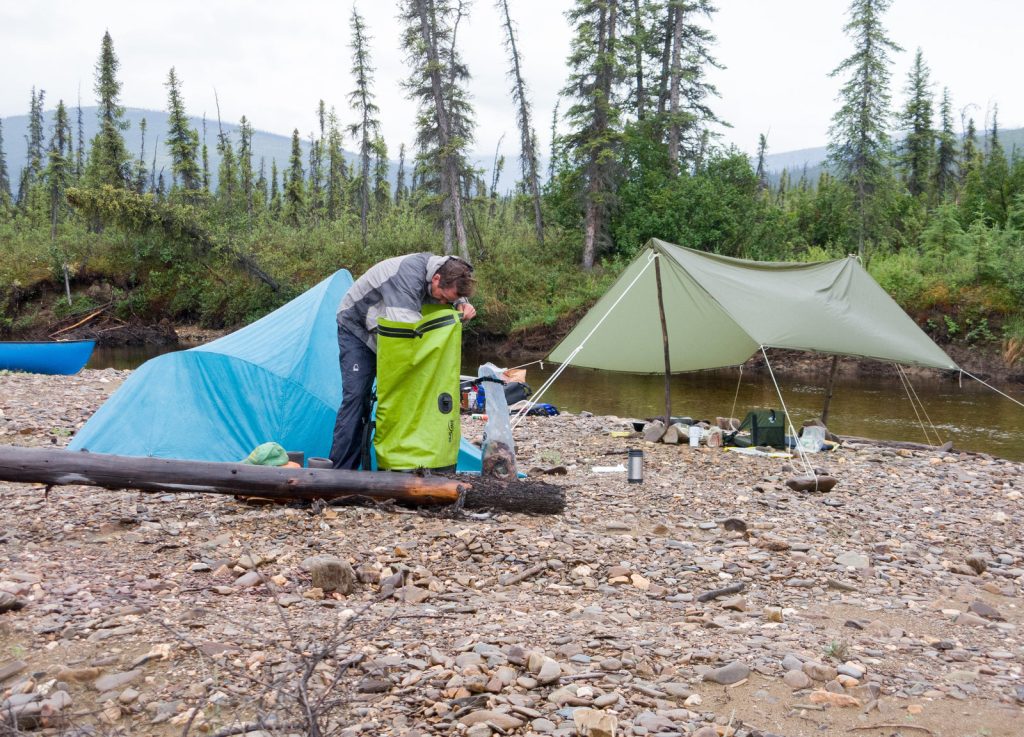
You’ve just packed up your tent after an amazing trip, but now you face a common problem: how to dry your tent properly. Leaving your tent damp can lead to mold, unpleasant smells, and damage that can ruin your next adventure.
You want your gear to last, stay fresh, and be ready whenever you need it. In this guide, you’ll discover simple, effective ways to dry your tent quickly and safely—no matter where you are. Keep reading, and you’ll never have to worry about a soggy tent again.

Credit: fivestarcampers.com
Choosing The Right Spot
Drying a tent properly keeps it fresh and extends its life. The spot you choose to dry your tent is very important. Picking the right place helps the tent dry faster and prevents damage.
Look for a spot that protects your tent from sun damage and moisture. This guide shows how to pick the best place to dry your tent.
Find A Shady Area
Direct sunlight can weaken tent fabric and fade its colors. Find a spot with good shade to dry your tent safely. Trees or a covered area work well. Shade slows drying but protects the material.
- Look for tall trees or a porch
- Avoid places with harsh, direct sun
- Choose an area with good airflow
- Keep away from hot surfaces like rocks or concrete
Avoid Damp Ground
Dry your tent on dry ground to prevent moisture from seeping in. Damp soil can slow drying and cause mold or mildew. Use a clean tarp if the ground is wet or dirty.
| Ground Type | Drying Effect |
| Dry grass | Good airflow, dries quickly |
| Wet soil | Slow drying, risk of mold |
| Concrete | Dries fast but can be hot |
| Wooden deck | Dries well, avoid splinters |
Setting Up For Drying
Drying a tent properly keeps it in good shape for future use. Setting it up well is the first step.
Start by preparing the tent carefully. This helps the drying process work better and faster.
Fully Unpack The Tent
Take out all parts of the tent from its bag. Lay the tent flat on a clean surface. Spread it out to expose all sections to air.
- Remove stakes, poles, and rainfly separately.
- Check for dirt or debris and brush it off gently.
- Open all zippers and doors for better airflow.
Secure The Tent Frame
Setting up the frame keeps the tent stretched out. This stops parts from folding and trapping moisture.
| Frame Part | Action | Reason |
|---|---|---|
| Poles | Assemble and insert them into sleeves or clips | Keep tent shape and open areas for drying |
| Guy Lines | Tighten and stake them to the ground | Prevent flapping and maintain tension |
| Rainfly | Attach loosely or remove for better airflow | Help moisture escape faster |
Drying Techniques
Drying a tent properly keeps it in good shape. Wet tents can get moldy and smelly. Here are simple ways to dry your tent.
Air Dry With Ventilation
Air drying is a natural way to dry your tent. Good ventilation speeds up the process. Set up your tent in a breezy spot.
Open all the windows and doors of the tent. This helps air move through and dry it faster.
- Choose a dry, windy day for air drying
- Keep the tent doors and windows open
- Check every few hours for damp spots
Use A Towel For Absorption
Towels help soak up extra water. After rain, use a towel to dry the inside of the tent. It removes moisture quickly.
Wipe down the tent walls and floor. This stops water from sitting and causing mold.
- Use clean, dry towels for best results
- Focus on corners and seams
- Squeeze out towels and repeat if needed
Sun-drying Tips
The sun is a great dryer. It kills bacteria and dries the tent fast. Set your tent up in direct sunlight.
Turn the tent occasionally for even drying. Don’t leave it too long to avoid fabric damage.
- Use sunny mornings for best results
- Keep an eye on the tent to avoid overheating
- Rotate the tent for uniform drying

Credit: www.reddit.com
Preventing Mold Growth
Mold can damage your tent fabric and cause bad smells. It grows when the tent is wet or damp for a long time. Keeping your tent dry stops mold from growing.
Follow simple steps to keep your tent clean and dry. This helps your tent last longer and stay safe to use.
Keep Tent Dry Before Storage
Always dry your tent completely before putting it away. Moisture inside the tent lets mold grow fast. Set up your tent in a sunny place or a dry room to dry.
Check all parts, including rainfly and floor, for dampness. Do not fold or pack your tent if it is still wet or damp.
Use Mold-resistant Sprays
Use sprays made for tents to stop mold growth. These sprays create a barrier that mold cannot pass. Apply the spray on clean and dry tent fabric.
Follow the product instructions for the best results. Avoid spraying inside tent seams or zippers to keep parts working well.
Proper Folding And Storage
Fold your tent loosely to avoid creases that trap moisture. Use a breathable storage bag instead of plastic to let air flow. Store your tent in a cool, dry place away from direct sunlight.
- Do not store tent in damp basements or garages
- Check your tent every few months for signs of mold
- Refold the tent differently each time to avoid permanent creases
Quick Drying Hacks
Drying a tent quickly is important after camping or rain. Wet tents can get smelly or damaged if left damp.
There are easy ways to speed up drying using simple tools and methods. These hacks help keep your tent fresh and ready.
Portable Fans
Portable fans blow air over the tent fabric. This speeds up the drying by moving moisture away.
Place the fan near the open tent doors or windows. Use multiple fans if you can for better airflow.
- Use battery-powered or USB fans for easy use
- Keep tent flaps open to let air flow through
- Direct airflow to damp areas inside the tent
Absorbent Packs
Absorbent packs soak up moisture inside the tent. They help remove dampness faster than air alone.
You can buy silica gel packs or make your own with baking soda or rice in cloth bags.
- Place packs around tent corners and floor
- Replace or dry packs after they get wet
- Use several packs for large tents
Indoor Drying Options
When outside drying is not possible, set up your tent indoors. Choose a dry, well-ventilated room.
Hang parts of the tent or spread them flat on clean surfaces. Use fans or heaters to help dry faster.
- Open windows to improve airflow
- Avoid direct heat that can damage fabric
- Check tent fabric regularly for dryness
Maintenance After Drying
After drying your tent, proper maintenance keeps it ready for the next trip. This step helps protect the fabric and extends its life.
Two important tasks after drying are cleaning residue and inspecting for damage. Both ensure your tent stays in good condition.
Cleaning Residue
Drying can leave dirt, dust, or bug remains on your tent. Removing these keeps the fabric strong and clean.
- Use a soft brush to remove loose dirt and debris.
- Spot clean any stains with mild soap and water.
- Avoid harsh chemicals that can damage waterproof coatings.
- Let the tent dry again if it gets wet during cleaning.
Inspecting For Damage
Check your tent carefully for tears, holes, or broken parts. Fixing these early prevents bigger problems later.
| Area | What to Look For | Action |
|---|---|---|
| Fabric | Small holes or tears | Patch or sew damaged spots |
| Zippers | Stuck or broken teeth | Clean and lubricate or replace |
| Poles | Cracks or bends | Repair or swap damaged poles |
| Seams | Loose stitching or leaks | Reseal or reinforce seams |

Credit: www.popularmechanics.com
Frequently Asked Questions
How Long Does It Take To Dry A Tent Completely?
Drying a tent usually takes 2 to 6 hours, depending on weather. Sunlight and good airflow speed up the process. Avoid packing a damp tent to prevent mold and odor.
What Is The Best Place To Dry A Tent?
Choose a shaded, well-ventilated spot to dry your tent. Direct sunlight can damage fabric over time. A breezy area helps moisture evaporate quickly and keeps your tent in good condition.
Can I Dry My Tent Indoors Safely?
Yes, drying indoors is safe if space is well-ventilated. Hang the tent or spread it flat to avoid fabric creases. Use fans to improve airflow and prevent mildew growth.
Should I Remove Tent Poles While Drying?
Removing tent poles helps the tent dry faster and more evenly. It prevents poles from rusting and reduces stress on fabric seams. Always follow your tent’s care instructions for best results.
Conclusion
Drying your tent well helps it last longer and stay fresh. Always set it up in a sunny, breezy spot. Wipe off any dirt or moisture you see. Let it dry completely before packing it away. This stops mold and bad smells from forming.
Taking these small steps saves you time and money later. Keep your tent ready for your next adventure. Easy care makes camping more enjoyable. Remember, a dry tent means happy trips ahead.