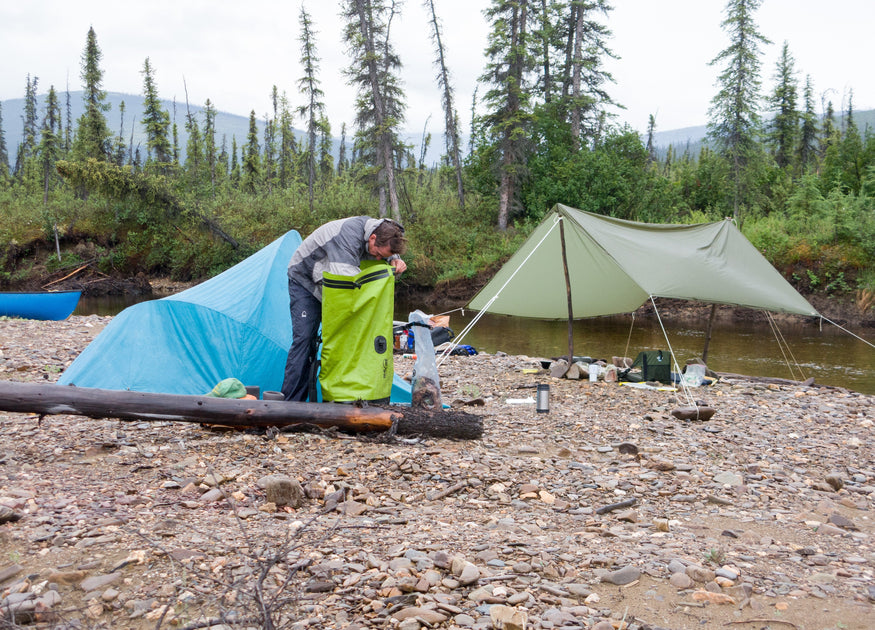
Have you ever packed up your tent after a camping trip, only to find it damp and musty days later? Drying your tent properly is key to keeping it fresh, preventing mold, and making sure it lasts for many adventures ahead.
But how exactly do you dry a tent without causing damage or spending hours waiting? This guide will show you simple, effective steps you can take to dry your tent quickly and safely. Keep reading, and you’ll never have to worry about a soggy tent ruining your next trip.
Choose The Right Spot
Drying your tent in the right place helps it last longer. It also stops mold and bad smells. Picking a good spot makes drying faster and easier.
Look for a place that protects your tent from sun and wind damage. The right spot keeps your tent fabric safe and dry.
Find A Shaded Area
Shade protects your tent from strong sunlight. Too much sun can weaken the fabric. Shade helps keep colors bright and material strong.
- Look under trees with thick leaves
- Avoid places with sharp branches
- Choose a spot away from direct sunlight
- Check for spots with soft ground to avoid damage
Ensure Good Airflow
Good airflow speeds up drying and stops smells. Air moves moisture away from your tent fabric. Find spots where air can flow freely.
| Location | Airflow Level | Notes |
| Open field | High | Best for quick drying |
| Near water | Medium | Watch for humidity |
| Dense forest | Low | May slow drying |
| Hilltop | High | Good breeze, less shade |
Shake Off Excess Water
After camping in rain or dew, your tent holds a lot of water. Removing this water helps the tent dry faster. Shaking off the water is a simple and effective way to start the drying process.
Be gentle while shaking to avoid damaging the fabric or seams. This step is key before you set your tent to dry fully in the sun or shade.
Remove Puddles From Fabric
Water can collect in small dips or folds in the tent fabric. These puddles add extra weight and slow drying. Removing them helps keep the tent light and dry.
- Lay the tent flat on the ground or hang it loosely.
- Gently lift the tent corners to let water flow out.
- Use your hands to push water from folds and seams.
- Repeat shaking and lifting until no puddles remain.
Avoid Wringing The Tent
Do not twist or wring the tent fabric. This can damage the material and waterproof coatings. Instead, use gentle methods to remove water.
| Wrong Method | Why to Avoid |
| Wringing the tent | Can cause tears and break waterproof layers |
| Shaking gently | Removes water without damage |
| Letting water drip naturally | Keeps fabric safe and durable |
Set Up For Drying
After camping, drying your tent properly is important. It helps prevent mold and bad smells.
Setting up the tent right makes drying faster and easier. Follow these tips to dry your tent well.
Pitch The Tent Loosely
Do not pull the tent fabric tight when drying. Leave it loose to let air move inside.
A loose pitch helps moisture escape from the tent walls and floor. This reduces drying time.
Use A Tarp Or Groundsheet
Place a tarp or groundsheet under the tent to keep it clean. This stops dirt from sticking.
The tarp also protects the tent floor from wet grass or mud. It helps the tent dry evenly.

Credit: www.popularmechanics.com
Maximize Air Circulation
Drying a tent properly helps prevent mold and bad smells. Air circulation is key to drying your tent fast and well.
Good airflow moves moisture out and brings fresh air in. This keeps the tent dry and ready for your next trip.
Open Doors And Windows
Open the tent doors and windows fully to let air flow inside. This helps wet spots dry quicker.
Keep the openings wide and avoid blocking them with gear or clothes. This allows fresh air to move freely.
Use A Portable Fan
A portable fan speeds up drying by pushing air through the tent. It moves moisture away from wet fabric.
Place the fan near the tent opening. Let it blow air inside to increase circulation and dry the tent faster.
- Use battery-powered or rechargeable fans for camping
- Position the fan to push air through the tent’s main openings
- Turn the fan off when the tent feels dry to save battery
Speed Up Drying Indoors
Drying your tent indoors can save time and keep it safe from outdoor dirt. Use the right methods to help your tent dry faster. Proper drying keeps the fabric fresh and ready for your next trip.
Make sure to hang your tent correctly and avoid heat sources that can damage it. These tips will help your tent dry well inside your home.
Hang The Tent Properly
Spread the tent out fully to air dry evenly. Do not fold or bunch it up. Use a sturdy clothesline or hangers to support the tent’s weight.
- Find a dry, open space with good airflow.
- Use wide hangers or poles to avoid creases.
- Ensure the tent is lifted off the ground.
- Open all zippers and vents for ventilation.
- Turn the tent occasionally for even drying.
Avoid Direct Heat Sources
Do not place your tent near heaters or radiators. Direct heat can damage the fabric and waterproof coating. Instead, use indirect airflow to dry the tent gently.
| Heat Source | Effect on Tent |
| Heaters | Can melt or weaken fabric |
| Radiators | Cause uneven drying and damage |
| Direct Sunlight | Fades colors and harms waterproofing |
| Fans | Safe, helps speed drying |
Handle Tent Poles And Accessories
Proper care for your tent poles and accessories helps them last longer. Drying and storing them correctly prevents damage and rust.
Always separate poles and accessories from the tent fabric before storing. This keeps everything clean and ready for your next trip.
Dry Poles Separately
Remove tent poles and dry them away from direct sunlight. Wipe off dirt and moisture with a clean cloth.
Keep poles straight while drying to avoid bending. Drying poles separately stops rust and corrosion.
Store Stakes And Guy Lines
Clean stakes by removing mud and debris. Dry them fully before storing to prevent rust.
Untangle guy lines and hang them to dry. Store them neatly to avoid knots and damage.
- Keep stakes in a dry bag or container
- Roll guy lines loosely for storage
- Check for wear before each trip
Prevent Mold And Odors
Drying your tent properly stops mold and bad smells. Moisture left inside tents causes damage.
Follow simple steps to keep your tent fresh and ready to use next time.
Use Moisture Absorbers
Moisture absorbers help remove wetness inside your tent. They lower humidity and stop mold.
Place these absorbers inside your tent while drying or storing it.
- Use silica gel packs or moisture absorber bags
- Replace them regularly to keep them effective
- Keep absorbers away from children and pets
Clean Before Storing
Remove dirt and debris before storing your tent. Clean tents dry faster and smell better.
Use mild soap and water to clean the fabric. Let the tent dry fully before folding.
- Brush off loose dirt and leaves
- Spot clean stains with mild soap
- Air dry the tent completely in shade

Credit: fivestarcampers.com
Pack Tent For Storage
Packing your tent properly helps keep it in good shape. This guide shows simple steps to store your tent safely.
Follow these tips to avoid damage and bad smells in your tent after camping trips.
Ensure Complete Dryness
Make sure your tent is fully dry before packing it away. Damp tents can grow mold and mildew. Spread your tent out in the sun or hang it indoors to air dry.
- Unzip all doors and windows to let air circulate.
- Check seams and corners for moisture.
- Pat dry any wet spots with a clean towel.
- Wait until no dampness remains before packing.
Store In A Breathable Bag
Keep your tent in a bag that lets air pass through. Avoid plastic bags because they trap moisture. A breathable storage bag reduces mildew risk and keeps your tent fresh.
| Bag Type | Benefit |
|---|---|
| Mesh Bag | Allows air flow and prevents dampness |
| Cotton Bag | Natural fabric that breathes well |
| Plastic Bag | Traps moisture, can cause mold |
Credit: alpkit.com
Frequently Asked Questions
How Long Does It Take To Dry A Tent Completely?
Drying a tent typically takes 2 to 6 hours depending on weather conditions. Sunny, breezy days speed up drying, while humidity slows it down. Always air dry your tent fully before packing to prevent mold and odors.
What Is The Best Way To Dry A Tent After Rain?
Set up your tent in a shaded, well-ventilated area. Use a tarp or hang it to ensure airflow. Avoid direct sunlight for prolonged periods to protect fabric and coatings.
Can I Dry My Tent Inside My Home?
Yes, you can dry a tent indoors if outdoor drying isn’t possible. Hang it in a dry, ventilated room away from heat sources to prevent damage.
How Do I Prevent Mold While Drying My Tent?
Ensure your tent is fully dry before storing. Wipe off excess moisture and air it out completely. Store it loosely packed in a cool, dry place to avoid mold growth.
Conclusion
Drying a tent properly ensures it lasts longer. Always check for damp spots. Open all zippers to allow airflow. Hang the tent in a shaded area. Direct sunlight can damage the fabric. Use a fan if indoors to speed up drying.
Properly dried tents prevent mold growth. Regular maintenance keeps your tent in great condition. Remember, a well-kept tent means better camping experiences. Happy camping!