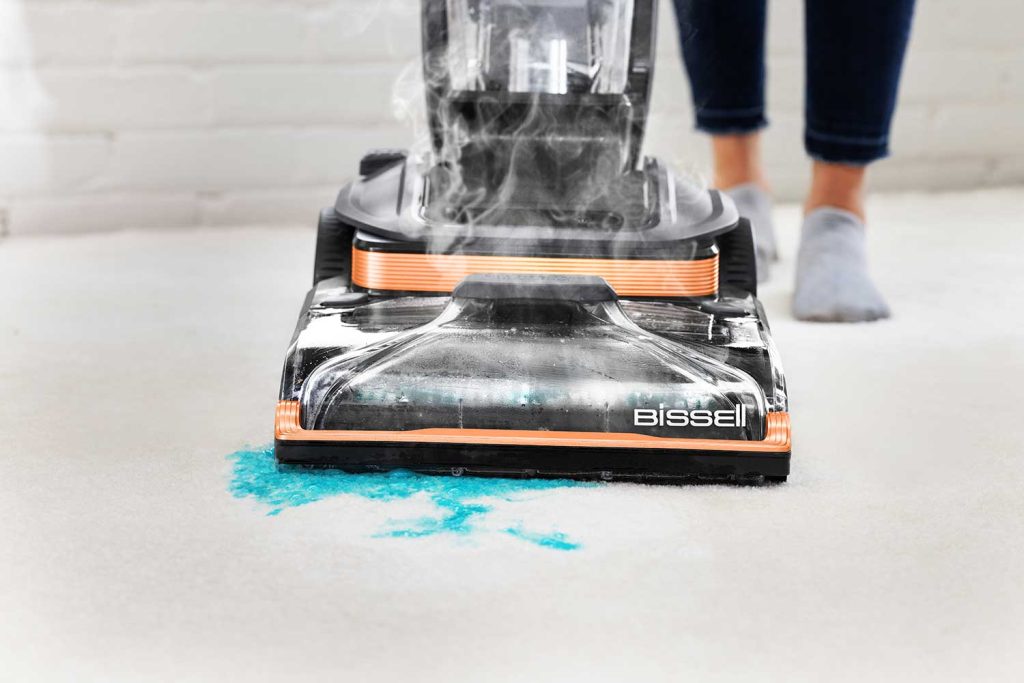
Got a soaked carpet and no vacuum in sight? Don’t worry; you’re not alone.
Wet carpets can happen to anyone, and they can be a headache. Whether it’s from an unexpected spill, a plumbing mishap, or a sudden rainstorm sneaking in, you’re probably wondering how to dry it out fast. After all, nobody wants their home to smell musty or risk mold creeping in.
The good news is, you don’t need a fancy vacuum to tackle this problem. In this guide, you’ll discover simple, effective methods to dry your carpet using items you likely already have at home. Ready to reclaim your fresh and dry living space? Let’s dive in and get that carpet sorted out!
Causes Of Wet Carpets
Wet carpets can cause many problems. Understanding what causes wet carpets helps prevent damage. Moisture in carpets often comes from common household issues. Knowing the risks of leaving carpets wet guides proper care and drying.
Common Sources Of Moisture
- Leaking pipes or plumbing issues under the floor
- Spilled liquids like water, juice, or coffee
- Heavy rain or floods entering through doors or windows
- High indoor humidity causing condensation
- Pet accidents leaving damp spots
- Malfunctioning appliances such as water heaters or washing machines
Risks Of Leaving Carpets Wet
Wet carpets can develop mold quickly. Mold harms health and creates bad smells.
Carpet fibers weaken and wear out faster if wet too long. This damage shortens carpet life. Wet carpets also attract insects like dust mites. These pests cause allergies and irritation. Flooring beneath the carpet can rot or stain from moisture too.
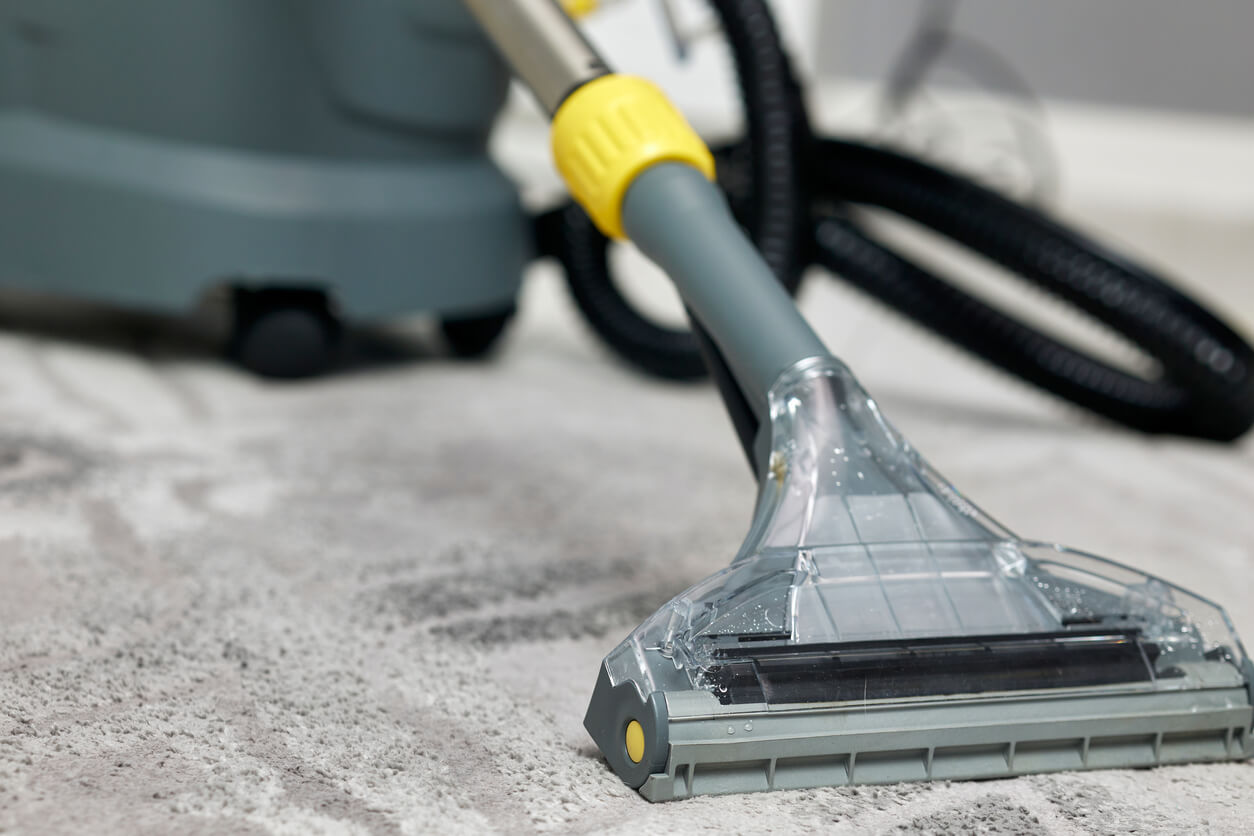
Credit: www.bigclean.com.au
Initial Steps To Remove Excess Water
Removing excess water from a wet carpet quickly helps prevent damage and mold. Act fast to stop water from soaking deeper into the carpet fibers and padding. Use simple tools and techniques to absorb as much water as possible before the drying process begins.
Blotting Techniques
Blotting pulls water out without rubbing or spreading it. Use clean, dry cloths or paper towels to press firmly on wet spots. Hold the cloth in place for a few seconds to soak up water. Change to a dry section or fresh cloth often. Repeat the process until no more water transfers to the cloth.
Using Towels And Absorbent Materials
Place thick towels over the wet carpet area to absorb moisture. Press down on the towels to help soak up water faster. For large spills, use multiple towels side by side. Replace wet towels with dry ones regularly. Other absorbent materials like microfiber cloths or chamois can also help draw out water effectively.
Natural Air Drying Methods
Natural air drying methods are effective for drying wet carpets without using a vacuum. These methods rely on air movement and ventilation to remove moisture. They are simple and use tools you likely already have at home. Using fresh air and fans helps speed up the drying process and prevents mold growth.
Opening Windows And Doors
Opening windows and doors creates airflow that moves damp air outside. Fresh air replaces the moist air inside your room. This exchange helps the carpet dry faster. Choose a dry, sunny day for best results. Keep all windows and doors open as much as possible. This method works well in warm weather with low humidity.
Using Fans For Air Circulation
Fans help move air over the wet carpet, increasing evaporation. Place fans around the room to create a steady breeze. A ceiling fan or floor fans work well for this. Point fans directly at the damp areas for faster drying. Running fans for several hours speeds up moisture removal. Combining fans with open windows improves air flow even more.

Credit: www.dreametech.com
Heat-based Drying Options
Heat-based drying options can be a quick and effective way to dry a wet carpet without using a vacuum. Applying controlled heat helps evaporate moisture faster, reducing the risk of mold and unpleasant odors. However, using heat safely is crucial to avoid damaging your carpet or creating fire hazards.
Utilizing Hair Dryers Safely
Hair dryers are a handy tool for drying small wet spots on your carpet. Keep the dryer moving constantly to prevent overheating one area, which could scorch the fibers.
Use the dryer on a medium heat setting to balance efficiency and safety. Holding it about 6-8 inches above the carpet allows the heat to spread evenly without causing damage.
Have you ever noticed how a hair dryer can quickly dry a wet patch after a spill? That same principle applies here, but remember to never leave the dryer unattended. Safety always comes first.
Employing Space Heaters
Space heaters can warm up a room, accelerating carpet drying by increasing air temperature. Position the heater at a safe distance, ideally 3 feet away from the carpet, to avoid direct heat damage.
Make sure the room is well-ventilated to help moisture escape. Adding a fan can improve air circulation, which complements the heat and speeds up drying.
Have you tried using a space heater after a spill? It’s surprising how quickly the carpet feels dry to the touch when you combine warmth and airflow. Just be cautious with placement and never leave the heater on unattended.
Diy Absorbent Solutions
DIY absorbent solutions help dry wet carpet quickly without special tools. These household items soak up moisture effectively. They prevent mold and reduce drying time. Use them right after spotting wet areas. Act fast to avoid deeper damage.
Applying Baking Soda
Baking soda is a natural absorber of water and odors. Sprinkle a generous layer over the wet carpet area. Spread it evenly with your hands or a soft brush. Let it sit for several hours or overnight to soak up moisture. Afterward, sweep or gently brush away the powder. This method helps pull water out of carpet fibers fast.
Using Salt And Cornstarch
Salt and cornstarch also absorb water well. Mix equal parts of salt and cornstarch in a bowl. Sprinkle the mixture thickly on the damp carpet. Press the powder lightly into the fibers with a clean cloth. Leave it on for a few hours to draw moisture out. Vacuum or sweep the powder off carefully afterward. This blend reduces wetness and freshens the carpet.
Preventing Mold And Odors
Wet carpets can quickly become a problem if mold and odors develop. Mold grows in damp areas and damages your carpet and health. Bad smells make your home uncomfortable. Acting fast helps keep your carpet clean and fresh. Preventing mold and odors requires care and attention.
Disinfecting Wet Areas
Use a mild disinfectant to clean the wet carpet area. This kills mold spores and bacteria early. Avoid harsh chemicals that can damage carpet fibers. A mixture of water and vinegar works well. Spray lightly and blot with a clean cloth. Repeat after drying to keep the area safe.
Maintaining Proper Ventilation
Good airflow helps dry the carpet faster. Open windows and doors to let fresh air in. Use fans to move air across the carpet surface. Avoid closing the room as this traps moisture. Ventilation stops mold growth and removes bad odors. Keep air moving until the carpet is fully dry.
When To Seek Professional Help
Knowing when to call in a professional can save your carpet and your sanity. Drying a wet carpet without a vacuum is possible, but some situations demand expert intervention. Ignoring these signs can lead to bigger problems like mold, odors, and permanent damage.
Signs Of Deep Water Damage
Check your carpet closely for these warning signs:
- Persistent dampness:If your carpet stays wet for more than 24-48 hours despite your efforts, it’s a red flag.
- Discoloration or stains:Dark spots or water rings often mean water has penetrated deeper layers.
- Mold or mildew smell:A musty odor is a clear sign that moisture has caused mold growth beneath the surface.
- Warped or buckled flooring:If the carpet or the floor underneath looks uneven or swollen, damage has spread beyond just the carpet fibers.
Have you noticed any of these signs after trying to dry your carpet? If yes, it’s time to get help before things worsen.
Benefits Of Professional Carpet Drying
Professional services bring specialized tools and techniques to the table. They use powerful drying equipment like air movers and dehumidifiers to extract moisture quickly and thoroughly.
Experts can spot hidden damage you might miss. They also treat the carpet to prevent mold and bacteria growth, improving your home’s air quality.
Hiring a pro often saves money in the long run. Avoid costly replacements by addressing deep water damage early with professional care.
Credit: www.portotheme.com
Frequently Asked Questions
How Can I Dry A Wet Carpet Without A Vacuum?
Use towels to blot excess water first. Open windows for airflow. Use fans or a dehumidifier to speed drying. Avoid walking on the carpet until fully dry to prevent damage.
What Household Items Help Dry A Wet Carpet Fast?
Absorbent towels, fans, dehumidifiers, and baking soda are effective. Towels soak up water, fans increase air circulation. Baking soda absorbs moisture and odors. These items are safe, easy, and budget-friendly.
Is It Safe To Use A Hairdryer On A Wet Carpet?
Yes, but with caution. Use a hairdryer on low heat and keep it moving. Avoid prolonged heat on one spot to prevent damage. Hairdryers work best on small, damp areas, not soaked carpets.
How Long Does It Take For A Carpet To Dry Naturally?
Drying time varies from 12 to 48 hours. Factors include carpet thickness, room temperature, and humidity. Proper airflow and using fans reduce drying time significantly. Monitor for dampness to prevent mold growth.
Conclusion
Drying a wet carpet without a vacuum is possible with simple steps. Use towels to soak up water quickly. Open windows and doors to let fresh air in. A fan can speed up drying by moving air around. Sunlight helps, too, by drying and killing germs.
Check the carpet often to avoid mold growth. Acting fast keeps your carpet clean and fresh. These easy methods save time and money. Keep your home safe and dry with these tips.