Are you dealing with a dishwasher that’s too far from your sink or drain? If you’ve ever faced the frustration of a short drain hose, you know how it can complicate your kitchen setup.
The good news is, extending a dishwasher drain hose is easier than you might think. Whether you’re rearranging your kitchen or installing a new dishwasher, knowing how to properly extend that hose can save you time, money, and a lot of hassle.
Imagine the peace of mind that comes with knowing your dishwasher is draining perfectly, no matter where it’s placed. In this guide, you’ll discover simple, effective steps to extend your dishwasher drain hose, ensuring your kitchen runs smoothly and efficiently. Let’s dive in and get your dishwasher working just the way you need it to!
Tools And Materials Needed
Extending a dishwasher drain hose is a straightforward task, but having the right tools and materials makes all the difference. Without proper equipment, you might end up with leaks or a poor connection that causes problems down the road. Let’s look at what you need to get the job done smoothly and securely.
Essential Tools
- Adjustable Wrench:Useful for loosening or tightening hose clamps and connectors without damaging them.
- Screwdriver:A flathead or Phillips screwdriver helps secure hose clamps firmly in place.
- Utility Knife or Hose Cutter:To cut the hose cleanly and avoid jagged edges that can cause leaks.
- Pliers:Handy for gripping and bending clamps or connectors when needed.
- Tape Measure:Ensures you cut the hose to the right length, avoiding excess slack or tension.
Required Materials
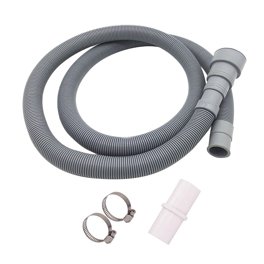
- Dishwasher Drain Hose Extension:Choose a hose that matches the diameter of your existing drain hose for a proper fit.
- Hose Clamps:These secure the connection points and prevent leaks. Opt for stainless steel clamps for durability.
- Hose Connectors or Couplers:Used to join the original hose and the extension securely.
- Plumber’s Tape (Teflon Tape):Wrap this around threaded connections to create a tight seal.
Tips For Choosing The Right Hose
Not all hoses are the same. Your dishwasher’s drain hose needs to be flexible but sturdy enough to resist kinking. Look for hoses made from reinforced rubber or high-quality plastic. This ensures your extension will last and won’t cause drainage problems.
Have you ever tried to fix a leak only to find out the hose was the wrong size? That’s why measuring carefully before buying materials saves you time and frustration. Keep your measurements handy before heading to the store.
Choosing The Right Drain Hose
Choosing the right drain hose is crucial when you want to extend your dishwasher’s drain line. The wrong hose can lead to leaks, clogs, or poor drainage, turning a simple fix into a costly problem. Understanding the key factors like length, diameter, and material helps you pick a hose that fits perfectly and lasts long.
Length And Diameter
Start by measuring the distance your new hose needs to cover. Avoid buying a hose that’s too long—it can cause water to pool and slow drainage. Too short, and you risk stretching or disconnecting the hose.
Diameter matters just as much. Most dishwashers use a standard 5/8 inch or 7/8 inch hose diameter. Check your existing hose or your dishwasher’s manual to match the size exactly. A mismatch can cause leaks or restrict water flow.
Material Types
Drain hoses come in various materials, mainly rubber, plastic, and reinforced vinyl. Rubber hoses are flexible and durable but can degrade faster under heat and chemicals.
Plastic hoses resist chemicals and heat better but tend to be stiffer, making installation tricky. Reinforced vinyl offers a middle ground with flexibility and strength, often reinforced with mesh or fibers to prevent kinks.
Think about your kitchen setup—will the hose be exposed to heat or sharp bends? Choosing the right material for your environment reduces the chance of damage and increases the lifespan of your extension.
Preparing The Dishwasher
Preparing the dishwasher is a key step before extending the drain hose. Proper preparation ensures safety and easy access to the parts you need to work on. This stage sets the foundation for a smooth and successful hose extension.
Unplugging And Safety Measures
Start by unplugging the dishwasher from the electrical outlet. This action prevents any risk of electric shock. If the outlet is hard to reach, switch off the circuit breaker instead.
Wear gloves to protect your hands from sharp edges inside the dishwasher. Clear the area around the dishwasher to avoid tripping or knocking over items. Keep a towel handy in case of any water leaks.
Accessing The Drain Hose
Open the dishwasher door fully to access the lower panel. Remove the screws holding the lower front panel in place. Carefully take off the panel and set it aside.
Locate the drain hose, usually attached near the bottom back of the dishwasher. Check for clamps or fasteners securing the hose in place. Loosen these gently to free the hose for extension.

Credit: www.amazon.co.uk
Removing The Old Hose
Removing the old dishwasher drain hose is the first step to extending it properly. This process requires careful handling to avoid damaging any connections. Taking your time here can save you from leaks or extra repairs down the line.
Loosening Clamps
Start by locating the clamps that secure the hose to the dishwasher and the drain pipe. These clamps are usually metal or plastic and keep the hose firmly in place.
Use a screwdriver or pliers to gently loosen the clamps. If the clamp feels stuck, try applying a little lubricant or gently tapping it to ease the tension. Have you ever struggled with a clamp that just won’t budge? Patience here pays off.
Detaching The Hose
Once the clamps are loose, carefully wiggle the hose free from its connection points. It might be snug, so don’t rush; twisting slightly while pulling can help.
If the hose feels brittle or stuck, warm water can soften it, making removal easier. Remember, pulling too hard could damage the dishwasher’s outlet or the drain pipe, so proceed gently.
Have you noticed any cracks or wear on your hose while removing it? This is a good time to check for hidden damage before fitting the new extension.
Extending The Drain Hose
Extending the dishwasher drain hose is a simple task that helps fit your appliance better. Sometimes, the original hose is too short to reach the drain or sink connection. Adding an extension hose solves this problem and keeps water flowing smoothly. This section explains how to connect and secure the extension hose properly.
Connecting The Extension Hose
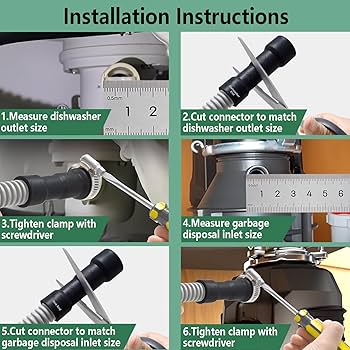
Start by measuring the length needed for the extension hose. Choose a hose with the same diameter as the original drain hose. Cut the extension hose to the right size if necessary.
Remove the dishwasher drain hose from its connection point carefully. Attach one end of the extension hose to the dishwasher drain outlet. Connect the other end to the existing hose or the drain pipe. Make sure both connections fit snugly to avoid leaks.
Securing With Hose Clamps
Use hose clamps to tighten both connection points. Slide a clamp over each hose end before joining them. After connecting, position the clamps over the joint areas.
Tighten the clamps firmly using a screwdriver. Clamps prevent the hose from slipping off and stop leaks. Check the clamps after installation to ensure they stay tight during use.
Credit: www.walmart.com
Reinstalling The Hose
Reinstalling the dishwasher drain hose is a crucial step to ensure your appliance drains properly without leaks or blockages. Taking the time to position the hose correctly and checking for any kinks can save you from future plumbing headaches. Let’s focus on how to handle these two important tasks effectively.
Positioning The Hose
Start by placing the extended hose so it follows a smooth, natural path from the dishwasher to the drain or garbage disposal. Avoid sharp bends or tight turns that could restrict water flow. Make sure the hose is secured using clamps or brackets to prevent it from moving or sagging.
Think about the height of the hose’s loop as well; it should be higher than the dishwasher’s drain outlet to stop dirty water from flowing back. If you’ve ever dealt with a sink that drains slowly because of poor hose placement, you know how important this is. Proper positioning keeps your dishwasher running efficiently and prevents water damage.
Checking For Kinks
After positioning, carefully inspect the hose along its entire length for any kinks or twists. Even a small kink can block water flow and cause backups. Run your hand along the hose to feel for any tight spots that might not be visible.
If you find a kink, gently straighten that section without stretching or damaging the hose. Sometimes shifting the hose slightly or adding an extra clip to hold it in place can eliminate the problem. Ask yourself: Is the hose free and clear enough to allow water to drain without interruption?
Testing For Leaks
Testing for leaks is a crucial step after extending your dishwasher drain hose. It ensures that water flows properly without escaping from any connections. Leaks can cause water damage and reduce the dishwasher’s efficiency. A careful check helps you fix issues early and avoid costly repairs.
Visual Inspection Of Hose Connections
Start by looking closely at all hose connections. Check the area where the hose meets the dishwasher and the drain pipe. Look for any signs of moisture, water droplets, or corrosion. Tighten any clamps or fittings that seem loose. A dry, tight connection usually means no leaks.
Run A Short Dishwasher Cycle
Turn on the dishwasher and run a short cycle. Watch the hose and connections while the dishwasher fills and drains. Pay attention to any water dripping or pooling around the hose. Stop the cycle if you see leaks to prevent water damage. This test shows real conditions and reveals hidden leaks.
Use Paper Towels To Detect Moisture
Place dry paper towels around each connection point. After running the dishwasher, check if the towels are wet or damp. This simple trick helps spot small leaks that are hard to see. Replace towels and repeat the test if needed to confirm your results.
Check For Water Smell Or Damp Floor
Sometimes leaks cause a water smell or damp spots on the floor. After testing, sniff around the hose area and check under the dishwasher. Dampness or musty odor means water may be escaping. Investigate thoroughly to find the exact leak point.

Credit: www.amazon.co.uk
Maintenance Tips
Maintaining your dishwasher drain hose after extending it is crucial to ensure smooth operation and avoid unexpected plumbing issues. Simple habits can save you from costly repairs and keep your dishwasher running efficiently for years. Let’s look at some practical tips that can help you stay ahead of potential problems.
Regular Inspection
Take a moment every few months to check the hose for any signs of wear or damage. Look for cracks, leaks, or loose connections that could cause water to drip or pool around your dishwasher.
Pay special attention to the area where you extended the hose. A joint or connector might loosen over time, so tightening it can prevent leaks before they start.
Have you noticed any unusual smells or damp spots near your dishwasher lately? These can be early warning signs that your hose needs attention.
Preventing Clogs
Clogs in the drain hose can stop your dishwasher from draining properly, leading to standing water inside the appliance. To avoid this, make sure food particles are scraped off dishes before loading.
Run hot water through the hose periodically to clear out any buildup. You can also use a mixture of vinegar and baking soda to naturally break down grease and debris inside the hose.
Consider installing a mesh filter or trap at the hose’s inlet to catch larger particles before they enter the drain line. This small step can save you from frequent blockages and keep your dishwasher draining smoothly.
Frequently Asked Questions
How Do I Extend A Dishwasher Drain Hose Safely?
To extend a dishwasher drain hose safely, use a compatible extension kit. Ensure connections are tight and leak-proof. Avoid sharp bends to maintain proper drainage. Secure the hose to prevent kinks and water damage. Always turn off the power before starting the extension.
What Tools Are Needed To Extend A Dishwasher Drain Hose?
You need a screwdriver, pliers, a hose clamp, and a compatible hose extension. Additionally, have a utility knife to trim the hose if necessary. A bucket and towels help manage water spills during the process. Proper tools ensure a secure and leak-free connection.
Can I Use Any Hose To Extend Dishwasher Drain Hose?
No, use a dishwasher-specific drain hose or a flexible drain hose compatible with your model. Using the wrong hose can cause leaks or poor drainage. Check the manufacturer’s recommendations for hose type and diameter. Proper hose choice ensures durability and efficiency.
How Long Can A Dishwasher Drain Hose Be Extended?
The hose can typically be extended up to 10 feet without performance issues. Exceeding the length may cause drainage problems or require a stronger pump. Always consult your dishwasher manual for maximum hose length guidelines. Proper length ensures optimal drainage and appliance function.
Conclusion
Extending a dishwasher drain hose is a simple task anyone can do. Use the right tools and follow safety steps carefully. Make sure the hose connects tightly to avoid leaks. Check for bends or clogs that can block water flow.
A properly extended hose helps your dishwasher work well. Take your time and double-check each connection. This small fix can save you from big problems later. Now, your dishwasher can fit better in your kitchen space. Easy, quick, and effective.