Filing a car insurance claim might feel confusing or overwhelming, especially if it’s your first time. But knowing the right steps can save you time, stress, and money.
You want your claim handled quickly and smoothly, right? This guide will walk you through exactly how to file a car insurance claim, with clear, simple instructions you can follow right now. Keep reading, and you’ll feel confident taking control of the process from start to finish.
Gather Necessary Information
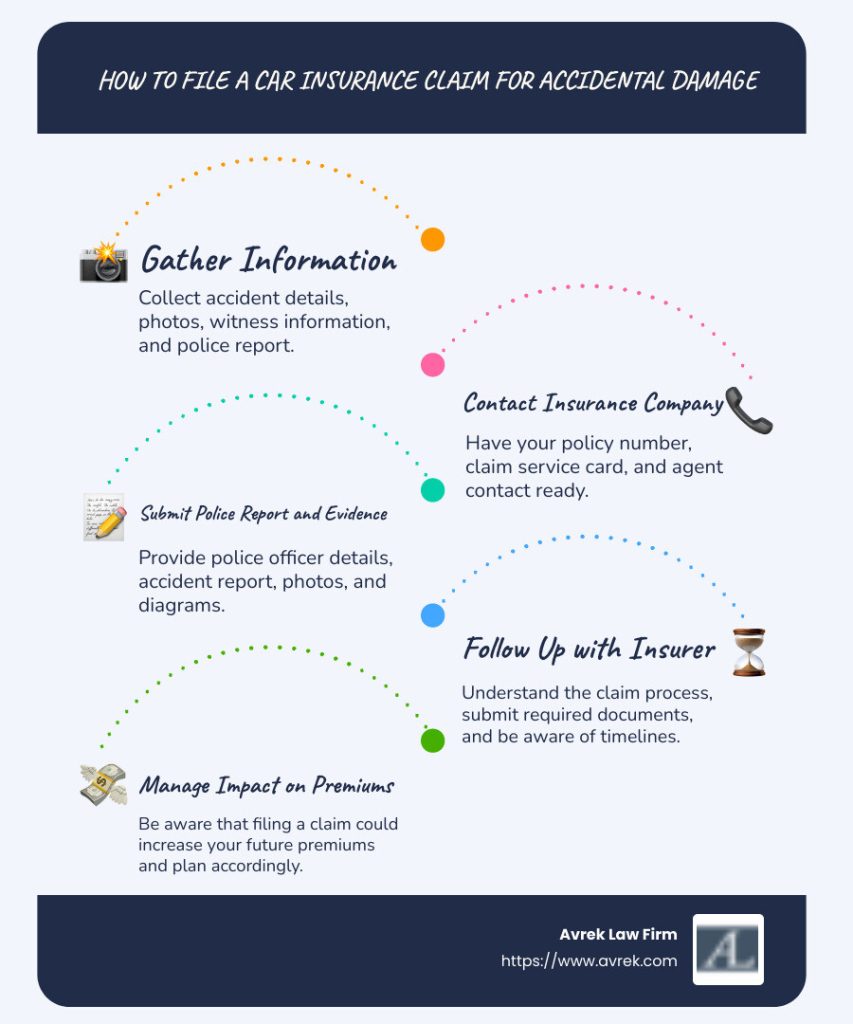
Gathering the right information is crucial when filing a car insurance claim. It helps speed up the process and ensures you provide accurate details. Being organized can make a big difference during this stressful time.
Details Of The Accident
Write down the date, time, and exact location of the accident. Note what happened clearly and briefly. Take photos of the damage to all vehicles involved. Include pictures of the surrounding area and any road signs or signals. Collect contact details of witnesses, if any. These details help your insurance company understand the incident.
Personal Information
Have your full name, phone number, and address ready. Prepare the same details for the other driver(s). Exchange driver’s license numbers with all parties involved. Record the license plate numbers of all vehicles. This information confirms identities and helps verify the claim.
Insurance Policy Details
Keep your insurance card or policy document nearby. Note your policy number and coverage type. Include your insurance company’s contact information. If possible, have the other driver’s insurance details too. This data allows your insurer to process the claim correctly and contact other parties if needed.

Credit: www.jotform.com
Document The Scene
Documenting the scene is one of the most important actions you can take after an accident. It provides clear evidence to support your claim and speeds up the insurance process. Being thorough here can make the difference between a smooth claim and a frustrating experience.
Take Photographs
Use your phone or camera to capture clear pictures of the accident scene from multiple angles. Focus on the damage to all vehicles involved, any skid marks, road signs, and the surrounding environment.
Don’t forget to take close-ups of license plates and any visible injuries. These images act as visual proof and help your insurer understand exactly what happened.
Collect Witness Statements
Ask bystanders or other drivers if they witnessed the accident and if they’d be willing to share their account. Write down their names, phone numbers, and what they saw.
Witness statements can confirm your version of events and add credibility to your claim. Have you ever noticed how a third-party perspective often clears up confusion?
Record Police Reports
If the police attend the scene, make sure to get the report number and the officer’s contact details. This report usually includes an official account of the incident, which is valuable to your insurer.
Even if the police don’t come, filing a report at the local station can protect you against disputes. Don’t underestimate the power of an official document in settling claims quickly.
Notify Your Insurance Company
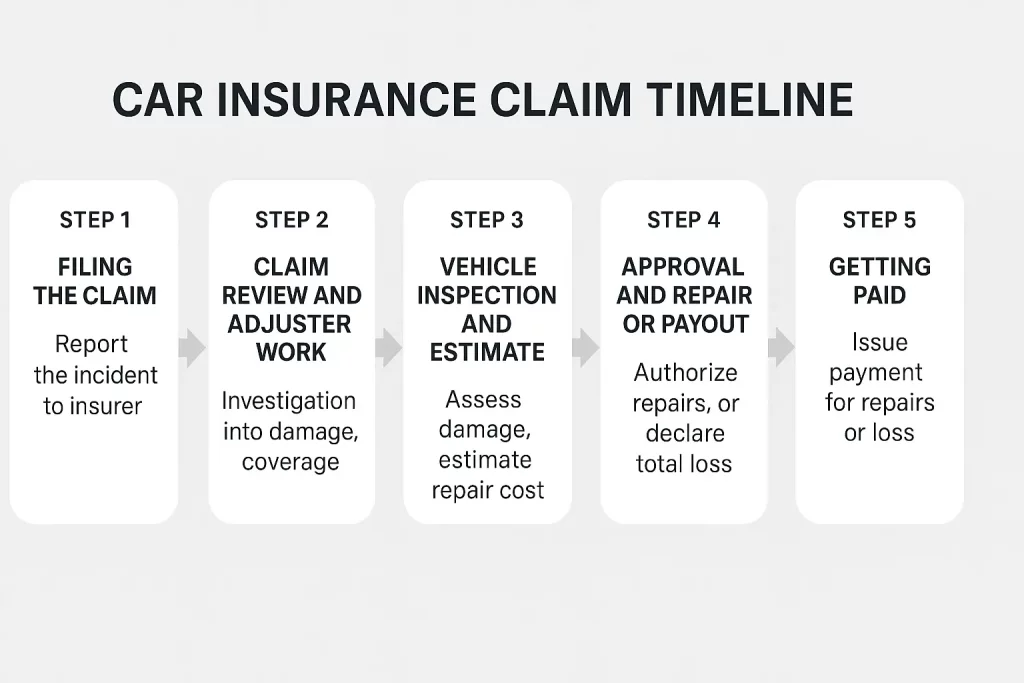
Notifying your insurance company is the first crucial step after a car accident or damage. Prompt notification helps start the claim process quickly. It ensures your claim is handled smoothly and without delays. Clear communication with your insurer sets the tone for the entire process.
Contacting Your Agent
Reach out to your insurance agent or company as soon as possible. Use the phone number or app provided on your insurance card. Speak clearly and calmly to explain the situation. Your agent will guide you on the next steps. Keep a record of the time and person you spoke with.
Providing Initial Information
Be ready to share important details about the incident. Include the date, time, and location of the accident. Describe what happened in simple terms. Provide your policy number and personal information. Mention any other vehicles or people involved. This helps the insurer understand your claim.
Understanding Time Limits
Insurance policies often have strict time limits for reporting claims. Notify your company as soon as you can to avoid losing coverage. Check your policy documents for specific deadlines. Early reporting improves your chances of a smooth claim process. Delays can cause claim denial or extra complications.
Credit: diminishedvaluecarolina.com
Complete The Claim Form
Completing the claim form is a crucial part of filing your car insurance claim. This document acts as the official record of your incident and helps the insurance company understand what happened. Taking your time and providing clear, accurate information will speed up the process and reduce back-and-forth questions.
Filling Out Personal Information
Your personal details form the foundation of the claim. Make sure to provide your full name, contact number, and policy number exactly as they appear on your insurance documents.
Double-check your address and email too—small typos can cause unnecessary delays. Think about how frustrating it would be if your insurer couldn’t reach you because of a missed digit in your phone number.
Describing The Incident
Detail the incident clearly and honestly. Include the date, time, and location of the event. Describe what happened using simple language, avoiding technical jargon.
Did something unexpected happen right before or after the accident? Adding that information can give your insurer a fuller picture and help avoid misunderstandings.
Submitting Supporting Documents
Attach all relevant documents to back up your claim. This usually includes photos of the damage, a police report if applicable, and any repair estimates you have.
Don’t forget to include witness statements if available—they can be very persuasive. Keep digital copies ready to upload or print hard copies to submit in person.
Cooperate With The Claims Adjuster
Cooperating with the claims adjuster helps speed up your car insurance claim. It makes the process smooth and clear. The adjuster needs your help to assess the damages accurately. Being open and responsive builds trust and ensures a fair evaluation. Below are key points to consider during this cooperation.
Scheduling An Inspection
The adjuster will schedule a time to inspect your vehicle. Choose a convenient time and place to avoid delays. Make sure your car is accessible and clean for a proper check. Keep your calendar flexible in case the adjuster needs to reschedule. Prompt scheduling shows you are serious about the claim.
Providing Additional Information
Answer questions honestly and provide all requested documents. This may include photos, repair estimates, or police reports. The more information you give, the easier it is to evaluate your claim. Avoid hiding details or guessing answers. Clear facts help the adjuster understand the situation better.
Understanding The Assessment Process
The adjuster examines your car to estimate repair costs or total loss. They check for damage severity and parts needed for fixes. Sometimes, they consult with repair shops or experts. The assessment affects your claim payout. Knowing this process helps you stay informed and prepared.

Credit: www.avrek.com
Review Settlement Offer
After filing your car insurance claim, the insurer will send a settlement offer. This offer outlines the amount they will pay for your damages. Reviewing this offer carefully is crucial. It ensures you get fair compensation for your loss and covers all repair costs or medical bills.
Evaluating The Offer
Check the amount the insurer offers. Compare it with your repair estimates or medical expenses. Look for any missing damages or costs. Review the policy terms to see what is covered. Make sure the offer matches your claim details. If the amount seems too low, note the reasons.
Negotiating If Necessary
Contact the insurance company to discuss your concerns. Provide documents like repair bills or medical reports. Explain why you believe the offer is insufficient. Stay polite and clear during the conversation. Ask for a higher amount if justified. Keep records of all communications for future reference.
Accepting Or Rejecting The Offer
Decide if the offer meets your needs. Accept it only when you are satisfied with the amount. Signing the agreement usually ends the claim process. If the offer is too low, you can reject it. Prepare to provide additional evidence or seek legal advice if needed.
Repair Your Vehicle
Repairing your vehicle after an accident is a crucial part of the insurance claim process. It’s not just about fixing dents and scratches; it’s about restoring your car’s safety and value. Knowing how to navigate the repair phase can save you time, money, and unnecessary stress.
Choosing A Repair Shop
Picking the right repair shop can feel overwhelming. Should you go with your insurer’s recommended shop or find your own trusted mechanic? Consider shops that specialize in your car’s make and have good reviews for quality and timely work.
Ask about warranties on repairs. Some shops offer guarantees on parts and labor, giving you peace of mind. Also, check if the shop handles insurance paperwork—it can make the process smoother for you.
Understanding Repair Estimates
Repair estimates can vary widely, so don’t accept the first one without a second look. Ask for a detailed breakdown showing parts, labor, and additional fees. This helps you spot any inflated charges or unnecessary repairs.
Compare at least two estimates to get a fair idea of the costs. If something doesn’t add up, don’t hesitate to ask the shop for clarification. Your insurer might also send an adjuster to verify the estimate, so keep all documents handy.
Handling Payment Arrangements
Payment for repairs often depends on your insurance policy and deductible. Some insurers pay the shop directly, while others reimburse you after you pay. Clarify this early to avoid unexpected bills.
If your deductible is high, you might want to discuss payment plans with the repair shop. Many offer options to spread out costs, easing the financial burden. Remember, keeping receipts and invoices is essential for your records and any follow-up claims.
Follow Up On Claim Status
After submitting your car insurance claim, staying proactive is key. Following up on your claim status helps you avoid unnecessary delays and keeps you informed about the next steps. It’s your right and responsibility to ensure the process moves smoothly and your concerns are addressed promptly.
Tracking Progress
Most insurers provide online portals or mobile apps to check your claim status anytime. Using these tools gives you real-time updates without the hassle of waiting on hold. If you prefer, you can also note down your claim number and call your insurer regularly to track progress.
Keep a simple log of every interaction—dates, names, and what was discussed. This record can help if you need to escalate the issue later. Have you ever waited weeks without an update? Staying on top of the claim timeline prevents that frustration.
Communicating With Your Insurer
Clear and respectful communication can speed up your claim settlement. When you contact your insurer, be concise and provide all necessary information upfront. Avoid vague statements and ask specific questions like, “What is the estimated time for my claim approval?”
Remember, your insurer’s representative is more likely to help when you stay calm and polite. If emails are your preferred method, keep them brief but detailed. Would you rather call or email? Choose the channel that works best for you, but be consistent.
Resolving Any Disputes
If you disagree with your insurer’s decision, don’t hesitate to question it. Ask for a detailed explanation of how they calculated your payout or denied coverage. Sometimes, a simple misunderstanding or missing document causes the issue.
If talking doesn’t help, you can escalate to a supervisor or file a formal complaint. Another option is to seek advice from your state insurance department or a consumer protection agency. Have you prepared all your documents and evidence? Being organized strengthens your case during disputes.
Learn From The Experience
Filing a car insurance claim can feel overwhelming, but every claim offers valuable lessons. Taking time to reflect on the experience helps you handle future incidents more smoothly. It also sharpens your understanding of your insurance needs and how to protect yourself better.
Analyzing Mistakes
After filing a claim, think about what could have gone better. Did you gather enough evidence right after the accident? Maybe you missed taking photos or forgot to exchange contact details. Identifying these gaps helps you avoid similar errors next time.
Ask yourself: Were your communications clear and timely? Delays or unclear information can slow down the claim process. Learning from these mistakes means you’re better prepared to act quickly and confidently.
Improving Future Preparedness
Use your experience to create a simple checklist for future incidents. Include steps like documenting the scene, contacting your insurer, and keeping a record of all conversations. This proactive approach saves time and stress when you need it most.
Consider practicing how you would respond if another accident occurs. This mental rehearsal can make a big difference. How ready are you to stay calm and organized under pressure?
Reviewing Insurance Coverage
Claims reveal which parts of your policy work well and where you might be underinsured. Did your coverage fully address the damages and expenses? If not, it’s worth reviewing your policy with your agent.
Look closely at limits, deductibles, and exclusions. Adjusting your coverage after a claim ensures you’re not caught off guard next time. Are you paying for protection that actually fits your needs?
Frequently Asked Questions
What Documents Are Needed To File A Car Insurance Claim?
You need your insurance policy, accident report, driver’s license, and photos of the damage. Keep all receipts for repairs. These documents help speed up the claim process and ensure accurate assessment.
How Long Does It Take To Settle A Car Insurance Claim?
Settlement times vary by insurer but typically take 7 to 30 days. Promptly submitting all required documents helps speed up the process. Delays often occur if information is missing or additional investigation is needed.
Can I File A Car Insurance Claim Online?
Yes, most insurers offer online claim filing through their websites or apps. Online claims are quick and convenient, allowing you to upload documents and track your claim status easily.
What Should I Do Immediately After A Car Accident?
Check for injuries, call emergency services if needed, and move to a safe spot. Exchange insurance details with the other driver and document the accident with photos. Notify your insurer promptly to start the claim.
Conclusion
Filing a car insurance claim does not have to be hard. Keep your documents ready and report the accident quickly. Stay clear and honest when explaining the event. Follow your insurer’s steps carefully to avoid delays. Knowing these basics saves time and stress.
Remember, acting fast helps you get the support you need. Take control and handle the claim with confidence. This guide helps you stay calm and prepared for any situation.