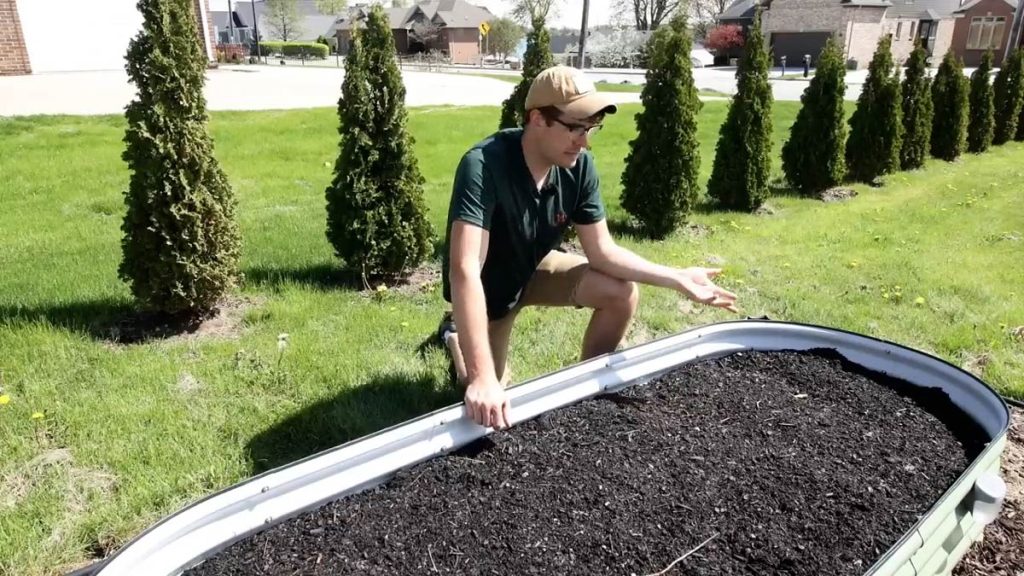
Are you ready to transform your garden with a 12-inch raised bed but unsure how to fill it properly? Getting the right soil mix and filling technique can make all the difference in growing healthy, vibrant plants.
In this guide, you’ll discover simple, step-by-step tips to fill your raised garden bed the right way—so your plants thrive and your gardening efforts pay off. Keep reading to unlock the secrets that will help your garden flourish from the very first scoop of soil.
Choosing The Right Soil Mix
Choosing the right soil mix is key for a healthy raised garden bed. Good soil helps plants grow strong and stay healthy.
In this guide, learn about soil parts, how to balance water and nutrients, and where to find quality soil.
Soil Components For Raised Beds
Raised beds need a mix of soil parts that support plant growth. The main parts are:
- Topsoil:The base material that holds nutrients.
- Compost:Adds organic matter and feeds plants.
- Peat moss or coconut coir:Helps keep soil moist.
- Perlite or vermiculite:Improves soil aeration and drainage.
Balancing Drainage And Nutrients
Good soil drains well but keeps enough moisture. It also has enough nutrients for plants.
| Soil Quality | Importance | How to Achieve |
| Drainage | Prevents water logging | Add perlite or sand |
| Moisture Retention | Keeps roots hydrated | Use peat moss or coir |
| Nutrient Content | Feeds plants | Mix in compost |
| Soil Texture | Supports root growth | Balance sand, silt, clay |
Where To Source Quality Soil
Find soil from trusted places to ensure good quality. Options include garden centers, nurseries, or local farms.
- Buy bagged soil labeled for raised beds.
- Ask local farms for organic compost.
- Check for soil free of weeds and pests.
- Consider testing soil before use.

Credit: migardener.com
Preparing The Garden Bed
Filling a 12 inch raised garden bed starts with preparing it well. Proper preparation ensures healthy plant growth and reduces maintenance efforts.
Follow these steps to get your raised garden bed ready for planting.
Cleaning And Leveling The Bed
First, clear out any debris like leaves and twigs. A clean bed is essential for planting.
- Remove rocks and old roots.
- Use a rake to level the soil surface.
- Check for evenness to prevent water pooling.
Adding A Weed Barrier
To minimize weeds, lay down a weed barrier. This layer keeps unwanted plants at bay.
Here’s a simple way to create a weed barrier:
- Lay down landscape fabric across the bed.
- Overlap pieces to prevent gaps.
- Secure edges with garden staples.
Ensuring Proper Drainage
Drainage is vital to prevent waterlogging. Check the soil and make sure it drains well.
| Drainage Material | Purpose |
| Gravel | Improves water flow |
| Perlite | Enhances aeration |
| Sand | Prevents compaction |
Layering The Soil
Filling a 12 inch raised garden bed needs careful soil layering. This helps plants grow strong and healthy.
Good layering improves drainage and adds nutrients. Let’s learn how to layer the soil correctly.
Starting With Organic Matter
Start by adding organic matter at the bottom. This can be leaves, straw, or small branches.
Organic matter breaks down and feeds the soil over time. It also helps keep the soil loose.
- Use dry leaves or straw
- Shred small branches or twigs
- Spread a 2-3 inch layer evenly
Adding Compost And Topsoil
Next, add a layer of compost. Compost gives plants the nutrients they need to grow.
After compost, add topsoil. Topsoil supports root growth and holds moisture well.
- Spread 3-4 inches of compost
- Add 5-6 inches of good quality topsoil
- Mix lightly for better blending
Avoiding Soil Compaction
Soil compaction makes it hard for roots to grow. Avoid pressing down too hard on soil layers.
Keep the soil loose by not stepping inside the bed. Lightly water after filling to settle the soil.
- Do not walk on the soil
- Use a garden fork to loosen soil if needed
- Water gently to avoid pressing soil down

Credit: migardener.com
Filling The Bed Efficiently
Filling a 12 inch raised garden bed correctly helps plants grow strong. Use the right steps to fill the soil efficiently.
Good soil filling supports roots and keeps water well. Follow simple tips to fill your bed evenly and carefully.
Filling In Even Layers
Fill the garden bed with soil in even layers, about 3 to 4 inches thick. This helps the soil settle evenly and avoids air pockets.
Adding soil in layers lets you check the bed’s firmness as you fill. It also helps mix different soil types if you use any.
- Start with a base layer of coarse material if needed
- Add garden soil or compost in 3–4 inch layers
- Spread each layer evenly across the bed
Tamping Down Soil Gently
After adding each soil layer, press it down gently. Tamping helps remove air pockets and makes the soil firm.
Do not press too hard. Over-tamping can make the soil too dense and hard for roots to grow.
- Use your hands or a flat tool to press soil lightly
- Check that soil feels firm but not hard
- Leave some space for soil to settle naturally
Checking Soil Depth
Measure the soil depth as you fill to make sure you reach 12 inches. This ensures enough soil for your plants.
Use a ruler or stick to check depth at different spots. Soil may settle unevenly, so check several places.
- Insert a ruler vertically into the soil
- Check depth near edges and center
- Add more soil if depth is less than 12 inches
Maintaining Soil Health
Good soil health is key to a healthy garden. It helps plants grow strong and stay healthy.
Keeping your soil healthy in a 12 inch raised bed means giving it water, nutrients, and care.
Regular Watering Tips
Water your raised bed regularly to keep soil moist but not soggy. Plants need water to take in nutrients.
Water early in the morning or late in the evening to reduce evaporation and help roots absorb water better.
- Check soil moisture by touching the soil surface
- Water deeply to reach all roots
- Avoid overwatering to prevent root rot
Adding Mulch
Mulch covers the soil and keeps moisture in. It also stops weeds from growing and protects soil from erosion.
Use organic mulch like straw, leaves, or wood chips. These break down and add nutrients to your soil.
- Apply 2-3 inches of mulch on top of soil
- Keep mulch a few inches away from plant stems
- Refresh mulch every few months as it breaks down
Periodic Soil Testing
Test your soil every year to check its nutrient levels and pH. This helps you know what your soil needs.
Soil tests guide your choice of fertilizers or amendments to keep soil balanced and healthy.
- Collect soil samples from different parts of the bed
- Send samples to a local extension service or use a home test kit
- Adjust soil based on test results for best plant growth

Credit: migardener.com
Frequently Asked Questions
What Soil Mix Is Best For A 12 Inch Raised Garden Bed?
Use a mix of 60% topsoil, 30% compost, and 10% potting soil. This blend ensures good drainage, nutrients, and moisture retention for healthy plant growth.
How Deep Should Soil Be In A 12 Inch Raised Bed?
Fill the bed with 10 to 12 inches of soil. This depth provides enough room for roots to grow and access nutrients efficiently.
Can I Use Regular Garden Soil In Raised Beds?
Regular garden soil can be heavy and compacted. It’s better to use a light, well-draining soil mix to promote healthy root development.
Should I Add Compost To A Raised Garden Bed?
Yes, adding compost improves soil fertility and structure. It provides essential nutrients and helps retain moisture for your plants.
Conclusion
Filling a 12-inch raised garden bed is simple and rewarding. Use good soil and compost for healthy plants. Keep the soil loose to help roots grow well. Water your bed regularly but don’t soak it. Check your plants often and remove weeds quickly.
With the right care, your garden will thrive and produce fresh vegetables or flowers. Enjoy the process and watch your garden grow strong. Gardening brings joy and fresh food right to your door. Start small, stay consistent, and learn as you go.