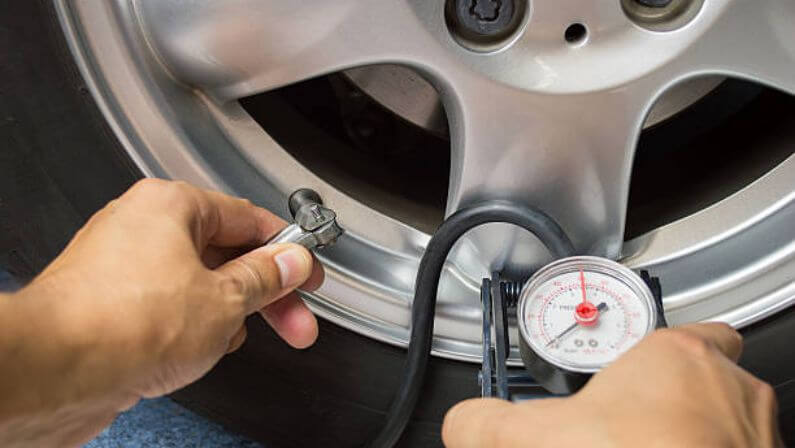
Do you know how important proper tire pressure is for your car’s safety and performance? If your tires are low on air, it can affect your driving, fuel efficiency, and even cause uneven wear.
But don’t worry—filling a car tire with air is easier than you might think. You’ll learn simple, step-by-step instructions to get your tires properly inflated. By the end, you’ll feel confident handling this essential task yourself and keep your car running smoothly.
Keep reading to find out exactly how to fill a car tire with air the right way.

Credit: www.oreillyauto.com
Tools Needed
Filling a car tire with air is simple and requires a few tools. Knowing what you need helps you do the job safely and correctly.
This guide lists the basic tools to have before you start filling your tire with air.
Air Compressor Or Tire Inflator
An air compressor or a portable tire inflator provides the air needed to fill your tire. Choose one that fits your car’s tire valve.
Tire Pressure Gauge
A tire pressure gauge helps you check the air pressure inside the tire. It ensures you do not overinflate or underinflate the tire.
Valve Stem Cap Remover
This small tool removes the valve cap on the tire’s valve stem. Removing the cap is necessary to attach the air hose.
Protective Gloves
Gloves protect your hands from dirt and help you get a better grip on tools and the valve stem.
Tools Comparison Table
| Tool | Purpose | Notes |
| Air Compressor or Tire Inflator | Provides air to fill tire | Choose correct fitting |
| Tire Pressure Gauge | Measures tire pressure | Digital or analog types |
| Valve Stem Cap Remover | Removes valve cap | Small and easy to use |
| Protective Gloves | Protects hands | Keeps hands clean and safe |

Credit: www.youtube.com
Check Tire Pressure
Checking your car tire pressure is important for safe driving. Proper pressure helps your tires last longer.
It also improves fuel efficiency and vehicle handling. You need to check pressure before filling air.
Locate Recommended Pressure
Find the right tire pressure for your car. This information is in the owner’s manual or on a sticker.
The sticker is usually on the driver’s side door frame or inside the fuel door. It shows pressure in PSI.
- Look inside the driver’s side door frame
- Check inside the fuel door
- Consult the owner’s manual
- Pressure is shown in PSI (pounds per square inch)
Use A Tire Pressure Gauge
A tire pressure gauge helps measure the air pressure in your tires. Use it before adding air.
Remove the valve cap, press the gauge onto the valve stem, and read the number. Compare it to the recommended pressure.
- Take off the valve cap
- Press gauge firmly on valve stem
- Read the pressure number on gauge
- Compare with recommended PSI
- Add air if pressure is low
Prepare The Air Compressor
Filling a car tire with air needs the right tools and settings. Preparing the air compressor is the first step.
This guide explains how to get your compressor ready before inflating the tire.
Choose The Right Compressor
Pick an air compressor that works well for car tires. Check its power and portability to match your needs.
- Use a portable compressor for easy handling and storage.
- Choose a compressor with at least 30 PSI output for car tires.
- Look for models with a built-in pressure gauge.
- Ensure the hose is long enough to reach all tires comfortably.
Set The Pressure Level
Set the compressor to the correct pressure before filling the tire. The right pressure keeps your tire safe and efficient.
| Tire Type | Recommended Pressure (PSI) |
| Passenger Car | 30-35 |
| Light Truck | 35-45 |
| SUV | 35-40 |

Credit: www.reddit.com
Remove Valve Cap
The valve cap protects the tire valve from dirt and moisture. Removing it is the first step to filling your tire with air.
Keep the valve cap safe while you fill the tire. You will need to put it back on after adding air.
Locate The Valve Stem
Find the small rubber or metal stem on your tire. This is where you will add air.
The valve stem sticks out from the wheel rim. It usually has a small cap on top.
Unscrew The Valve Cap
Turn the valve cap counterclockwise to remove it. Use your fingers to unscrew it carefully.
If the cap is tight, use a cloth for a better grip. Do not force it too hard to avoid damage.
Set The Valve Cap Aside
Place the valve cap somewhere safe. You will need it to seal the valve after filling the tire.
Do not drop or lose the cap. It keeps the valve clean and helps prevent air leaks.
Attach Air Hose To Valve
Filling a car tire with air starts by attaching the air hose to the tire valve. This step is important to ensure air flows correctly into the tire.
Follow these simple instructions to attach the air hose safely and securely.
Locate The Tire Valve
Find the small metal or rubber valve on the tire. It looks like a short tube sticking out from the wheel.
Remove the valve cap by turning it counterclockwise. Keep the cap in a safe place.
Prepare The Air Hose
Check the air hose nozzle for dirt or damage. Clean it if needed to ensure a tight seal.
Make sure the hose is long enough to reach the tire valve comfortably.
Attach The Hose Nozzle To The Valve
Press the air hose nozzle firmly onto the tire valve. Push until you feel it fit tightly.
Some hoses have a lever or clip. Flip or lock it to secure the nozzle on the valve.
- Hold the hose steady to avoid air leaks
- Ensure the connection feels tight and sealed
- Do not force the hose if it does not fit
Check For Air Leaks
Listen for hissing sounds around the valve connection. Hissing means air is escaping.
If you hear air leaks, remove the hose and try attaching it again. Make sure it is secure.
Inflate The Tire
Inflating a car tire with air is simple and important for safety. Proper inflation helps your car run smoothly and saves fuel.
Use an air compressor or a manual pump to fill the tire. Check the recommended pressure for your tire before starting.
Monitor Pressure While Filling
Watch the pressure gauge closely as you add air. It shows how much air is inside the tire.
- Connect the air hose to the tire valve.
- Turn on the air source or start pumping.
- Check the pressure gauge often.
- Stop filling when the gauge reaches the recommended level.
Avoid Overinflation
Too much air can damage the tire and reduce grip on the road. It makes the ride uncomfortable and unsafe.
| Pressure Level | Effect on Tire |
| Too Low | Poor fuel economy, tire wear |
| Recommended | Best performance and safety |
| Too High | Risk of blowouts, harsh ride |
Detach Air Hose And Replace Valve Cap
After filling your car tire with air, the next step is to remove the air hose carefully. This helps keep the tire properly sealed and prevents air from escaping.
Replacing the valve cap is important to protect the valve from dirt and damage. It also helps maintain the tire’s air pressure over time.
Detach The Air Hose
Hold the air hose connector firmly. Slowly pull it straight off the valve stem to avoid bending or damaging it. Make sure not to twist or jerk the hose.
Replace The Valve Cap
Locate the valve cap that you removed before filling the tire. Screw it back onto the valve stem by turning it clockwise until it is snug.
- Check that the cap is tight but do not over-tighten it
- Make sure the cap is clean and free of cracks
- Replace the cap immediately after detaching the air hose
Final Pressure Check
Checking the tire pressure at the end is very important. It helps keep your car safe and improves tire life.
A final pressure check makes sure the tire has the right amount of air. This prevents over or under inflation.
Use A Reliable Pressure Gauge
Always use a good pressure gauge to check the tire pressure. Digital or dial gauges are easy to read and accurate.
Check Pressure When Tires Are Cold
Check tire pressure before driving or after the car has been parked for a few hours. Cold tires give the most accurate reading.
Adjust Pressure If Needed
If the pressure is too low, add air in small amounts. If it is too high, release some air carefully.
- Press the valve stem to release air gently.
- Check pressure again after each adjustment.
- Repeat until the correct pressure is reached.
Keep A Pressure Log
| Date | Tire Pressure (PSI) | Notes |
| April 10 | 32 | Normal check |
| May 5 | 30 | Added air after trip |
| June 1 | 32 | Checked before long drive |
Tips For Tire Maintenance
Keeping your car tires in good shape is important for safety. Proper tire care helps your car run smoothly.
Filling your tires with air correctly is part of regular maintenance. This guide gives simple tips to help.
Regular Pressure Checks
Check your tire pressure often to keep it at the right level. Use a tire pressure gauge for accuracy.
Low pressure can cause poor gas mileage and tire wear. High pressure can lead to a rough ride.
- Check pressure when tires are cold
- Use the recommended pressure from your car manual
- Keep a gauge in your car for quick checks
- Add air if the pressure is too low
Inspect For Damage
Look at your tires regularly for cuts, cracks, or bulges. Damage can cause tire failure.
Remove any stones or objects stuck in the tire tread. Check the sidewalls for unusual marks.
- Look for uneven tread wear
- Check for cracks near the rim
- Replace tires with visible damage
- Get professional help if unsure
Frequently Asked Questions
How Do I Know When To Fill My Car Tire With Air?
Check your tire pressure monthly or before long trips. Low pressure affects fuel efficiency and safety. Use a tire pressure gauge to measure. Fill air if pressure is below the manufacturer’s recommended level on the tire sidewall or car manual.
What Equipment Is Needed To Fill A Car Tire With Air?
You need a tire pressure gauge and an air compressor or pump. Many gas stations provide air compressors for free or a small fee. A portable air pump is also useful for emergencies or home use.
Can I Fill My Car Tire With Air At Home?
Yes, if you have a portable air compressor or pump. Connect it to your tire valve and add air in short bursts. Check the pressure frequently to avoid overinflation. Home filling is convenient and saves time.
How Much Air Should I Put In My Car Tire?
Inflate tires to the pressure recommended by the car manufacturer. This information is on the driver’s side door jamb or owner’s manual. Proper pressure ensures safety, tire longevity, and better fuel economy.
Conclusion
Filling a car tire with air is simple and quick. Check the tire pressure regularly to keep your ride safe. Use a reliable air pump and follow the steps carefully. Proper tire pressure improves fuel efficiency and tire life. Don’t forget to tighten the valve cap after filling.
Practice this skill, and you will feel more confident on the road. Small efforts lead to better car maintenance and safer trips. Keep your tires healthy, and enjoy smooth driving every day.