If you’ve just built or bought a raised garden bed, the next big step is filling it with the right soil. But how do you make sure you’re doing it correctly?
The soil you choose and how you fill your bed can make all the difference in how healthy and productive your plants will be. You’ll discover simple, effective ways to fill your raised garden bed so your plants get the best start possible.
Keep reading, and you’ll learn easy tips that save you time, money, and frustration while growing a thriving garden.
Choosing The Right Soil Mix
Filling a raised garden bed with the right soil is key for healthy plants. The soil mix needs to hold water and drain well.
Good soil gives your plants nutrients and space for roots to grow. Picking the right soil mix helps your garden thrive.
Types Of Soil Suitable For Raised Beds
Raised beds work best with loose, well-draining soil. Heavy clay or sandy soils alone do not perform well.
Here are common soil types to use in raised beds:
- Loamy Soil: Balanced mix of sand, silt, and clay. Holds moisture and drains well.
- Compost-rich Soil: Adds nutrients and improves soil texture.
- Peat Moss Mix: Helps soil retain moisture without becoming soggy.
Balancing Soil Components
A good soil mix has three parts: mineral soil, organic matter, and amendments. Balance keeps soil healthy.
Mineral soil provides structure. Organic matter adds nutrients. Amendments improve texture and drainage.
- One-third topsoil or garden soil
- One-third compost or aged manure
- One-third peat moss or coconut coir
Organic Matter And Amendments
Organic matter feeds plants and builds healthy soil life. It also helps soil hold water.
Amendments like perlite or vermiculite improve aeration and drainage. They keep soil from becoming compacted.
- Use compost for nutrients and soil health
- Add perlite to improve drainage and air flow
- Use coconut coir or peat moss to retain moisture
- Mix in worm castings for extra nutrients
Credit: www.thunderbirddisco.com
Preparing The Raised Bed
Filling a raised garden bed with soil starts with good preparation. A well-prepared bed helps plants grow strong and healthy.
Cleaning, installing barriers, and drainage are key steps before adding soil.
Cleaning And Inspecting The Bed
Remove all old plants, weeds, and debris from the raised bed. Check the wood or material for damage or rot. Fix or replace any broken parts to keep the bed sturdy.
Installing Weed Barriers
Weed barriers stop weeds from growing up into your bed. Use landscape fabric or cardboard to cover the bottom of the bed. This lets water pass but blocks weeds.
- Cut the fabric or cardboard to fit the bed size
- Lay it flat on the bottom without gaps
- Secure the edges with staples or soil
- Overlap pieces if needed for full coverage
Ensuring Proper Drainage
Good drainage keeps soil from becoming too wet. Raised beds must drain water well to protect plant roots.
| Drainage Method | Description | Benefits |
| Layer of Gravel | Place 2-3 inches of gravel at the bottom | Improves water flow and prevents waterlogging |
| Soil Mix | Use soil with sand or compost for better drainage | Keeps soil loose and moist but not soggy |
| Bed Height | Make bed at least 12 inches deep | Allows roots to grow and water to drain freely |
Layering Soil In The Bed
Filling a raised garden bed with soil takes careful layering. Each layer plays a role in drainage and plant growth. This guide covers how to build soil layers for healthy plants.
Start with the right materials and add soil in a way that supports roots. You will also learn how to prepare the surface for planting.
Starting With Coarse Materials
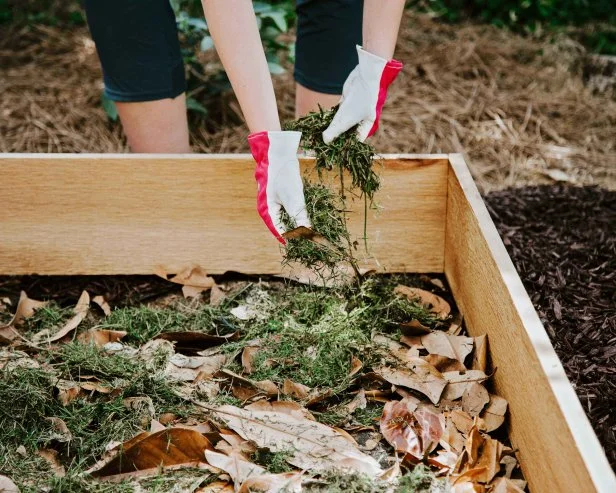
Begin by placing coarse materials at the bottom of the bed. These help with drainage and prevent soil from becoming waterlogged.
- Use small branches or twigs
- Add wood chips or straw
- Include dry leaves or pine needles
- Layer about 3 to 4 inches deep
Adding Nutrient-rich Soil
On top of the coarse layer, add nutrient-rich soil. This is where your plants will root and get food. Use good quality garden soil mixed with compost.
| Soil Component | Purpose | Amount |
|---|---|---|
| Garden soil | Base for roots | 50% |
| Compost | Adds nutrients | 30% |
| Peat moss or coco coir | Holds moisture | 20% |
Tamping And Leveling
After adding soil, tamp it down lightly. This removes air pockets and settles the soil. Then level the surface to prepare for planting.
- Press soil gently with hands or a flat board
- Check for uneven spots and fill low areas
- Use a rake to smooth the surface
- Water lightly to help soil settle
Filling Tips For Optimal Growth
Filling a raised garden bed with the right soil helps plants grow strong. Good soil gives roots space and nutrients.
Use these tips to fill your raised bed for the best plant growth and healthy soil.
Avoiding Soil Compaction
Soil compaction makes it hard for roots to grow. It stops air and water from reaching the roots.
To avoid soil compaction, add soil in layers and do not press it down too hard. Use loose soil that drains well.
- Fill bed in 4 to 6 inch layers
- Lightly water each layer
- Do not step on the soil
- Use compost and organic matter to keep soil loose
Maintaining Soil Moisture
Soil moisture helps plants get water steadily. Dry soil hurts roots and slows growth.
Fill the bed with soil that holds water but drains well. Water the soil after filling to settle it.
- Mix peat moss or coconut coir into soil
- Water soil evenly after filling
- Add mulch on top to keep moisture
- Check soil moisture weekly
Incorporating Fertilizers
Fertilizers add nutrients plants need to grow healthy and strong. Balanced soil feeds plants well.
Mix slow-release fertilizer or compost into the soil before planting. Avoid adding too much fertilizer.
- Use organic compost for natural nutrients
- Add fertilizer based on plant needs
- Mix fertilizer evenly with soil
- Test soil pH to choose the right fertilizer
Maintaining Soil Health Over Time
Good soil keeps your plants strong and healthy. Keeping soil healthy helps your garden grow year after year.
Healthy soil holds water, nutrients, and air for plants. It also supports tiny creatures that help plants grow.
Regular Soil Testing
Test your soil often to know what it needs. Soil tests show nutrient levels and pH balance.
Use test results to add the right materials. Testing prevents adding too much or too little fertilizer.
- Collect soil samples from different spots
- Send samples to a local lab or use home kits
- Follow test instructions carefully
- Record results for future reference
Replenishing Nutrients
Plants use nutrients in the soil to grow. Add nutrients back by using compost or natural fertilizers.
Rotate crops to keep soil balanced. Different plants use different nutrients, so changing crops helps soil recover.
- Mix compost into the soil every season
- Use organic fertilizers like bone meal or fish emulsion
- Plant cover crops to add nitrogen
- Remove dead plants and roots after harvest
Managing Pests And Diseases
Healthy soil helps plants resist pests and diseases. Good soil encourages beneficial insects that fight pests.
Keep the garden clean and remove sick plants quickly. Use natural pest control methods to protect soil life.
- Use mulch to prevent weeds and pests
- Encourage ladybugs and other helpful insects
- Water plants at the base to reduce disease
- Inspect plants regularly for signs of pests or disease

Credit: www.epicgardening.com
Credit: www.hgtv.com
Frequently Asked Questions
What Type Of Soil Is Best For Raised Beds?
The best soil for raised beds is a mix of topsoil, compost, and peat moss. This combination ensures good drainage and nutrient availability. Aim for a loamy texture to retain moisture without becoming waterlogged. Adjust the mix based on your plants’ specific needs for optimal growth.
How Do I Layer Soil In A Raised Bed?
Start with a base layer of coarse material like straw or wood chips. Add a layer of compost followed by topsoil. Alternate layers of organic matter and soil until the bed is filled. This method promotes drainage and nutrient distribution, ensuring your plants thrive.
Can I Use Garden Soil In Raised Beds?
Using only garden soil isn’t recommended as it compacts easily, reducing drainage and aeration. Instead, mix garden soil with compost and peat moss. This enhances soil structure and nutrient content. Raised bed soil should remain light and fluffy to support healthy root development and plant growth.
How Much Soil Do I Need For A Raised Bed?
To calculate, multiply the bed’s length, width, and height in feet to find cubic feet. A standard 4×4 foot bed requires about 8 cubic feet of soil. Adjust based on bed size and depth. For deeper beds, consider layering with organic matter to reduce soil volume needed.
Conclusion
Filling a raised garden bed with soil is simple and rewarding. Start with good-quality soil and compost. Layer the materials to provide nutrients and drainage. Keep the soil loose for healthy roots. Water the bed lightly after filling. Check soil levels regularly and add more if needed.
A well-filled bed helps plants grow strong and healthy. Enjoy your gardening journey with fresh, homegrown plants.