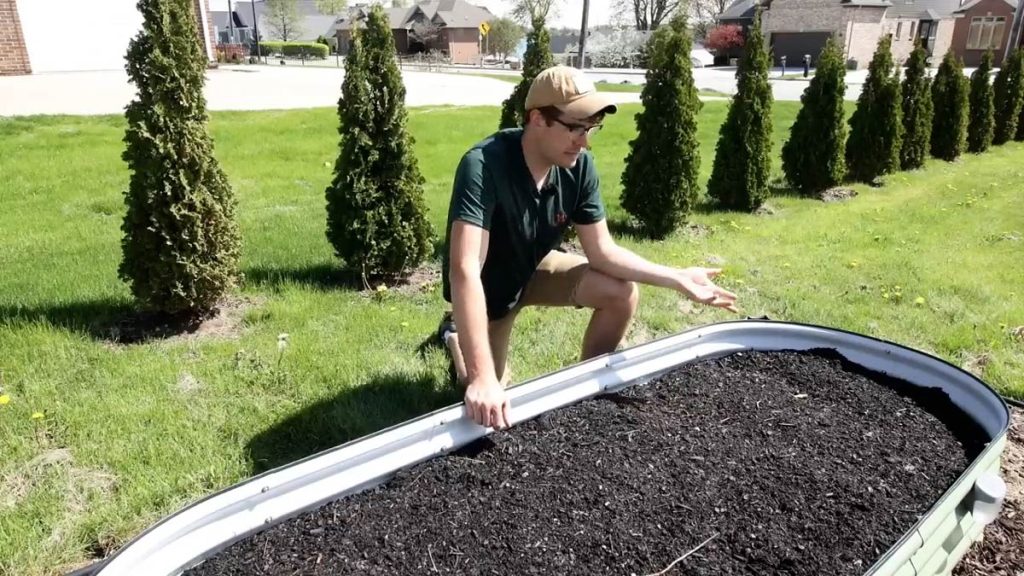
Are you ready to transform your garden with a raised bed that bursts with life? Filling a raised garden bed might seem simple, but doing it right makes all the difference in how healthy and productive your plants will be.
Imagine digging into rich, nutrient-packed soil that gives your vegetables, flowers, or herbs the perfect home to grow strong and vibrant. In this guide, you’ll discover easy steps to fill your raised garden bed like a pro, saving you time and effort while boosting your garden’s success.
Keep reading, and you’ll soon have the secret to creating a thriving garden right at your fingertips.
Choosing The Right Location
Filling a raised garden bed begins with selecting the perfect spot. Location affects how well your plants grow.
Make sure your garden bed gets enough sunlight and has good drainage. Also, consider how easily you can reach it.
Assessing Sunlight Needs
Most plants need sunlight to grow. Check how much sun your chosen spot gets during the day.
Some plants need full sun, while others thrive in partial shade. Choose a location based on what you want to plant.
- Full sun: 6-8 hours of direct sunlight
- Partial sun: 4-6 hours of direct sunlight
- Shade: Less than 4 hours of direct sunlight
Considering Drainage And Accessibility
Good drainage is important for healthy plants. Avoid areas where water pools after rain.
Accessibility is key for easy maintenance. Make sure you can reach your garden bed without stepping on plants.
- Check for water pooling after rain
- Ensure easy access for planting and watering
- Leave space for walking paths

Credit: www.epicgardening.com
Selecting Quality Soil
Good soil is key to a healthy raised garden bed. It supports plant growth and holds water well.
Choosing the right soil mix helps your plants get the nutrients they need to thrive.
Types Of Soil For Raised Beds
Raised beds need soil that drains well and stays loose. Different soils work for different plants.
Here are common soil types used in raised garden beds:
- Topsoil:Basic soil, often mixed with compost to add nutrients.
- Compost:Decomposed organic matter that enriches soil and improves texture.
- Peat Moss:Holds moisture and adds lightness to soil.
- Vermiculite:Helps retain water and air in the soil.
- Perlite:Improves drainage and prevents soil compaction.
Balancing Soil Texture And Nutrients
Good soil has a balance of sand, silt, and clay. This mix affects water flow and root growth.
Adding organic matter like compost gives nutrients and keeps soil healthy.
- Sand:Improves drainage but holds fewer nutrients.
- Silt:Holds moisture and nutrients well.
- Clay:Holds nutrients but can cause poor drainage.
- Organic Matter:Adds nutrients, improves texture, and feeds microbes.
Preparing The Raised Bed
Before filling a raised garden bed, you need to prepare it properly. Good preparation helps plants grow strong and healthy.
Preparing the bed includes cleaning it and creating a good base for soil and water drainage.
Cleaning And Inspecting The Bed
Start by removing any old plants, roots, and debris from the bed. Clear away dirt or dead leaves to prevent pests and diseases.
Check the bed for damage like cracks or loose boards. Fix any problems to keep the bed strong and safe for your plants.
Layering Materials For Drainage
Good drainage stops water from building up and hurting plant roots. Add layers of materials that help water flow out.
Start with coarse materials at the bottom. These layers create space for water to move freely.
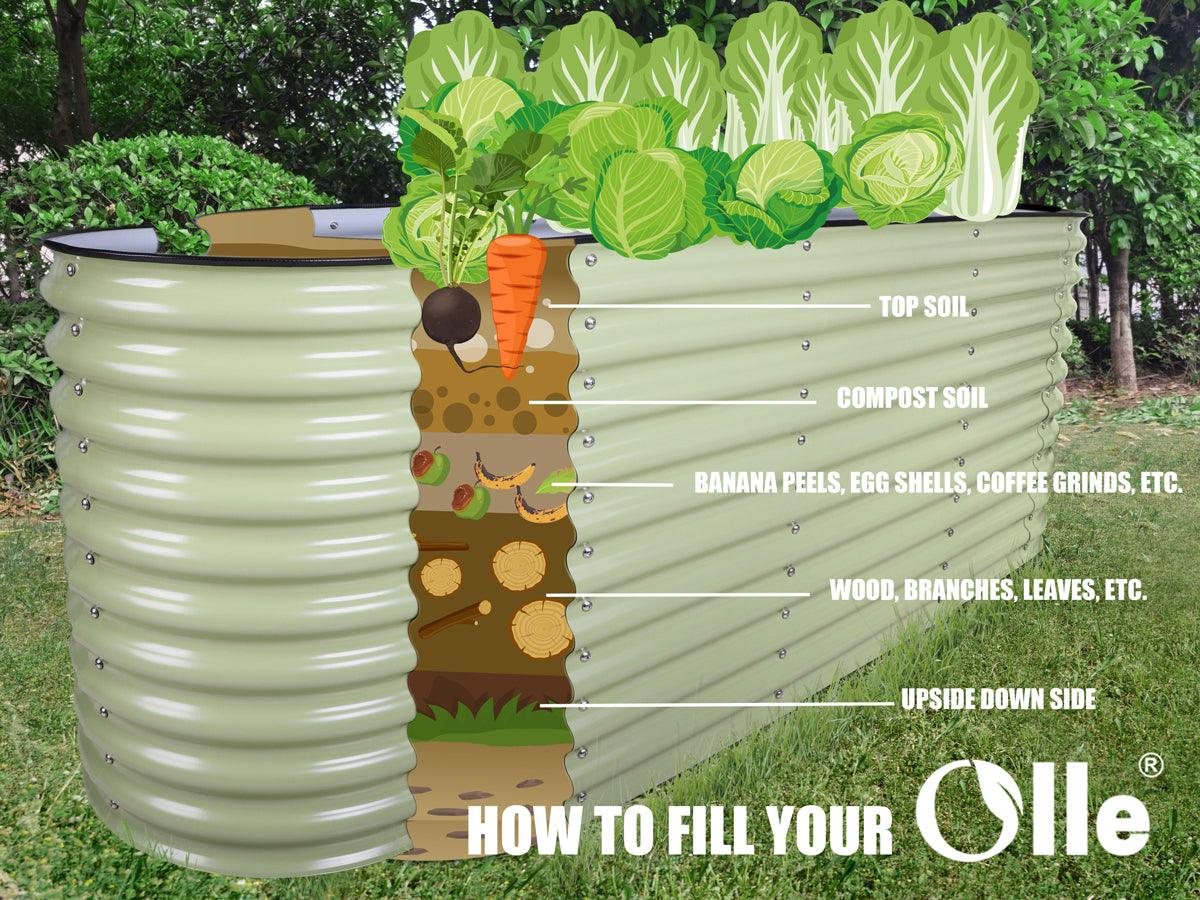
- Place a layer of small rocks or gravel first
- Add a layer of coarse organic matter, like straw or wood chips
- Cover with a layer of good garden soil mixed with compost
Mixing The Perfect Soil Blend
Filling a raised garden bed needs the right soil mix. Good soil helps plants grow strong and healthy.
The perfect soil blend holds water, drains well, and gives nutrients to plants.
Combining Compost, Topsoil, And Amendments
Start with good compost, topsoil, and amendments to make rich soil. Compost adds nutrients and helps soil stay loose.
Topsoil gives structure and holds water. Amendments change soil texture and add minerals.
- Use about 40% compost for nutrients
- Mix 40% topsoil for body and support
- Add 20% amendments like peat moss or perlite to improve texture
Adjusting Ph Levels
Check your soil’s pH to help plants absorb nutrients well. Most plants like soil that is slightly acidic to neutral.
Use lime to raise pH if soil is too acidic. Use sulfur to lower pH if soil is too alkaline.
- Test soil pH before adding anything
- Add lime in small amounts for pH above 7
- Add sulfur gradually for pH below 6
- Mix amendments well into the soil blend
Filling The Raised Bed
Filling a raised garden bed correctly is important for healthy plant growth. Good soil makes it easier for roots to spread and take up nutrients.
This guide covers how to spread soil evenly and keep it loose to avoid problems later.
Techniques For Even Soil Distribution
Start by layering the soil materials in your raised bed. Use a mix of compost, topsoil, and other organic matter.
- Fill the bed in small sections to control the spread.
- Use a rake or shovel to level the soil as you go.
- Check the height regularly to keep the soil even.
- Do not pile soil higher in some spots than others.
- Lightly press the soil to remove large air pockets without compacting.
Avoiding Soil Compaction
Compacted soil blocks air and water from reaching plant roots. Keep the soil loose by avoiding heavy walking on the bed.
| Action | Effect |
| Use a garden fork to gently loosen soil | Improves aeration and root growth |
| Avoid stepping inside the raised bed | Prevents soil from becoming hard and dense |
| Mix organic matter into soil layers | Keeps soil crumbly and moist |
| Water soil gently after filling | Settles soil without pressing it down too much |
Credit: www.ollegardens.com
Maintaining Soil Health
Good soil health is key to a raised garden bed’s success. Healthy soil helps plants grow strong.
Keep soil full of nutrients and alive with helpful microbes. This keeps your garden healthy.
Regular Feeding And Mulching
Feed your soil often with natural fertilizers. Compost and manure add needed nutrients.
Mulch protects soil from drying out and stops weeds. It also adds organic matter as it breaks down.
- Use compost or aged manure as fertilizer
- Apply a 2-3 inch layer of mulch around plants
- Choose organic mulch like straw or wood chips
- Feed plants every 3-4 weeks during growing season
Monitoring Moisture And Aeration
Check soil moisture regularly to keep it damp but not wet. Proper water helps roots grow well.
Keep soil loose by turning it gently. This lets air reach roots and helps good microbes live.
- Water when top inch of soil feels dry
- Avoid overwatering to stop root rot
- Use a garden fork to aerate soil every few weeks
- Remove any hard clumps to keep soil soft
Credit: www.youtube.com
Frequently Asked Questions
What Materials Are Best For Filling A Raised Garden Bed?
Use a mix of topsoil, compost, and organic matter. This blend ensures good drainage, nutrients, and soil structure. Avoid using only garden soil as it may compact and hinder plant growth.
How Deep Should I Fill A Raised Garden Bed?
Fill your raised bed to about 12 to 18 inches deep. This depth provides enough room for most plant roots to grow and access nutrients.
Can I Fill A Raised Bed With Just Compost?
Compost alone is too rich and may retain too much moisture. Mix compost with topsoil and other organic materials for balanced nutrition and proper drainage.
How Often Should I Add Soil To A Raised Garden Bed?
Add soil or compost yearly to replenish nutrients and maintain soil quality. Raised beds can lose soil volume over time due to settling and decomposition.
Conclusion
Filling a raised garden bed starts with good soil choices. Use a mix of compost, topsoil, and other natural materials. This mix helps plants grow strong and healthy. Keep the soil loose and well-drained for the best results. Remember to water your bed regularly and add more compost each season.
A well-filled garden bed makes planting easier and boosts your garden’s success. Start small, learn as you go, and enjoy watching your plants grow. Gardening can be simple and fun with the right soil in place.