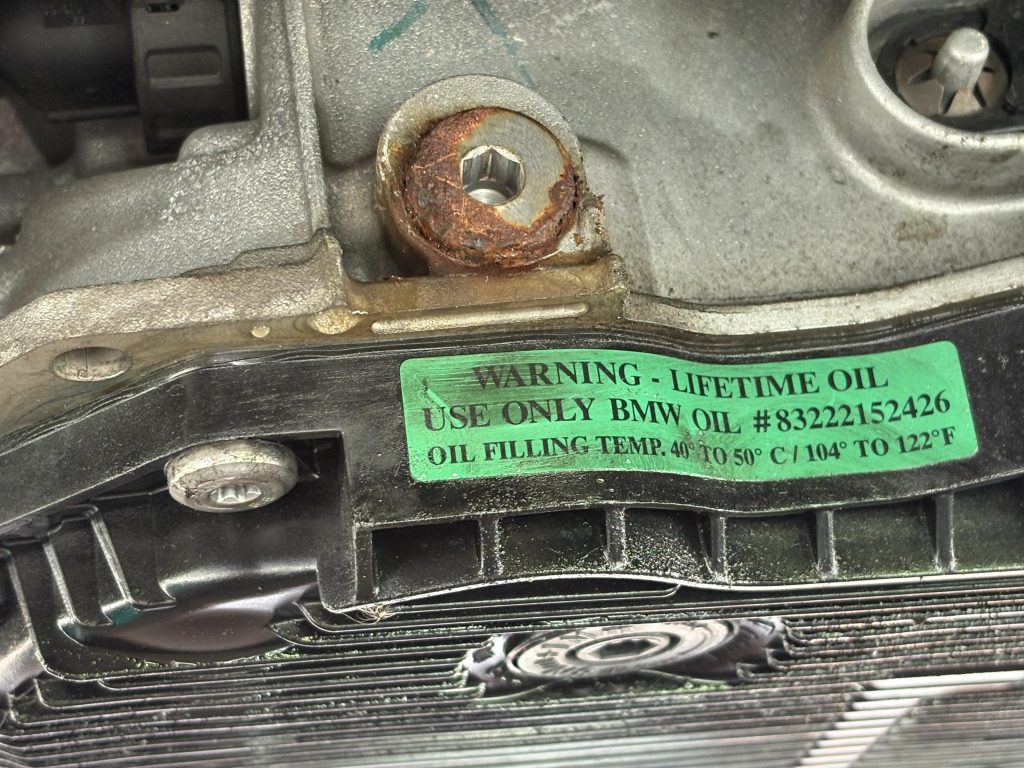
If you want your BMW to run smoothly and last longer, keeping the transmission fluid at the right level is key. But how do you fill BMW transmission fluid correctly without causing damage or leaks?
You might think it’s complicated or best left to a mechanic, but with the right steps, you can do it yourself and save time and money. In this guide, you’ll learn exactly how to fill your BMW’s transmission fluid safely and efficiently.
Stick with me, and you’ll feel confident handling this important maintenance task on your own.
Credit: www.bimmerfest.com
Signs Of Low Transmission Fluid
Noticing signs of low transmission fluid in your BMW is crucial before the problem worsens. Transmission fluid plays a vital role in keeping your car’s gears shifting smoothly. Ignoring early warning signs can lead to expensive repairs and a less enjoyable driving experience.
Common Symptoms
You might feel your BMW hesitating or slipping during gear changes. This often happens when the fluid level is too low to maintain proper pressure. Another sign is unusual noises like whining or clunking coming from the transmission area.
Have you ever felt your car’s acceleration lag or noticed a burning smell? These can also indicate overheating caused by insufficient fluid. Pay attention to any dashboard warning lights related to the transmission system as well.
- Delayed or rough gear shifts
- Unusual noises during driving
- Burning odor or overheating sensation
- Transmission warning lights on the dashboard
Why Fluid Level Matters
Transmission fluid lubricates all moving parts inside the gearbox, preventing wear and tear. Without enough fluid, friction increases, leading to overheating and possible damage. This directly affects your BMW’s performance and longevity.
Have you considered how a simple fluid check can save you from costly repairs? Maintaining the right fluid level ensures your transmission operates efficiently and prolongs its life. It also helps keep fuel consumption optimal, making every drive smoother and more economical.

Credit: www.reddit.com
Types Of Transmission Fluid For Bmw
Choosing the right transmission fluid is crucial for your BMW’s performance and longevity. Different BMW models require specific types of transmission fluid to work efficiently. Understanding these types helps you maintain smooth gear shifts and avoid costly repairs.
Recommended Fluids
BMW often recommends specific transmission fluids tailored to their vehicle’s transmission systems. These fluids meet strict standards for viscosity, friction, and temperature tolerance.
- BMW LifeguardFluid: This is the most common OEM fluid designed for many BMW automatic transmissions. It ensures optimal shifting and protects internal components.
- ZF LifeguardFluid 6: Used in BMWs with ZF 8-speed automatic transmissions. It offers superior wear protection and thermal stability.
- Shell M-1375.4: Often specified for older BMW models, this fluid supports smooth gear engagement and extended transmission life.
Using fluids not approved by BMW can lead to poor performance or damage. Always check your owner’s manual or BMW service documentation before making a choice.
How To Choose The Right Fluid
Start by identifying your BMW’s transmission type—automatic, manual, or dual-clutch. Each requires a different fluid formulation.
Look at the transmission code in your vehicle documentation or under the hood. This code tells you which fluid specifications to follow.
- Check the fluid’s compatibility with your transmission model.
- Consider the climate you drive in; some fluids perform better in extreme temperatures.
- Verify if the fluid meets BMW’s official specifications such as BMW Part Number or approval codes.
Have you ever experienced rough shifting after a fluid change? It often happens when the wrong fluid is used. Taking time to select the right fluid can save you from headaches and expensive repairs.
Tools And Materials Needed
Before you start filling your BMW’s transmission fluid, gathering the right tools and materials is crucial. Having everything ready ensures the process goes smoothly and prevents any unnecessary delays. It also helps you avoid mistakes that could harm your car’s transmission system.
Essential Tools
- Transmission Fluid Funnel:A narrow, long-spouted funnel designed specifically for transmission fluid helps you pour without spilling.
- Socket Wrench Set:You’ll need this to remove the transmission fluid fill plug and drain plug.
- Drain Pan:This catches old transmission fluid to prevent spills and environmental hazards.
- Torque Wrench:Ensures the fill plug is tightened to the manufacturer’s specifications, preventing leaks.
- Clean Rags or Paper Towels:Use these to wipe off any drips and keep the workspace tidy.
- Transmission Fluid:Make sure you have the correct type recommended by BMW for your model.
Safety Gear
Safety should never be overlooked when working on your vehicle’s transmission. You want to protect yourself from burns, spills, and harmful chemicals.
- Gloves:Nitrile or latex gloves protect your skin from hot fluid and chemicals.
- Safety Glasses:Prevent any splashes of fluid from reaching your eyes.
- Protective Clothing:Wear clothes that cover your arms and legs to avoid skin contact with the fluid.
Have you ever started a car repair without all your tools ready? It’s frustrating and can lead to mistakes. Taking a few minutes to prepare properly saves you time and stress during the job.
Preparing Your Bmw
Preparing your BMW before adding transmission fluid is crucial for accurate measurement and smooth maintenance. Skipping these steps can lead to incorrect fluid levels, which might harm your transmission over time. Taking a few minutes to properly prepare your car ensures the process goes smoothly and your BMW performs at its best.
Parking And Engine Warm-up
Start by parking your BMW on a flat, level surface. This prevents fluid from pooling unevenly, which can give you a false reading. Avoid slopes or inclines to keep the fluid level consistent inside the transmission.
Next, warm up your engine by letting it run for about 10 to 15 minutes. Warm transmission fluid flows better and expands, giving a more accurate level reading. Have you ever checked fluid when the engine was cold and found it misleading? That’s why warming up is key.
Locating The Transmission Fluid Components
Finding the right parts under the hood can feel tricky, especially if you haven’t done it before. Your BMW’s transmission fluid dipstick and fill port are usually near the back of the engine bay, but their exact locations vary by model. Check your owner’s manual for precise spots or look for labels on components.
Remember, some newer BMW models don’t have a traditional dipstick and require a special procedure or tools to check fluid levels. If your car is one of these, identifying the fill plug becomes even more important before adding fluid. Have you checked your specific model’s requirements yet?
Step-by-step Fluid Filling Process
Filling your BMW’s transmission fluid is a task that requires attention to detail and patience. Skipping steps or rushing can lead to improper fluid levels, which might cause shifting problems or even damage the transmission. Let’s walk through the process carefully to ensure your car runs smoothly.
Draining Old Fluid
Start by warming up your car to operating temperature. This helps the old fluid drain more completely. Next, place a drain pan under the transmission’s drain plug and carefully remove it.
Allow all the fluid to flow out until it slows to a drip. This process can take several minutes, so don’t rush it. Once drained, reinstall the drain plug and tighten it to the manufacturer’s specifications to avoid leaks.
Refilling With New Fluid
Use only BMW-approved transmission fluid for refilling. Locate the transmission fluid fill plug—usually accessible from the side or top of the transmission case.
Using a fluid pump or funnel, slowly add new fluid until it starts to reach the fill hole. Be cautious not to overfill; adding fluid too quickly can cause spills or improper fluid levels. Your BMW’s manual will specify the exact type and amount of fluid needed.
Checking Fluid Level
After filling, check the fluid level with the engine running and the transmission in park or neutral—follow your owner’s manual for exact instructions. This step is crucial to avoid underfilling or overfilling, which can both harm your transmission.
If the fluid level is low, add small amounts and recheck. If it’s too high, some fluid may need to be drained. Proper fluid level ensures smooth gear shifts and prolongs the life of your transmission—so don’t skip this step.

Credit: www.youtube.com
Common Mistakes To Avoid
Filling BMW transmission fluid sounds simple but many make mistakes that cause damage. These errors reduce your car’s performance and can lead to expensive repairs. Avoiding common pitfalls is key to keeping your transmission healthy. Pay attention to these critical points when adding fluid.
Overfilling Issues
Too much transmission fluid creates pressure inside the system. This pressure can cause leaks and damage seals. Overfilled fluid also foams during operation, reducing lubrication. Foamy fluid cannot protect gears properly, leading to wear. Check the fluid level carefully with the dipstick. Add fluid slowly and recheck often to avoid overfilling.
Using Incorrect Fluid Types
BMW transmissions need specific fluid types for best performance. Using the wrong fluid can cause shifting problems and damage. Different BMW models require different fluid formulas. Always consult your owner’s manual for the correct type. Using generic or cheap fluid risks harming your transmission. Stick to BMW-approved transmission fluids only for safety.
Maintenance Tips For Transmission Health
Maintaining your BMW’s transmission fluid is crucial for keeping its transmission system in top shape. Neglecting this can lead to costly repairs and reduced driving performance. Simple, regular care can extend the life of your transmission and ensure smooth gear shifts every time you hit the road.
Regular Fluid Checks
Checking your transmission fluid regularly helps you spot issues before they become serious. Look for changes in color and smell—healthy fluid is usually bright red and has a slightly sweet scent. Dark or burnt-smelling fluid signals it’s time for attention.
Keep an eye on fluid levels, too. Low fluid can cause slipping or overheating, damaging your transmission. You can check the level using the dipstick, but make sure the engine is warm and running, and the car is on level ground for an accurate reading.
When To Replace Transmission Fluid
Replacing transmission fluid is often overlooked, but it’s essential for long-term health. BMW generally recommends a fluid change every 50,000 to 60,000 miles, but your driving habits and conditions might require more frequent changes.
If you drive in heavy traffic, tow loads, or experience rough terrain, consider checking and replacing the fluid sooner. Fresh fluid ensures better lubrication and cooling, preventing wear and extending the life of your transmission.
Have you noticed your BMW’s shifting becoming less smooth or heard unusual noises? These could be signs that your transmission fluid needs replacing. Don’t wait until you face a breakdown—staying proactive with fluid maintenance saves time and money.
Frequently Asked Questions
How Often Should You Check Bmw Transmission Fluid?
Check your BMW transmission fluid every 30,000 to 60,000 miles. Regular checks ensure optimal performance and longevity. Always consult your owner’s manual for specific recommendations. Consistent maintenance helps prevent potential transmission issues. This proactive approach can save you costly repairs in the future.
What Tools Are Needed To Fill Bmw Transmission Fluid?
To fill BMW transmission fluid, you’ll need a funnel, fluid pump, and the correct transmission fluid type. Ensure you have a drain pan to catch old fluid. Using the correct tools ensures a smooth and efficient process. Always follow BMW’s guidelines for the best results.
Can You Fill Bmw Transmission Fluid Yourself?
Yes, you can fill BMW transmission fluid yourself with the right tools and knowledge. Familiarize yourself with the process before starting. Ensure you use the correct fluid type for your model. This DIY approach can save you money on service costs.
Always prioritize safety during the procedure.
What Happens If Transmission Fluid Is Low?
Low transmission fluid can lead to overheating and gear shifting issues. It may cause increased friction and wear on components. Timely refilling prevents potential damage and maintains optimal transmission performance. Regularly check fluid levels to ensure smooth and efficient vehicle operation.
Don’t ignore warning signs like unusual noises.
Conclusion
Properly filling BMW transmission fluid keeps your car running smooth. Check the fluid level often to avoid problems. Use the right fluid type for your BMW model. Follow the steps carefully to prevent leaks or damage. Clean tools and a tidy workspace help the job go well.
Taking time now saves costly repairs later. Trust your skills and stay safe during the process. Your BMW will thank you with better performance and longer life. Simple care makes a big difference.