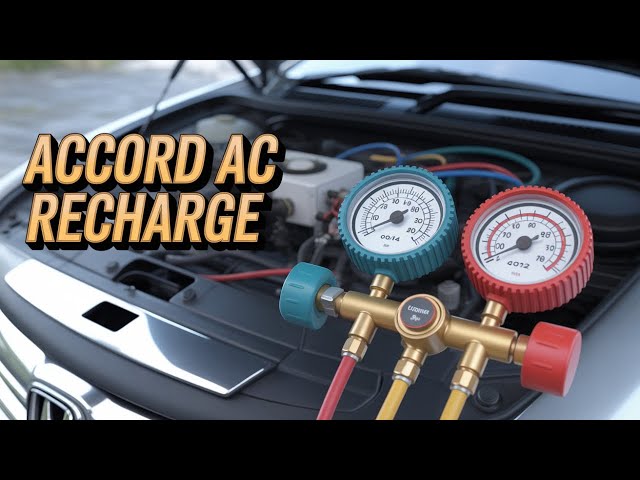
Is your car’s air conditioner not as cold as it used to be? You’re not alone.
Many drivers face this frustrating problem, especially during hot days. But here’s the good news: you can fix it yourself by learning how to fill your car air conditioner. Imagine stepping into your car and feeling a fresh, cool breeze instantly.
Sounds great, right? In this guide, you’ll discover simple steps to get your AC working like new again. No need to spend money on expensive repairs or wait in long service queues. Keep reading, and you’ll be back to enjoying cool drives in no time.
Signs Of Low Refrigerant
Warm airblowing from the vents is a clear sign of low refrigerant. The air conditioner struggles to cool the car inside.
Hissing soundsnear the AC system often mean a refrigerant leak. This noise is caused by escaping gas under pressure.
Look for visible leaksaround the AC lines or compressor. Oil stains or wet spots can show where refrigerant is escaping.
Credit: www.youtube.com
Tools And Materials Needed
Refrigerant Typemust match your car’s air conditioner system. Check the owner’s manual or label under the hood for the correct type. Using the wrong refrigerant can cause damage.
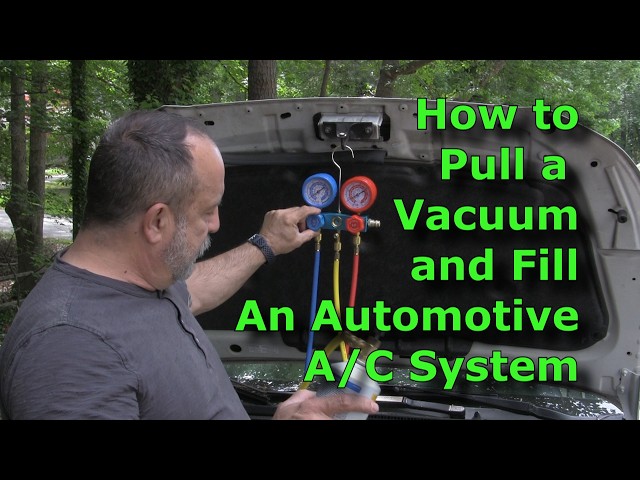
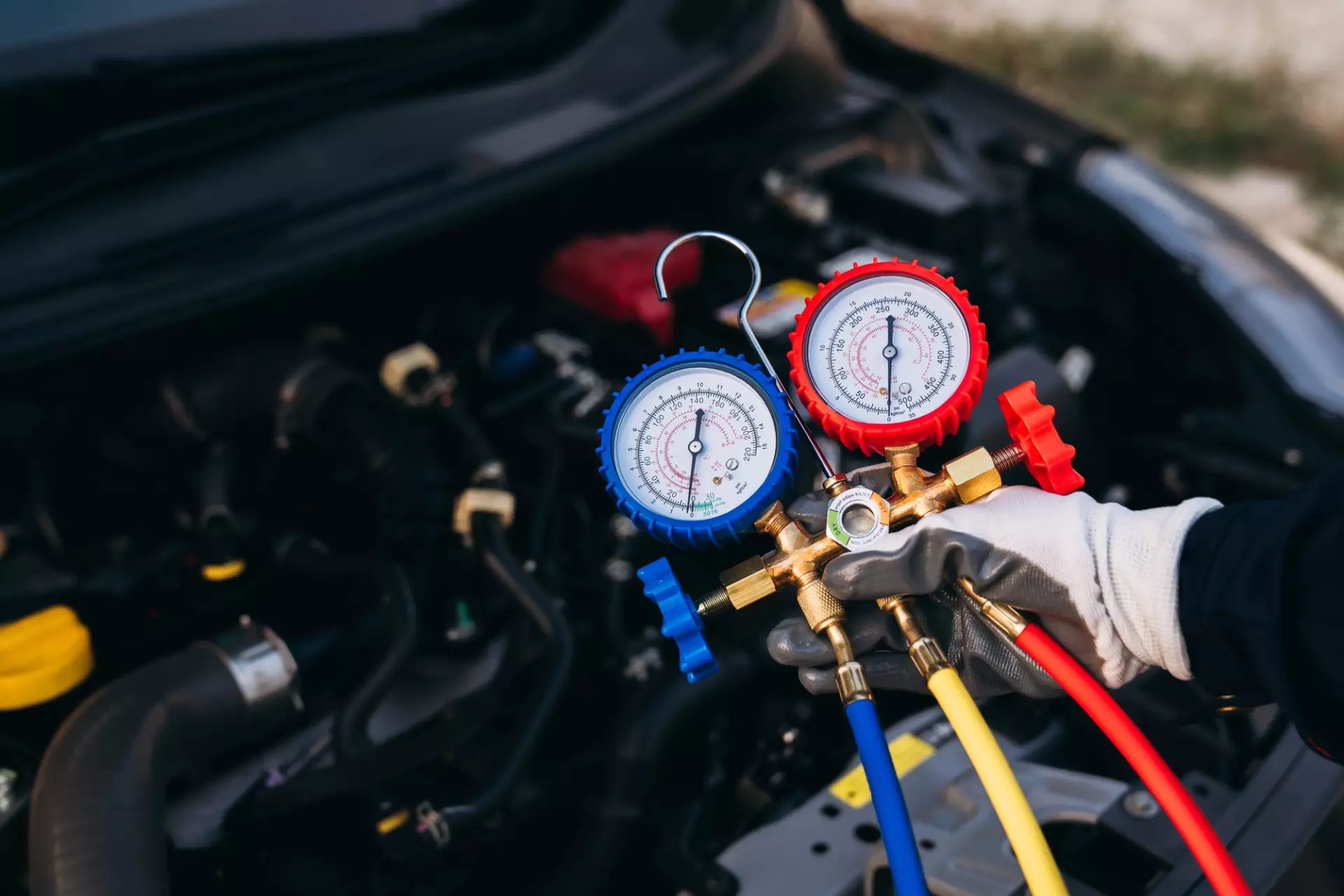
Pressure Gaugehelps measure the pressure inside the AC system. It shows if the refrigerant level is low or high. A clear and accurate gauge is important for safety.
Protective Gearincludes gloves and safety glasses. These protect your skin and eyes from harmful chemicals. Always wear protective gear before working on the AC system.
Preparing Your Vehicle
Park your car on a flat surfaceto ensure safety and accuracy. This helps the refrigerant flow evenly in the system.
Make sure the engine is offbefore starting the work. This prevents any accidents and keeps you safe while handling the air conditioner.
Find the low-pressure porton the AC system. It is usually a small valve with a cap labeled “L” or “Low.” This port is where you add refrigerant.
Credit: royaltonautoservice.com
Checking Refrigerant Pressure
Attach the pressure gaugeto the low-pressure port of the car’s air conditioner. Ensure it fits tightly to avoid leaks.
Read the pressure levelsdisplayed on the gauge carefully. These show the amount of refrigerant inside the system.
Compare the pressure readingswith the manufacturer’s specifications. This helps to know if the refrigerant is low or at the correct level.
| Pressure Range | Status |
|---|---|
| Below Manufacturer Spec | Refrigerant is low, refill needed |
| Within Manufacturer Spec | Refrigerant level is correct |
| Above Manufacturer Spec | Possible overfill or system issue |
Adding Refrigerant Safely
Shake the refrigerant can well to mix the contents inside. This helps the gas flow smoothly.
Connect the can to the car’s low-pressure port. This port is usually easy to find and labeled.
Fill the air conditioner in short bursts. This prevents overfilling and keeps the system safe.
- Shake can before use
- Attach to low-pressure port securely
- Press and release in short bursts
Monitoring System Performance
Check the temperature dropbetween the air coming out of the vents and the cabin air. It should be around 15 to 20 degrees Fahrenheit. A smaller drop means the system may not be cooling well.
Listen carefully for unusual noiseslike hissing or rattling. These sounds can signal low refrigerantor mechanical issues. Quiet running is a good sign.
Look closely for any leaksunder the car or near the AC components. Leaks can cause the system to lose refrigerant quickly. Use a leak detection sprayor soapy water to spot bubbles.
Common Mistakes To Avoid
Overfilling refrigerantcan harm the air conditioner system. It causes high pressurethat may lead to leaks or damage. Filling only the recommended amountis crucial for proper function.
Using the wrong refrigerant typecan reduce cooling efficiency. Different cars need specific refrigerants. Always check the car manualor consult a professional before filling.
- Ignoring safety precautionscan be dangerous. Refrigerants can cause frostbite or breathing issues.
- Wear glovesand eye protection.
- Work in a well-ventilated area.
- Follow all instructions carefully.

Credit: www.amazon.de
When To Seek Professional Help
Persistent cooling issuesmay signal a deeper problem. If your car’s AC does not cool well after refilling, a professional check is wise. Some faults need special tools to diagnose properly.
Complex system repairslike fixing leaks or replacing parts require expert skills. The AC system has many parts working together. Mistakes can cause more damage or waste refrigerant.
Refrigerant handling regulationsare strict. Professionals know the rules for safe and legal refrigerant use. Incorrect handling can harm the environment and lead to fines.
- Persistent cooling problems
- Leaks and mechanical issues
- Legal rules for refrigerants
- Safety concerns with handling
Frequently Asked Questions
How Do I Know If My Car Ac Needs Refilling?
If your car AC blows warm air, it might need a refill. Listen for unusual noises and check for leaks. Reduced cooling efficiency can also indicate low refrigerant levels. Regular maintenance helps ensure optimal performance. Always consult your car’s manual for guidance.
What Tools Are Needed To Fill Car Ac?
You’ll need a refrigerant refill kit, safety goggles, and gloves. A pressure gauge is also essential for accurate readings. These tools ensure a safe and effective refill. Always follow the instructions provided with the kit. Safety is paramount when handling refrigerants.
Can I Refill My Car Ac Myself?
Yes, you can refill your car AC yourself with a refill kit. Follow the instructions carefully and ensure safety precautions. If unsure, consult a professional. DIY refilling can save money but requires attention to detail. Regular maintenance extends your AC system’s lifespan.
How Often Should I Refill My Car Ac?
Typically, car ACs should be refilled every 1-2 years. However, it depends on usage and system condition. Regular checks can help identify when a refill is needed. Consult your vehicle’s manual for specific recommendations. Proper maintenance ensures optimal performance and longevity.
Conclusion
Filling your car air conditioner helps keep you cool on hot days. Follow the steps carefully to avoid damage. Use the right tools and refrigerant for best results. Check for leaks before filling the system. Regular maintenance improves air conditioner performance and saves money.
Stay safe by wearing gloves and goggles during the process. Taking small precautions makes the job easier and safer. Keep your car comfortable with a properly filled air conditioner. Simple care extends the life of your cooling system.