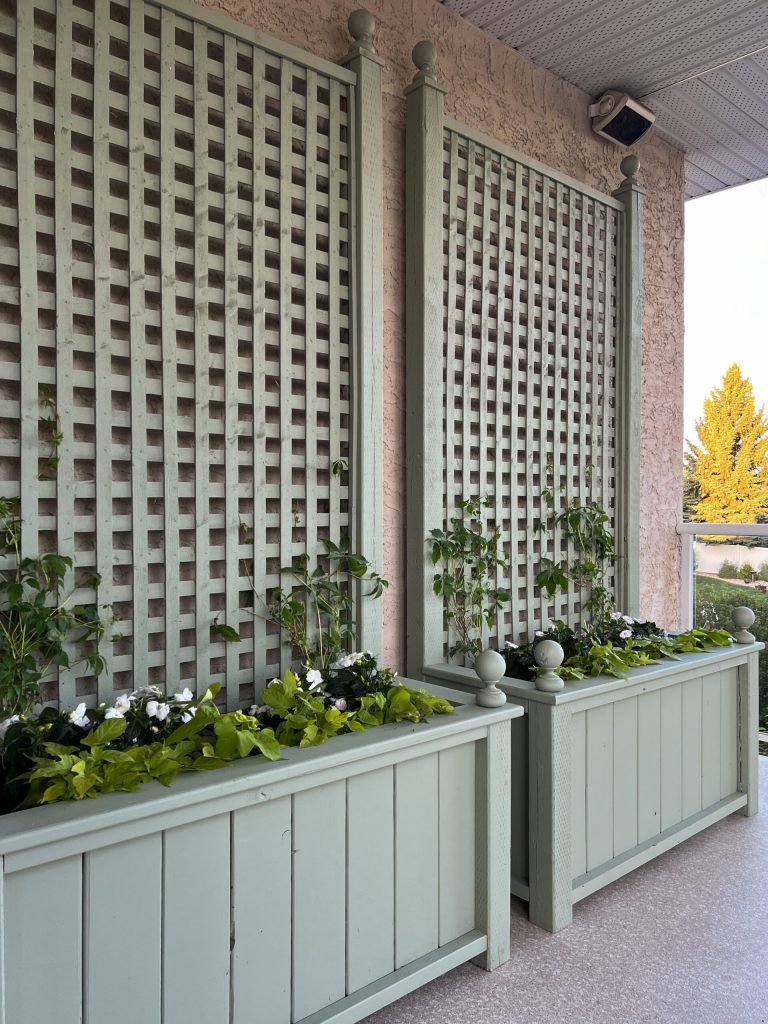
Are you ready to give your outdoor space a fresh, vibrant look? Filling outdoor planters might seem simple, but doing it the right way can make all the difference in how your plants grow and thrive.
If you want your flowers, herbs, or shrubs to stay healthy and beautiful, knowing the correct steps to fill your planters is key. Keep reading, and you’ll discover easy tips that will help you create stunning planter arrangements that last all season long.
Your garden deserves the best, and with the right technique, you’ll see amazing results!
Choosing The Right Planter
Picking the right planter is essential for healthy plants. Each choice affects growth and appearance.
Consider the material, size, and drainage before planting. These factors play a key role in plant health.
Material Matters
The material of your planter affects its weight and durability. It also impacts how much water your plants need.
- Clay pots are heavy and retain moisture well.
- Plastic pots are light and easy to move.
- Wooden planters offer a natural look.
- Metal pots are durable but can heat up in the sun.
Size And Depth Considerations
Planter size and depth should match your plant’s root system. This ensures enough space for roots to grow.
| Plant Type | Recommended Depth |
| Herbs | 6-8 inches |
| Vegetables | 12-18 inches |
| Flowers | 8-12 inches |
Drainage Essentials
Proper drainage prevents water from pooling in the planter. This helps avoid root rot and ensures plant health.

Credit: www.containedcreations.com
Selecting Soil For Outdoor Planters
Choosing the right soil is key for healthy outdoor plants. Good soil supports roots and holds water well.
Outdoor planters need soil that drains but keeps moisture. This helps plants grow strong and resist disease.
Best Soil Types
Loamy soil is the best choice for outdoor planters. It has a good mix of sand, silt, and clay.
Sandy soil drains fast but may dry out quickly. Clay soil holds water but can cause root rot.
- Loamy soil: balanced drainage and nutrients
- Sandy soil: drains well but needs frequent watering
- Clay soil: holds moisture but drains poorly
Amending Soil For Better Growth
Add organic matter to improve soil in outdoor planters. Compost and peat moss work well.
Organic matter helps soil hold water and nutrients. It also makes the soil softer for roots.
- Mix compost to add nutrients
- Use peat moss to improve water retention
- Add perlite for better drainage
Avoiding Common Soil Mistakes
Do not use garden soil in planters. It can be too dense and contain pests or diseases.
Avoid soils that stay soggy. Poor drainage can harm plant roots and cause rot.
- Never use heavy garden soil alone
- Check for good drainage in soil mix
- Do not forget to refresh soil yearly
Layering Techniques For Planters
Filling outdoor planters correctly helps plants grow healthy. Using layers in your planter gives plants the right support and nutrients.
Each layer has a special role. Drainage stops water from pooling. Nutrient layers feed the plants. Topsoil holds roots and moisture.
Creating A Drainage Layer
Good drainage is key to prevent root rot. Start with small rocks or broken pottery at the bottom. This layer lets extra water flow away from roots.
- Use 1 to 2 inches of gravel or pebbles
- Make sure the planter has drainage holes
- Do not block holes with soil
- Add a layer of landscape fabric to keep soil above rocks
Adding Nutrient-rich Layers
Plants need nutrients to grow strong. Add compost or well-rotted manure above the drainage layer. This layer feeds plants slowly over time.
| Material | Purpose |
| Compost | Provides organic nutrients |
| Manure | Improves soil fertility |
| Worm Castings | Enhances soil structure and nutrients |
| Peat Moss | Retains moisture and nutrients |
Topsoil Placement
Topsoil is the final layer. It holds moisture and supports roots. Use good quality garden soil for the best results.
Tips for topsoil:
- Fill planter to 2 inches below the rim
- Loosen soil before planting
- Water soil after planting to settle it
Choosing Plants For Lush Growth
Filling outdoor planters with the right plants helps create a full, healthy look. Choosing plants that grow well together makes your planter vibrant and long-lasting.
Think about the type of plants that suit your space and environment. This guide helps you pick plants for lush growth.
Sunlight And Climate Compatibility
Check how much sunlight your planter area gets each day. Some plants need full sun, while others thrive in shade.
Also, consider your local climate. Choose plants that survive well in your region’s weather conditions.
- Full sun plants need 6 or more hours of direct sunlight
- Partial shade plants prefer 3 to 6 hours of sunlight
- Shade plants grow best with less than 3 hours of sun
- Pick plants that tolerate your area’s temperature and humidity
Mixing Plant Varieties
Use different plant types to add interest and texture. Combine tall, medium, and trailing plants for a balanced look.
Mixing flowering plants with green foliage creates color and depth. Choose plants with varying shapes and sizes.
- Tall plants add height and structure
- Medium plants fill the middle space
- Trailing plants hang over edges for softness
- Mix colors and leaf shapes for visual appeal
Seasonal Planting Tips
Change plants based on the season to keep planters fresh and healthy. Use cool-season plants in spring and fall.
Switch to heat-loving plants in summer. Choose hardy plants for winter if you want year-round color.
- Spring/Fall: pansies, ornamental kale, snapdragons
- Summer: petunias, marigolds, geraniums
- Winter: evergreen shrubs, winter pansies, hellebores
Watering And Maintenance Tips
Keeping outdoor planters healthy needs regular care. Watering and maintenance help plants grow strong.
Good habits make your planter look beautiful all season. Learn simple tips to care for your plants.
Proper Watering Techniques
Water your outdoor planters deeply but less often. This helps roots grow strong and healthy.
Check the soil before watering. If the top inch is dry, it is time to water.
- Water early in the morning or late in the evening
- Avoid watering leaves to prevent disease
- Use a watering can or gentle spray
- Make sure water drains well to stop root rot
Fertilizing For Healthy Plants
Plants in outdoor planters need food to grow. Fertilizer gives them important nutrients.
Use a balanced fertilizer every few weeks during the growing season. Follow package instructions.
- Choose water-soluble fertilizer for easy feeding
- Do not over-fertilize; it can harm plants
- Organic fertilizers improve soil health
Pruning And Deadheading
Prune plants to keep them neat and healthy. Remove dead or damaged stems carefully.
Deadhead flowers by cutting off old blooms. This helps plants make new flowers.
- Use clean scissors or pruning shears
- Cut just above a leaf or bud
- Remove any yellow or brown leaves
- Prune regularly to promote growth

Credit: redslilschoolhouse.com
Troubleshooting Common Issues
Outdoor planters can face many problems that affect plant health. Knowing how to fix these issues helps keep plants thriving.
This guide covers common troubles like drainage, pests, and wilting. Each section offers easy tips to solve these problems.
Dealing With Drainage Problems
Poor drainage can cause water to build up in the planter. This can drown roots and harm plants.
- Check if the planter has drainage holes. Add holes if none exist.
- Use gravel or small rocks at the bottom to improve water flow.
- Choose a well-draining soil mix designed for containers.
- Do not overwater. Water only when the top inch of soil is dry.
Pest And Disease Control
Pests and diseases can damage plants quickly in outdoor planters. Early action helps prevent spread and loss.
| Issue | Signs | Action |
| Aphids | Sticky leaves, curled edges | Spray with water or insecticidal soap |
| Fungal infections | Spots on leaves, mold growth | Remove infected parts, improve air flow |
| Spider mites | Fine webbing, yellow leaves | Use neem oil or miticide |
| Slugs | Holes in leaves, slime trails | Use slug bait or handpick at night |
Reviving Wilting Plants
Wilting shows plants are stressed. Fixing the cause can bring them back to life.
- Check soil moisture. Water plants deeply if dry.
- Move planters to shade if plants get too much sun.
- Trim dead or damaged leaves to reduce stress.
- Fertilize lightly to boost growth if soil is poor.

Credit: silksareforever.com
Frequently Asked Questions
How Do I Prepare Outdoor Planters For Planting?
Start by cleaning your planter thoroughly. Add a layer of gravel for drainage. Use quality potting soil suited for outdoor plants. Avoid garden soil as it can compact and harm roots.
What Type Of Soil Is Best For Outdoor Planters?
Use a well-draining potting mix designed for outdoor use. It should retain moisture but not stay soggy. Avoid heavy garden soil, which can cause poor drainage and root rot.
How Much Drainage Is Needed In Outdoor Planters?
Ensure your planter has drainage holes. Add 1-2 inches of gravel or small stones at the bottom. This prevents water buildup and keeps roots healthy by allowing excess water to escape.
Can I Use Fertilizer In Outdoor Planters?
Yes, use slow-release or liquid fertilizer suitable for container plants. Apply it according to the plant’s needs and package instructions. Fertilizing promotes healthy growth and vibrant blooms.
Conclusion
Filling outdoor planters is simple with the right steps. Choose good soil and plants that suit your space. Add drainage materials to keep roots healthy. Water your plants carefully to avoid overwatering. Watch your planters grow and change with the seasons.
Enjoy the beauty that fresh plants bring to your outdoors. Try different styles and colors for a personal touch. Keep learning and have fun with your gardening project. Your outdoor space will look alive and welcoming.