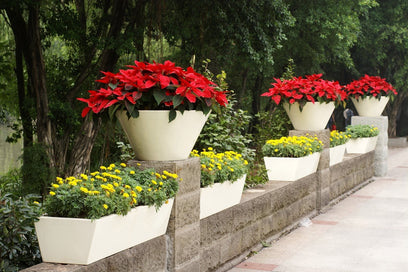
Filling your planters might seem simple, but doing it the right way can make a huge difference in how healthy and vibrant your plants grow. If you want your flowers, herbs, or veggies to thrive, knowing exactly how to fill your planters is key.
In this guide, you’ll discover easy steps that ensure your plants get the perfect balance of air, water, and nutrients. Keep reading, and you’ll learn how to give your garden the best start possible—your plants will thank you for it!
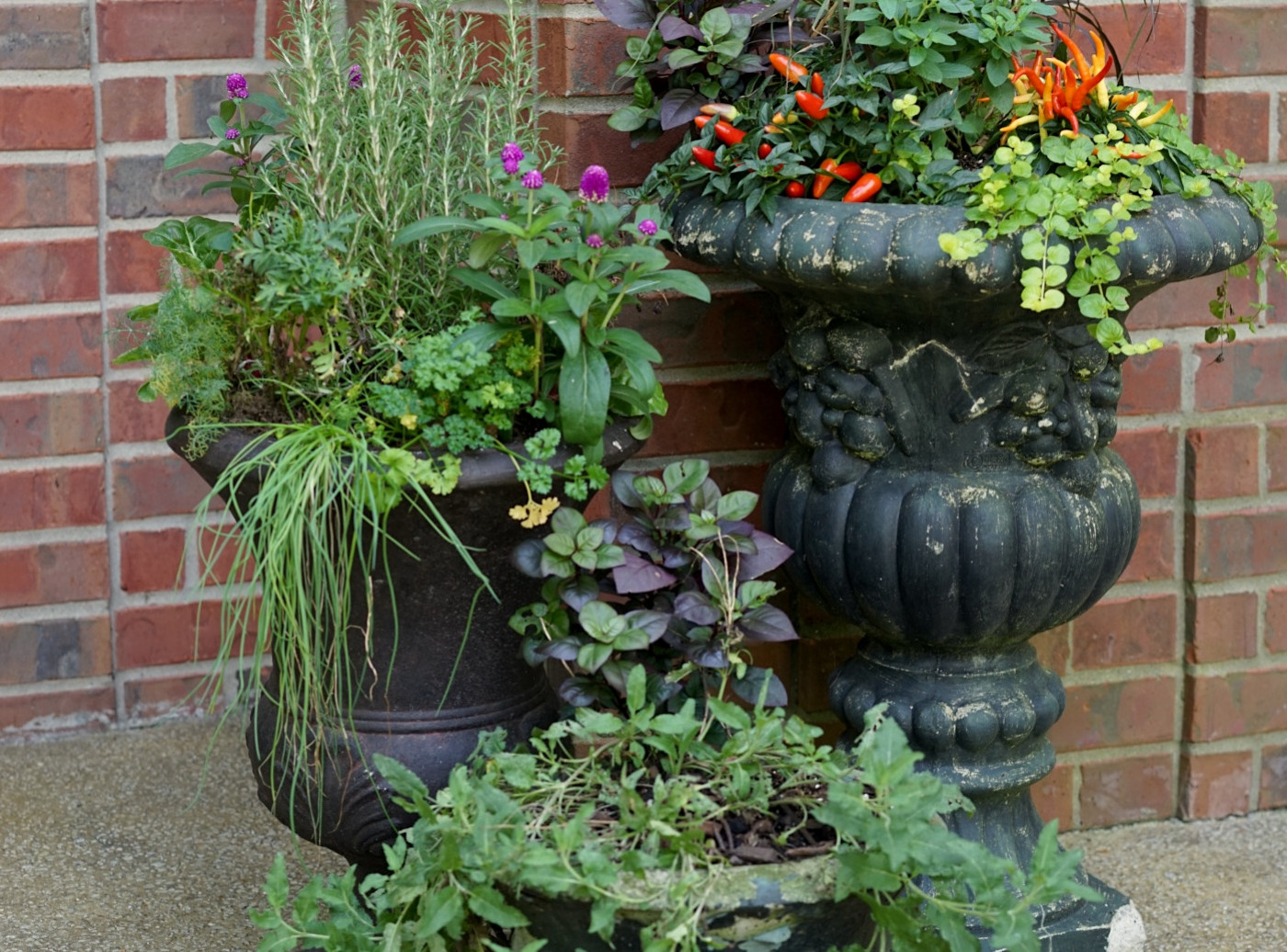
Credit: www.gardenary.com
Choosing The Right Planter
Picking the right planter is key for healthy plants. The right planter supports plant growth well.
Think about material, size, and drainage before buying a planter. These factors affect plant health.
Material Options
Planters come in many materials like clay, plastic, metal, and wood. Each has good and bad points.
Clay pots are heavy and let air reach roots. Plastic pots are light and hold moisture well. Metal pots can heat up fast. Wood planters look natural but may rot.
- Clay:Breathable, heavy, can dry out fast
- Plastic:Lightweight, retains water, less breathable
- Metal:Durable, heats up, may need lining
- Wood:Natural look, can rot, may need treatment
Size Considerations
Choose a planter size that fits your plant’s root space. Too small pots limit growth. Too big pots hold extra water.
Consider the plant size and how fast it grows. Bigger plants need bigger planters for support.
- Small plants: Use small to medium pots
- Medium plants: Use medium pots
- Large plants: Use large pots
- Fast-growing plants: Choose slightly bigger pots
Drainage Importance
Good drainage keeps plant roots healthy. It stops water from sitting at the bottom of the planter.
Look for planters with drainage holes. Add a layer of gravel or small stones to improve drainage.
- Drainage holes allow excess water to escape
- Too much water causes root rot
- Use a saucer to catch extra water
- Layer gravel at the bottom for better flow
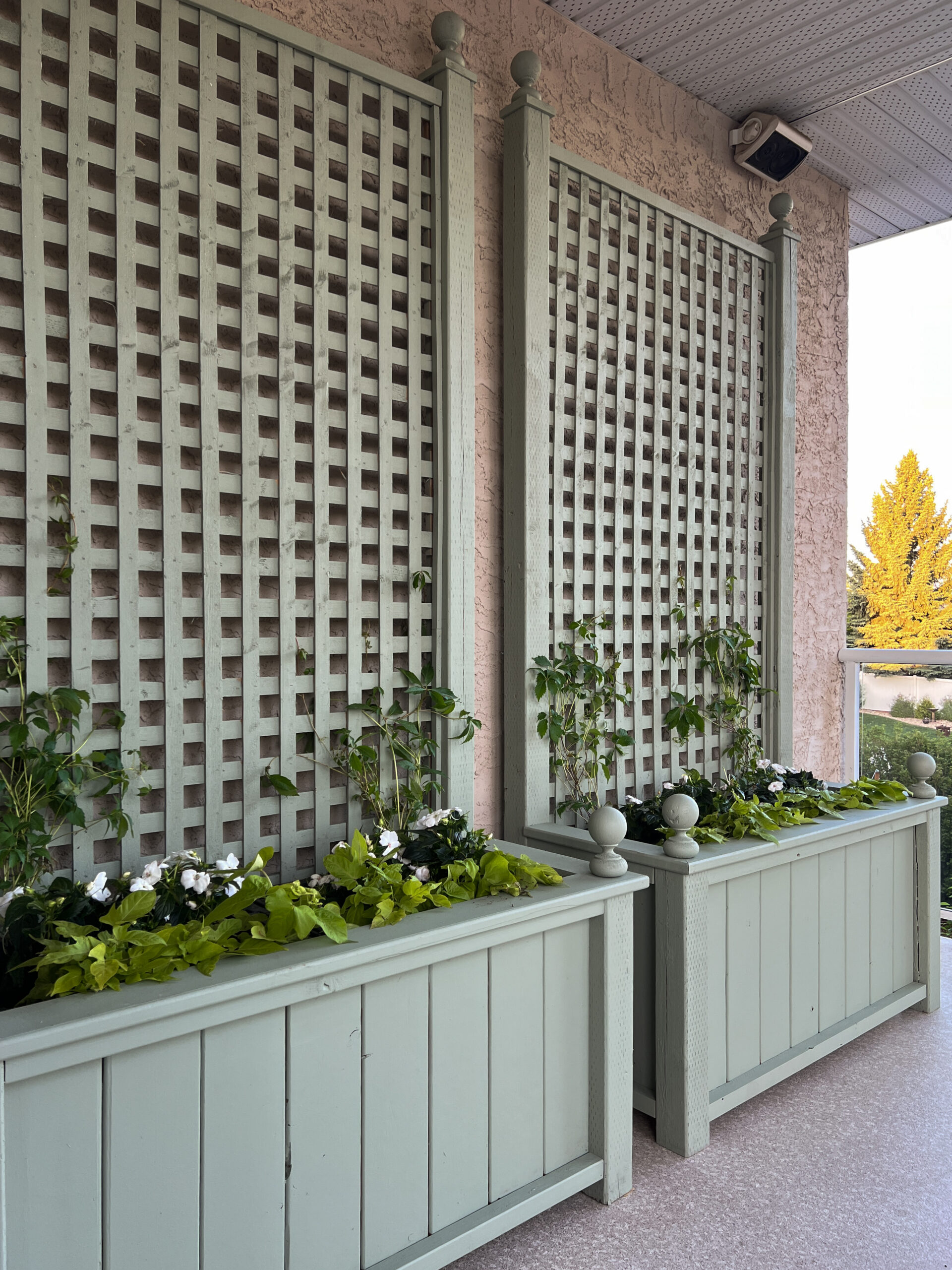
Credit: erinzubotdesign.com
Selecting Soil For Planters
Choosing the right soil is key for healthy planter growth. Different plants need different soil types. Learn how to pick the best soil for your planters.
Understanding soil components helps you make better choices. This guide covers potting mixes, soil amendments, and common mistakes to avoid.
Types Of Potting Mixes
Potting mixes are specially designed for container gardening. They provide good drainage, aeration, and nutrients. Different mixes suit different plant needs.
- All-purpose potting mix: Suitable for most houseplants.
- Cactus mix: Best for succulents and cacti with good drainage.
- Orchid mix: Made for orchids, offering extra aeration.
Soil Amendments
Soil amendments enhance soil quality. They improve drainage, nutrient content, and moisture retention. Choose the right amendments for your soil type.
Common soil amendments include:
- Compost: Adds organic matter and nutrients.
- Perlite: Improves aeration and drainage.
- Vermiculite: Helps retain moisture in the soil.
Avoiding Common Soil Mistakes
Avoiding mistakes can prevent plant stress and poor growth. Common errors include using garden soil and not checking pH levels.
| Mistake | Solution |
| Using garden soil | Use potting mix for containers |
| Ignoring soil pH | Test and adjust pH as needed |
| Overwatering | Ensure good drainage |
Layering Techniques For Planters
Filling planters correctly helps plants grow strong and healthy. Using layers in your planter improves water flow and root health.
Good layering stops water from sitting in the soil and prevents plant roots from rotting. This guide shows simple layers you can use.
Base Layers Explained
The base layer is the first part of filling your planter. It supports the other layers and helps with drainage.
Use larger materials at the bottom to keep soil from clogging the drainage holes. This also stops water from pooling.
- Use gravel, small stones, or broken pottery pieces
- Layer should be about 1 to 2 inches deep
- Make sure it covers all the bottom area of the planter
Adding Drainage Materials
Drainage materials help water move out of the planter. This keeps roots from staying too wet and getting damaged.
You can add a layer of sand or small pebbles above the base layer to improve drainage even more.
- Coarse sand lets water pass quickly
- Small pebbles create space for air
- Keep this layer about 1 inch thick
Topsoil And Mulch
Topsoil is where your plants will grow their roots. Use good quality soil that drains well but holds some moisture.
Adding mulch on top helps keep soil moist and stops weeds from growing. It also makes your planter look neat.
- Use potting soil or garden soil mixed with compost
- Fill most of the planter with this soil layer
- Add a thin layer of mulch, like bark chips, on top

Credit: www.reddit.com
Watering And Fertilizing Tips
Filling planters correctly helps your plants grow strong and healthy. Water and fertilizer are key to good growth.
Knowing how to water and feed your plants keeps them alive and blooming. Use simple tips for best results.
Water Retention Strategies
Good water retention keeps soil moist longer. This means your plants need less frequent watering.
Add materials that hold water well but still drain excess. This balance stops root rot and dryness.
- Mix coconut coir or peat moss into soil
- Add perlite or sand to improve drainage
- Use mulch on top to reduce evaporation
- Choose planters with drainage holes
Choosing Fertilizers
Select fertilizers that match your plants’ needs. Different plants need different nutrients to grow well.
Look for balanced fertilizers with nitrogen, phosphorus, and potassium. Organic options also help soil health.
- Use slow-release fertilizers for steady feeding
- Liquid fertilizers work well for quick nutrient boost
- Choose fertilizers labeled for flowers or vegetables
- Organic compost enriches soil naturally
Feeding Schedule
Feed your plants regularly but not too often. Overfeeding can harm roots and cause leaf burn.
Follow a simple schedule based on plant type and fertilizer instructions. Adjust for season and growth stage.
- Feed every 2-4 weeks during growing season
- Skip feeding in winter or dormant periods
- Use half-strength fertilizer for young plants
- Water plants before and after fertilizing
Plant Placement And Arrangement
Filling planters with plants needs careful thought. Proper placement helps plants grow well and look nice.
Choosing the right spots for each plant keeps them healthy and attractive. Good arrangement uses space smartly.
Spacing For Growth
Plants need enough space to grow their roots and leaves. Crowding plants can stop growth and cause disease.
Leave room between plants based on their size and type. Small plants need less space than big ones.
- Check plant labels for spacing advice
- Space taller plants at the back
- Keep small plants in front for visibility
- Allow room for air to flow between plants
Companion Planting Ideas
Some plants grow better near certain others. Companion planting can protect plants and improve growth.
Choose plants that help each other by keeping bugs away or sharing nutrients.
- Basil grows well with tomatoes
- Marigolds can protect many vegetables
- Lettuce does well near carrots
- Beans add nitrogen to the soil for other plants
Sunlight Requirements
Plants need different amounts of sunlight. Some like full sun, others grow in shade.
Place sun-loving plants where they get at least six hours of light. Shade plants should be in less bright spots.
- Full sun: tomatoes, peppers, and herbs
- Partial sun: lettuce, spinach, and herbs
- Shade: ferns and some flowers
Maintaining Planter Health
Keeping planters healthy helps plants grow strong. Good care stops diseases and pests.
Regular attention to soil and plants keeps your planter beautiful and thriving all year.
Pest Control
Pests can damage plants quickly. Check leaves and stems often for bugs or eggs.
Use natural ways to control pests. Remove bugs by hand or spray with water.
- Inspect plants weekly for pests
- Use insecticidal soap for small infestations
- Keep planters clean and free of debris
- Encourage beneficial insects like ladybugs
Soil Refreshing
Old soil loses nutrients and drains poorly. Refresh soil regularly to help plants.
Replace topsoil or mix in compost to add nutrients. Loosen compact soil for air flow.
- Remove dead roots and debris
- Add fresh potting mix or compost
- Mix soil lightly to improve drainage
- Do soil refresh every 6-12 months
Seasonal Care Tips
Plants need different care each season. Adjust watering and feeding based on weather.
Protect plants from frost in winter and heat in summer. Trim dead parts as needed.
- Water more in hot, dry months
- Reduce watering during cold months
- Use mulch to keep soil temperature stable
- Prune plants to remove dead or damaged growth
Frequently Asked Questions
What Is The Best Soil For Filling Planters?
The best soil for planters is a well-draining potting mix. It retains moisture but prevents waterlogging. Avoid garden soil as it can compact and harm roots. Choose soil enriched with organic matter for healthy plant growth.
How Much Soil Should I Use To Fill A Planter?
Fill your planter about two-thirds full with soil initially. Leave space at the top to add plants and cover roots. This ensures proper root growth and prevents soil from spilling when watering.
Should I Add Drainage Material At The Bottom Of Planters?
Yes, add a layer of gravel or small stones at the bottom. This improves drainage and prevents water from pooling. Proper drainage helps avoid root rot and promotes healthier plants.
Can I Reuse Old Soil To Fill Planters?
You can reuse old soil if it’s healthy and pest-free. Refresh it by mixing with fresh potting mix and compost. Avoid reusing soil that is compacted or has disease to protect new plants.
Conclusion
Filling planters properly helps your plants grow strong and healthy. Start with good soil and add layers for drainage. Keep soil loose so roots can breathe and water drains well. Choose the right soil type for your plants’ needs. Take time to fill planters carefully to avoid problems later.
Happy planting means happy plants! Your garden will look great with these simple steps. Keep it simple and enjoy watching your plants thrive.