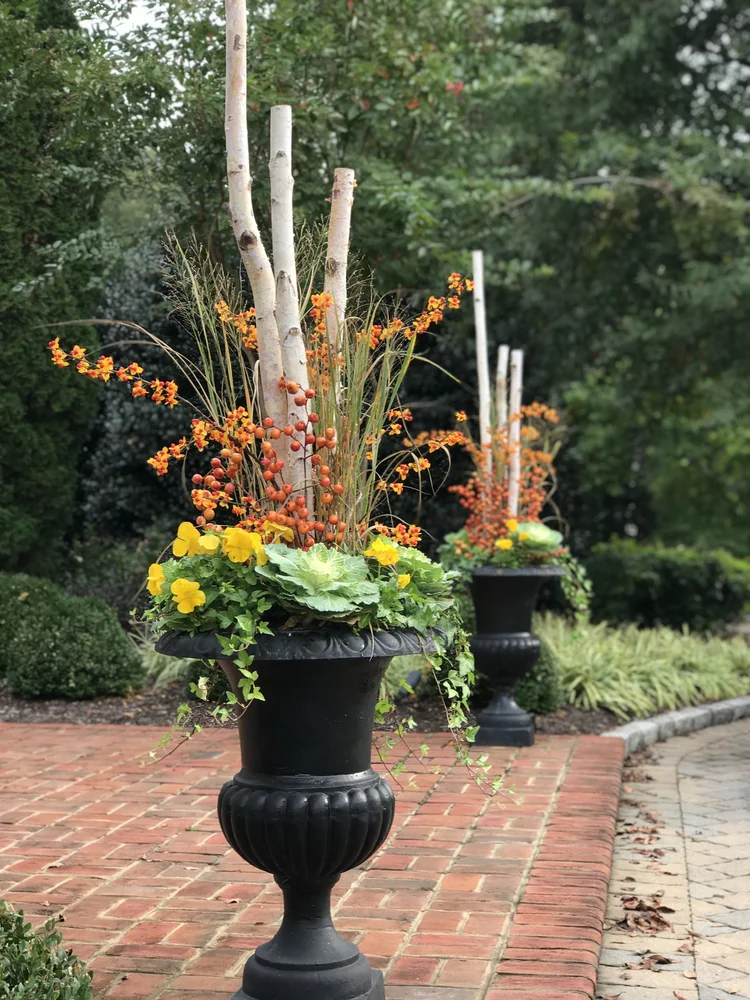
Filling tall planters might seem simple, but if you do it wrong, your plants won’t grow well and your planter could even tip over. You want your tall planter to look great, stay stable, and help your plants thrive.
You’ll discover easy, smart steps to fill your tall planters the right way. By the end, you’ll know exactly how to create the perfect environment for your plants—and avoid common mistakes that many gardeners make. Keep reading to transform your tall planters into beautiful, healthy plant homes that impress every time.
Choosing The Right Tall Planter
Picking the right tall planter helps your plants grow well. It also adds style to your space.
Tall planters come in many materials, sizes, and shapes. Choose one that fits your needs.
Materials And Styles
Tall planters are made from different materials like ceramic, plastic, wood, and metal. Each material looks different and lasts for different times.
Styles can be modern, rustic, or classic. Pick a style that matches your home or garden.
- Ceramic: heavy, good for stability, many colors
- Plastic: light, easy to move, budget-friendly
- Wood: natural look, may need sealing
- Metal: strong, can get hot in sun
Size And Drainage
Choose a tall planter with enough space for your plant’s roots. Bigger plants need bigger planters.
Good drainage keeps plants healthy. Look for planters with holes or add drainage layers inside.
- Measure your plant’s root ball before buying
- Check if the planter has drainage holes
- Use gravel or small stones at the bottom for better drainage
- Ensure the planter size fits your space
Selecting Plants For Height And Impact
Filling tall planters needs careful plant choices. The right plants bring height and beauty.
Use tall, filler, and trailing plants together. This mix creates a balanced, eye-catching look.
Tall Plants For Structure
Tall plants give your planter strong shape. They stand out and draw attention.
Choose plants that grow upright and stay tall. They make your planter look full and neat.
- Snake Plant (Sansevieria)
- Bamboo Palm (Chamaedorea)
- Dracaena
- Fountain Grass (Pennisetum)
- Italian Cypress (Cupressus)
Complementary Filler Plants
Filler plants add volume between tall plants. They create lush, green layers.
Pick plants with medium height and dense leaves. They fill space without blocking tall plants.
- Pothos
- Spider Plant (Chlorophytum)
- Geraniums
- Caladium
- Marigolds
Trailing Plants For Softness
Trailing plants soften edges of tall planters. They hang down and add movement.
Choose plants with long, flowing stems. They create a gentle, natural look.
- Ivy
- Sweet Potato Vine (Ipomoea)
- String of Pearls (Senecio)
- Trailing Petunias
- Black-Eyed Susan Vine (Thunbergia)
Preparing The Planter
Tall planters can add height and interest to your garden. Proper preparation is key for healthy plants.
Start by choosing a planter with enough depth and a drainage hole. This ensures excess water can escape.
Adding Drainage Layers
A drainage layer helps prevent root rot in tall planters. It allows water to flow away from plant roots.
Use materials like small stones or broken pottery. These create spaces for water to drain through.
- Place stones at the bottom of the planter
- Add a layer of landscape fabric on top
- Ensure drainage holes remain unblocked
Using Quality Potting Soil
Good potting soil supports plant growth and retains moisture. It should be light and airy.
Fill the planter with potting soil designed for container gardening. Avoid using garden soil as it compacts easily.
- Choose a soil mix with perlite or vermiculite
- Look for soil with added nutrients
- Avoid heavy or dense soil types

Credit: randylemmon.com
Arranging Plants In The Planter
Filling tall planters looks best when plants are arranged carefully. This helps each plant get enough space and light.
Using different plant heights creates a balanced and attractive display. Let’s explore how to place tall, mid-height, and trailing plants.
Centering Tall Plants
Tall plants go in the center of the planter. They add height and act as the main focus.
Choose plants with strong stems and upright growth. Make sure they have enough room for roots.
- Pick tall plants like snake plants or dracaenas
- Place them firmly in the middle
- Leave space around them for smaller plants
Filling With Mid-height Plants
Mid-height plants fill the space around the tall plants. They add fullness and texture.
Use plants with different leaf shapes and colors. This creates visual interest.
- Choose plants like ferns or coleus
- Plant them evenly around the tall center plants
- Keep some space for trailing plants on edges
Adding Trailing Plants On Edges
Trailing plants hang over the planter edges. They soften the shape and add movement.
Select plants that grow downward easily. They create a natural, flowing look.
- Use plants like ivy, pothos, or sweet potato vine
- Plant them near the edges of the planter
- Let their vines drape down naturally
Watering And Feeding Tips
Filling tall planters needs special care for plants to grow well. Watering and feeding are key parts of this care.
Good watering and the right fertilizers help plants stay healthy and strong in tall planters.
Proper Watering Techniques
Tall planters hold more soil, which can dry unevenly. Water deeply to reach all roots.
Check the soil moisture regularly. Water when the top inch feels dry to touch.
- Water slowly to let water soak deeply
- Use a watering can or drip irrigation
- Avoid overwatering; too much water can harm roots
- Water in the morning for best absorption
Fertilizer Choices
Tall planters need balanced feeding because nutrients wash out faster. Use fertilizers with key nutrients.
Choose slow-release or liquid fertilizers to feed plants steadily over time.
- Use a balanced fertilizer with nitrogen, phosphorus, potassium (NPK)
- Apply fertilizer every 4-6 weeks during growing season
- Follow package instructions to avoid overfeeding
- Organic fertilizers help improve soil health
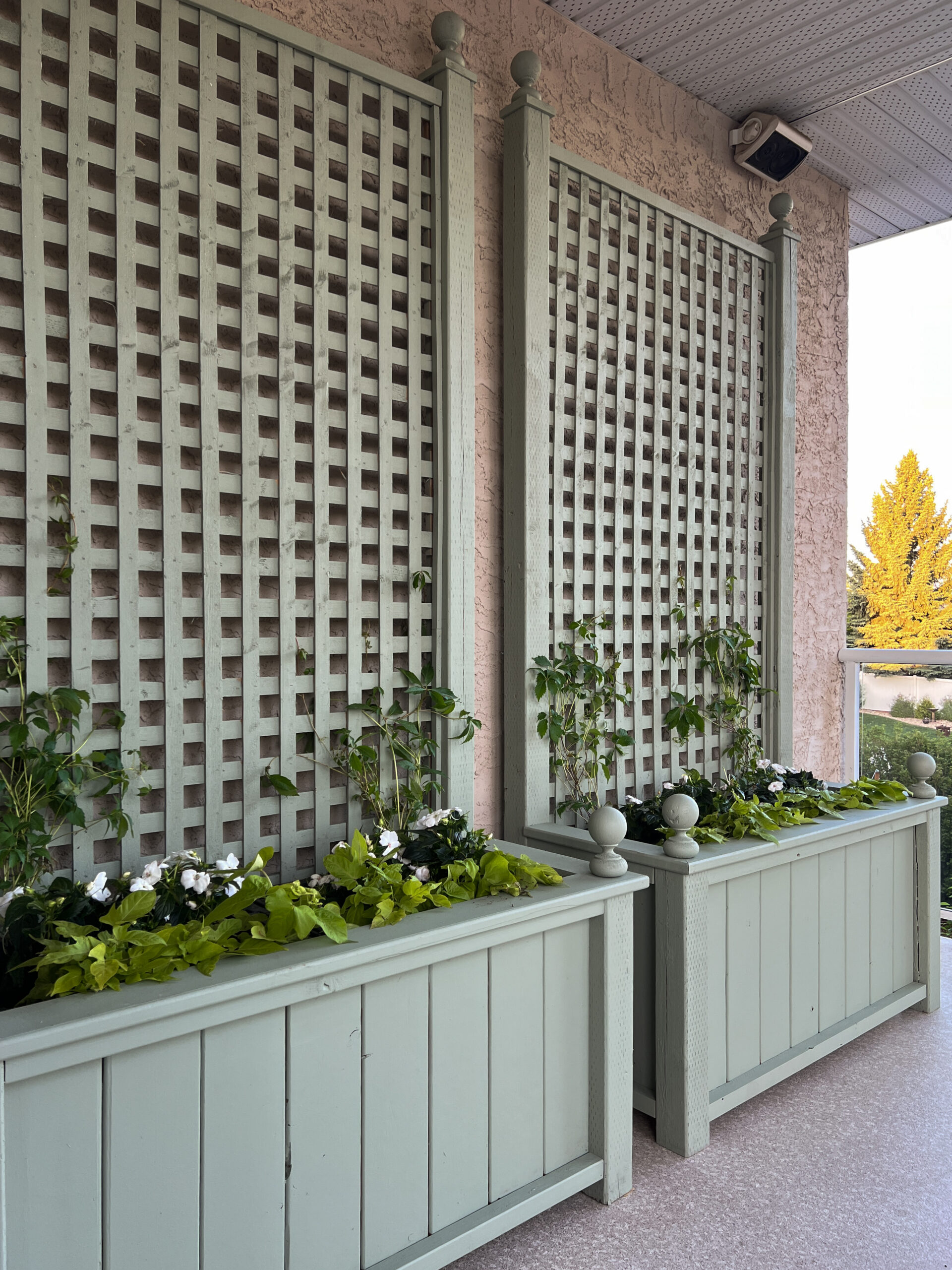
Credit: erinzubotdesign.com
Maintenance For Lasting Displays
Keeping tall planters looking great takes regular care. Simple steps help your plants stay healthy and vibrant. You can enjoy your display longer with proper maintenance.
Focus on pruning, deadheading, and changing plants with the seasons. These tasks keep your planter tidy and full of life all year.
Pruning And Deadheading
Pruning removes dead or overgrown branches. Deadheading means cutting off spent flowers. Both encourage new growth and keep plants neat.
- Cut back leggy stems to promote fullness.
- Remove faded flowers to boost blooming.
- Trim damaged leaves to improve appearance.
- Use clean, sharp scissors or pruning shears.
- Check your plants weekly for dead parts.
Seasonal Plant Swaps
Switching plants by season keeps your planter fresh and suited to the weather. Some plants thrive in cool months, others in warm.
| Season | Suggested Plants | Care Tips |
| Spring | Pansies, Tulips, Primroses | Water regularly, avoid frost |
| Summer | Petunias, Geraniums, Marigolds | Water deeply, provide shade if needed |
| Fall | Chrysanthemums, Asters, Ornamental Kale | Reduce watering, protect from frost |
| Winter | Evergreens, Cyclamen, Hellebores | Keep soil moist, avoid freezing |
Creative Design Ideas
Tall planters offer a great way to add height and interest to your garden or patio. Filling them with the right plants and colors can make your space stand out.
Using creative design ideas helps you create beautiful and eye-catching displays. Try mixing colors and styles for the best look.
Color Combinations
Choosing the right color combinations can make your tall planters pop. Bright flowers paired with green leaves create a fresh look. You can also try soft pastels for a calm feel.
- Use contrasting colors like purple and yellow for vibrancy
- Mix different shades of green for a natural look
- Combine warm colors such as red, orange, and yellow to add energy
- Try cool colors like blue and white for a soothing effect
Themed Planting Styles
Themed styles help to create a clear design idea. You can choose from many themes to match your style or outdoor space.
| Theme | Plants to Use | Style Description |
| Succulent Garden | Aloe, Echeveria, Sedum | Low maintenance and modern look |
| Herb Planter | Basil, Rosemary, Thyme | Useful and fragrant for kitchen use |
| Tropical Escape | Bird of Paradise, Ferns, Palms | Lush and vibrant, perfect for summer vibes |
| Wildflower Mix | Black-eyed Susan, Coneflower, Lavender | Natural and colorful with a meadow feel |
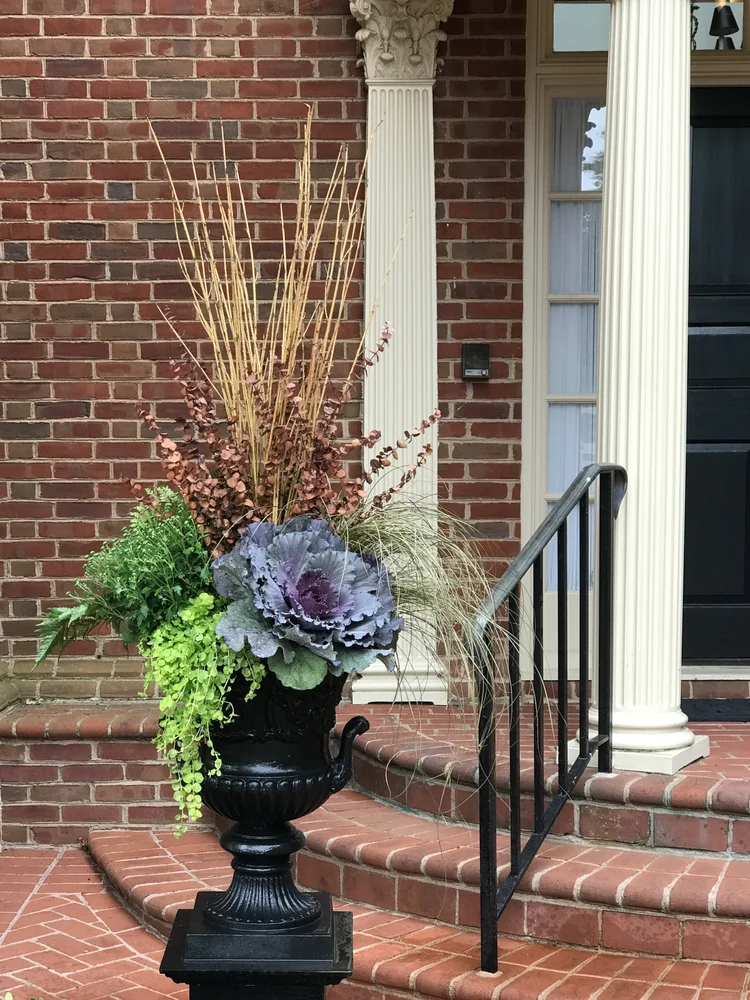
Credit: www.containedcreations.com
Frequently Asked Questions
How Do You Prepare Tall Planters For Planting?
Start by ensuring your planter has drainage holes. Add a layer of gravel or small stones to improve drainage. Then, fill with high-quality potting soil suitable for your plants. This preparation prevents waterlogging and supports healthy root growth.
What Soil Type Is Best For Tall Planters?
Use a well-draining potting mix rich in organic matter. Avoid garden soil as it can compact and restrict roots. A lightweight mix keeps roots aerated and moist, promoting plant health in tall planters.
How Much Soil Should I Add To Tall Planters?
Fill the planter to about two inches below the rim. This space helps prevent soil from spilling when watering. It also allows room for plant roots to grow comfortably and absorb nutrients.
Should I Add Drainage Material In Tall Planters?
Yes, adding a layer of gravel or broken pottery at the bottom improves drainage. It prevents water from pooling and reduces root rot risk. Proper drainage is crucial for tall planters’ plant health.
Conclusion
Filling tall planters can be simple and fun. Use light materials at the bottom to save soil. Add good quality soil on top for healthy plants. Choose plants that fit the planter’s size well. Water your plants regularly but avoid overwatering.
Keep checking your planter to ensure plants grow strong. Enjoy the beauty tall planters bring to your space. With these easy steps, your tall planters will thrive.