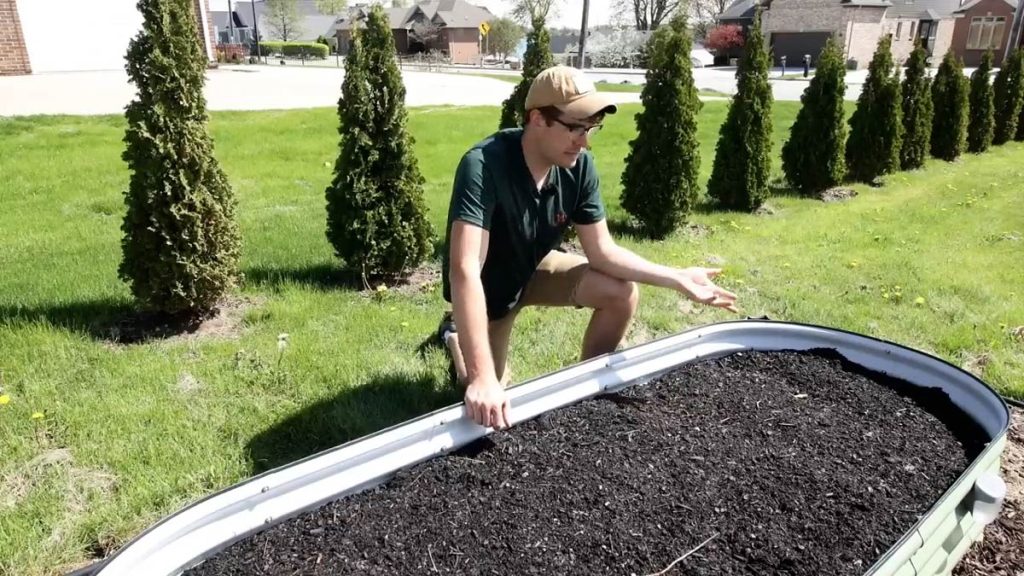
Are you ready to grow a thriving garden but unsure how to fill up your raised garden bed the right way? Getting the soil mix just right is the secret to healthy plants and bountiful harvests.
In this guide, you’ll discover simple, effective steps to prepare your raised bed so your plants get the nutrients, drainage, and support they need from day one. Keep reading and learn how to create the perfect foundation that will make your garden flourish like never before.
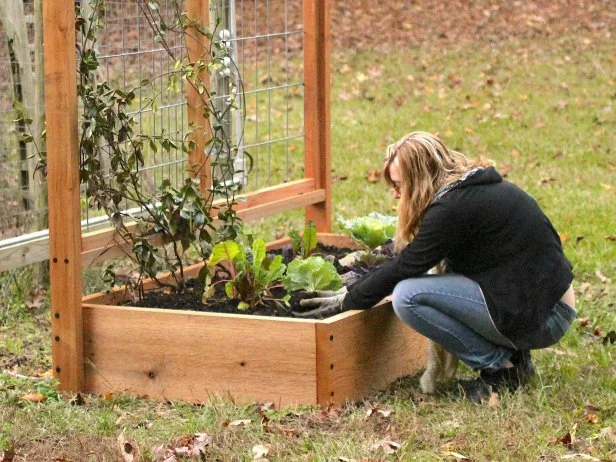
Credit: www.hgtv.com
Choosing The Right Location
Picking the right spot for your raised garden bed is key for healthy plants. The location affects sunlight, water, and access. This guide helps you find the best place.
Consider sunlight, soil drainage, and how easy it is to reach the bed. These factors will help your garden thrive and be easy to maintain.
Assessing Sunlight Exposure
Most vegetables and flowers need at least six hours of sunlight daily. Watch your yard at different times to see where the sun shines the longest.
- Choose spots with full sun if growing vegetables like tomatoes or peppers.
- Partial shade is fine for leafy greens such as lettuce or spinach.
- Avoid areas blocked by trees or buildings that cause too much shade.
Checking Soil Drainage
Good drainage stops water from pooling around your plants. Check the soil by digging a small hole and filling it with water.
| Drainage Test Result | What It Means | Action |
|---|---|---|
| Water drains within 1 hour | Good drainage | Site is suitable for a raised bed |
| Water drains slowly, over several hours | Poor drainage | Choose a different site or improve soil with sand or compost |
| Water does not drain | Very poor drainage | Avoid this location |
Considering Accessibility
You will spend time planting, watering, and harvesting. Make sure the garden bed is easy to reach and work around.
- Place the bed near your house or water source.
- Ensure paths are wide and clear for tools and wheelbarrows.
- Consider height and width so you can garden without straining your back.
Selecting Quality Soil
Filling a raised garden bed starts with choosing the right soil. Good soil helps plants grow strong and healthy.
Quality soil has the right mix of nutrients, air, and water drainage. It supports roots and keeps plants alive.
Types Of Soil Mixes
You can use different soil mixes for raised beds. Each mix has benefits depending on the plants you want.
Common soil mixes include garden soil, compost, and potting mix. Mixing these gives good texture and nutrients.
- Garden soil:Natural soil from outside, good base but may need extra nutrients
- Compost:Decayed organic matter that adds nutrients and improves soil
- Potting mix:Lightweight and drains well, often used for vegetables and flowers
- Topsoil:Surface soil, good for filling but varies in quality
Importance Of Organic Matter
Organic matter feeds plants and helps soil hold water. It also improves soil structure and air flow.
Adding compost or shredded leaves increases organic matter. This keeps the soil healthy for a long time.
- Improves nutrient supply to plants
- Increases water retention in soil
- Helps soil stay loose and easy to work
- Supports helpful soil organisms
Avoiding Contaminated Soil
Using contaminated soil can harm plants and people. Avoid soil with chemicals, heavy metals, or old waste.
Check soil source carefully. Buy soil from trusted places or test your soil if you are unsure.
- Do not use soil from industrial areas
- Avoid soil near busy roads or factories
- Test soil for toxins if needed
- Use clean, fresh soil for raised beds
Layering Materials
Filling a raised garden bed requires careful layering. Each layer plays a vital role in plant health.
From drainage to compost, learn how to layer materials effectively in your garden bed.
Starting With Drainage Layer
The bottom layer is crucial for drainage. It prevents water from pooling at the base.
- Use stones or gravel.
- Ensure even distribution.
- Layer should be about 2-3 inches thick.
Adding Compost And Topsoil
Next, add a mix of compost and topsoil. This layer provides nutrients for plant growth.
Consider this simple formula:
Ratio:60% topsoil, 30% compost, 10% other organic matter.
Incorporating Mulch For Moisture
The top layer should be mulch. It helps retain moisture and suppresses weeds.
| Type of Mulch | Benefits |
| Wood Chips | Long-lasting, aesthetic appeal |
| Straw | Lightweight, easy to spread |
| Pine Needles | Acidic, good for certain plants |

Credit: www.sproutboxgarden.com
Soil Preparation Tips
Preparing soil for your raised garden bed helps plants grow healthy. Good soil supports roots and holds nutrients. Taking time to prepare soil improves your garden’s success.
Below are key tips for preparing soil in your raised garden bed. Follow these steps for better soil quality and plant growth.
Mixing Soil Thoroughly
Mix the soil well to create a uniform texture. This helps water drain evenly and roots spread easily. Use a garden fork or shovel to combine different soil parts.
- Combine topsoil, compost, and other amendments
- Break up large clumps to avoid compacted areas
- Mix deeply to blend all layers evenly
- Remove stones, roots, and debris
Checking Soil Ph
Soil pH affects nutrient availability for plants. Most garden plants grow best in soil with pH between 6.0 and 7.0. Use a simple soil test kit to check pH before planting.
| pH Level | Soil Condition | Effect on Plants |
| Below 5.5 | Too acidic | May cause nutrient deficiency |
| 6.0 to 7.0 | Ideal range | Best nutrient availability |
| Above 7.5 | Too alkaline | Can block nutrient uptake |
Moistening The Soil
Before planting, moisten the soil evenly. Damp soil helps seeds sprout and roots grow faster. Avoid soaking; the soil should feel like a wrung-out sponge.
- Water the soil gently with a watering can or hose
- Check moisture by squeezing a handful of soil
- Add water if soil feels dry or crumbly
- Do not overwater to prevent root rot
Planting Strategies
Filling a raised garden bed is more than just adding soil. You need smart planting strategies to help your plants grow well.
This guide covers choosing plants, spacing them right, and using companion planting to improve growth.
Choosing Suitable Plants
Select plants that fit your climate and soil type. Some plants do better in raised beds than others.
Choose plants that match your garden’s sunlight and water levels for the best results.
- Leafy greens like lettuce and spinach grow fast
- Root vegetables like carrots and radishes need loose soil
- Herbs like basil and thyme are good for small spaces
- Tomatoes and peppers need plenty of sun and space
Spacing For Growth
Give each plant enough room to grow healthy roots and leaves. Crowding plants can cause poor growth.
Follow spacing guidelines on seed packets or plant tags to avoid crowding your raised bed.
- Leafy greens: space 6 to 8 inches apart
- Root vegetables: space 3 to 4 inches apart
- Tomatoes: space 18 to 24 inches apart
- Peppers: space 12 to 18 inches apart
Companion Planting Benefits
Planting certain plants together helps them grow better. They can protect each other from pests and improve soil.
Companion planting can increase your garden’s productivity without using chemicals.
- Tomatoes grow well with basil and marigolds
- Carrots and onions protect each other from pests
- Lettuce grows well near radishes and cucumbers
- Beans add nitrogen to the soil, helping leafy plants

Credit: www.epicgardening.com
Maintenance For Lush Growth
Keeping your raised garden bed healthy needs regular care. Good maintenance helps plants grow strong and green.
Water, feed, and protect your plants often. This care leads to a lush and full garden.
Regular Watering Techniques
Plants in raised beds need steady water. Water deeply to reach the roots and help plants stay healthy.
Water early in the morning or late in the evening. This reduces water loss from heat and wind.
- Use a drip irrigation system for slow, steady watering
- Check soil moisture with your finger before watering
- Avoid watering leaves to reduce disease risk
Fertilizing Schedule
Plants need nutrients to grow well in raised beds. Add fertilizer to give them the food they need.
Feed plants every 3 to 4 weeks during growing season. Use balanced fertilizers or organic compost.
- Apply slow-release fertilizer at planting time
- Use liquid fertilizer for quick nutrient boost
- Mix compost into soil to improve nutrients and texture
Pest And Disease Control
Watch your plants for bugs and diseases. Early action helps keep your garden healthy.
Use natural methods to control pests and diseases. Avoid chemicals that can harm plants or soil.
- Handpick pests like beetles and caterpillars
- Use insecticidal soap or neem oil for soft pests
- Remove diseased leaves to stop spread
- Keep garden clean and free of plant debris
Frequently Asked Questions
How Deep Should A Raised Garden Bed Be Filled?
Fill your raised garden bed with soil about 12 to 18 inches deep. This depth supports healthy root growth and proper drainage. Shallow soil layers can stunt plant development, so ensure enough depth for your plants’ needs.
What Soil Mix Is Best For Raised Garden Beds?
Use a mix of 60% topsoil, 30% compost, and 10% potting soil. This combination provides nutrients, good drainage, and moisture retention. Avoid heavy clay soils to prevent waterlogging and root rot.
Can I Use Regular Garden Soil In Raised Beds?
Regular garden soil may compact and drain poorly in raised beds. It’s better to use a well-draining, nutrient-rich soil mix. This promotes healthy plant growth and reduces maintenance.
How Often Should I Refill Or Amend The Soil?
Amend your soil annually with compost or organic matter. This replenishes nutrients and improves soil structure. Refill soil only if it has significantly settled or eroded.
Conclusion
Filling a raised garden bed takes some planning and effort. Start with good soil and add compost for nutrients. Keep layers loose for plant roots to grow well. Water the bed after filling it up. Watch your plants thrive in healthy soil.
Enjoy the fresh vegetables and flowers you grow. Gardening this way helps you connect with nature. Simple steps bring great results in your garden space. Try it yourself and see the difference it makes.