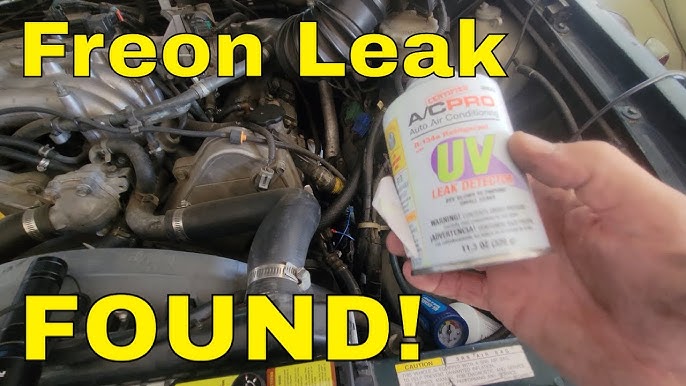
Is your car’s air conditioner not cooling like it used to? You might have a leak that’s causing the problem.
Finding a leak in your car air conditioner can save you money and keep you comfortable during hot drives. But how do you spot a leak when it’s hidden deep inside the system? You’ll discover simple and effective ways to find that leak quickly, even if you’re not a mechanic.
Keep reading to learn the easy steps that will help you fix your AC and enjoy cool air again.

Credit: www.youtube.com
Signs Of An Ac Leak
Car air conditioners need refrigerant to cool the air. Leaks cause less cooling and other problems. Knowing the signs helps you find leaks early.
Watch for changes in how your AC works. This guide shows key signs to spot a leak in your car AC system.
Reduced Cooling Performance
The AC may blow warm or less cold air if there is a leak. You might feel the cooling is weaker than before. This happens because the refrigerant escapes.
If your car takes longer to cool the inside, or the air feels warm, it is a sign of a leak. Check the AC system soon to avoid damage.
Unusual Noises
Hissing or bubbling sounds near the AC parts can mean refrigerant is leaking. These noises come from gas escaping the system. Listen carefully when the AC runs.
Any new or strange sound from the AC system should be checked. It may help find the leak location quickly.
Visible Refrigerant Oil
Refrigerant leaks often leave oily spots on hoses or AC parts. This oil moves with the refrigerant and shows where the leak is. Look under the hood for wet or greasy areas.
- Check hoses for wet or shiny spots
- Look around the compressor and connections
- Oil stains can be bright or dark
Cleaning the area before running the AC helps spot fresh oil from leaks.
Foul Odors
A leaking AC can cause bad smells inside the car. The smell comes from mold or bacteria growing in the system. It may also come from refrigerant leaks affecting air quality.
If you smell something musty or chemical-like when the AC runs, check for leaks. Cleaning the AC system and fixing leaks stops the odors.
Credit: www.autovob.com
Tools Needed For Leak Detection
Finding a leak in your car’s air conditioner can be tricky. Using the right tools makes it easier. Here are some tools that help find leaks.
Uv Dye And Light
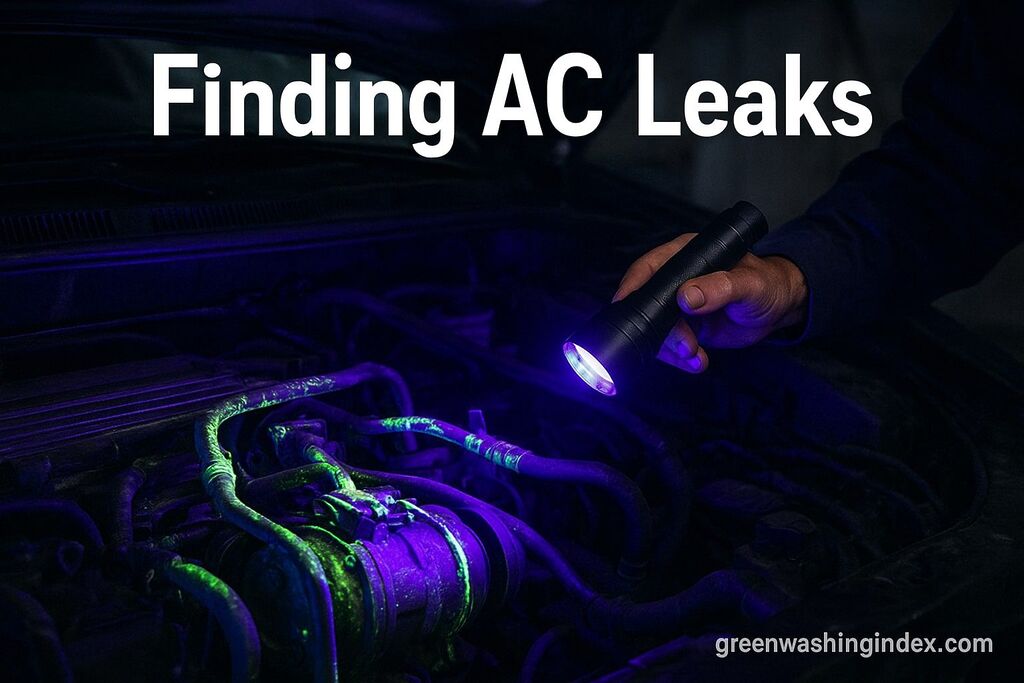
UV dye is a special liquid added to the air conditioner. It helps find leaks when used with a UV light. The dye glows under the light, showing where leaks are.
- Easy to use
- Shows leaks clearly
- Safe for the system
Electronic Leak Detector
An electronic leak detector sniffs out refrigerant leaks. It has a probe that senses gas in the air. This tool is accurate and fast.
- Detects small leaks
- Portable and handy
- Beeps when a leak is found
Soap Solution
A soap solution is a simple way to find leaks. Mix soap with water and apply it to connections. Bubbles form where the leak is.
- Cheap and easy
- Works on various parts
- Immediate results
Pressure Gauge
A pressure gauge shows the pressure inside the air conditioner. Low pressure might mean a leak. Checking regularly helps spot problems early.
- Monitors system health
- Simple to read
- Helps prevent bigger issues
Preparing Your Car For Inspection
Finding a leak in your car’s air conditioner starts with good preparation. You need to get your car ready for a thorough check. This helps you spot issues faster and safer.
Before you begin, make sure you understand the key steps. These include safety, cleaning, and checking pressure. Each step is important for a proper inspection.
Safety Precautions
Working on your car’s AC system can be risky. Follow safety rules to protect yourself and your vehicle.
- Park your car on a flat, stable surface and turn off the engine.
- Wear gloves and safety goggles to avoid contact with refrigerant.
- Do not smoke or use open flames near the AC system.
- Work in a well-ventilated area to avoid inhaling fumes.
- Keep children and pets away from the workspace.
Cleaning The Ac Components
Clean parts of your AC system before inspecting. Dirt and debris can hide leaks or damage.
| Component | Cleaning Method | Tools Needed |
| Condenser | Use a soft brush or compressed air to remove dirt. | Soft brush, compressed air |
| Evaporator | Wipe with a damp cloth, avoid soaking electrical parts. | Damp cloth |
| Hoses and Connections | Inspect and clean with a mild cleaner to remove grime. | Mild cleaner, cloth |
Checking System Pressure
Pressure checks help find leaks by showing if the AC system holds the right amount of refrigerant.
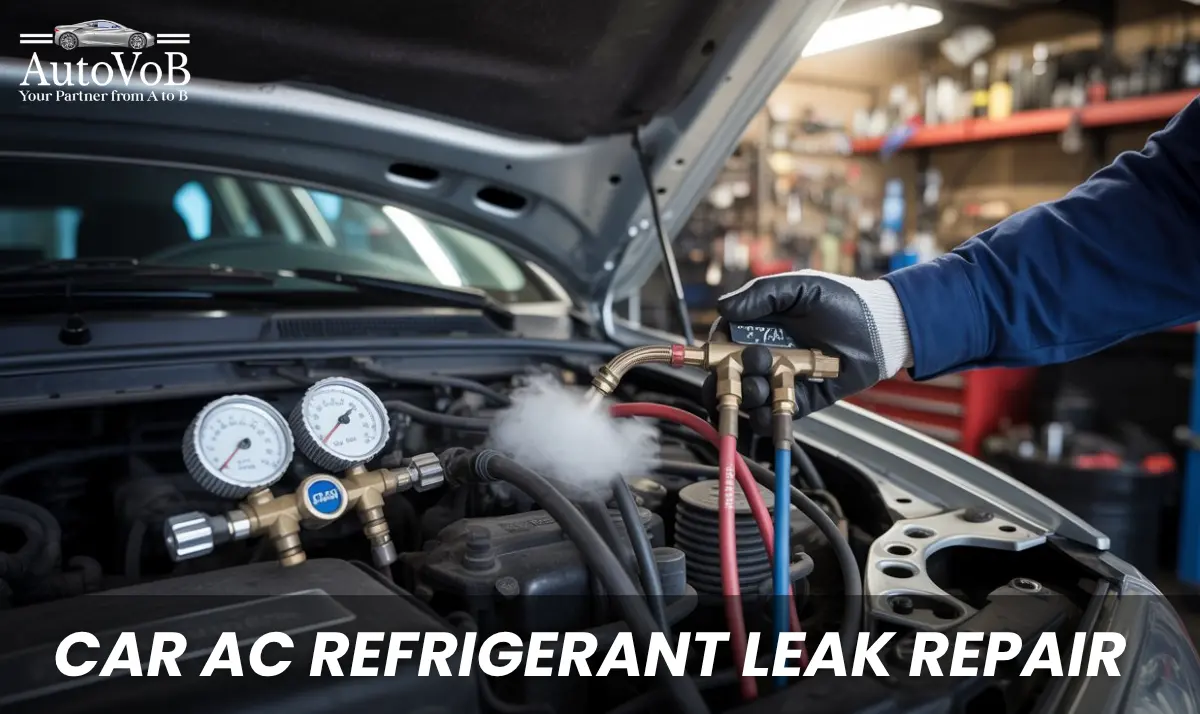
- Attach pressure gauges to the low and high-pressure ports of the AC system.
- Start the engine and turn on the AC to the highest setting.
- Compare the gauge readings to the manufacturer’s recommended pressure levels.
- Look for pressure drops that may indicate leaks.
- If pressure is too low or too high, avoid adding refrigerant before fixing leaks.
Step-by-step Leak Detection Methods
Finding a leak in your car air conditioner helps keep it working well. Leaks cause the AC to lose cooling power. You can check for leaks using simple tools and steps.
This guide shows easy ways to find leaks. Use these methods to keep your car cool and comfortable.
Using Uv Dye
UV dye is a special liquid that glows under UV light. Add the dye to your AC system. Run the AC for a short time to spread the dye.
Turn off the engine and use a UV light to look for glowing spots. These spots show where the leak is. Check hoses, connections, and the compressor.
- Add the dye to the AC system
- Run the AC to spread the dye
- Use a UV light to find glowing leaks
- Inspect hoses and fittings carefully
Applying Soap Solution
Soap solution makes bubbles at leak points. Mix water with a little liquid soap in a spray bottle. Spray the solution on AC parts that may leak.
Look closely for bubbles forming. Bubbles mean air or refrigerant is escaping. This method is cheap and easy to do at home.
- Mix water and liquid soap
- Spray on AC hoses and joints
- Watch for bubbles
- Mark any spots with bubbles
Employing Electronic Detectors
Electronic leak detectors sense refrigerant gas in the air. Turn on the detector and move its tip near AC parts. The detector will beep or light up near leaks.
This tool is precise and faster than other methods. It helps find small leaks that are hard to see.
- Switch on the electronic detector
- Scan AC hoses and connections
- Listen or watch for signals
- Pinpoint leak locations
Listening For Hissing Sounds
A hissing sound can mean a leak in your AC system. Turn off loud engine noises and listen near AC parts. Use a mechanic’s stethoscope or a long screwdriver to hear better.
Move the listening tool along hoses and fittings. Stop when you hear a clear hissing noise. This shows where air or gas escapes.
- Quiet the engine area
- Use a stethoscope or screwdriver
- Listen near AC hoses and joints
- Locate the hissing noise
Common Leak Points In Ac System
Car air conditioners can leak refrigerant from different parts. Finding leaks early helps keep the system cool. Knowing common leak spots saves time and money.
Leaks reduce AC performance and can harm the environment. Look closely at these parts to spot leaks in your car AC system.
Compressor And Hoses
The compressor pressurizes the refrigerant and moves it through the system. Hoses connect the compressor to other parts. Both can develop leaks over time.
Leaks often happen at hose connections or where hoses rub against parts. Cracks or holes in hoses also cause leaks.
- Check hose ends for loose clamps
- Look for cracks or wear on hoses
- Inspect compressor seals for oil spots
Condenser And Evaporator
The condenser cools the refrigerant by releasing heat. The evaporator absorbs heat from inside the car. Both have thin tubes and fins where leaks can occur.
Damage from road debris or corrosion can cause leaks. Look for oily residue or wet spots on these parts.
- Inspect condenser fins for bent or broken areas
- Check evaporator for moisture or stains inside the cabin
- Look for signs of refrigerant oil around these parts
O-rings And Seals
O-rings and seals keep refrigerant from escaping at connections and joints. Over time, they dry out, crack, or shrink.
Leaking O-rings cause small but steady loss of refrigerant. Inspect these parts when fixing leaks or replacing components.
- Check O-rings at hose fittings and valve connections
- Look for signs of oil or moisture near seals
- Replace damaged or hardened O-rings promptly
Expansion Valve
The expansion valve controls refrigerant flow into the evaporator. It has small openings and seals that can leak refrigerant.
Leaks here often cause a drop in cooling performance. Check the valve body and connections for signs of leaks.
- Inspect valve for cracks or damage
- Look for oil stains around the valve area
- Test valve function if cooling is weak
Fixing Minor Leaks Yourself
Small leaks in your car air conditioner can lower its cooling power. Fixing minor leaks yourself saves time and money.
Some simple tools and products help seal leaks without needing a mechanic. Here are easy ways to handle minor leaks.
Sealing With Ac Leak Stopper
AC leak stopper is a liquid that seals small holes and cracks. It is added directly to the AC system through the low-pressure port.
The stopper circulates with the refrigerant and blocks leaks. It works best for tiny leaks inside hoses or connections.
- Buy a product made for your car’s AC type
- Follow instructions to add the stopper carefully
- Run the AC to spread the liquid evenly
- Check if the cooling improves after sealing
Replacing O-rings
O-rings are small rubber rings that seal joints in the AC system. Old or cracked O-rings cause leaks at hose connections.
Replacing worn O-rings stops leaks and keeps the system tight. You need to find the right size for your car model.
- Locate leaking joints with visual or UV dye inspection
- Remove the old O-ring carefully without damage
- Lubricate the new O-ring with AC oil before fitting
- Install the new O-ring and tighten the connection
Tightening Loose Connections
Loose connections cause refrigerant leaks and reduce cooling. Checking all clamps and bolts can fix these leaks easily.
Use a wrench or screwdriver to tighten fittings but do not overtighten. Tight joints stop leaks and keep the AC running well.
- Find loose hose clamps and bolts on the AC lines
- Use the right tool to tighten connections firmly
- Check for leaks after tightening
- Repeat if needed until no leaks appear
When To Seek Professional Help
Finding a leak in your car’s air conditioner can be tricky. Some leaks are small and easy to fix. Others need expert help to avoid damage.
Knowing when to call a professional saves time and keeps your AC working well. This guide explains when to get help.
Large Or Hard-to-find Leaks
Big leaks let refrigerant escape fast. This causes your AC to stop cooling quickly. Hard-to-find leaks hide inside parts or hoses.
Professionals use special tools to find these leaks. Trying to fix them yourself can cause more damage or waste refrigerant.
System Recharge And Testing
After fixing leaks, your AC system needs a recharge. This means adding the right amount of refrigerant. Too much or too little can harm the system.
Professionals test the system pressure and performance. They make sure the AC cools properly and runs safely.
Handling Refrigerants Safely
Refrigerants can be harmful to people and the environment. They require special handling and equipment. Improper use can cause injury or pollution.
Only trained technicians should work with refrigerants. They follow safety rules and use protective gear to avoid risks.
Credit: www.greenwashingindex.com
Preventing Future Leaks
Finding a leak in your car’s air conditioner is just the first step. Preventing future leaks keeps your AC working well longer. Taking care of the system helps avoid costly repairs.
Simple habits and checks can protect your AC from damage. Use the right methods and inspect parts often. This lowers the risk of leaks and improves cooling.
Regular Maintenance Tips
Regular maintenance keeps your AC system healthy. Change filters and clean the condenser. Check refrigerant levels to avoid pressure issues.
- Replace cabin air filters every 12,000 miles
- Clean condenser fins of dirt and debris
- Check refrigerant pressure with proper tools
- Inspect hoses for cracks or wear
- Schedule professional AC check-ups yearly
Proper Use Of Ac System
Using your AC system the right way can stop leaks. Avoid turning the AC on and off quickly. Let the car engine warm up before using full cooling.
| Do | Don’t |
| Run AC regularly, even in winter | Turn AC on full blast immediately |
| Use recirculate mode to save pressure | Ignore strange noises or smells |
| Keep engine well maintained | Overload the AC system with low refrigerant |
Inspecting Components Periodically
Check the AC components to catch leaks early. Look at seals and connections. Use UV dye or leak detection sprays for spotting leaks.
- Look for oily spots on hoses and fittings
- Check compressor and condenser for damage
- Examine AC lines for corrosion or cracks
- Test system pressure for drops
Frequently Asked Questions
How Can I Detect A Leak In My Car Ac System?
Check for oily residue or stains near AC components. Use a UV dye and blacklight for better visibility. Listen for hissing sounds while the system runs. These methods help locate leaks quickly and accurately.
What Tools Are Needed To Find Car Ac Leaks?
You need a UV dye kit, blacklight, and a pressure gauge. Refrigerant leak detectors can also help. These tools make leak detection easier and more precise.
Why Is My Car Ac Blowing Warm Air?
Warm air often indicates a refrigerant leak causing low pressure. It reduces cooling efficiency. Inspect for leaks and recharge refrigerant if necessary. Early detection prevents costly repairs.
Can I Fix A Car Ac Leak Myself?
Minor leaks can be fixed with sealant products. However, major leaks require professional repair. Proper tools and knowledge ensure safety and effectiveness. Always assess the leak severity before attempting repairs.
Conclusion
Finding a leak in your car’s air conditioner is easier than you think. Start by checking common spots like hoses and connections. Use simple tools like soapy water or a leak detection kit. Catching leaks early saves money and keeps you cool.
Regular checks help avoid bigger problems later. Take your time and be patient. A little effort can make your AC work like new again. Stay comfortable on every drive by keeping your system leak-free.