
Finding your air conditioner drain line might sound tricky, but it’s easier than you think. If your AC is leaking water or not draining properly, locating this line is the first step to fixing the problem.
Knowing exactly where your drain line is can save you time, money, and the hassle of calling a professional. You’ll discover simple, clear steps to quickly find your AC drain line and keep your system running smoothly. Ready to take control of your air conditioner’s health?
Let’s dive in.
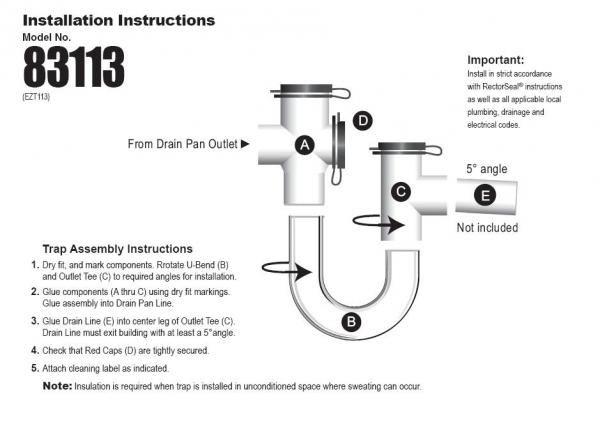
Credit: www.doityourself.com
Locate The Indoor Unit
Finding the air conditioner drain line starts with locating the indoor unit. This unit is where the condensation collects and drains out. Knowing its location helps you access the drain line for cleaning or repairs.
The indoor unit is often inside your home, near a wall or ceiling. It looks different depending on the type of air conditioner you have.
Check Common Locations
Indoor units are usually installed in certain areas. Look for them in these common spots around your home.
- Mounted high on a wall in living rooms or bedrooms
- Inside a drop ceiling or attic space
- Near the furnace or air handler closet
- In basements or utility rooms
Identify The Air Handler Or Evaporator Coil
The indoor unit includes the air handler or evaporator coil. It cools the air and collects water. You can find the drain line attached to this part.
| Indoor Unit Part | Description | Drain Line Connection |
| Air Handler | Blower that moves air | Usually at the base or side |
| Evaporator Coil | Removes heat from air | Near the coil pan |
Look For The Drain Line Pipe
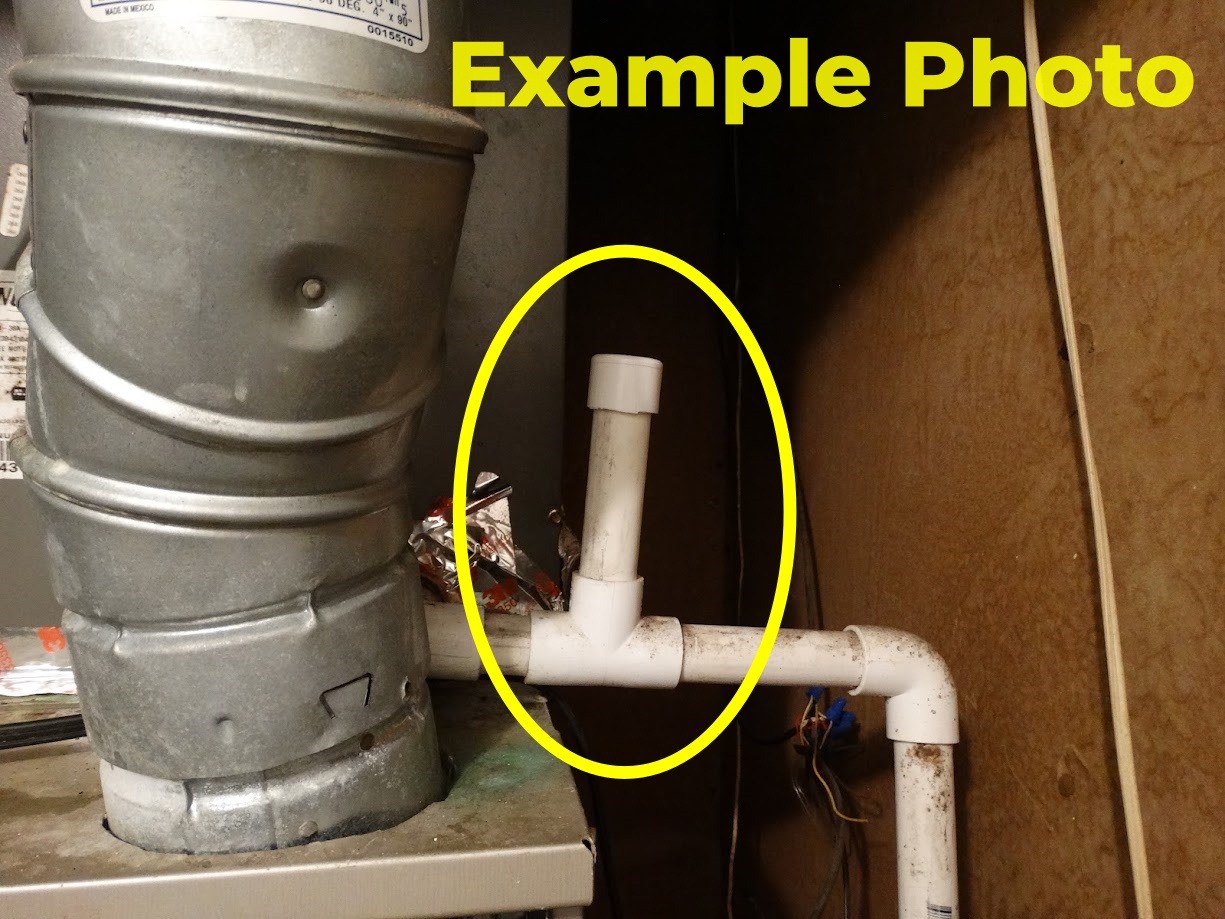
The drain line is a small pipe that carries water away. It usually runs from the indoor unit toward the outside or a drain.
- Follow any small PVC or plastic pipe from the indoor unit.
- Check near the bottom of the unit for a pipe exiting through a wall or floor.
- Look for a pipe that may drip water or be wet.
Credit: garynsmith.net
Identify The Drain Pan
The drain pan is a crucial part of your air conditioner. It collects condensation and directs it away from the unit. Knowing how to find it helps you maintain your system.
Locating the drain pan is simple once you understand its role and position. This guide will help you find it easily.
Understand The Air Conditioner Layout
Air conditioners have several key parts. Understanding where each part is located helps in identifying the drain pan.
- The evaporator coil is usually at the top.
- The drain pan sits directly below the coil.
- Find the drain line attached to the pan.
Check For The Drain Line
The drain line is an essential component. It carries water from the drain pan to the outside.
Look for a white or clear plastic tube. This tube is your drain line. It starts at the drain pan and leads outside your home.
Inspect The Drain Pan
Once you find the drain line, inspect the pan. Ensure it is free of debris and clogs.
| Task | Frequency |
| Check for blockages | Monthly |
| Clean the pan | Every 3 months |
| Inspect the drain line | Every 6 months |
Trace The Drain Line
Finding the air conditioner drain line is important for maintenance. This line removes water from your AC system.
Tracing the drain line helps you spot clogs or leaks early. It also keeps your AC running smoothly.
Check Near The Air Handler
The drain line usually starts at the air handler inside your home. Look around the unit carefully.
Find a small pipe or tube that drains water from the air handler. It is often made of PVC or clear plastic.
Follow The Pvc Pipe
The drain line often uses PVC pipe to carry water outside. Follow this pipe from the air handler.
The pipe may run along walls or floors. Look for a pipe sloping downward to help water flow out.
- Look for white or off-white PVC pipe
- Check corners and baseboards for hidden pipes
- Trace the pipe until it leaves the house
Inspect The Exterior Exit Point
The drain line ends outside your home. It usually drains on the ground or into a drain.
Look for a small pipe sticking out of the wall or near the foundation. Water may drip from it.
- Check near the outdoor AC unit
- Look for water stains or damp ground
- Make sure the pipe is clear and not blocked
Clear Common Blockages
Air conditioner drain lines often get blocked by dirt and algae. These blockages stop water from draining properly. Clearing the drain line keeps your AC working well.
Here are simple ways to find and clear common blockages in your AC drain line. Use easy tools and safe solutions to fix the problem.
Use A Wet/dry Vacuum
A wet/dry vacuum can remove blockages at the drain line’s end. This tool sucks out dirt and debris clogging the pipe. Make sure the vacuum fits tightly on the drain line.
Turn on the vacuum for a few minutes. This pulls out any buildup inside the line. Check if water drains better after this step.
Apply Vinegar Solution
Vinegar kills algae and mold inside the drain line. Pour a cup of white vinegar into the drain line’s access point. Let it sit for 30 minutes to work well.
This natural cleaner keeps the drain line clear without harsh chemicals. Regular vinegar use stops future blockages from forming.
Flush With Water
Flushing the drain line with water clears loose dirt and vinegar residue. Use a garden hose or a large cup of water. Pour the water slowly into the drain line’s access point.
Repeat flushing until water flows freely out of the drain line. This step ensures all blockages are washed away for smooth drainage.
Prevent Future Clogs
Finding your air conditioner drain line is important to keep it clean. A clean drain line stops water from backing up. This helps avoid costly repairs and keeps your AC working well.
Regular care and the right tools can keep your drain line clear. This guide shows easy ways to prevent clogs and protect your AC.
Regular Maintenance Tips
Check your drain line often for dirt or blockages. Clean it at least once every few months. Use a wet-dry vacuum to clear out debris from the drain opening.
Flush the drain line with a mixture of water and vinegar. This helps remove algae and mold. Make it part of your home maintenance routine to avoid buildup.
- Inspect the drain line monthly for leaks or cracks
- Clear visible dirt or mold near the drain
- Use vinegar to flush the line every 3 months
- Keep the area around the drain clean and dry
Install A Drain Line Filter
A drain line filter catches dirt and debris before they enter the pipe. This reduces the chance of clogs. Filters are easy to install near the drain line opening.
Use a filter made for air conditioner drain lines. Check and clean the filter regularly. Replace it if it is damaged or very dirty.
- Choose a filter that fits your drain line size
- Clean the filter every month to keep it effective
- Replace the filter every year or as needed
- Check that the filter is securely attached

Credit: www.reddit.com
When To Call A Professional
Finding the air conditioner drain line can be tricky for many homeowners. Sometimes the problem is simple to fix. Other times, it needs expert help.
Knowing when to call a professional saves time and prevents damage. This guide explains key signs that show you need a technician.
Persistent Clogs Or Blockages
If the drain line clogs often or water backs up, it is best to call a professional. They have the tools to clear tough blockages safely.
Water Leaks Around The Unit
Leaks near your air conditioner may mean the drain line is damaged or clogged. A technician can check and fix leaks to stop water damage.
No Drain Line Visible
Sometimes the drain line is hidden inside walls or ceilings. If you cannot find it, a professional can locate and inspect it safely.
Unusual Smells Or Mold Growth
Bad smells or mold near your AC unit often come from a clogged or dirty drain line. Experts can clean and treat the problem properly.
Signs You Should Call A Professional
- Repeated water buildup or overflow
- Visible cracks or damage to drain line
- AC unit shuts off unexpectedly
- Unpleasant odors coming from vents
- Difficulty locating or accessing the drain line
Tip:Regular maintenance helps avoid drain line problems. If unsure, always ask a professional to inspect your system.
Frequently Asked Questions
Where Is The Ac Drain Line Located?
The AC drain line is usually near the indoor air handler unit. It’s a PVC pipe or flexible tubing that carries condensation outside. Check around the furnace or air handler for a small pipe leading outdoors or to a drain.
How To Identify A Clogged Ac Drain Line?
Signs include water leaks near the air handler or a musty smell. You may also notice reduced cooling efficiency. Inspect the drain line for visible blockages or slow drainage to confirm clogging.
Can I Clean The Ac Drain Line Myself?
Yes, you can clean it using a wet-dry vacuum or a vinegar solution. Regular cleaning prevents clogs and water damage. Always turn off the AC before maintenance to ensure safety.
Why Is Finding The Ac Drain Line Important?
Locating the drain line helps in preventing water damage and mold growth. It allows you to maintain and clean the line effectively, ensuring your AC runs smoothly and efficiently.
Conclusion
Finding your air conditioner drain line is easier than it seems. Start by checking near the indoor unit. Look for a small pipe or tube that leads outside. Keep the drain line clear to avoid water damage. Regular checks help your AC work better and last longer.
Knowing this simple step saves time and money. Stay comfortable by keeping your AC’s drain line clean and free. Simple care makes a big difference in your home’s cooling.