Is your car’s air conditioner not cooling like it used to? You might have a leak that’s stealing the cold air right from your vents.
Finding that leak can feel tricky, but it doesn’t have to be. In this guide, you’ll learn simple, step-by-step ways to locate leaks in your auto air conditioner. By the end, you’ll know exactly what to look for and how to fix it, so you can enjoy cool, comfortable drives again.
Keep reading to discover easy tips that save you time, money, and frustration.
Signs Of An Air Conditioner Leak
Reduced cooling efficiencyis a key sign of an air conditioner leak. The AC may blow warm air or take longer to cool the car. This happens because the refrigerant level drops, lowering the cooling power.
Unusual noiseslike hissing or bubbling sounds can indicate a leak. These noises occur when refrigerant escapes from the system. Listen carefully near the AC compressor and hoses.
Visible refrigerant oilaround AC parts can signal a leak. The oil leaks out with the refrigerant and leaves oily spots or stains. Check hoses, connections, and compressor for wet or oily areas.
Tools Needed For Leak Detection
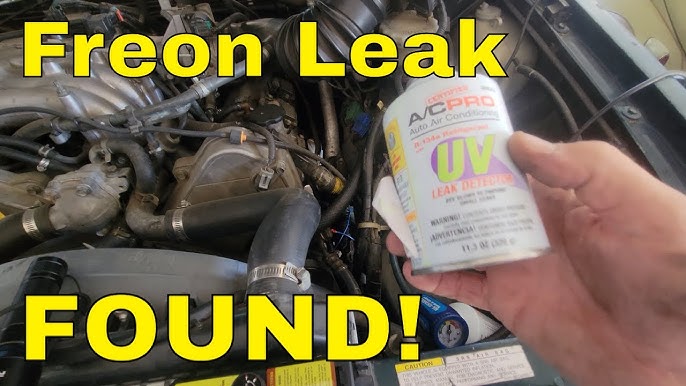
UV Dye and Lighthelp spot leaks quickly. The dye mixes with the refrigerant and glows under UV light. Shine the light on pipes and joints to find tiny leaks. This method is clear and easy to see.
Electronic Leak Detectorsenses the refrigerant gas in the air. It beeps or lights up near leaks. This tool works well in hard-to-see places. It is sensitive and fast.
Soap Solution Sprayis a simple and cheap way. Spray the soapy water on AC parts. Bubbles form at leak spots. Watch for bubbles carefully on pipes and joints. It is a good tool for small leaks.
Step-by-step Leak Detection Process
Start by locating all major AC components. This includes the compressor, condenser, evaporator, and hoses. These parts often have leaks.
Next, apply UV dyeto the AC system. The dye mixes with the refrigerant and shows leaks clearly.
Use a UV lightto inspect the system. Look carefully for glowing spots on or near the components.
An electronic leak detectorhelps find leaks by sensing refrigerant gas. Move the detector slowly around the parts.
A soap solutioncan be applied on suspect areas. Bubbles will form if there is a leak.
- Locate AC components: compressor, condenser, evaporator, hoses.
- Apply UV dye mixed with refrigerant.
- Inspect with UV light for glowing leaks.
- Use electronic detector for gas sensing.
- Check with soap solution for bubbles.
Common Leak Points In Auto Ac Systems
Compressor sealscan wear out over time and cause leaks. These seals keep the refrigerant inside the compressor. If damaged, refrigerant escapes, and the AC cools less effectively.
Hoses and fittingsconnect different parts of the AC system. They can crack or become loose due to heat and vibration. Check these areas carefully for any signs of oil or refrigerant leaks.
The condenser and evaporatorare key components. The condenser cools the refrigerant, and the evaporator absorbs heat from inside the car. Both have thin metal walls that can get holes or cracks, leading to leaks.
Fixing Small Leaks Yourself
Sealant products help stop small leaks in the air conditioner system. These sealants are easy to use. Just add them to the refrigerant line. The sealant moves inside and blocks tiny holes. This can save money before visiting a mechanic.
Loose connections often cause leaks. Check all fittings and joints carefully. Use a wrench to tighten any loose parts. Do not overtighten, as it can cause damage. Tight connections keep the refrigerant inside and the AC cool.

Credit: www.youtube.com
When To Seek Professional Help
Major refrigerant lossmeans the air conditioner loses cooling power fast. This needs quick professional repair to avoid damage.
Damaged componentslike broken hoses or cracked condenser cause leaks. Experts have the right tools to fix these safely.
Safety concernsarise due to refrigerant exposure or sharp parts inside the AC system. Professionals know how to handle these risks properly.
Preventive Tips To Avoid Leaks
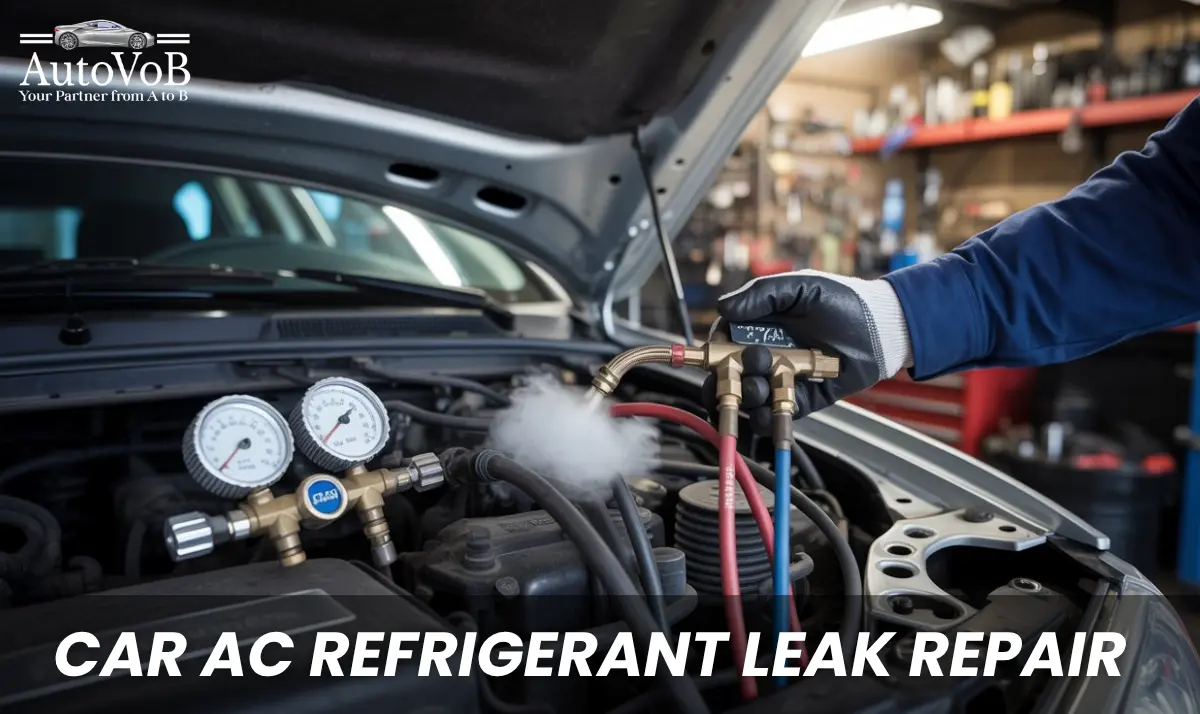
Regular maintenance helps keep your auto air conditioner working well. Check the system often for any signs of wear or damage. Clean or replace air filters to keep air flowing freely. This prevents strain on the system and lowers leak risks.
Maintaining proper refrigerant levels is very important. Too little refrigerant can cause the system to overheat. Too much can cause pressure build-up. Both situations may lead to leaks. Use the correct amount as per the vehicle’s manual.
Protecting AC components from damage helps avoid leaks. Avoid hitting the condenser or compressor with debris. Make sure hoses and connections are tight and free from cracks. Store the vehicle in a shaded area to reduce heat stress on parts.
Credit: www.autovob.com

Credit: www.youtube.com
Frequently Asked Questions
How To Detect A Leak In Car Ac?
To detect a leak in your car’s AC, first, look for oily residue around the AC components. Use a UV dye and a UV light to pinpoint the exact leak location. Listening for hissing sounds can also help identify leaks.
Regular inspections by a professional are recommended for accurate diagnosis.
What Tools Are Needed To Find Ac Leaks?
To find AC leaks, you’ll need a UV dye kit, a UV flashlight, and protective goggles. A leak detection tool or sniffer can be helpful for hard-to-find leaks. It’s also advisable to have a basic set of automotive tools for accessing AC components.
Are Uv Dyes Effective For Ac Leak Detection?
Yes, UV dyes are highly effective for detecting AC leaks. The dye is added to the AC system and circulates with the refrigerant. Under UV light, the dye glows, highlighting leak locations. This method is non-invasive and offers precise leak detection, making it a preferred choice for many.
Can Hissing Noises Indicate Ac Leaks?
Yes, hissing noises often indicate AC leaks. The sound usually comes from refrigerant escaping the system. It can be heard near the compressor or other AC components. If you hear hissing, it’s essential to inspect the system for leaks promptly to prevent further damage.
Conclusion
Finding a leak in your car’s air conditioner saves time and money. Start by checking visible signs like oil stains or bubbles. Use simple tools like soap water or UV dye to spot leaks. Early detection keeps your AC working well and avoids costly repairs.
Stay patient and follow each step carefully. Regular checks help maintain cool air inside your vehicle. Keep your ride comfortable all year round.