Is your home air conditioner not cooling like it used to? You might have a leak that’s sneaking away your comfort and driving up your energy bills.
Finding that leak early can save you money and prevent bigger problems down the line. In this guide, you’ll discover simple, practical steps to spot leaks in your air conditioner quickly. Keep reading, and you’ll learn how to protect your system and keep your home cool without stress or costly repairs.
Signs Of A Leak
Unusual moistureor small pools of water near the air conditioner may signal a leak. Check around the unit, especially near the drain pan and pipes. Moisture can cause damage if not fixed quickly.
Reduced cooling efficiencymeans the air conditioner is not cooling the room well. The system might run longer than usual or struggle to reach the set temperature. This can happen because of leaking refrigerant.
Listen for hissing or bubbling sounds. These noises can come from leaking refrigerant or air escaping. Such sounds often indicate a problem inside the unit that needs attention.
Common Leak Sources
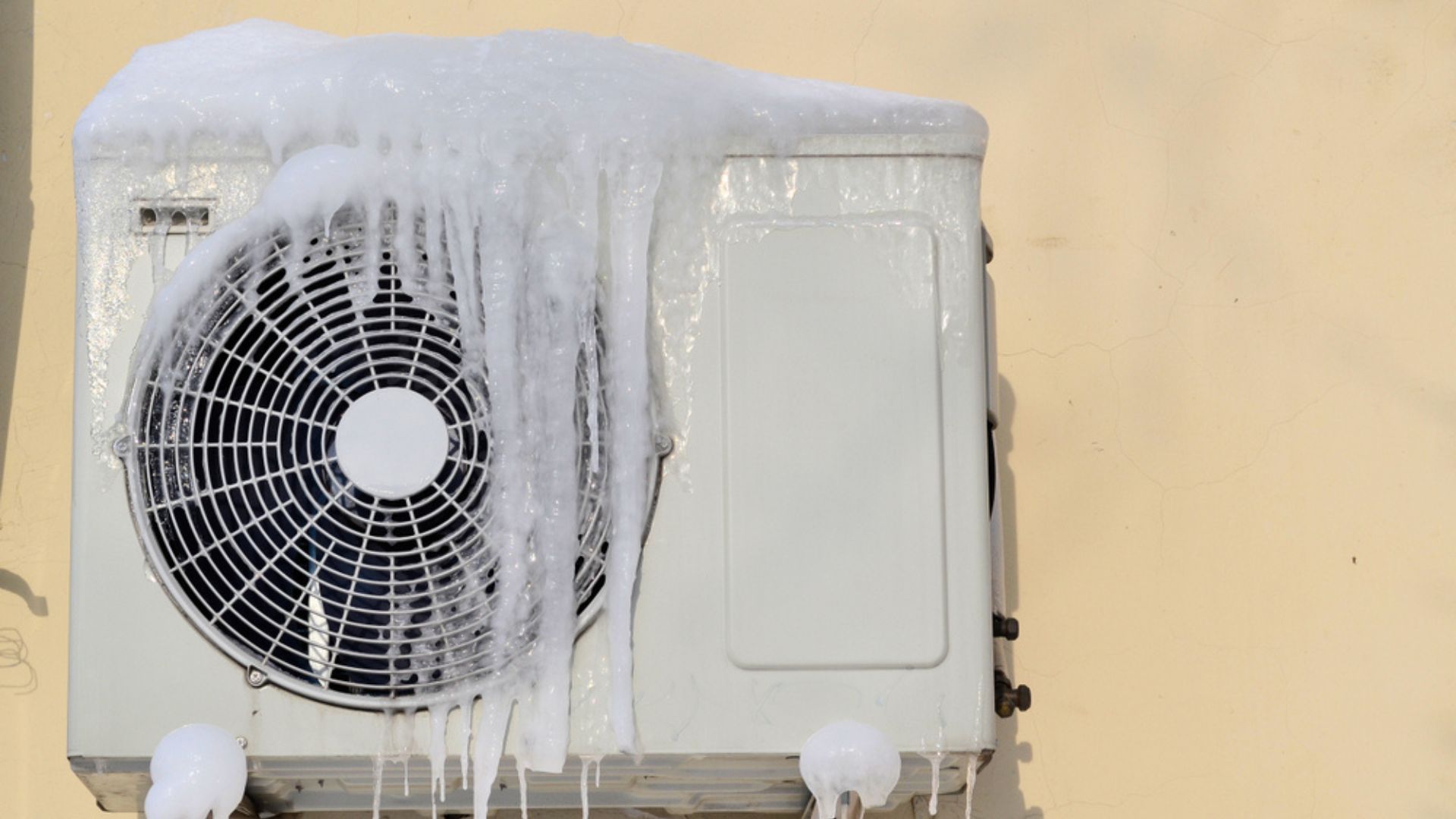
Refrigerant linescarry the cooling fluid inside the air conditioner. Leaks here cause poor cooling and ice buildup. Look for oily spots or wetness on the lines. These signs often point to damage or loose fittings.
The evaporator coilinside the unit cools the air. It can develop tiny holes or cracks from wear. Leaks here can cause low pressure and poor cooling. Check for frost or hissing sounds near the coil.
The drain pan and drain lineremove water from the system. Blockages or cracks can cause water leaks. Inspect for standing water or mold around the pan. Clear any clogs in the drain line to avoid overflow.
Tools Needed For Leak Detection
Leak Detection Sprayhelps find leaks fast. Spray it on air conditioner parts. Look for bubbles. Bubbles show where air escapes. This tool is simple and quick to use.
UV Dye and Lightmake leaks easy to spot. Add dye to the system. Turn on UV light. The dye glows bright at the leak point. This method works well for small leaks.
Soap and Water Solutionis a cheap way to test. Mix soap and water in a spray bottle. Spray where you think leaks are. Bubbles form if there is a leak. This is an old but effective trick.
Credit: orzechheating.ca
Step-by-step Leak Detection
Turn off the AC unitbefore starting any check. This helps avoid electric shock and stops the system. Safety first.
Inspect visible componentslike pipes, coils, and connections. Look for any signs of damage, rust, or wet spots. These often show leaks.
Apply leak detection methodssuch as soapy water on joints. Bubbles form at leak points. You can also use a UV light and dye to spot leaks.
Check for refrigerant smell. A strong, sweet smell near the unit may mean a leak. Use your nose carefully. Do not breathe deeply.
Diy Fixes For Minor Leaks
Small leaks in refrigerant lines can cause your AC to lose cooling power. Use leak sealantdesigned for AC systems. First, clean the area around the leak. Apply the sealant carefully and let it dry before turning the system back on. This can stop minor leaks quickly.
Drain lines often clog with dirt, causing water to back up. Clear the line by flushing it with a mix of water and vinegar. Use a wet/dry vacuum to suck out any blockages. Regular cleaning prevents water damage and mold growth.
Damaged drain pans can cause water to leak inside the home. Check the pan for cracks or rust. Replace it with a new one that fits your AC model. Use a sealant around edges to stop leaks. This keeps your home dry and safe.

Credit: honorservices.com
When To Call A Professional
Major refrigerant leakscan cause the air conditioner to stop cooling. These leaks often require special tools and chemicals to fix. Calling a professional is best to avoid damage to the unit and the environment.
Complex component repairsinvolve parts like compressors or evaporator coils. These parts are hard to reach and repair. Professionals have the skills and tools to handle these safely and correctly.
Safety considerationsare critical. Handling refrigerants can be dangerous without training. Electric parts inside the AC can also cause shocks. A trained technician knows how to work safely and prevent accidents.
Preventing Future Leaks
Regular maintenancekeeps your air conditioner working well. Clean or replace filters often. Clear debris from the outdoor unit. Check for any unusual noises or smells. These simple steps help stop leaks early.
- Installthe system carefully. Wrong setup can cause leaks.
- Use correct partsand tools. This protects your unit.
- Seal all joints and connections tightly to avoid leaks.
Keep an eye on how your air conditioner works. Watch for less cooling or strange sounds. These can mean a leak or other problem. Fixing small issues fast saves money and trouble.

Credit: honorservices.com
Frequently Asked Questions
How Can I Detect A Leak In My Home Air Conditioner?
Look for reduced cooling, hissing sounds, or ice buildup on coils. Inspect refrigerant lines and connections for visible damage or oil stains.
What Tools Help Find Ac Refrigerant Leaks At Home?
Use a leak detector, UV dye kit, or soap bubble solution. These tools highlight leaks quickly and effectively for accurate identification.
Can Low Refrigerant Cause My Ac To Stop Cooling?
Yes, low refrigerant reduces cooling efficiency and airflow. It often indicates a leak that needs prompt repair to prevent damage.
How Often Should I Check My Air Conditioner For Leaks?
Inspect your AC system at least once a year. Regular checks help catch leaks early and maintain optimal cooling performance.
Conclusion
Finding a leak in your home air conditioner is important. It prevents bigger issues and saves money. Start by checking for obvious signs. Listen for unusual noises. Feel for uneven cooling. Use soap bubbles to locate leaks. Call a professional if you’re unsure.
Regular maintenance helps avoid leaks in the future. Keep your air conditioner in top shape. Enjoy a cool and comfortable home. Remember, a little attention goes a long way. Stay proactive, stay comfortable. Keep these tips handy and act swiftly.
Your air conditioner will thank you.