Are you planning a camping trip and want to know exactly how much space your tent will cover? Finding the surface area of a tent might sound tricky, but it’s easier than you think.
Knowing this can help you choose the right spot, pack better, and even save money on gear. You’ll discover simple steps to calculate your tent’s surface area quickly and accurately. Keep reading—you’ll be surprised at how useful this skill can be for your next outdoor adventure!
Types Of Tent Shapes
Tents come in many shapes. Each shape affects the total surface area. Knowing the shape helps you calculate the surface area better.
Surface area matters for material use, weight, and weather protection. Different tent shapes change how you measure this area.
Common Tent Designs
There are many tent designs. Some common ones include dome, A-frame, and cabin tents. Each has unique shapes and angles.
- Dome Tents:Rounded shape with two flexible poles crossing at the top.
- A-frame Tents:Triangular shape with a ridge pole and side walls slanting down.
- Cabin Tents:Boxy shape with vertical walls and a flat or slightly angled roof.
- Tunnel Tents:Curved shape formed by parallel hoops creating a long space.
Impact On Surface Area
Surface area depends on the tent’s shape and size. Some shapes have more surface area for the same floor space.
| Tent Shape | Surface Area Traits |
| Dome | Curved shape adds extra area but sheds water well. |
| A-frame | Simple triangles, less surface area but lower headroom. |
| Cabin | More vertical walls, larger surface area and more space inside. |
| Tunnel | Long curved sides increase surface area and volume. |
Essential Measurements To Take
Finding the surface area of a tent needs some key measurements. These help to calculate how much fabric or material you need.
Measure carefully to get accurate results. Focus on the tent’s length, width, height, and slant height.
Length And Width
Length and width are the base measurements of your tent. Measure the longest part for the length and the widest part for the width.
- Use a tape measure for accuracy.
- Measure from one edge to the other straight across.
- Record the measurements in feet or meters.
- Double-check to avoid mistakes.
Height And Slant Height
Height is the vertical distance from the ground to the highest point of the tent. Slant height is the length along the tent’s side from the ground to the top.
| Measurement | What to Measure |
| Height | Vertical distance from ground to peak |
| Slant Height | Distance along the tent’s side from base to peak |
Calculating Surface Area For Simple Shapes
Finding the surface area of a tent helps you know how much fabric you need. It also helps to understand how much space it will cover on the ground.
Different tent shapes have different methods for calculating surface area. Let’s explore some common tent shapes and how to calculate their surface areas.
Rectangular And Square Tents
Rectangular and square tents are simple to measure. They have flat surfaces and right angles. To find the surface area, calculate the area of each side.
For a rectangular tent, measure the length, width, and height. Calculate the area of each side and add them together.
- Area of the floor: length × width
- Area of the roof: length × width
- Area of the two longer sides: 2 × (length × height)
- Area of the two shorter sides: 2 × (width × height)
- Total surface area: sum of all these areas
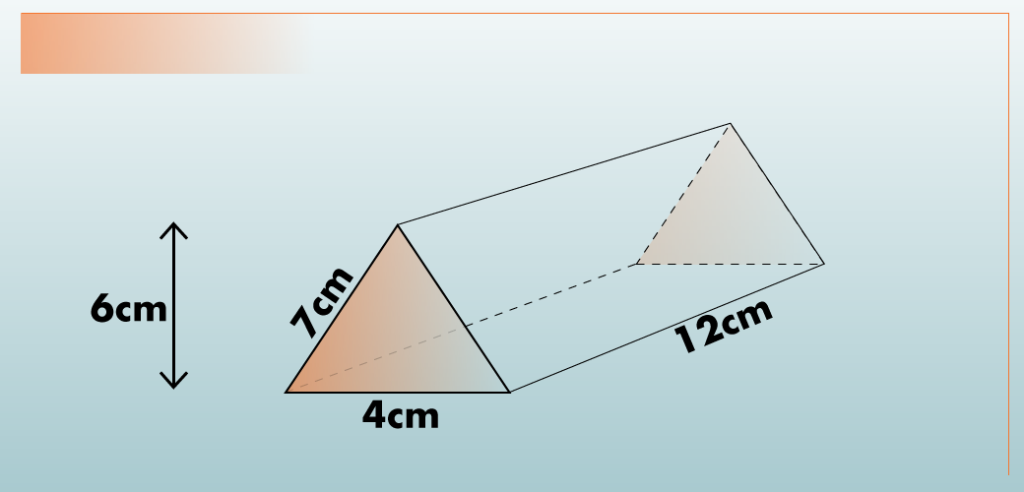
Triangular And A-frame Tents
Triangular and A-frame tents have sloped sides. This makes calculating their surface area a bit different. You need the base, height, and slant height.
For a triangular tent, find the area of each triangle and the rectangle that forms the base.
- Area of the base: base length × width
- Area of each triangular side: 2 × (base length × slant height ÷ 2)
- Total surface area: area of the base + area of both triangles
Calculations For Complex Tent Shapes
Finding the surface area of a tent helps you know how much fabric you need. Some tents have simple shapes, but many are complex. Complex shapes need special calculations to find their surface area accurately.
This guide explains how to calculate the surface area for two common complex tent shapes. These are dome tents and geodesic tents. Each shape has a different way to find the surface area.
Dome Tents
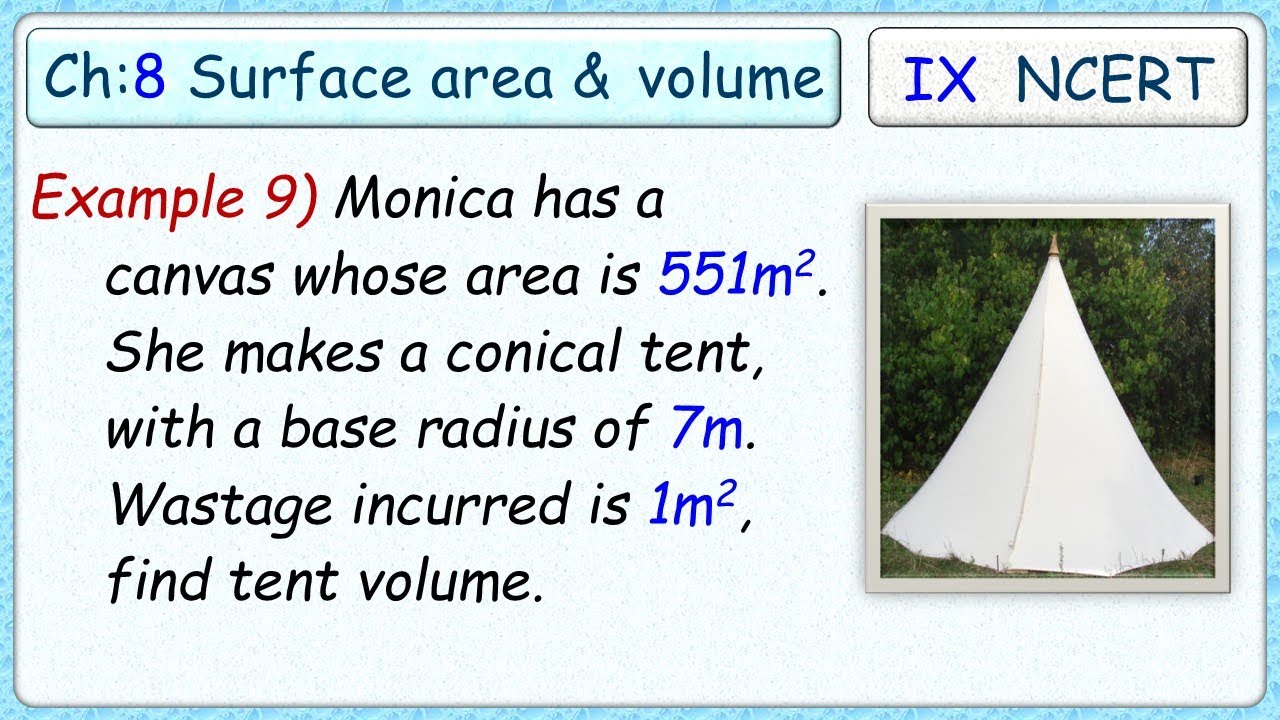
Dome tents usually look like half of a sphere. To find their surface area, think of the tent as a part of a sphere. The surface area of a full sphere is 4 times pi times the radius squared.
For a dome tent, use half of the sphere’s surface area. You also need to subtract the base area if the tent has a flat floor. The base area is a circle with the same radius as the dome.
- Calculate radius (r) of the dome
- Find half of the sphere’s surface area: 2 × π × r²
- Calculate base area: π × r²
- Subtract base area if the floor is flat
- Surface area = Dome area + floor area (if covered)
Geodesic Tents
Geodesic tents are made from many small triangles. These triangles form a dome shape. To find the surface area, add the areas of all these triangles together.
First, measure each triangle’s base and height. Then calculate each triangle’s area using the formula: half the base times the height. Add all triangle areas to get the total surface area.
- Count all triangular panels
- Measure base and height of each panel
- Area of one triangle = ½ × base × height
- Add all triangle areas for total surface area
- Include any additional fabric for doors or vents
Tools And Formulas Needed
Finding the surface area of a tent helps you know how much material you need. You need some tools and formulas to calculate it correctly.
This guide explains the basic geometry formulas and how online calculators can help with the process.
Basic Geometry Formulas
Most tents have simple shapes like triangles, rectangles, or cones. You can use basic geometry formulas to find their surface area.
- Rectangle:Multiply length by width (Area = length × width).
- Triangle:Multiply base by height, then divide by two (Area = ½ × base × height).
- Cone:Use the formula for lateral surface area (Area = π × radius × slant height).
Measure your tent parts carefully. Add all areas to get the total surface area.
Using Online Calculators
Online calculators can quickly find surface areas. You enter the measurements, and they do the math for you.
These tools save time and reduce mistakes. Look for calculators that match your tent’s shape.
- Choose the shape of your tent from the calculator options.
- Input measurements like height, base, or radius.
- Click calculate to get the surface area instantly.

Credit: studyx.ai
Step-by-step Calculation Process
Finding the surface area of a tent helps you know how much fabric you need. This process breaks down the tent into simple shapes.
We will gather the measurements, use formulas for each shape, and then add all areas together.
Gathering Data
First, measure the parts of your tent carefully. Note down the length, width, and height of each section.
Common tent shapes include triangles and rectangles. Measure each part separately.
- Measure the base length of the tent
- Measure the height of the tent sides
- Measure the width of the tent floor
- Record any slant heights if the tent is sloped
Applying Formulas
Use simple math formulas to find each part’s surface area. Triangles use one formula, rectangles another.
Calculate the area of each shape using these formulas:
- Triangle area = 0.5 × base × height
- Rectangle area = length × width
- For slanted sides, use slant height instead of vertical height
Do the math for each part and write down the results.
Summing Up Surface Areas
Add all the individual surface areas together. This total is the tent’s full surface area.
Check your numbers to avoid mistakes. The total helps plan fabric or material needs.
- Add triangle areas
- Add rectangle areas
- Combine all for the final surface area
Common Mistakes To Avoid
Finding the surface area of a tent is important for many reasons. It helps with buying the right amount of fabric or planning the space inside.
Some mistakes can cause wrong results. Avoid these to get accurate measurements.
Incorrect Measurements
One common mistake is measuring the tent parts incorrectly. For example, using the wrong units or not measuring all sides.
Also, forgetting to measure curves or slanting sides can give false surface area numbers.
- Use a tape measure that shows clear units
- Measure each side carefully from edge to edge
- Include curved or sloped parts in your calculations
- Double-check your numbers before using them
Ignoring Tent Features
Some tents have extra features like vents, windows, or rainflies. Ignoring these can change your surface area estimate.
Each feature adds or subtracts fabric area. Not counting them means your total area will be wrong.
- Measure windows and vents separately
- Subtract window areas if they are open spaces
- Add rainfly surface area if used
- Check for any overlapping parts

Credit: www.youtube.com
Practical Uses Of Surface Area Data
Knowing the surface area of a tent helps in many practical ways. It guides decisions about materials and comfort inside the tent.
Surface area data can save money and improve the camping experience by planning better.
Material Estimation
Surface area helps you estimate how much fabric or material you need to build or repair a tent. This saves you from buying too much or too little.
- Calculate the total surface area of all tent panels
- Include extra for seams and overlaps
- Estimate material cost based on area
- Plan for reinforcements or patches
Ventilation And Insulation Planning
Surface area data helps design vents and insulation to keep the tent comfortable. It shows how much space air and heat need to move through.
| Factor | Impact on Tent Comfort |
| Large Surface Area | Better ventilation but more heat loss |
| Small Surface Area | Less ventilation, may trap heat |
| Insulation Layer Area | Controls warmth retention |
Credit: www.youtube.com
Frequently Asked Questions
What Is The Formula For Finding A Tent’s Surface Area?
The surface area of a tent depends on its shape. For a simple triangular tent, use the formula: Surface Area = base × height × number of sides. For complex shapes, break the tent into basic geometric shapes and sum their areas.
How Do I Measure A Tent For Surface Area Calculation?
Measure the length, width, and height of each tent section. Use a tape measure for accuracy. Record all dimensions in consistent units, like meters or feet, to simplify calculations and ensure precise surface area results.
Why Is Knowing A Tent’s Surface Area Important?
Surface area helps in estimating material needs for tent making or repairs. It also aids in calculating heat loss and ventilation requirements, ensuring comfort and durability during camping or events.
Can I Calculate Surface Area Without Complex Math Skills?
Yes, by breaking the tent into simple shapes like rectangles and triangles, you can easily calculate each area. Then, add these values together for the total surface area without advanced math.
Conclusion
Finding a tent’s surface area is not hard. Just measure each side carefully and do the math. Knowing this helps you pick the right size for your needs. It also makes packing and setup easier. Try these steps next time you camp or shop for a tent.
Simple math saves time and effort. Now, you can plan your outdoor trips better and enjoy them more.