
Knowing the right tire size for your car is more important than you might think. It affects your safety, fuel efficiency, and how smoothly you drive.
But finding that size can be confusing if you don’t know where to look or what the numbers mean. You’ll discover simple, clear steps to find your tire size quickly and easily. By the end, you’ll feel confident making the right choice for your car—and saving time and money along the way.
Keep reading to unlock the key to better driving with the perfect tires.
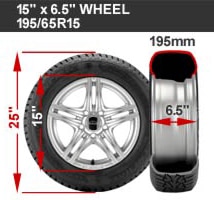
Credit: www.tirerack.com
Locate Tire Sidewall Markings
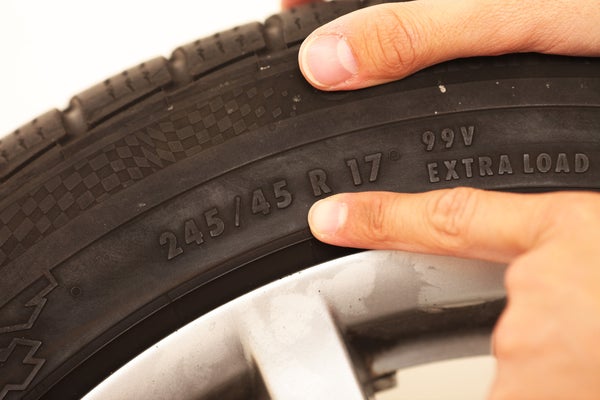
Finding the tire size on your car is easy once you know where to look. The tire sidewall has important information printed on it.
This guide explains how to locate and read the sidewall markings to get the tire size.
Look For The Tire Size Code
The tire size code is a series of letters and numbers on the sidewall. It shows the tire’s width, aspect ratio, and diameter.
It usually looks like this: P215/65R15. Each part has a special meaning.
Identify The Width, Aspect Ratio, And Diameter
- Width:The first number shows the tire width in millimeters.
- Aspect Ratio:The second number shows the height of the tire sidewall as a percentage of the width.
- Diameter:The last number shows the wheel diameter in inches.
Check For Additional Markings
| Marking | Meaning |
| Load Index | Shows the maximum load the tire can carry. |
| Speed Rating | Shows the maximum speed the tire can handle safely. |
| DOT Code | Indicates the tire’s manufacturer and production date. |
| Maximum Pressure | The highest air pressure allowed in the tire. |
Find The Sidewall On The Tire
The sidewall is the smooth, vertical part of the tire between the tread and the rim. This is where all markings appear.
Check both sides of the tire. Sometimes the size is only on one side.

Credit: www.youtube.com
Decode The Tire Size Numbers
Tire size numbers tell you important details about your tires. They help you choose the right tires for your car.
These numbers show the width, height, rim size, load, and speed limits of the tire. Learning to read them is easy.
Width Measurement
The first number in the tire size is the width. It is measured in millimeters.
This number shows how wide the tire is from sidewall to sidewall.
Aspect Ratio
The aspect ratio is the second number after the slash. It shows the tire’s height as a percentage of its width.
A lower aspect ratio means a shorter sidewall, which can improve handling but may reduce comfort.
Rim Diameter
The rim diameter is the number after the aspect ratio. It is measured in inches.
This number tells you the size of the wheel the tire fits on.
Load Index And Speed Rating
The load index is a number that shows how much weight the tire can carry. The higher the number, the heavier the load.
The speed rating is a letter that shows the maximum speed the tire can handle safely.
- Load index example: 95 means 1,521 pounds
- Speed rating example: H means up to 130 mph
Check The Owner’s Manual
Finding the right tire size for your car is important for safety and performance. The best place to start is the owner’s manual.
The manual has detailed information about the correct tire size for your vehicle. It shows the exact numbers and types recommended by the manufacturer.
Locate The Tire Information Section
Open your owner’s manual and look for the section about tires. It may be under “Vehicle Specifications” or “Maintenance.”
This section tells you the tire size, load rating, and pressure for your car’s tires.
Understand The Tire Size Code
The owner’s manual shows the tire size in a code like P215/65R15. Each part means something important.
- Pmeans the tire is for passenger cars
- 215is the tire width in millimeters
- 65is the height ratio of the sidewall to the width
- Rshows the tire has radial construction
- 15is the wheel diameter in inches
Check The Recommended Tire Pressure
| Tire Position | Recommended Pressure (psi) |
| Front Tires | 32 |
| Rear Tires | 30 |
The manual also lists the best tire pressure for your car. Proper pressure keeps tires safe and lasting longer.
Look Inside The Driver’s Door
Finding the right tire size is easy if you know where to look. The driver’s door area holds important information about your car’s tires.
This guide shows you how to find tire size by checking the label inside the driver’s door. It is simple and quick.
Locate The Tire Information Label
Open the driver’s side door fully. Look at the door frame or the edge of the door. You will see a white or silver label with many numbers and letters.
Read The Tire Size Code
The tire size code looks like this: P215/65R15. It shows the width, aspect ratio, and wheel diameter. This code tells you exactly what size tires fit your car.
- P215means the tire width is 215 millimeters.
- 65is the aspect ratio or height of the tire sidewall.
- R15shows the tire fits a 15-inch wheel.
Check The Recommended Tire Pressure
| Item | Details |
| Tire Pressure | Find the recommended PSI (pounds per square inch) on the label. |
| Load Capacity | Shows the maximum weight the tires can hold. |
| Speed Rating | Indicates the maximum safe driving speed for the tires. |
Use Online Tools And Apps
Finding the right tire size for your car can be easy with online tools and apps. These tools help you get the correct size fast.
You only need some basic information about your car to use these digital helpers. They save time and avoid mistakes.
Car Manufacturer Websites
Many car makers have websites with tire size info for each model. You can enter your car’s make and model to find the size.
This method gives accurate results because it uses official data from the car brand.
Tire Size Calculator Apps
Apps on your phone can calculate tire size using your car details. They often include options for different tire brands.
These apps also show if the new tire size fits well with your car’s specs.
Online Tire Retailer Tools
Many tire sellers have websites with search tools. You can enter your car’s info or current tire size to find options.
This helps you compare prices and brands for the right tire size.
Vehicle Identification Number (vin) Lookup
Some websites let you enter your car’s VIN. The system reads the VIN and shows the correct tire size.
VIN lookup is precise because it uses your car’s unique code to find exact details.
Credit: www.continental-tires.com
When To Replace Your Tires
Knowing when to replace your tires keeps you safe on the road. Old or worn tires can cause accidents.
Check your tires regularly. Look for signs that show they need changing soon.
Tread Depth Is Too Low
Tread helps your tires grip the road. When tread is low, your car can slip easily.
Use a tread depth gauge or the penny test to check. Replace tires if tread is below 2/32 inch.
- Insert a penny into the tread groove with Lincoln’s head down.
- If you see the top of Lincoln’s head, tread is too low.
- Low tread affects wet and icy road safety.
Visible Tire Damage
Look for cracks, cuts, or bulges on your tires. These signs mean your tires are weak.
Damaged tires can fail suddenly. Replace any tire with visible damage right away.
- Sidewall cracks or splits
- Bulges or bubbles on the tire surface
- Deep cuts or punctures
Tire Age Exceeds Six Years
Tires get weaker over time, even if tread looks fine. Most experts say replace tires after six years.
Check the tire’s manufacture date on the sidewall. Replace old tires to avoid blowouts.
- Find the four-digit code on the tire sidewall.
- First two digits mean week, last two mean year.
- Example: 2318 means 23rd week of 2018.
Uneven Tire Wear
Uneven wear shows poor alignment or tire problems. It can cause bad handling and tire failure.
Look for more wear on one side or patches. Replace tires if wear is severe or unsafe.
- Wear on only one side of the tire
- Bald spots or smooth patches
- Feathered or scalloped edges
Poor Performance Or Vibration
Your car may vibrate or handle poorly if tires are bad. These signs mean it is time to check tires.
Vibrations, pulling to one side, or noise can mean worn or damaged tires. Replace if needed.
Frequently Asked Questions
How Can I Locate Tire Size On My Car?
The tire size is usually found on the tire’s sidewall. It appears as a series of numbers and letters, like 205/55R16. You can also check the driver’s side door jamb or the owner’s manual for tire size information.
What Do The Numbers On A Tire Mean?
The numbers indicate tire width, aspect ratio, and diameter. For example, 205 is the width in millimeters, 55 is the aspect ratio (height to width), and 16 is the wheel diameter in inches. These help ensure you use the correct tire size.
Can Tire Size Affect My Car’s Performance?
Yes, tire size impacts handling, fuel efficiency, and speedometer accuracy. Using the correct size ensures optimal safety and performance. Incorrect sizes may cause uneven wear or damage to suspension components.
Is Tire Size The Same On All Car Tires?
Not always. Some cars have different tire sizes for front and rear wheels. Always check each tire’s sidewall or consult the owner’s manual to confirm the correct sizes for your car.
Conclusion
Finding the tire size on your car is easier than it seems. Check the sidewall of your tires for numbers and letters. These codes tell you the exact tire size you need. You can also find this information inside the driver’s door or in the owner’s manual.
Knowing your tire size helps you buy the right tires and stay safe on the road. Keep this guide handy next time you check or replace your tires. Simple steps, clear results.