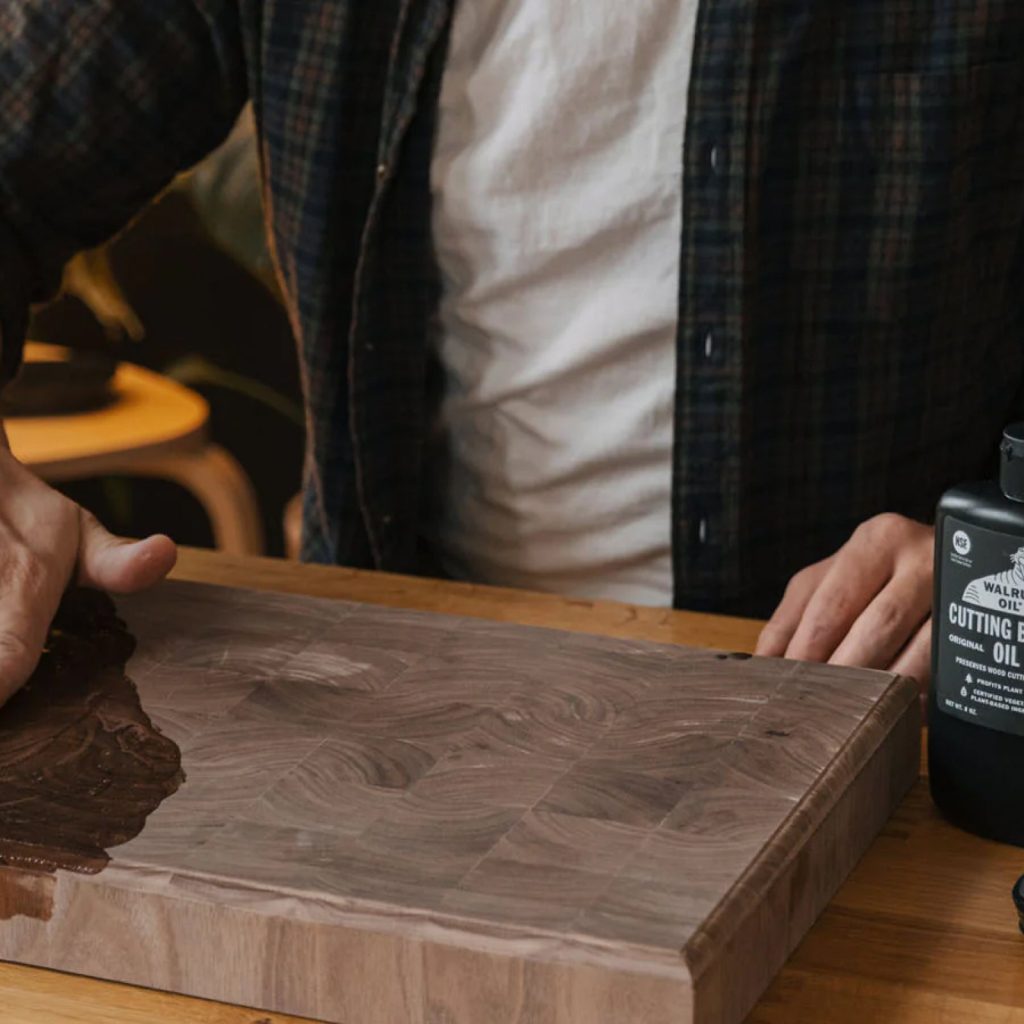
Your cutting board is one of the most used tools in your kitchen. But have you ever stopped to think about how safe it really is for your food?
Finishing your cutting board the right way can protect it from bacteria, cracks, and stains, keeping your meals healthier and your board lasting longer. If you want to make sure your cutting board is truly food safe, this guide will show you simple, effective steps you can follow right now.
Keep reading to learn how to turn your cutting board into a safe, durable kitchen essential you can trust every day.
Choosing The Right Wood
Picking the right wood is key to making a cutting board food safe. Some woods hold up better and keep your board clean.
Not all wood types are safe for cutting boards. You need to know which woods are best and which to avoid.
Best Wood Types For Cutting Boards
Hardwoods with tight grains work best. They resist cuts and do not trap food particles.
- Maple: Very hard and dense. Easy to clean and lasts long.
- Walnut: Dark wood with a smooth finish. Gentle on knives.
- Cherry: Strong and has a warm color. Resists bacteria well.
- Beech: Tight grain and hard surface. Affordable and durable.
Avoiding Toxic Wood
Some woods can cause allergies or release toxins. Avoid softwoods and exotic woods.
| Wood Type | Reason to Avoid |
| Pine | Soft and porous, absorbs moisture easily |
| Cedar | Can cause allergic reactions |
| Oleander | Toxic sap harmful if ingested |
| Rosewood | May cause skin irritation |

Credit: www.reddit.com
Preparing The Surface
Finishing a cutting board to make it food safe starts with a smooth surface. Proper preparation helps protect the wood and keeps it clean.
This section explains sanding techniques and how to remove dust and debris before applying any finish.
Sanding Techniques
Sanding removes rough spots and opens wood pores to absorb finishes better. Use different grit sandpapers for best results.
- Start with 80-grit sandpaper to smooth out deep scratches and uneven areas.
- Use 120-grit sandpaper to refine the surface and remove sanding marks from the coarse grit.
- Finish with 220-grit sandpaper to create a fine, smooth texture.
- Always sand with the grain of the wood to avoid scratches.
- Wipe the surface between sanding steps to check smoothness.
Eliminating Dust And Debris
Removing dust is important to ensure the finish sticks well and stays clean. Dust left on the surface can cause bumps and weak spots.
| Method | How to Use | Benefits |
|---|---|---|
| Vacuum Cleaner | Use a brush attachment to vacuum all dust from the board. | Quick and effective for large dust amounts. |
| Tack Cloth | Wipe the surface gently to pick up fine dust particles. | Removes dust without leaving residue. |
| Damp Cloth | Lightly moisten a clean cloth and wipe the surface. | Catches remaining dust and prepares wood for finishing. |
Selecting Food-safe Finishes
Choosing the right finish keeps your cutting board safe and durable. Food-safe finishes protect the wood from moisture and stains.
Some finishes are natural, while others are commercial products. Each type has benefits and things to consider.
Natural Oils And Waxes
Natural oils and waxes soak into the wood and keep it hydrated. They make the surface smooth and resistant to water.
- Mineral oil is odorless and does not go rancid.
- Beeswax adds a protective layer and shines the surface.
- Walnut oil is natural but may cause allergies for some people.
- Pure coconut oil can also work but may spoil faster.
Apply these finishes regularly to keep the board in good shape. They are safe to use on food contact surfaces.
Commercial Finishes
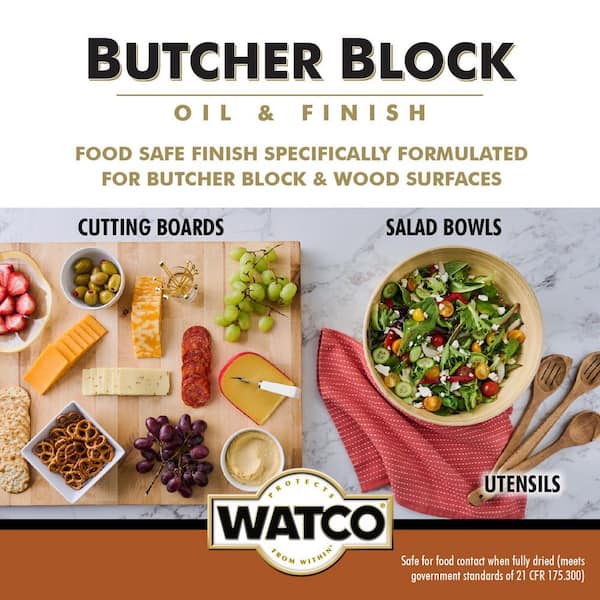
Commercial finishes are designed for wood cutting boards. They often combine oils and resins to protect better.
| Finish Type | Benefits | Considerations |
| Salad bowl finish | Food safe, durable | Needs reapplication |
| Tung oil (pure) | Water resistant, natural | May take days to dry |
| Polyurethane (food grade) | Strong surface coating | Check for FDA approval |
Read labels carefully to ensure the finish is food safe. Follow instructions for proper use and drying time.

Credit: www.amazon.ca
Applying The Finish
Applying a finish to your cutting board protects the wood and keeps it food safe. This step seals the surface and prevents bacteria from entering the wood grain.
Choosing the right finish and applying it carefully is important. Take your time to ensure the board is safe for food use.
Step-by-step Application Guide
Follow these steps to apply the finish evenly and thoroughly on your cutting board.
- Clean the board with a damp cloth and let it dry.
- Apply a thin layer of food-safe oil or finish using a clean cloth.
- Rub the finish into the wood following the grain direction.
- Allow the finish to soak in for 20-30 minutes.
- Wipe off any excess finish with a dry cloth.
- Repeat the process for 2 to 3 coats for best protection.
- Let the board rest between coats to absorb the finish well.
Drying And Curing Process
Drying and curing help the finish harden and protect your cutting board. This process ensures the finish is safe for food contact.
| Stage | Time Needed | Notes |
|---|---|---|
| Initial Dry | 2-4 hours | Keep the board in a dry, ventilated area. |
| Additional Coats | Apply every 12 hours | Make sure each coat dries fully before the next. |
| Full Cure | 3-7 days | Avoid using or washing the board during this time. |
Maintaining The Cutting Board
Keeping your cutting board food safe needs regular care. Proper maintenance helps it last longer and stay clean.
Two key parts of maintenance are cleaning and reapplying the finish. Both steps protect the wood and prevent bacteria growth.
Regular Cleaning Methods
Clean your cutting board after every use. Use mild soap and warm water, then dry it fully to avoid warping.
- Wash with gentle dish soap and warm water.
- Scrub stains with a soft brush or sponge.
- Rinse thoroughly to remove soap residue.
- Dry with a clean towel or air dry standing up.
- Disinfect by wiping with white vinegar or diluted bleach once a week.
Reapplying The Finish
Oiling your board keeps it water-resistant and smooth. Apply oil every few weeks or when the board looks dry.
| Type of Finish | How Often to Apply | Benefits |
| Mineral Oil | Every 2 to 4 weeks | Protects wood, safe for food contact |
| Beeswax Blend | Every 1 to 3 months | Seals and adds shine |
| Food-Safe Oil | As needed based on dryness | Prevents cracking and warping |
Common Mistakes To Avoid
Finishing a cutting board safely is very important. Some common mistakes can make the board unsafe to use.
Knowing what to avoid helps you keep your cutting board food safe and long-lasting.
Over-sanding Issues
Sanding too much can make the wood too smooth. This removes the natural texture that helps keep knives from slipping.
Over-sanding also removes some of the wood’s natural oils. This can make the cutting board dry and crack faster.
- Do not sand beyond a smooth finish
- Keep some wood grain texture for better grip
- Stop sanding when the surface feels even and clean
Using Incorrect Finishes
Not all finishes are safe for food contact. Some finishes contain harmful chemicals that can leak into food.
Use only finishes labeled as food safe, like mineral oil or beeswax. Avoid varnishes, polyurethane, or paint.
- Choose food-safe oils and waxes
- Avoid finishes with toxic chemicals
- Test finishes on a small area before full use
Credit: www.homedepot.com
Frequently Asked Questions
How Do You Make A Cutting Board Food Safe?
To make a cutting board food safe, sand it smooth and apply a food-grade mineral oil. Avoid toxic finishes. Reapply oil regularly to maintain protection and prevent drying or cracking.
What Is The Best Finish For A Cutting Board?
Food-grade mineral oil or beeswax is the best finish. These are non-toxic and protect the wood from moisture and bacteria buildup, keeping your board safe and durable.
Can I Use Vegetable Oil To Finish A Cutting Board?
Vegetable oils can go rancid and cause bad odors. Avoid them. Use food-grade mineral oil or specialized cutting board oils instead for a long-lasting, safe finish.
How Often Should I Oil My Cutting Board?
Oil your cutting board every 3 to 4 weeks, or when the wood looks dry. Regular oiling keeps it hydrated and food safe by sealing out moisture and bacteria.
Conclusion
Finishing a cutting board food safe protects your kitchen and health. Use food-safe oils or waxes to seal the wood. Apply the finish evenly and let it dry fully. Regularly reapply the finish to keep the board safe and strong.
Clean the board gently after each use to avoid damage. A well-finished cutting board lasts longer and stays hygienic. Simple care makes a big difference in your cooking tools. Your cutting board will serve you well with these easy steps.