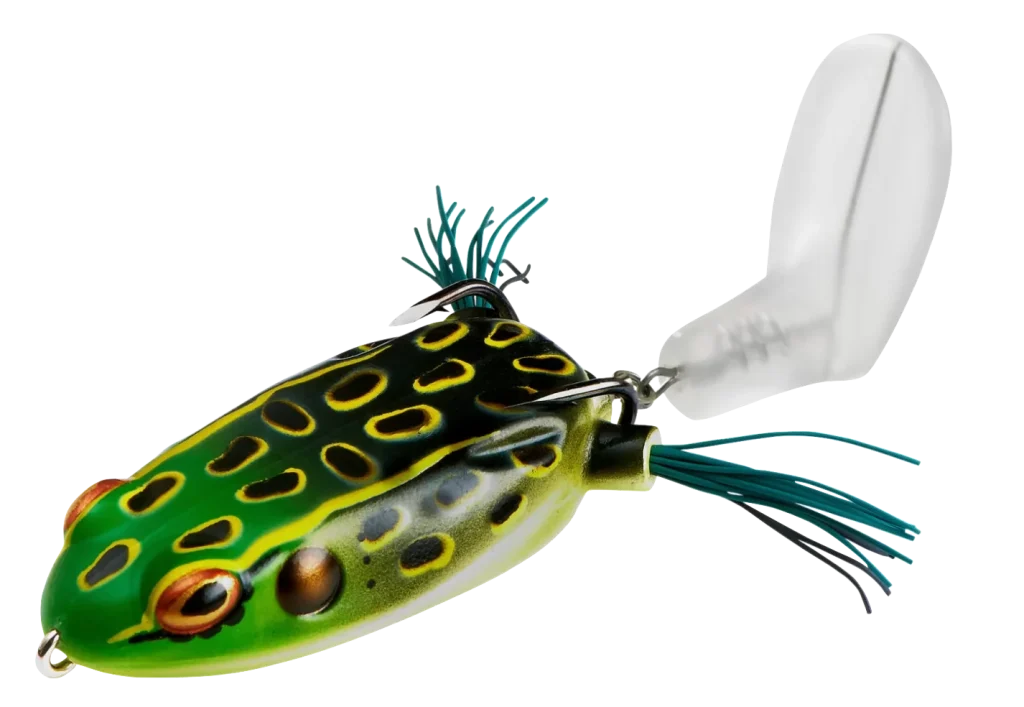
Have you ever wondered how to catch more fish using a frog lure? If you want to improve your fishing game and land bigger, more exciting catches, learning how to fish a frog lure is a skill you need.
This simple technique can transform your time on the water and bring you closer to those trophy fish you’ve been dreaming about. Keep reading, and you’ll discover easy tips and tricks that make fishing with a frog lure both fun and effective.
Your next big catch is just a few casts away!

Credit: anglersresource.net
Choosing The Right Frog Lure
Fishing with a frog lure can be very effective for catching bass. Choosing the right lure helps improve your chances.
Different frog lures work best in different conditions. It is important to pick the right material, size, and color.
Top Materials And Designs
Frog lures come in many materials like soft plastic and hollow rubber. Soft plastic feels natural to bass.
Some frog lures have hollow bodies that let them float and move like a real frog. Look for strong hooks that don’t bend.
- Soft plastic for natural movement
- Hollow bodies for floating action
- Sharp, durable hooks
- Legs made from rubber or silicone for kicking motion
Matching Lure Size To Bass
Choose a lure size that fits the size of bass in your fishing spot. Small bass prefer smaller lures.
Larger lures work well for big bass and heavy cover. Using the right size helps the bass bite more often.
- Small lures (2-3 inches) for small to medium bass
- Medium lures (3-4 inches) for average bass sizes
- Large lures (4+ inches) for big bass and thick vegetation
Color Selection For Various Waters
Water color affects which frog lure colors work best. Choose colors that stand out but look natural.
Bright colors help in murky water. Natural colors like green and brown work well in clear water.
- Bright green, white, or chartreuse for muddy water
- Natural green, brown, or black for clear water
- Yellow or tan for stained water
- Match colors to local frogs for better results

Credit: www.lurenet.com
Best Rod And Reel Setup
Fishing a frog lure needs the right rod and reel. This setup helps you cast far and control the lure well.
Choosing the right gear makes fishing more fun and improves your chances to catch fish.
Recommended Rod Types And Lengths
Use a rod made for heavy lures like frog baits. A medium-heavy or heavy power rod works best.
Length matters. A rod about 7 to 7.5 feet gives good casting distance and control.
- Medium-heavy or heavy power rod
- Fast action for quick hook sets
- Length between 7 and 7.5 feet
Ideal Reel Choices
Use a baitcasting reel for better control and power. It helps handle heavy frog lures.
Choose reels with a smooth drag system. This stops fish from breaking your line.
- Baitcasting reel for accuracy
- Smooth drag system
- Gear ratio around 6.3:1 to 7:1 for fast retrieves
Line Strength And Type
Use braided line for strength and sensitivity. It handles heavy cover and sharp teeth well.
Choose a line with 50 to 65-pound test for big frog fishing. This helps avoid breaks and snap-offs.
- Braid line for strength and feel
- 50 to 65-pound test line
- Use a fluorocarbon leader for invisibility in water
Prime Locations For Frog Fishing
Frog fishing is a fun way to catch bass. The best spots make a big difference. Let’s explore where you should cast your line.
Look for areas that mimic a frog’s natural environment. This helps you attract more fish.
Weed Beds And Lily Pads
Weed beds and lily pads are great for frog fishing. Bass love hiding here to ambush prey.
Cast your frog lure near these plants. Watch for movement in the water.
- Thick vegetation provides cover for bass
- Use weedless hooks to avoid snags
- Reel slowly to mimic a real frog
Shallow Water Spots
Shallow waters are perfect for frog lures. Bass often hunt here for food.
Look for shallow areas near the shore. These spots are easy for bass to access.
| Time of Day | Best for Shallow Spots |
| Morning | Early light attracts bass |
| Evening | Cooling water brings fish closer |
Early Morning And Late Evening Zones
Fish are most active during early morning and late evening. These times offer cooler temperatures.
Cast your frog lure during these hours. You are likely to see more bites.
Casting And Retrieval Techniques
Fishing with a frog lure is fun and effective. It takes skill to cast and retrieve it properly.
Good casting and retrieval make the frog look like a real frog on the water. This attracts more fish.
Effective Casting Tips
Cast your frog lure near lily pads, weeds, or calm water edges. These spots hide fish well.
Use a smooth, strong cast to avoid spooking fish. Aim to place the lure softly on the water.
- Check wind direction for better casting control
- Use a rod with enough power for long casts
- Keep your line tight to feel bites quickly
Controlled Frog Movement
Move the frog lure slowly to mimic a real frog swimming. Keep your rod tip low.
Pull the line gently to create small splashes. This attracts fish without scaring them away.
- Use short, slow pulls for steady movement
- Keep pauses between pulls to look natural
- Adjust speed based on fish activity
Pausing And Twitching Tricks
Pause your lure often to let it sit still on the water. Fish watch for sudden moves.
Use quick twitches of your rod tip to make the frog jump or twitch. This sparks fish interest.
- Pause for 2 to 5 seconds after each pull
- Twitch the rod tip 2 to 3 times before pulling again
- Vary pause length to find what works best
Hook Setting And Landing Bass
Fishing with a frog lure is exciting and effective for catching bass. This lure mimics a frog’s movement on water, attracting bass near the surface.
Success depends on how you set the hook and land the bass. Proper technique helps you keep the fish safe and improve your catch rate.
Timing The Hookset
Watch the bass strike carefully. Wait until you feel a strong pull before setting the hook. Setting too soon can cause the fish to spit the lure.
Use a quick and firm upward motion with your rod to set the hook. Make sure the hook penetrates the fish’s mouth for a solid catch.
Dealing With Heavy Cover
Frog lures work great near weeds, lily pads, and other thick plants. Bass hide here to ambush prey. You need special tactics to avoid snags.
- Keep your rod tip high to pull bass out quickly
- Use braided line for strength and sensitivity
- Set the hook firmly to prevent the fish from escaping
- Practice steady reeling to avoid getting stuck
Safe Bass Handling Tips
| Tip | Description |
| Wet Your Hands | Before touching the bass, wet your hands to protect its slime coat. |
| Use Proper Tools | Use pliers or a hook remover to take the hook out gently. |
| Support the Fish | Hold the bass horizontally with both hands to avoid injury. |
| Release Quickly | Return the bass to water quickly to reduce stress and help survival. |
Common Mistakes To Avoid
Fishing with a frog lure can be fun and effective. Many anglers make simple mistakes that reduce their catch. Avoiding these errors improves your chances on the water.
Focus on how you work the lure, check water conditions, and use the right gear. These tips help you fish smarter, not harder.
Overworking The Lure
Many anglers move the frog lure too much. This can scare fish away or make the lure look fake. A slow, natural motion works best.
- Pause often to let the lure sit still
- Use small twitches instead of big jerks
- Match the frog’s natural movement on the water
- Avoid constant, fast retrieves
Ignoring Water Conditions
Water conditions affect how fish react to your lure. Clear, murky, or windy waters need different approaches. Not adjusting can waste your time.
| Water Condition | Best Action |
| Clear Water | Use natural colors and slow movement |
| Murky Water | Choose bright or dark colors for visibility |
| Windy Water | Cast into calm spots and use steady retrieves |
Poor Equipment Choices
Wrong gear can make fishing harder. Using weak lines, wrong rods, or unsuitable reels will cause lost fish and frustration.
- Use a medium-heavy rod for better control
- Choose braided line for strength and sensitivity
- Pick a reel with a smooth drag system
- Match equipment to your fishing style and frog size
Seasonal Strategies For Frog Fishing
Fishing with a frog lure is exciting all year. Different seasons change how frogs behave and where fish hide.
Adjust your frog fishing strategy to the season. This helps you catch more fish and enjoy your time on the water.
Spring Patterns
Spring is prime time for frog fishing. Frogs become active, and fish follow them to shallow water.
Focus on areas with lily pads, weeds, and calm water. Fish look for food near the surface during spawning.
- Use a slow, steady retrieve to mimic a real frog
- Cast near cover where frogs hide
- Watch for fish strikes on top of the water
Summer Adjustments
In summer, fish may move to deeper or shaded areas. Heat makes frogs hide in thick vegetation.
Fish early or late when frogs are most active. Use a faster retrieve to trigger reaction strikes.
- Target shaded spots and deep weed edges
- Work the frog lure with quick twitches and pauses
- Fish during cooler parts of the day
Fall And Winter Tips
Cold weather slows frog and fish activity. In fall, fish feed more before winter, but frogs are less active.
Use a slow, subtle frog presentation. In winter, fish stay deep and are less likely to chase frog lures.
- Fish near weed beds and warm water pockets in fall
- Use slow retrieves with long pauses
- In winter, try other lures if frogs don’t work

Credit: mysterytacklebox.com
Frequently Asked Questions
What Is The Best Technique To Fish A Frog Lure?
The best technique is a slow, steady retrieve with occasional pauses. Mimic a frog’s natural movement to attract fish. Use short twitches to create splashes and provoke strikes.
When Is The Ideal Time To Use A Frog Lure?
Early morning and late evening are ideal times. Fish are more active near the water surface during these periods. Warm, calm weather also improves frog lure effectiveness.
Which Fish Species Respond Well To Frog Lures?
Bass, pike, and snakehead fish respond well to frog lures. These fish hunt near vegetation and surface areas where frogs are common. Frog lures mimic their natural prey effectively.
How To Choose The Right Frog Lure Color?
Select colors matching local frog species or water conditions. Bright colors work well in murky water; natural colors suit clear water. Matching natural prey increases lure success.
Conclusion
Fishing with a frog lure can be fun and rewarding. Cast your lure near lily pads and slow-moving water. Watch for sudden strikes and keep your rod ready. Practice different retrieves to see what fish prefer. Stay patient and enjoy the quiet time outdoors.
With each cast, you learn something new. Keep trying, and your catches will grow. Fishing is about patience, skill, and enjoying nature’s calm.