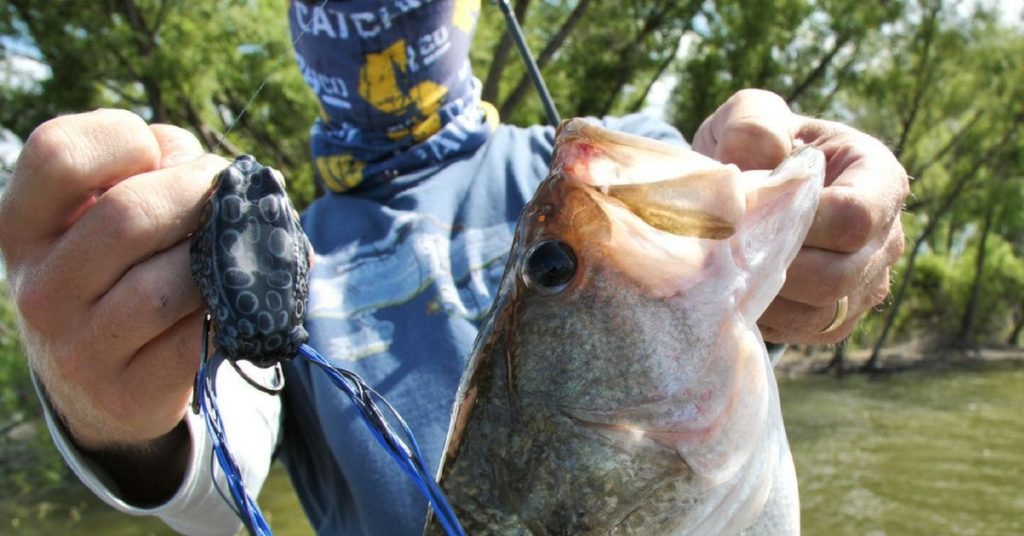
If you want to catch more bass, mastering how to fish a frog lure is a game-changer. This topwater bait can bring explosive strikes and thrilling action right to your fingertips.
But there’s a right way to use it—small mistakes can leave you empty-handed. In this guide, you’ll learn simple tips and proven techniques that will help you make the most of your frog lure. Get ready to boost your bass fishing skills and enjoy more exciting catches every time you hit the water.
Keep reading, and you’ll discover how to turn your frog lure into a bass magnet.

Credit: www.youtube.com
Choosing The Right Frog Lure
Fishing with frog lures is a popular way to catch bass. Picking the right frog lure helps you catch more fish.
Different frog lures work better in different water and weather conditions. Learn how to choose the best one for your trip.
Topwater Vs. Hollow Body Frogs
Topwater frogs float on the water surface. They make noise and ripples to attract bass.
Hollow body frogs have a soft, hollow body. They float well and allow bass to bite without feeling hard parts.
- Topwater frogs are best for open water and heavy cover.
- Hollow body frogs work well in thick weeds and lily pads.
- Both types help bass strike on the water surface.
Colors And Sizes That Work
Choose frog colors that match local frogs or insects. Natural colors often catch more bass.
Size matters too. Small frogs work in clear water. Bigger frogs attract bass in murky water.
- Green and brown colors blend well in most waters.
- Black and dark colors show better in low light.
- Use sizes from 2 to 4 inches for most bass fishing.
Matching Lure To Water Conditions
Clear water calls for natural colors and smaller frogs. Bass can see the lure well in clear water.
In stained or muddy water, use bright or dark colors. Larger frogs work better here to attract attention.
- Clear water: green, brown, or frog patterns; smaller sizes.
- Stained water: chartreuse or white; medium sizes.
- Muddy water: black or dark colors; larger sizes.
Best Rod And Reel Setup
Choosing the right rod and reel helps you catch bass with a frog lure. The right gear gives you better control and accuracy. It also helps you handle strong fish in thick cover.
This guide covers rod length and power, reel types and gear ratios, and line choices. Use these tips to improve your frog fishing experience.
Rod Length And Power
For frog fishing, use a rod that is long and strong. A longer rod helps you cast farther and control your lure better. Power means how strong the rod is to handle heavy fish and thick weeds.
- Length: Choose a rod between 7 to 8 feet long.
- Power: Use a medium-heavy to heavy power rod.
- Action: Fast action rods work best for quick hook sets.
Reel Types And Gear Ratios
Spinning and baitcasting reels are popular for frog fishing. Baitcasting reels give better control and power. Gear ratio affects how fast you can retrieve the line.
| Reel Type | Advantages | Recommended Gear Ratio |
| Baitcasting | Strong drag, good control | 6.3:1 to 7.1:1 |
| Spinning | Easier to use, less line twist | 5.5:1 to 6.2:1 |
Line Choices For Frog Fishing
Choose a line that can handle heavy cover and big bass. Braided line is strong and sensitive. Fluorocarbon leader helps prevent fish from seeing the line.
- Use 50-65 lb braided line for main line.
- Add a 6 to 8 feet fluorocarbon leader, 20-30 lb test.
- Check line regularly for damage from weeds or teeth.
Ideal Fishing Spots For Frog Lures
Frog lures work best in certain places where bass like to hide. These spots have the right cover and food for bass. Knowing where to fish helps you catch more bass using frog lures.
Look for areas that have plants, shallow water, or structures where bass can stay hidden. These spots make frog lures very effective.
Weedy And Shallow Areas
Shallow water with weeds is a great place to use frog lures. Bass like to stay near weeds because they find food and protection there. Cast your frog lure near thick weeds and move it slowly to attract bass.
Near Lily Pads And Vegetation
Lily pads and other floating plants cover the water surface and hide bass below. Bass wait under these spots to catch prey. Use your frog lure to make a splash near the edges of lily pads and vegetation to entice strikes.
- Cast near the edges of lily pads
- Work the lure slowly to mimic a frog’s movement
- Focus on areas with thick vegetation
- Watch for bass jumping or surface disturbances
Structure And Cover To Target
Bass hide near structures such as fallen trees, logs, and docks. These places offer shade and shelter. Frog lures work well here because bass expect frogs to jump near these covers.
| Type of Structure | Why Bass Hide There |
| Fallen Trees | Provides shade and ambush points |
| Logs | Offers cover from predators |
| Docks | Creates shade and attracts baitfish |
| Rock Piles | Hides bass and offers feeding spots |

Credit: www.lurenet.com
Techniques To Retrieve Frog Lures
Fishing with frog lures is a popular way to catch bass. These lures mimic frogs on the water surface. Using the right retrieval techniques helps attract bass and get more bites.
This guide covers three common techniques to retrieve frog lures. Each method works well in different water conditions and bass behavior.
Walking The Frog
Walking the frog means moving the lure side to side with a steady rhythm. This action creates ripples and sound that bass find hard to ignore.
- Cast the frog lure near cover or lily pads.
- Keep your rod tip low and twitch it gently.
- Make the lure zigzag across the water surface.
- Pause briefly between twitches to imitate a real frog.
Pause And Twitch Method
This method uses pauses and small twitches to fool bass into striking. It works well when bass are slow or hiding.
| Action | Description |
|---|---|
| Cast | Place the lure near heavy cover or weeds. |
| Twitch | Make short, sharp rod tip movements. |
| Pause | Hold the lure still for 2 to 4 seconds. |
| Repeat | Alternate twitching and pausing to mimic frog movement. |
Slow Vs. Fast Retrieval
Choosing between slow and fast retrieval depends on bass activity and water temperature. Both speeds have benefits.
Retrieval Speed Tips
- Slow retrieval:Use when bass are cold or inactive. It looks like a tired frog.
- Fast retrieval:Use in warm water or when bass chase prey. It triggers quick strikes.
- Mix speeds:Change pace to find what bass prefer that day.
Hooking And Landing Big Bass
Fishing a frog lure for bass is exciting and needs skill. Catching a big bass requires good hook setting and careful handling.
This guide covers how to hook bass well and land heavy fish safely. Follow these tips to improve your chances.
Setting The Hook Effectively
Setting the hook right is the first step to landing a big bass. You must act fast but stay calm. The frog lure often leads to short, soft strikes.
- Wait until you feel the bass fully take the lure.
- Use a quick, firm upward motion with the rod to set the hook.
- Keep your wrist firm to drive the hook deep.
- Do not jerk the rod too hard; it may pull the hook out.
Handling Tough Strikes
Bass often hit frog lures with short strikes or head shakes. These tough strikes can make hooking difficult. You need to watch your line and rod tip closely.
| Strike Type | How to React |
| Short Tap | Wait briefly, then set hook firmly. |
| Head Shake | Keep tension and raise rod slowly. |
| Slow Pull | Lift rod smoothly and reel in slack. |
Tips For Landing Heavy Fish
Big bass put up a fight after the hook is set. Use these tips to land them safely and avoid losing your catch.
- Keep steady pressure on the fish with a tight line.
- Use your rod’s flex to absorb sharp runs and jumps.
- Let the fish tire itself out before pulling it closer.
- Guide the bass toward shallow water or the boat slowly.
- Use a net or your hands carefully to lift the fish out.

Credit: www.fieldandstream.com
Seasonal Strategies For Frog Fishing
Fishing with a frog lure is a popular way to catch bass. The way you fish changes with the seasons. Using the right approach for each season helps you catch more bass.
This guide explains how to fish a frog lure during different times of the year. Learn tips for spring, summer, and fall to improve your success.
Spring And Early Summer Tips
In spring, bass move to shallow water. They look for places to lay eggs. Use a frog lure near weeds and lily pads. Cast slowly to avoid scaring fish.
Early summer is still good for frog fishing near cover. Bass stay close to plants and logs. Use a steady retrieve with pauses to mimic a real frog.
- Fish near shallow weeds and pads
- Cast quietly to avoid spooking bass
- Use slow, steady retrieves with pauses
- Target early morning or late evening
Summer Fishing Techniques
In summer, bass move to cooler, deeper water during the heat of the day. Fish frog lures near shaded areas and thick cover. Look for spots with fallen trees or overhanging branches.
Use a fast retrieve to trigger strikes. Bass are more aggressive in warm water. Make sure to fish early or late in the day to avoid the heat.
- Fish shaded, cool spots near cover
- Look for fallen trees and branches
- Use faster retrieves to excite bass
- Fish early morning or late evening
Fall And Late Season Approaches
In fall, bass feed heavily before winter. Use frog lures near shallow water and edges of weed beds. Bass become more active and aggressive.
Late season fishing means slower retrieves. Bass are less active in cold water. Cast near deep pockets and slow your frog lure to tempt strikes.
- Fish near weed edges and shallow water
- Slow down your retrieve in cold water
- Try deeper pockets with frog lures
- Focus on mid-day when water warms
Common Mistakes To Avoid
Fishing with a frog lure can be very effective for bass. Many anglers make simple mistakes that reduce their catch. Avoiding these errors helps improve your fishing success.
Understanding how to use the frog lure correctly is key. Here are some common mistakes you should watch out for while fishing.
Overworking The Lure
Many anglers move the frog lure too fast or too much. This can scare bass away instead of attracting them. The frog lure works best with slow, natural movements.
Try to make small twitches and pauses. Let the lure sit still sometimes. This mimics a real frog and draws bass closer.
- Use slow and gentle movements
- Pause often to let the lure float
- Avoid constant fast jerks or pulls
Ignoring Water Conditions
Water conditions change how bass react to frog lures. Clear water, murky water, and weather all matter. Ignoring these factors can lower your chances.
Observe the water before fishing. Use a frog lure that matches the environment. Adjust your retrieval speed based on water clarity and temperature.
- Use brighter colors in murky water
- Choose natural colors for clear water
- Fish slower in cold water
- Fish faster in warm water
Using The Wrong Equipment
Using the wrong rod, line, or reel can hurt your fishing. Frog lures need strong and flexible gear. Weak equipment may cause lost fish or broken line.
Pick a medium-heavy rod with fast action. Use braided line for strength and sensitivity. Match your reel to the rod for smooth casting and retrieval.
- Medium-heavy fast action rod
- Strong braided line (30-50 lb test)
- Reel with smooth drag system
- Use a leader if needed for sharp teeth
Maintenance And Care For Frog Lures
Frog lures are popular for bass fishing because they mimic real frogs well. Proper care keeps them working and looking good for many fishing trips.
Taking time to clean, store, and maintain frog lures helps you get better results and saves money on replacements.
Cleaning After Use
After fishing, rinse your frog lure with fresh water to remove dirt and debris. Saltwater can damage the lure if left on.
- Use a soft brush to clean tight spots
- Check for stuck hooks or weeds
- Dry the lure completely before storing
Storing Properly
Store frog lures in a dry place to avoid mold and rust. Avoid putting heavy items on top to keep their shape intact.
| Storage Tip | Reason |
| Use tackle boxes with compartments | Keeps lures separated and safe |
| Keep away from direct sunlight | Prevents color fading |
| Store in a cool, dry area | Stops mold and hook rust |
Extending Lure Lifespan
To make your frog lure last longer, check it often for damage. Replace worn hooks and repair torn skirts.
- Inspect hooks for rust or dullness
- Sharpen or replace hooks as needed
- Fix or replace soft parts like skirts
- Avoid dragging lure on rough surfaces
- Use lure covers during transport
Frequently Asked Questions
How Do You Fish A Frog Lure For Bass Effectively?
To fish a frog lure effectively, use a slow, steady retrieve near cover. Pause occasionally to mimic a struggling frog. Cast close to lily pads or vegetation where bass hide. This technique triggers aggressive strikes from bass lurking in shallow water.
What Is The Best Rod For Frog Lure Fishing?
A medium-heavy, fast-action rod is ideal for frog lure fishing. It provides strength to pull bass from thick cover. The fast action helps with quick hook sets. Choose a rod length between 6’6” and 7’ for optimal control and casting distance.
When Is The Best Time To Use Frog Lures For Bass?
Early morning and late evening are prime times to use frog lures. Bass are more active near the surface during these hours. Warm, calm days also improve frog lure effectiveness. Avoid windy conditions as they can reduce lure control and visibility.
How Should I Retrieve A Frog Lure To Attract Bass?
Use a stop-and-go retrieve to mimic frog movements. Retrieve slowly with short twitches, then pause briefly. This action simulates a frog’s natural behavior, enticing bass to strike. Adjust speed based on bass activity and water conditions for best results.
Conclusion
Fishing with a frog lure can be exciting and rewarding. It’s a fun way to catch bass, especially in weedy waters. Patience and practice will improve your skills. Remember to mimic a frog’s movement naturally. Focus on timing your hook set for success.
Explore different retrieval techniques. Adapt your strategy to the conditions. Listen to the water and watch the bass. Enjoy the process and learn from each outing. With time, you’ll find what works best for you. Happy fishing, and may your catch be plentiful!