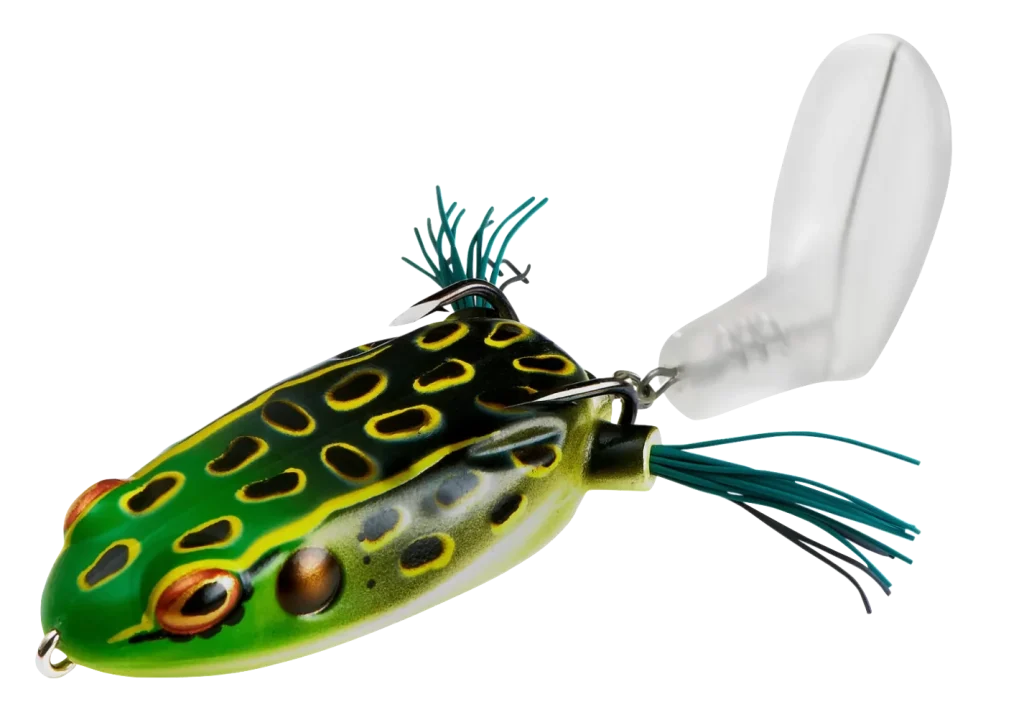
If you want to catch more fish using a frog lure, you need to know the right way to fish it. You might have tried casting and reeling, but the fish just won’t bite.
The secret isn’t just in the lure itself—it’s in how you use it. You’ll discover simple techniques that make your frog lure irresistible to bass and other game fish. By the end, you’ll have the confidence to fish like a pro and land more big catches.
Ready to learn the tricks that turn your frog lure into a fish magnet? Keep reading.
Choosing The Right Frog Lure
Fishing with frog lures is fun and effective in many waters. Picking the right frog lure makes a big difference in catching fish.
Frog lures come in many shapes, sizes, and colors. Knowing how to choose helps you fish better and enjoy your time.
Types Of Frog Lures
There are soft and hard frog lures. Soft frogs feel real and move naturally in water. Hard frogs last longer and are good for rough spots.
Some frog lures float on top. Others sink slowly to attract fish below. Choose the type that fits the water and fish behavior.
- Soft plastic frogs: lifelike and flexible
- Hard-bodied frogs: durable and solid
- Floating frogs: stay on water surface
- Sinking frogs: dive below surface
Selecting Size And Color
Size matters because fish see big and small frogs differently. Use bigger frogs in thick weeds and smaller ones in clear water.
Color helps the lure stand out. Dark colors work well in stained water. Light colors are best in clear water or bright sun.
- Small frogs: 2 to 3 inches, for clear water
- Large frogs: 3 to 5 inches, for heavy cover
- Dark colors: black, brown, green for murky water
- Light colors: white, yellow, bright green for clear water
Quality And Material
Good frog lures last longer and work better. Look for strong materials that resist tears and damage.
High-quality hooks stay sharp and hold fish well. Soft frogs should feel smooth and flexible. Hard frogs need a solid build.
- Durable soft plastic for lifelike action
- Strong, sharp hooks for better catch rate
- Water-resistant paint that does not chip
- Solid hard plastic for tough conditions

Credit: anglersresource.net
Best Gear For Frog Fishing
Frog fishing is a fun and exciting way to catch bass and other fish. Using the right gear helps you fish better and enjoy your time on the water. Choosing the right rod, reel, line, and hooks makes a big difference.
This guide covers the best gear for frog fishing. It will help you pick the right equipment for a successful fishing trip.
Rod And Reel Selection
Choose a rod that is strong and flexible. A medium-heavy to heavy power rod works well. A fast action tip helps you set the hook quickly. The rod length should be around 6 to 7 feet to make long casts.
For reels, a baitcasting reel is the best choice. It offers better control and power for pulling fish out of thick cover. Make sure the reel has a smooth drag system to avoid line breaks.
Line Recommendations
- Use braided line for strength and sensitivity.
- Choose a line with 30 to 50-pound test for frog fishing.
- Use a fluorocarbon leader to make the line less visible underwater.
- Match the line strength with your rod and reel for best results.
Hooks And Accessories
| Hook Type | Size | Use |
| Wide Gap Hooks | 3/0 to 5/0 | Best for rigging frog lures |
| Offset Hooks | 4/0 to 6/0 | Helps keep frog in place |
| Weedless Hooks | 3/0 to 5/0 | Prevents snagging on vegetation |
Use accessories like split rings and swivels to improve lure action. Keep extra hooks and pliers handy for quick changes and hook removals.
Topwater Fishing Techniques
Fishing with a frog lure on topwater offers exciting action. You can see strikes and feel the fight right on the surface.
To catch more fish, use the right casting, retrieval, and lure action methods. These help you fish the frog lure effectively.
Casting Tips For Accuracy
Accurate casting places your frog lure near cover where fish hide. Aim for lily pads, weeds, or logs to get fish attention.
- Use a smooth, controlled motion to avoid spooking fish.
- Practice distance control to place the lure where fish are active.
- Cast slightly ahead of your target to let the lure land softly.
- Choose a rod with good sensitivity to feel the lure touch down.
Retrieval Methods
How you retrieve the frog lure changes its action and can trigger strikes. Try different speeds and rhythms to find what works.
| Retrieval Style | Description | When to Use |
| Steady Retrieve | Slow and even speed | Clear water, calm conditions |
| Fast Retrieve | Quick and aggressive | Active fish, warm water |
| Stop-and-Go | Retrieve with pauses | When fish are hesitant |
| Walk-the-Dog | Side-to-side lure action | Open water or light cover |
Pause And Twitch Strategies
Pausing and twitching the frog lure creates natural movement. This can fool fish into striking.
- Pause for 2 to 4 seconds after a few twitches.
- Use short, quick twitches to mimic a struggling frog.
- Watch the line closely for subtle bites during pauses.
- Repeat the pause and twitch pattern to keep fish interested.

Credit: mysterytacklebox.com
Reading Water And Weather
Knowing how to read water and weather helps you catch more frogs. Weather changes affect frog activity and lure movement.
Understanding water conditions guides you to the best fishing spots. You can adjust your techniques for better results.
Ideal Conditions For Frog Fishing
Frogs are active in warm and calm weather. They like water with lots of cover and little current.
- Sunny or partly cloudy days with temperatures between 70°F and 85°F
- Early morning or late evening for cooler, calm wind conditions
- Shallow water near lily pads, reeds, or grass where frogs hide
- Still water or slow-moving streams
Identifying Hotspots
Look for places where frogs gather to rest and feed. These spots have good cover and easy access to air.
| Water Feature | Why It’s a Hotspot |
| Lily pads | Provide shade and protection |
| Reeds and grasses | Offer hiding places from predators |
| Shallow edges | Easy for frogs to breathe and hunt |
| Calm pools | Less disturbance and better frog activity |
Adjusting Techniques Based On Environment
Match your lure action to water and weather conditions. Use slow retrieves in calm water and faster ones if the water moves.
- In sunny weather, pause your lure often to imitate a frog resting
- On windy days, use a steady retrieve to keep control over the lure
- In heavy cover, use a popping action to attract attention without snagging
- In murky water, rely on vibration and sound from the lure
Hookset And Playing Fish
Fishing with a frog lure is exciting and needs quick action. Knowing when and how to set the hook helps catch more fish.
Playing fish properly keeps them safe and improves your fishing experience. Learn to handle strikes and land fish with care.
Timing The Hookset
Watch the frog lure closely after a fish strikes. Wait a moment to feel the weight before setting the hook. A fast hookset often pulls the lure away too soon.
- See the fish grab the lure or feel a tug.
- Pause briefly to ensure the fish has the lure.
- Pull the rod firmly to set the hook in the fish’s mouth.
Handling Strikes On Topwater
Topwater strikes can be explosive and fast. Stay calm and ready to react. Keep your rod tip low to prevent the fish from throwing the hook.
| Strike Type | How to React |
|---|---|
| Light Tap | Pause and wait for a stronger pull before setting the hook. |
| Strong Splash | Set the hook immediately with a firm, quick pull. |
| Follow and Grab | Keep the lure moving slowly and be ready to set the hook when the fish bites. |
Landing And Releasing Fish Safely
Handle fish gently to keep them healthy. Use wet hands or a soft cloth when touching fish. Avoid squeezing the body or damaging fins.
- Keep the fish in water as much as possible.
- Use pliers to remove hooks carefully.
- If the hook is deep, cut the line instead of pulling hard.
- Release fish slowly back into the water, supporting it until it swims away.

Credit: www.lurenet.com
Common Mistakes To Avoid
Fishing with a frog lure can be very fun and effective. Many anglers make simple mistakes that hurt their chances of catching fish. Avoiding these errors will improve your success on the water.
Below are some common mistakes to watch out for when fishing with a frog lure. Each one can stop you from getting bites and reduce your enjoyment.
Overworking The Lure
Moving the frog lure too much or too fast can scare fish away. Fish often prefer a slow, steady action that looks natural. Jerking the lure or making quick, sharp movements can cause them to ignore it.
- Use slow twitches to mimic a frog’s natural movement.
- Pause often to let the lure sit still on the water.
- Avoid constant fast pulls or rapid splashing.
- Watch how real frogs move and copy that rhythm.
Ignoring Line Management
Bad line management can cause missed fish and lost lures. Too much slack line or a tangled line can reduce hook sets. Keeping the line tight and neat helps you feel bites and control the lure better.
| Problem | Effect | How to Fix |
| Slack line | Missed hook sets | Keep a firm line tension |
| Line tangles | Lure snags or breaks | Check and untangle often |
| Wrong line type | Low lure control | Use braided or fluorocarbon line |
Misjudging Fish Behavior
Not paying attention to fish habits leads to fewer catches. Fish change their feeding times and locations based on weather and water conditions. Understanding these changes helps you pick the best times and spots.
Tips to read fish behavior:
- Watch water temperature and clarity.
- Notice feeding times at dawn and dusk.
- Look for signs of fish activity like splashes.
- Adjust your lure action to match fish mood.
Advanced Frog Fishing Tips
Fishing with frog lures is fun and can catch big bass. Learning advanced tips helps you get better results.
This guide shares ways to use frog lures in different waters, combine them with other lures, and adjust for seasons.
Using Frog Lures In Different Waters
Frog lures work well in shallow water with plants. In weedy lakes, use topwater frog lures to avoid snags.
In clear water, choose natural frog colors. In murky water, brighter colors help fish see the lure better.
- Shallow, weedy water: Use soft frog lures that float well
- Clear water: Pick frog colors like green or brown
- Murky water: Use bright or dark colored frogs
- Heavy cover: Use weedless frog lures to avoid getting stuck
Combining With Other Lures
Use frog lures with other lures to catch more fish. Switch lures if frogs do not work well that day.
Try pairing frog lures with buzzbaits or spinnerbaits. Fish often hit different lures in one fishing trip.
- Start with frog lure near cover
- Try buzzbait in open water for fast action
- Use spinnerbait when fish are active
- Change lure color or style if no bites
Seasonal Adjustments
Fish behavior changes with seasons. Adjust frog lure use to match water temperature and fish habits.
In spring, fish look for frogs near spawning areas. In summer, use slower frog retrieves in hot weather.
- Spring: Use natural colored frogs near shore
- Summer: Slow your retrieve to mimic tired frog
- Fall: Fish feed more; use faster frog action
- Winter: Frog fishing is less effective, try other lures
Frequently Asked Questions
What Is The Best Technique To Fish A Frog Lure?
The best technique is a slow, steady retrieve with occasional twitches. This mimics a frog’s natural movement and attracts bass effectively.
When Should I Use A Frog Lure For Fishing?
Use frog lures during warm months, especially in early morning or late evening. They work best in weedy or lily pad-covered waters.
How Do I Choose The Right Frog Lure Color?
Select frog lure colors that match local frogs or water conditions. Dark colors work well in murky water, while natural shades suit clear water.
Can Frog Lures Be Used In Heavy Vegetation?
Yes, frog lures are ideal for fishing heavy vegetation. Their weedless design allows easy retrieval without snagging on plants.
Conclusion
Fishing with a frog lure can bring great fun and big catches. Practice casting near lily pads and calm waters. Watch how the frog moves and adjust your speed. Patience helps you learn fish behavior and improve your skill. Enjoy the quiet moments and the thrill of a strike.
Try different colors and sizes to see what works best. Keep your gear ready and stay safe near water. Fishing this way connects you closer to nature and fish. Give it time, and success will follow.