If you want to catch more crawfish, knowing how to fish crawfish lures is a game changer. Imagine feeling the tug on your line as a crawfish takes the bait—exciting, right?
Whether you’re a beginner or have tried before without much luck, this guide will help you master the simple tricks that bring the best results. You’ll learn how to choose the right lures, the best techniques to use, and how to read the water to find where crawfish hide.
Keep reading, and soon you’ll be reeling in crawfish like a pro.
Credit: www.youtube.com
Choosing Crawfish Lures
Picking the right crawfish lure helps catch more crawfish. The lure must look real and attract crawfish well.
Different lures work better in different places and water types. Learn about types, colors, and sizes to make a good choice.
Types Of Crawfish Lures
Crawfish lures come in many styles. Each type has a unique shape and action in the water.
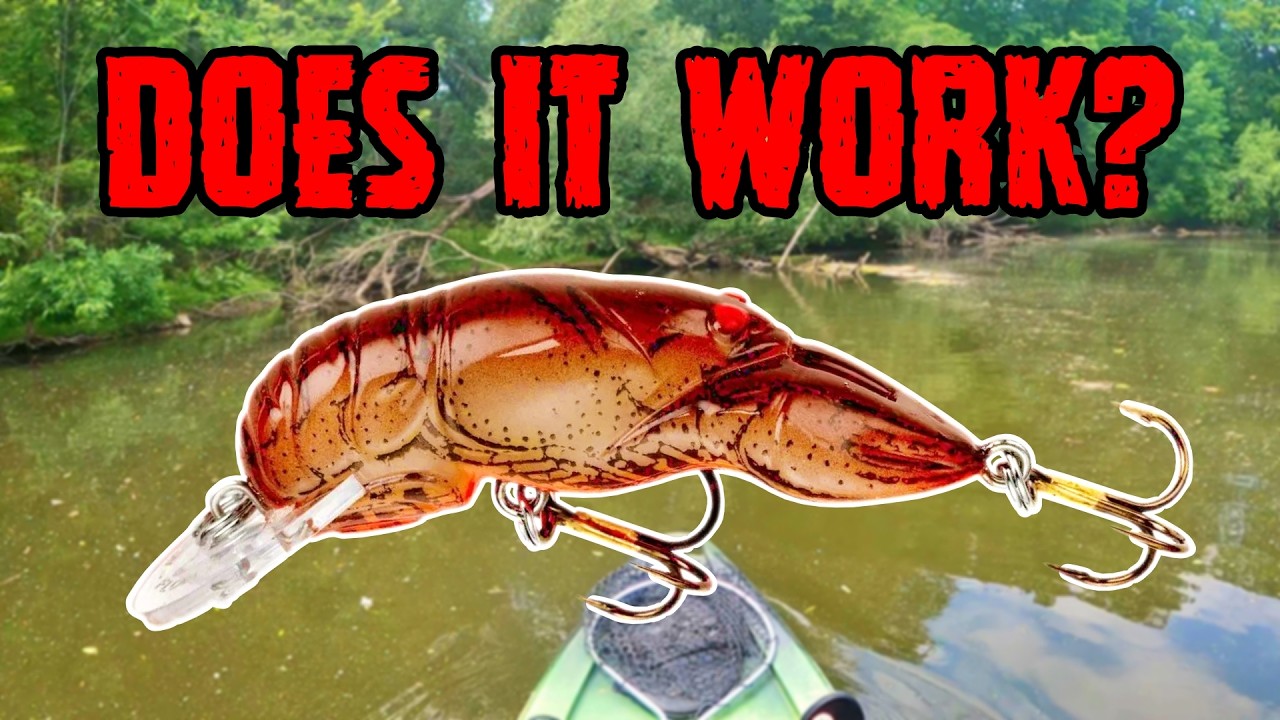
- Soft plastic lures: These look like real crawfish and move naturally.
- Hard body lures: They create vibrations that attract crawfish.
- Jigs: Often used with soft plastics for better action.
- Spinnerbaits: Flashy lures that catch attention in murky water.
Color And Size Selection
Choose lure color and size based on the crawfish and water clarity. Bright colors show well in dark water.
| Water Type | Recommended Color | Suggested Size |
| Clear Water | Natural colors like brown or green | Small to medium |
| Murky Water | Bright colors like red or orange | Medium to large |
| Stained Water | Dark colors like black or purple | Medium |
Matching Lures To Water Conditions
Water conditions affect how lures work. Pick lures that match the water’s clarity and temperature.
Follow these tips for matching lures:
- Use soft plastics in calm, clear water for natural movement.
- Choose bright spinnerbaits in muddy or dark water to catch attention.
- Try heavier jigs in fast water to keep the lure near the bottom.
- Change lure size if crawfish are small or large in your area.
Best Fishing Techniques
Fishing with crawfish lures can be very effective if you use the right techniques. These lures mimic real crawfish, attracting fish like bass and catfish.
Knowing how to cast, set depth, and move quietly will help you catch more fish. Let’s look at these key techniques.
Casting And Retrieving Methods
Cast your lure near rocks, logs, or weeds where crawfish hide. Use a smooth, steady cast to avoid spooking fish.
Retrieve the lure slowly with short pauses. This makes the lure look like a real crawfish moving on the bottom.
- Cast close to cover and structure
- Use a slow, steady retrieve
- Pause often to mimic crawfish behavior
- Twitch the rod tip slightly during retrieve
Setting The Right Depth
Crawfish live near the bottom, so keep your lure close to the lake or river floor. Adjust your line length to reach this depth.
Use a weighted rig to help your lure sink fast. Check your depth often to stay near the bottom where fish feed on crawfish.
- Use sinkers to reach the bottom quickly
- Adjust line length based on water depth
- Feel for the bottom with slow retrieves
- Keep lure near bottom to attract fish
Using Stealth To Your Advantage
Fish can sense danger and may swim away if they hear noise or see shadows. Approach fishing spots quietly and avoid sudden movements.
Use light line and keep your rod low to reduce line visibility. Stealth helps you get closer to fish and increases your chances to catch them.
- Move slowly near fishing spots
- Keep your rod low to hide the line
- Use light fishing line for less visibility
- Avoid loud noises or splashy casts
Ideal Locations For Crawfish Fishing
Finding the right spot is key to catching crawfish. Crawfish live in certain types of water and areas. Knowing where to fish helps improve your chances.
This guide explains places where crawfish like to stay. It covers their habitat, the best seasons, and how water and weather affect them.
Habitat Preferences
Crawfish prefer slow-moving water with plenty of cover. They hide under rocks, logs, and plants. Muddy or sandy bottoms are ideal for burrowing.
- Shallow rivers and streams with slow currents
- Marshes and swamps with rich vegetation
- Ponds and lakes with muddy or sandy floors
- Areas with fallen trees and underwater debris
Seasonal Hotspots
Crawfish move to different places depending on the season. Warmer months bring more activity and better fishing spots.
| Season | Best Location | Reason |
| Spring | Shallow waters near banks | Crawfish come out to mate |
| Summer | Cooler deep pools | They avoid hot surface water |
| Fall | Near plant roots | They feed before winter |
| Winter | Deep burrows or mud | They stay dormant and hidden |
Reading Water And Weather Patterns
Water and weather changes affect crawfish behavior. They prefer stable water levels and mild weather.
- Look for calm water after rains
- Watch for cloudy or overcast days
- Check water temperature for 65°F to 75°F
- Avoid fishing during strong currents or storms
Timing Your Crawfish Fishing
Fishing crawfish with lures works best when you choose the right time. Timing helps you catch more crawfish easily.
Knowing when crawfish are most active can improve your fishing results. This guide explains the best times to fish.
Best Time Of Day
Crawfish are more active during certain parts of the day. Early morning and late evening are great times to fish.
These times have cooler water and less light, which crawfish prefer. Fishing at midday is less effective.
- Fish just before sunrise
- Try late afternoon to sunset
- Avoid the hottest midday hours
Seasonal Timing
Crawfish move more in warm water. Spring and summer offer the best fishing conditions.
In colder months, crawfish slow down and hide. Focus on late spring to early fall for best results.
- Spring to early fall is prime season
- Winter months are slow for crawfish
- Check water temperature for activity
Impact Of Tides And Moon Phases
Tides can change where crawfish look for food. Incoming tides bring more activity near shore.
The moon affects crawfish behavior too. Full and new moons often increase their movement.
- Fish during rising tides for better results
- Full moon nights boost crawfish action
- New moon phases also increase activity
Equipment And Gear Tips
Fishing for crawfish needs the right equipment to get good results. Using proper gear helps you catch more and have fun.
This guide covers the best rods, reels, lines, hooks, and extra tools you need to fish crawfish lures well.
Rod And Reel Choices
Use a light or ultralight rod for better control and feel. A rod around 6 to 7 feet long works best for crawfish fishing.
Spinning reels are easy to use and good for beginners. They let you cast small lures smoothly and handle light lines well.
- Choose a rod with sensitive tip to feel bites
- Lightweight spinning reel with smooth drag
- Reel size between 1000 to 2500 is ideal
- Rod action should be fast for quick hook sets
Line And Hook Recommendations
Use light fishing line to keep a natural lure movement. Monofilament or fluorocarbon lines between 4 to 8 pounds test work well.
Choose small hooks sized from 6 to 10. Hooks should be sharp and strong enough to hold crawfish without tearing the lure.
- 4-8 lb test monofilament or fluorocarbon line
- Small, sharp hooks sized 6 to 10
- Use barbless hooks for easier release
- Match hook size to lure size for balance
Additional Tools For Success
Bring pliers to remove hooks safely and quickly. A small tackle box keeps your lures and tools organized.
Use a net to land crawfish easily. A small flashlight helps if you fish at dawn or dusk.
- Needle-nose pliers for hook removal
- Compact tackle box for gear storage
- Small landing net to secure catches
- Flashlight for low light fishing
Common Mistakes To Avoid
Fishing for crawfish with lures can be fun and rewarding. Many anglers make simple mistakes that reduce their success. Knowing what to avoid helps you catch more.
This guide covers three common errors: choosing the wrong lure, using bad technique, and ignoring the environment.
Lure Selection Errors
Picking the wrong lure stops you from attracting crawfish. Many use lures that look nothing like what crawfish eat.
- Using lures too big or too small for the local crawfish
- Choosing colors that do not stand out in the water
- Ignoring lure types that mimic crawfish natural food
- Not changing lures based on water clarity or weather
Improper Technique
Even the best lure will fail without the right technique. Many anglers reel in too fast or keep the lure still.
| Common Technique Mistake | Better Approach |
| Reeling in lure too quickly | Use slow, steady pulls |
| Keeping lure motionless | Move lure with gentle twitches |
| Not varying depth | Try different depths to find crawfish |
| Ignoring lure pauses | Pause often to attract attention |
Ignoring Environmental Factors
Crawfish behavior changes with the environment. Many anglers fish without checking water temperature or bottom type.
Important environmental factors to watch:
- Water temperature: Crawfish are more active in warm water.
- Water clarity: Use bright lures in murky water.
- Bottom type: Crawfish like rocky or muddy bottoms.
- Weather changes: Overcast days can improve catches.
Enhancing Your Catch Rate
Fishing with crawfish lures can boost your catch if you use the right techniques. Understanding how to use scent, combine lures, and read fish behavior helps you catch more fish.
These tips focus on making your bait more attractive and adjusting your fishing style to fish habits.
Using Scent And Attractants
Scent draws fish from far away and keeps them near your lure. You can add natural or artificial scents to your crawfish lures to make them more appealing.
- Apply crawfish or shrimp scent gels on your lure
- Use scented soft plastics designed for freshwater fishing
- Renew scent often, especially after long casts
- Match the scent to the local baitfish or crawfish species
Combining Lures For Better Results
Using two lures together can confuse fish and make your bait look more natural. You can pair a crawfish lure with a small swimbait or a soft plastic trailer.
| Combination | Benefit |
| Crawfish lure + swimbait | Mimics real prey movement |
| Crawfish lure + soft plastic trailer | Adds extra action and size |
| Crawfish lure + spinner blade | Creates flash and vibration |
| Two crawfish lures | Increases lure volume and color |
Adapting To Fish Behavior
Fish change their feeding habits based on water temperature, light, and time of day. Adjust your lure speed and depth to match their mood.
Try these tips:
- Slow your retrieve in cold water to mimic slow prey
- Use a fast, erratic pull when fish are active and hungry
- Fish deeper during bright daylight and shallower at dawn or dusk
- Watch for signs like fish jumping or baitfish activity

Credit: www.battlbox.com

Credit: www.lurenet.com
Frequently Asked Questions
What Types Of Lures Work Best For Fishing Crawfish?
Soft plastic crawfish imitations and jig heads are highly effective. Use natural colors like brown or green. These lures mimic real crawfish movements and attract bass and catfish efficiently.
How Should I Rig A Crawfish Lure For Fishing?
Texas rigging or Carolina rigging works well. Attach the lure to a weighted hook for bottom fishing. This setup allows natural movement and prevents snagging in weeds or rocks.
When Is The Best Time To Fish With Crawfish Lures?
Early morning and late evening are ideal times. Crawfish are more active during low light. Fishing during spring and early summer increases success rates as crawfish become abundant.
Where Should I Cast Crawfish Lures For Best Results?
Cast near rocky bottoms, submerged logs, or weed beds. Crawfish hide in these areas, attracting predatory fish. Focus on shallow waters with plenty of cover for higher catch chances.
Conclusion
Fishing with crawfish lures can be both fun and rewarding. Choose the right lure for your fishing spot. Pay attention to the water conditions and time of day. Practice makes perfect. So, keep trying until you get the hang of it.
Soon, you’ll catch more fish and enjoy your time on the water. Remember, patience and persistence are key. Share your fishing stories with friends and family. They might want to join you next time. Happy fishing!