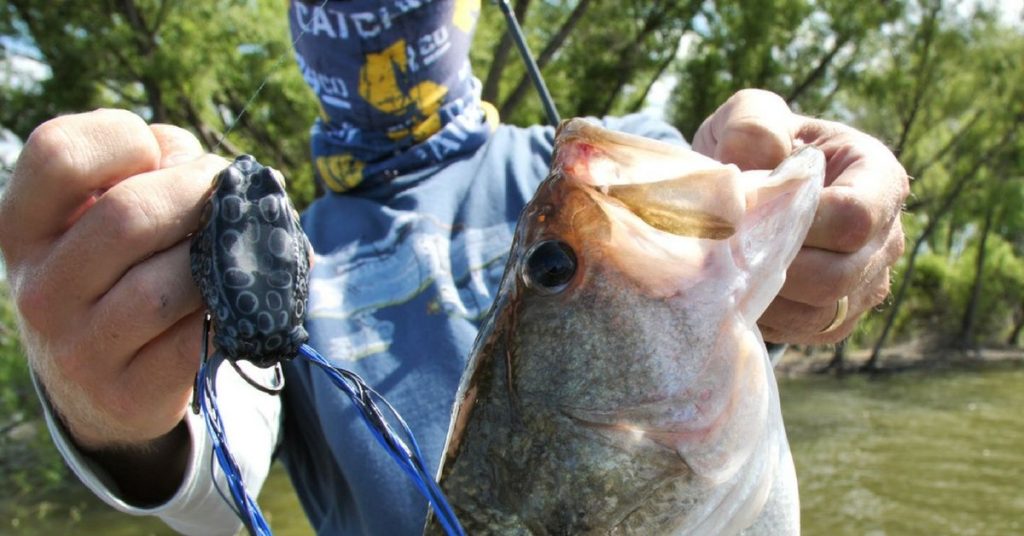
If you want to catch more bass and have fun while fishing, learning how to fish frog lures is a game-changer. Frog lures mimic the real thing, making bass strike with excitement.
But there’s a trick to using them right. You’ll discover simple tips and proven techniques that will help you master frog fishing quickly. Get ready to boost your fishing skills and enjoy more action on the water!
Choosing The Right Frog Lure
Frog lures are popular for catching bass and other fish near the water surface. Picking the right lure helps you catch more fish and enjoy your time fishing.
This guide covers materials, colors, sizes, and weights to help you choose the best frog lure for your fishing trip.
Top Materials And Designs
Frog lures come in different materials like soft plastic and hollow rubber. The design affects how the lure moves and floats on water.
- Soft plastic frogs offer realistic movement and easy hook setting.
- Hollow rubber frogs float well and create good surface disturbance.
- Some lures have legs that kick to attract fish.
- Look for lures with weedless hooks to avoid snagging plants.
Color Selection For Different Waters
Colors help fish see the lure in various water conditions. Choose colors based on water clarity and light.
| Water Type | Best Frog Lure Colors |
| Clear Water | Natural greens, browns, and yellows |
| Murky Water | Bright colors like chartreuse and white |
| Stained Water | Dark colors like black and dark green |
| Low Light | Glow-in-the-dark or reflective colors |
Size And Weight Considerations
Pick a frog lure size and weight that matches your fishing spot and target fish size. Bigger frogs attract bigger fish but can be harder to cast.
- Use 2 to 3 inch frogs for most bass fishing.
- Choose lighter frogs in calm water for better action.
- Heavier frogs cast farther and work well in windy conditions.
- Match lure size to the size of frogs in your fishing area.
Best Gear For Frog Fishing
Fishing with frog lures is fun and exciting. It works best in areas with heavy vegetation.
Choosing the right gear helps you catch more fish and makes fishing easier.
Rods And Reels
Use a medium-heavy or heavy rod for frog fishing. It gives you power to pull fish out of weeds.
A fast action rod helps set the hook quickly. Pair it with a baitcasting reel for better control.
- Rod length: 6’6” to 7’4”
- Power: Medium-heavy to heavy
- Action: Fast
- Reel type: Baitcasting
Line Types And Strength
Use braided line for frog fishing. It is strong and has no stretch, which helps with hooksets.
Choose line strength between 30 to 50 pounds. This strength resists abrasion from plants and fish.
- Line type: Braided
- Strength: 30–50 lb test
- Leader: Fluorocarbon (optional for extra invisibility)
Hooks And Terminal Tackle
Frog lures usually come with built-in hooks. Use weedless hooks to avoid snagging plants.
Choose strong hooks rated for heavy fish. Use heavy-duty split rings and swivels for better strength.
- Hook type: Weedless, strong hooks
- Use heavy-duty split rings
- Swivels to reduce line twist
Ideal Fishing Spots
Fishing with frog lures is thrilling and effective. Choosing the right spot is crucial. Consider factors like vegetation, water, and time.
Learn how these elements affect your success. Enhance your fishing experience with targeted knowledge.
Vegetation And Cover
Frog lures work best in areas with plenty of cover. Fish hide under vegetation for protection and hunting.
- Lily pads provide excellent cover.
- Weed beds are common fish habitats.
- Fallen logs offer good hiding spots.
Water Conditions
Water conditions affect fish activity. Ideal spots have calm waters with minimal disturbance.
| Condition | Effect on Fishing |
| Clear Water | Fish are more cautious |
| Murky Water | Fish rely on sound and movement |
| Current | Fish stay in calmer areas |
Time Of Day
The time of day influences fish activity. Early morning and late afternoon are prime times for using frog lures.

Credit: www.lurenet.com
Casting Techniques
Fishing with frog lures needs good casting skills. The right casting helps catch more fish. It also keeps your lure in the best spots.
This guide covers key casting techniques for frog lures. Learn how to place your lure well, avoid snags, and fish near obstacles.
Accurate Placement
Place your frog lure exactly where fish hide. Aim for the edges of lily pads, grass beds, and shallow water spots. Accuracy helps the lure look natural.
- Use smooth, controlled casts for better aim.
- Practice short casts to avoid overshooting targets.
- Watch the wind direction to adjust your cast.
- Try sidearm casting for tight spots.
Avoiding Snags
Frog lures often get stuck in weeds or branches. Avoid snags by learning how to cast and retrieve carefully.
| Tip | How to Do It |
| Choose the Right Rod | Use a rod with good backbone for quick hook sets. |
| Cast Beyond Cover | Throw your lure past thick weeds, then retrieve it slowly. |
| Use a Lift and Pause Retrieve | Lift the lure sharply, then pause to let it float free. |
| Keep Line Tight | Maintain tension to feel when the lure snags early. |
Working Around Obstacles
Fishing near logs, rocks, and plants means careful casting. Work around these obstacles to keep your lure safe and fish interested.
Try these tips for fishing near obstacles:
- Use a sidearm or skipping cast to get under branches.
- Cast at an angle to avoid hitting rocks directly.
- Retrieve slowly to mimic a frog moving naturally.
- Watch your line path to prevent tangles.
Retrieval Methods
Fishing with frog lures needs different ways to move the lure. This helps to attract fish in many water conditions.
Using the right retrieval method makes your frog lure look alive. It helps to catch more fish by matching their behavior.
Popping And Pausing
Popping means pulling the frog lure quickly to make a splash. This noise draws fish close to the lure.
After popping, pause for a few seconds. The frog looks like a struggling prey. Fish often strike during this pause.
- Pull rod tip sharply to make a splash
- Pause 2 to 4 seconds after each pop
- Repeat to keep fish interested
Walking The Frog
Walking the frog means moving the lure side to side on the water surface. It looks like a frog hopping.
This method works well in calm water. Small rod twitches create smooth, natural movements that attract fish.
- Use small rod tip movements
- Keep the line tight for better control
- Move the lure in a zigzag pattern
Speed Variations
Changing the speed of your retrieval can trigger strikes. Fish react differently to fast or slow movements.
Try slow retrieves with pauses, then speed up. Watch how fish respond and adjust your speed to catch them.
- Slow retrieve to imitate a tired frog
- Fast retrieve to provoke aggressive strikes
- Mix slow and fast to keep fish guessing
Hookset Strategies
Fishing with frog lures needs a good hookset to catch fish. You must know when and how to strike. A strong hookset helps catch fish better.
This guide covers timing your strike, handling tough hooks, and dealing with missed bites. These tips improve your frog lure fishing.
Timing Your Strike
Strike quickly when you feel a bite on the frog lure. Fish often hit fast and soft. Wait too long, and the fish may spit out the lure.
Watch the frog lure closely. When it stops or moves oddly, set the hook right away. Quick reaction helps catch more fish.
Handling Tough Hooks
Frog lures have big, strong hooks that can be hard to set. Use a firm but smooth motion to avoid pulling the lure out. Avoid jerky movements.
If the hook feels stuck, gently twist the rod to free it. This keeps the hook from bending or breaking. Keep your rod tip up to hold tension.
- Use firm, steady hooksets
- Avoid sharp jerks or fast pulls
- Twist gently if the hook is stuck
- Keep rod tip up during the fight
Dealing With Missed Bites
Sometimes fish bite but miss the hook. Stay calm and keep fishing. Try slowing down your retrieve to let the fish hold the lure longer.
Change your hookset speed if you miss often. A slower or softer hookset can help the hook catch better. Watch fish behavior to adjust your strike.
- Slow your lure retrieve
- Try softer, slower hooksets
- Observe fish reactions closely
- Keep casting and adjust timing
Seasonal Tips For Frog Fishing
Fishing with frog lures can be fun all year. Different seasons need different ways to fish. Knowing what to do in spring, summer, fall, and winter helps catch more fish.
This guide gives easy tips for each season. Use these ideas to improve your frog fishing skills and enjoy the water more.
Spring Patterns
In spring, fish start to move to shallow waters. They look for food and places to lay eggs. Use frog lures near plants and lily pads. Cast slow and steady to attract bites.
- Fish during warm parts of the day
- Use light-colored frog lures
- Try slow, natural movements
- Target calm water near vegetation
Summer Techniques
Summer heat makes fish hide in shaded spots. Use frog lures near logs, weeds, and deep cover. Fast retrieves and popping actions work well. Fish early morning or late evening for best results.
| Time of Day | Technique | Lure Color |
| Morning | Slow retrieve near weeds | Dark green |
| Midday | Fast pops near shaded logs | Black |
| Evening | Steady retrieve in open water | Bright green |
Fall And Winter Adjustments
Fish eat less in cold water but still feed near shelters. Use frog lures slowly and carefully. Focus on sunny spots with shallow water. Smaller frog lures work better in cold months.
Try these tips for fall and winter frog fishing:
- Use smaller lures for less water resistance
- Fish near fallen leaves and logs
- Cast slowly to avoid spooking fish
- Look for warm spots during midday
Common Mistakes To Avoid
Fishing with frog lures can be fun and productive. Many anglers make simple errors that reduce their catch.
Knowing what to avoid helps you use frog lures better. Here are common mistakes to watch out for.
Overworking The Lure
Moving the frog lure too much scares fish away. Frogs in nature often stay still or move slowly.
Try to mimic natural frog movements. Pause often and use gentle twitches instead of fast pulls.
- Use slow, steady movements
- Pause to let the lure sit still
- Avoid constant jerking or twitching
Ignoring Water Conditions
Water temperature and clarity affect how fish see frog lures. Ignoring these can lead to fewer bites.
In murky water, use bright or dark-colored frogs. In clear water, natural colors work best. Adjust your technique for warmer or cooler water too.
- Match lure color to water clarity
- Fish slowly in cold water
- Use more action in warm water
Using The Wrong Gear
Choosing the wrong rod, reel, or line can hurt your frog fishing success. Frog lures need strong gear for big strikes.
Use a medium-heavy rod with fast action. Braided line helps with sensitivity and strength. Make sure your reel has good drag control.
- Medium-heavy rod with fast tip
- Strong braided line (30 lb or more)
- Reel with smooth drag system
Care And Maintenance Of Frog Lures
Frog lures are popular for fishing in areas with heavy vegetation. Proper care keeps them working well and looking good. Taking time to clean and store them right helps you fish longer.
Simple maintenance steps protect your lures from damage. This guide covers cleaning, storage, and tips to extend their lifespan.
Cleaning After Use
After fishing, rinse your frog lures with fresh water. This removes dirt, algae, and salt that can harm them. Use a soft brush to clean hard-to-reach parts gently.
Dry your lures completely before storing. Moisture can cause mold or rust on hooks. Clean lures last longer and perform better on your next trip.
Storage Tips
Store frog lures in a dry, cool place away from direct sunlight. Too much heat or sun can fade colors and weaken materials. Use a tackle box with compartments to keep lures separate.
- Keep lures dry before storage
- Avoid stacking lures to prevent damage
- Use plastic or foam inserts for protection
- Check storage area for pests or moisture
Extending Lure Lifespan
Handle frog lures carefully to avoid tearing soft bodies. Repair small tears quickly with glue or tape made for fishing gear. Replace rusty hooks to keep lures effective and safe.
Rotate your lures during fishing trips to reduce wear on one lure. Regular maintenance helps your frog lures stay strong and fish-ready for many uses.

Credit: anglersresource.net

Credit: www.youtube.com
Frequently Asked Questions
What Is The Best Time To Fish Frog Lures?
Early morning and late evening are ideal times for frog lure fishing. Fish are more active near the surface then. Overcast days also increase frog lure success by encouraging fish to strike more aggressively.
How Do Frog Lures Attract Fish?
Frog lures mimic real frogs, creating lifelike movements and splashes. This attracts predatory fish hiding near vegetation or lily pads. The realistic action triggers strikes by fooling fish into thinking it’s natural prey.
What Rod And Reel Work Best For Frog Fishing?
Use a medium-heavy rod with fast action for frog lures. Pair it with a baitcasting reel for better control and strong hooksets. This setup handles heavy line and resists snags in thick cover.
How Should I Retrieve Frog Lures Effectively?
Use a slow, erratic retrieve with pauses and twitches. Mimic a struggling frog on the water surface. Vary speed to entice strikes, especially near weeds or lily pads.
Conclusion
Fishing with frog lures can be fun and effective. Use the right rod and reel for better control. Cast near plants and wait patiently for a bite. Keep your movements slow to mimic real frogs. Practice often to improve your technique.
Enjoy the challenge and the thrill of catching fish. Frog lures work best in calm, shallow water. Try different colors and sizes to see what fish prefer. Stay safe and respect nature while fishing. Happy fishing!