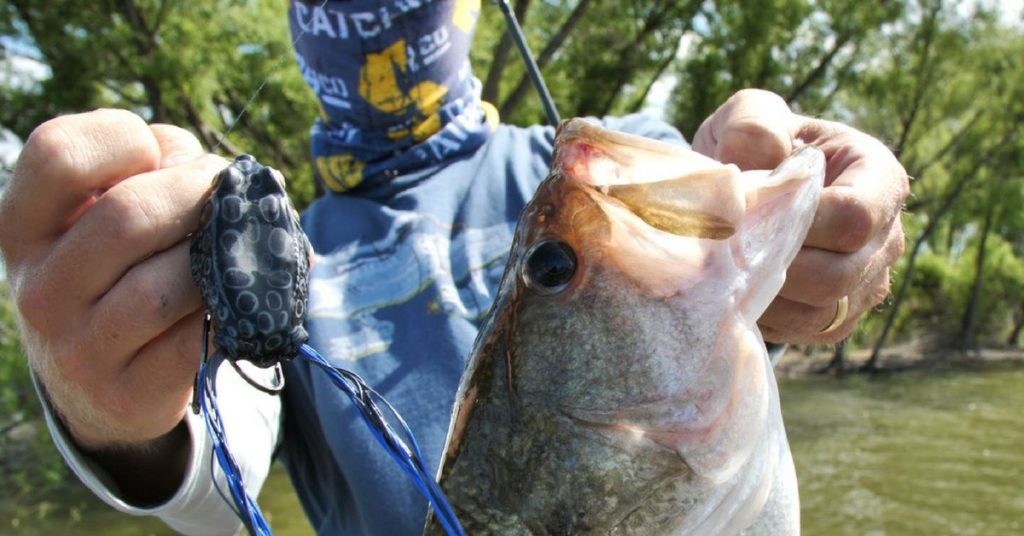
If you want to catch more bass, learning how to fish frog lures can change your game. Frog lures mimic real frogs, one of bass’s favorite meals, making them irresistible.
But using them the right way is key to hooking those big, aggressive bass. In this guide, you’ll discover simple tips and tricks to master frog lure fishing. Ready to boost your bass catch and enjoy some exciting action on the water?
Keep reading, and you’ll find out exactly how to do it.

Credit: www.lurenet.com
Choosing The Right Frog Lure
Frog lures are popular for catching bass in shallow water. They mimic frogs and attract bass near the surface. Choosing the right frog lure helps you fish better and catch more bass.
There are many types, sizes, and colors of frog lures. Also, some brands are known for making quality lures. Let’s explore these points to help you pick the best frog lure.
Types Of Frog Lures
Frog lures come in several types. Each type works well in different water and vegetation conditions. Knowing the types helps you choose one that fits your fishing spot.
- Hollow Body Frogs:Lightweight and float on top. They work well on thick weeds.
- Solid Body Frogs:Heavier and sink slightly. Good for open water near vegetation.
- Topwater Frogs:Designed to stay on the surface and create splashes that attract bass.
- Walking Frogs:These lures move side to side, imitating a frog’s walking motion.
Size And Color Selection
Choosing the right size and color matters. Bass react to different colors and sizes based on water clarity and light.
| Factor | Recommended Size | Recommended Color |
| Clear Water | Small to medium (2-3 inches) | Natural green, brown, or frog patterns |
| Murky Water | Medium to large (3-4 inches) | Bright colors like chartreuse or white |
| Low Light | Medium size | Dark colors like black or dark green |
Best Brands For Bass Fishing
Some brands make reliable frog lures favored by bass anglers. These brands offer quality, durability, and good designs.
- Booyah
- Strike King
- Scum Frog
- War Eagle
- Live Target
Ideal Conditions For Frog Fishing
Frog lures work best in certain conditions that make bass more likely to strike. Understanding these conditions helps you catch more fish.
Frog fishing is exciting because it targets bass near the surface. Knowing when and where to fish improves your chances.
Water Temperature And Season
Bass like frog lures most when water is warm. The best water temperature is between 65 and 85 degrees Fahrenheit.
Spring and summer are top seasons for frog fishing. Bass are active and hunting near the surface during these months.
- Water temperature: 65°F to 85°F
- Best seasons: Late spring through summer
- Avoid cold water under 60°F
Habitat And Cover Spots
Bass hide in places with good cover. Frog lures work well near lily pads, weeds, and fallen trees.
Look for thick vegetation or spots where bass can ambush prey. These areas are perfect for topwater frog fishing.
- Lily pads and water lilies
- Weed beds and grass patches
- Near fallen trees and branches
- Shallow water edges with cover
Time Of Day For Topwater Action
Early morning and late evening offer the best topwater action for frog lures. Bass are more active during these times.
Bright midday sun can make bass move deeper. Use frog lures when bass hunt near the surface in low light.
- Best times: Dawn and dusk
- Look for calm water surface
- Avoid bright noon hours if possible
Casting Techniques
Casting frog lures for bass requires skill and precision. Mastering these techniques helps you catch more fish.
Frog lures mimic real frogs, attracting bass by imitating their natural prey. Proper casting ensures your lure lands in the right spot.
Accurate Placement Tips
Accurate placement is key to successful bass fishing. Aim for areas where bass are likely hiding.
- Cast near lily pads and vegetation
- Target shallow waters early in the morning
- Focus on shaded spots during sunny hours
Avoiding Snags
Snags can ruin your fishing experience. Knowing how to avoid them is important.
Use a steady hand and watch your lure’s path. This helps in navigating tricky spots.
Retrieval Methods
Retrieving the lure correctly can make all the difference. It’s not just about casting; it’s about bringing it back too.
Try different speeds and pauses. This can entice bass to strike your lure.
- Vary your retrieval speed
- Add occasional pauses to mimic a real frog
- Watch for any bass movements
Setting The Hook
Fishing with frog lures is exciting and fun. Setting the hook is key to catching bass with these lures.
You need to know when and how to set the hook for the best chance of landing the fish.
Recognizing The Strike
Bass often hit frog lures softly or just pull the lure underwater. Watch your line and lure closely.
Look for small twitches, stops, or the lure disappearing under the water. These signs show a strike.
- The lure may stop moving suddenly
- The line might tighten or slacken slightly
- You may see ripples or bubbles near the lure
Hookset Timing
Set the hook quickly but not too fast. A fast hookset helps catch bass before they spit the lure out.
Wait just a second after seeing the strike to ensure the fish has the lure in its mouth.
- Feel the weight or pull on your rod before setting the hook
- Use a strong, sharp pull upward and slightly backward
- Keep your rod tip up to keep tension on the line
Handling Hooked Bass
Once the bass is hooked, keep steady pressure on the line. This stops the fish from shaking the hook loose.
Use your rod to guide the fish away from weeds or obstacles while reeling it in carefully.
- Keep the line tight but avoid snapping it
- Let the bass tire itself out before pulling it close
- Use a net or your hands to safely lift the fish out of the water
Equipment Recommendations
Fishing with frog lures needs specific gear to catch bass well. Using the right equipment helps you cast better and avoid snags.
This guide covers rod and reel choices, line types and strength, and other gear for frog fishing.
Rod And Reel Choices
Choose a rod with fast action to make precise casts. A 7-foot medium-heavy rod works well for frog lures. Pair it with a baitcasting reel for better control and stronger drag systems.
Line Types And Strength
- Use braided line for high strength and low stretch
- Choose 50 to 65-pound test for heavy cover
- Fluorocarbon leaders can help with abrasion resistance
- Thicker lines reduce line breaks on sharp weeds
Additional Gear For Frog Fishing
| Gear | Purpose |
| Forceps or Pliers | Remove hooks safely from bass mouths |
| Landing Net | Helps land bass without losing them |
| Polarized Sunglasses | See bass and underwater obstacles clearly |
| Tackle Box | Organize frog lures and other gear |
Credit: www.youtube.com
Common Mistakes To Avoid
Fishing with frog lures can be fun and effective for catching bass. Yet, some common mistakes reduce your success.
Avoiding these errors helps you catch more fish and enjoy your time on the water.
Overworking The Lure
Many anglers move the frog lure too much or too fast. This can scare bass away instead of attracting them.
Bass like a natural, slow movement that looks like a real frog on the water surface.
- Use short, gentle twitches instead of constant jerks
- Pause often to let the lure sit still
- Match your speed to the bass activity level
Ignoring Weather Changes
Weather affects bass behavior a lot. Ignoring weather changes can hurt your fishing results.
For example, bass are less active during cold or very hot days. They may stay deep or hide more.
- Check the weather before you fish
- Fish slower in cold or hot conditions
- Use brighter frog lures on cloudy days
Poor Hookset Techniques
Many anglers do not set the hook properly after a bite. This causes missed catches with frog lures.
Frog lures have weedless hooks that need a strong, quick hookset to catch bass.
- Wait until you feel a solid bite before setting the hook
- Use a quick, firm upward motion to set the hook
- Keep tension on the line after the hookset
Advanced Tips For Big Catches
Frog lures are great for catching big bass. They work best in tricky spots.
This guide shares tips to improve your chances. Learn how to use frog lures smartly.
Using Frog Lures In Heavy Cover
Heavy cover means plants, weeds, or logs in the water. Bass hide here for protection.
- Cast your frog lure on the edge of thick plants.
- Use a slow, steady retrieve to avoid snagging.
- Pause often to mimic a real frog sitting still.
- Try popping the lure to create noise and attract bass.
- Choose hollow-body frogs to float better over weeds.
Combining Frog Lures With Other Baits
Use frog lures with other baits to catch different bass types. This keeps fish interested.
| Bait Type | Best Use | Advantages |
| Frog Lure | Heavy cover | Floats, avoids weeds |
| Spinnerbait | Open water | Fast action, flash |
| Jig | Bottom near cover | Works in deep water |
| Plastic Worm | Weed edges | Soft, natural look |
Reading Bass Behavior
Bass change their habits by weather and time of day. Watch how they act to catch more.
- If bass stay near the surface, use slow frog retrieves.
- Watch for splashes or ripples to find feeding spots.
- In hot weather, bass hide in shade or deep water.
- Early morning and late evening are best times for frog fishing.
- Change lure speed if bass stop biting.

Credit: www.fieldandstream.com
Frequently Asked Questions
What Is The Best Technique To Fish Frog Lures For Bass?
The best technique is a slow, steady retrieve with pauses. Mimic a frog’s natural movement on the water surface. Use short twitches to trigger bass strikes. Focus near lily pads and weed edges where bass hide.
When Is The Ideal Time To Use Frog Lures For Bass?
Early morning and late evening are ideal times. Bass are more active near the surface during low light. Warm weather and calm water also improve frog lure success. These conditions increase bass feeding activity on topwater frogs.
How Do I Choose The Right Frog Lure For Bass Fishing?
Select a frog lure that matches local frog size and color. Choose hollow-bodied frogs for topwater action and easy hook sets. Dark colors work well in murky water; lighter colors suit clear water. Match lure size to bass size for better strikes.
What Rod And Line Are Best For Frog Lure Fishing?
Use a medium-heavy rod with fast action for better hooksets. Braided line with 50-65 lb test is ideal for strength and sensitivity. This setup helps pull bass from heavy cover where frogs are fished.
Conclusion
Fishing frog lures can be fun and effective for catching bass. Use slow, steady pulls to mimic real frogs on water. Stay patient and watch for sudden strikes near lily pads or weeds. Try different colors and sizes to find what bass like best.
Remember to keep your line tight for quick hook sets. With practice, you will enjoy more bites and better catches. Keep exploring new spots and techniques to improve your fishing skills. Frog fishing brings excitement and great rewards for any bass angler.
Give it time and enjoy every moment on the water.