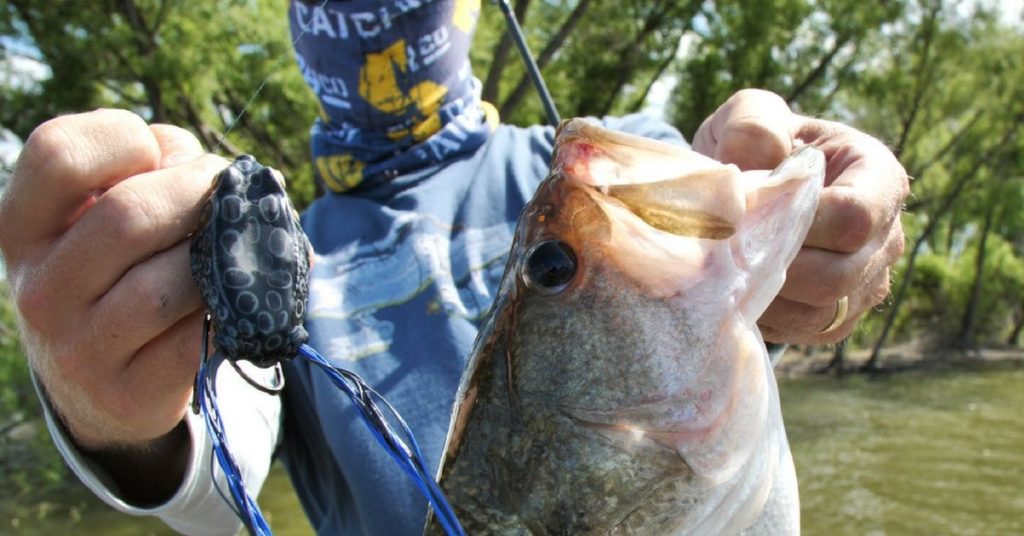
If you want to catch more bass and have fun doing it, learning how to fish frog lures is a game changer. These lures mimic real frogs, making them irresistible to hungry fish hiding near the surface.
But using them right takes a bit of skill and knowing the best techniques. You’ll discover simple tips that will help you master frog fishing fast. Get ready to boost your catch and enjoy your time on the water like never before.
Keep reading—you won’t want to miss these expert secrets!
Choosing The Right Frog Lure
Frog lures are popular for catching bass and other fish near the water surface. Picking the right frog lure helps you catch more fish and have more fun.
This guide covers different types of frog lures, how to select colors and sizes, and top brands to consider for your tackle box.
Types Of Frog Lures
Frog lures come in several styles. Each type works best in specific water and cover conditions. Choose one that matches your fishing spot.
- Hollow Body Frogs:These float well and create good surface action. They work best in thick weed beds.
- Soft Plastic Frogs:Made from flexible material, these lures mimic real frogs closely. They are good for clear water.
- Hard Body Frogs:These have a solid shell and often have rattles. They work well in open water with less cover.
- Popper Frogs:Designed to splash water when pulled. They attract fish by noise and movement.
Color And Size Selection
Choose frog lure colors and sizes based on water clarity and the local frog population. Matching these helps fish see the lure as real prey.
| Water Type | Recommended Color | Recommended Size |
|---|---|---|
| Clear Water | Natural greens, browns | 2 to 3 inches |
| Murky Water | Bright colors like chartreuse, white | 3 to 4 inches |
| Heavy Cover | Dark colors, black or dark green | 3 to 4 inches |
| Open Water | Light colors and patterns | 2 to 3 inches |
Top Brands To Consider
Some brands make reliable frog lures. Their products have good action and last through tough conditions.
- Booyah – Known for durable soft plastic frogs.
- Strike King – Offers a wide range of hollow body frogs.
- Scum Frog – Popular for realistic designs and strong hooks.
- Lunkerhunt – Specializes in hard body and popper frogs.

Credit: www.youtube.com
Essential Gear For Frog Fishing
Frog fishing needs specific gear to catch fish well. The right tools help you fish in weeds and heavy cover.
Picking good gear makes fishing easier and more fun. Here are the basics you need for frog fishing.
Rod And Reel Setup
Use a medium-heavy or heavy rod for frog fishing. It helps you control the frog lure in thick plants.
A baitcasting reel works best. It gives good casting accuracy and strong drag to fight fish.
- Rod length: 6.5 to 7 feet
- Power: medium-heavy to heavy
- Action: fast for quick hook sets
- Reel type: baitcasting
Line And Leader Options
Choose braided line for strength and no stretch. It helps you feel bites through thick cover.
Use 30 to 65-pound test braided line. Add a fluorocarbon leader for abrasion resistance.
- Braid test: 30 to 65 pounds
- Leader: 20 to 30 pounds fluorocarbon
- Leader length: 12 to 24 inches
- Use a strong knot like Palomar
Additional Accessories
Bring these extras to improve your frog fishing experience. They keep you ready and safe.
- Forceps or pliers to remove hooks
- Fishing gloves for protection
- Tackle box with extra frog lures
- Polarized sunglasses to see fish
- Waterproof gear for wet conditions
Topwater Techniques For Frog Lures
Fishing with frog lures is exciting. These lures float on the water surface and attract big fish.
Using the right techniques helps catch more fish. Focus on how you cast, retrieve, and move the lure.
Casting Strategies
Cast your frog lure near weeds, lily pads, or thick grass. Fish like to hide in these areas.
Use a smooth, controlled cast to avoid scaring fish. A strong back cast helps reach far spots.
- Aim for shadows or open pockets in vegetation
- Cast beyond the target and let the lure fall softly
- Use a medium-heavy rod for better control
Retrieval Methods
Pull the frog lure slowly across the water surface. This mimics a real frog moving on the water.
Vary your speed to see what attracts the fish. Sometimes a slow crawl works best.
- Steady slow retrieve to keep lure on top
- Occasional quick pulls to create splash
- Move around obstacles to trigger strikes
Pause And Twitch Tactics
Stop your lure for a moment during the retrieve. Fish often strike when the lure pauses.
Add small twitches to the frog’s legs. These slight movements look like a frog trying to escape.
- Pause for 1 to 3 seconds between pulls
- Twitch rod tip gently to move legs
- Repeat pause and twitch to keep fish interested

Credit: www.lurenet.com
Best Conditions For Frog Fishing
Fishing with frog lures is fun and effective. Knowing the best conditions helps you catch more fish. This guide covers weather, timing, and habitats for frog fishing.
Frogs are surface predators, so you must fish where and when they are active. Let’s explore the ideal conditions for frog fishing success.
Ideal Weather And Water
Warm, calm days are best for frog fishing. Fish are more active when the water temperature is right. Look for water that is warm but not too hot.
- Sunny or partly cloudy skies improve frog activity
- Water temperatures between 70°F and 85°F are ideal
- Low wind helps you control the lure better
- Clear or slightly stained water works well
Timing And Seasonality
Frog fishing works best during spring and summer. Fish spawn and feed near the surface in these months. Early morning and late evening are prime times.
| Season | Best Time of Day | Water Temperature (°F) |
| Spring | Morning & Evening | 65–75 |
| Summer | Early Morning | 75–85 |
| Fall | Late Morning | 60–70 |
Habitat Hotspots
Fish hide near thick vegetation and cover. Frogs use lily pads, weeds, and grass for safety. Target these spots to find hungry fish.
- Lily pad beds
- Weed lines along shore
- Overhanging tree roots
- Shallow grassy flats
- Near fallen logs or brush
Hooking And Landing Bass
Fishing with frog lures is exciting and fun. Bass often strike hard and fast. Learning to hook and land them well makes fishing more successful.
This guide covers key tips for setting the hook, handling strikes, and playing fish. Use these tips to improve your bass fishing skills.
Setting The Hook
When a bass hits a frog lure, timing is important. Wait until you feel the weight or see the rod tip move before you pull. Pull the rod back firmly and quickly to set the hook.
- Keep the rod tip up to avoid deep hooks.
- Use a strong, steady pull to secure the hook.
- Do not jerk the rod too early or too late.
Handling Strikes
Bass strikes on frog lures can be sudden. Watch the lure closely and feel for any tug or splash. Stay calm and ready to react fast.
| Strike Signs | Action |
| Rod tip twitches | Pull rod back quickly |
| Lure stops moving | Set the hook firmly |
| Sudden splash | Keep the rod steady, then pull |
Playing And Landing Fish
After hooking the bass, control its runs by keeping steady pressure on the line. Use the rod to absorb shocks and tire the fish.
- Keep the rod tip high during the fight.
- Let the bass run if it pulls hard, then reel in slowly.
- Use a net to lift the bass out of the water carefully.
- Avoid pulling the fish out by the line alone.
Common Mistakes To Avoid
Fishing with frog lures can be exciting but tricky. Many anglers make simple mistakes that reduce their success.
Avoiding common errors helps you catch more fish and enjoy your time on the water.
Overworking The Lure
Many anglers move the frog lure too much. Fast or constant action can scare fish away. The lure should mimic a real frog’s natural movement.
Try these tips for better lure action:
- Use short, gentle twitches instead of long pulls.
- Pause often to let the lure sit still on the water.
- Watch how real frogs move to copy their style.
Ignoring Cover And Structure
Frog lures work best near cover like lily pads, weeds, or logs. Ignoring these spots means missing fish hiding nearby.
| Cover Type | Why Fish Like It |
| Lily Pads | Shade and protection |
| Weeds | Food and shelter |
| Logs and Stumps | Resting places |
Cast your lure close to these areas and move it slowly to attract fish.
Using Wrong Gear
Using the wrong rod, reel, or line can hurt your fishing. Frog lures need strong gear to handle heavy cover and big fish.
Check your gear setup:
- Use a medium-heavy or heavy rod for power.
- Choose a fast-action rod for better hook sets.
- Pick a reel with a good drag system.
- Use braided line for strength and sensitivity.
Tips For Advanced Frog Fishing
Frog lures are great for catching big fish in heavy cover. Advanced anglers know how to get the best from these lures. This guide shares tips that help you improve your frog fishing skills.
Learn how to adjust your lure, choose the right spots, and pick colors that attract fish. These ideas will help you fish smarter with frog lures.
Customizing Lure Action
Changing how your frog lure moves can trigger more strikes. Try these methods to adjust the action:
- Tweak the legs by trimming or bending for different kicks.
- Use different retrieve speeds to mimic injured prey.
- Add weight to your lure to change its sinking rate.
- Try pauses during retrieves to make the lure look alive.
Adapting To Different Waters
Water type affects how frog lures work. Adjust your approach to fit the environment. Clear, murky, or heavy vegetation waters need different tactics.
| Water Type | Best Frog Action | Retrieve Tip |
| Clear Water | Slow, natural kicks | Pause often to look real |
| Murky Water | Strong, wide leg action | Faster retrieve to create noise |
| Heavy Vegetation | Weedless frogs with subtle kicks | Use short pulls to avoid snags |
Experimenting With Colors And Sizes
Fish react to colors and sizes differently. Testing many options helps find what works best on a given day.
- Use bright colors like chartreuse or white in low light.
- Choose natural colors like green or brown in clear water.
- Try different sizes from small to large frogs for depth and cover.
- Match your frog size to local prey for more strikes.

Credit: anglersresource.net
Frequently Asked Questions
What Is The Best Time To Fish Frog Lures?
The best time to fish frog lures is early morning or late evening. These times have low light and calm waters, attracting frogs and bass. Warm months also increase frog activity, making lures more effective during spring and summer.
How Do I Choose The Right Frog Lure Color?
Choose frog lure colors that match local frogs or water conditions. Natural green and brown work well in clear water. Bright colors like yellow or white are better for murky water, improving lure visibility to fish.
What Fishing Rod Is Ideal For Frog Lures?
A medium-heavy or heavy action rod is ideal for frog lures. These rods provide strength to pull fish from heavy cover. A fast tip helps with quick hooksets, essential when fishing topwater frog lures.
How Should I Retrieve Frog Lures For Best Results?
Retrieve frog lures with short, erratic twitches to mimic frog movement. Pause often to let the lure sit, attracting strikes. Vary speed and rhythm to trigger bites from different fish.
Conclusion
Fishing with frog lures can bring great excitement to your trips. Choose the right lure and use slow, steady movements. Cast near weeds, lily pads, or shallow water where frogs hide. Patience and practice will help you catch more fish.
Remember to watch the line closely for bites. Enjoy the thrill of topwater fishing with frog lures. Try different colors and sizes to see what works best. Keep learning and have fun on the water every time you fish.