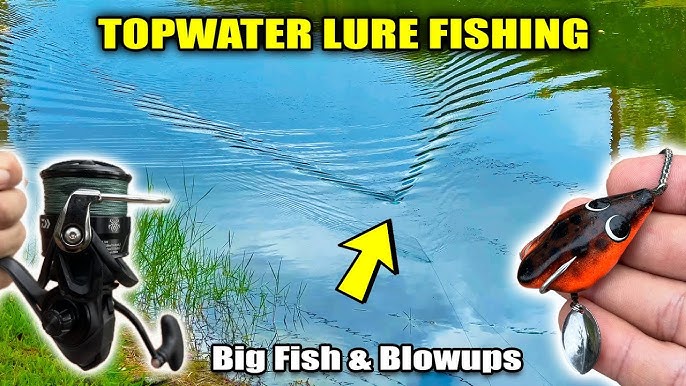
If you want to catch more fish and add some excitement to your fishing trips, learning how to fish with a frog lure is a game-changer. This technique can help you reach spots other lures can’t and attract big, hungry fish that love to strike at the surface.
You’ll discover simple tips and tricks to master frog lure fishing, so you can boost your success and enjoy every cast. Ready to hook that trophy fish? Let’s dive in.
Choosing The Right Frog Lure
Fishing with a frog lure can be very effective. Picking the right lure helps catch more fish.
This guide explains how to choose the best frog lure by looking at body type, color, size, and hooks.
Topwater Vs Hollow Body Frogs
Topwater frogs sit on the water surface and create splashes. Hollow body frogs float easily and move like real frogs.
Choose topwater frogs for noisy action and hollow body frogs for quiet, natural movement. Both work in different water conditions.
Color And Size Selection
- Use dark colors like black or green in murky water for better visibility.
- Bright colors like white or chartreuse work well in clear water and sunny days.
- Match lure size to local frog sizes for a natural look.
- Small frogs suit light fishing conditions, large frogs for heavy cover.
Hook Types And Rigging
| Hook Type | Best Use |
| Double Hooks | Good for solid hookup and weedless rigging. |
| Single Hooks | Easier to remove and better for shallow water. |
| Weedless Hooks | Prevent snagging on plants and debris. |
Proper rigging keeps the lure weedless and ready to hook bass quickly. Adjust hooks to balance action and snag resistance.
Best Gear For Frog Fishing
Frog fishing is a thrilling way to catch bass. Using the right gear is key to success.
Let’s explore the best rod and reel setup, line recommendations, and other tackle essentials.
Rod And Reel Setup
Choosing the right rod and reel is important for frog fishing. A heavy power rod is ideal.
- Rod Length: 7 to 8 feet
- Power: Heavy
- Action: Fast
- Reel: Baitcasting reel with a high gear ratio
Line Recommendations
The line you use can make a big difference. Braided line is often the best choice.
| Line Type | Recommended Strength |
| Braided Line | 50-65 lb test |
| Monofilament | Not recommended |
Additional Tackle Essentials
Having a few extra items in your tackle box can enhance your fishing experience.
- Frog lures in various colors
- Extra hooks
- Snap swivels
Ideal Fishing Spots For Frog Lures
Frog lures work best in certain fishing spots. These areas let you use the lure’s design to catch fish easily.
Knowing where to cast your frog lure improves your chance of a good catch. Look for places where frogs live naturally.
Shallow Water Vegetation
Shallow water with plants is a great spot for frog lures. Fish hide here to find food and stay safe.
Cast your lure near grasses and small plants in shallow water. Fish often wait here to ambush prey.
Weeds And Lily Pads
Weeds and lily pads create perfect cover for frogs and fish. These spots attract bass and other predators.
Throw your frog lure around the edges of lily pads and inside weed patches. Fish hide under these for protection.
- Look for dense weed beds
- Cast near lily pad edges
- Avoid snagging by careful retrieval
Structure And Cover Areas
Fish like to hide near structures like logs, rocks, and fallen trees. These spots give them shade and safety.
Use your frog lure near these covers. Fish often wait close to attack prey passing by.
- Cast close to submerged logs
- Try near rock piles
- Check fallen trees along shorelines

Credit: mysterytacklebox.com
Techniques To Mimic Frog Movement
Fishing with a frog lure works best when you copy how a real frog moves. Fish notice small actions and get attracted to the lure.
Using different techniques helps make the frog look alive. This can increase your chances of catching fish.
Walking The Frog
Walking the frog means pulling the lure slowly across the water surface. This makes the frog look like it is walking or swimming.
To do this, use short, gentle pulls on your line. Pause briefly between pulls to add a natural pause.
- Keep the rod tip low and steady
- Pull the line in small steps
- Pause often to mimic a frog resting
Pause And Twitch
Pause and twitch means to stop the lure and then give it a quick, small jerk. This looks like a frog catching its breath or moving suddenly.
This technique can catch fish that watch the lure closely. It adds surprise and action to the lure’s movement.
- Cast the frog and let it sit still
- Use a quick twitch of the rod tip
- Repeat pauses and twitches slowly
Steady Retrieve Variations
A steady retrieve means pulling the frog lure smoothly and evenly. Changing the speed can help imitate different frog actions.
Try slow, medium, and fast retrieves to see what attracts fish best on that day.
- Slow retrieve: looks like a calm frog swimming
- Medium retrieve: shows a frog moving with purpose
- Fast retrieve: imitates a frog escaping danger
Timing And Conditions For Success
Fishing with a frog lure needs good timing and the right conditions. Knowing when to fish helps catch more fish.
Fish react to light, weather, and seasons. These factors affect how well a frog lure works.
Best Times Of Day
Early morning and late evening are best for using frog lures. Fish are more active in low light.
During these times, fish hunt near the water surface where frog lures work well.
- Dawn: Fish search for food after night
- Dusk: Fish feed before dark
- Overcast days: Fish stay active all day
Weather Impact
Weather changes affect fish behavior. Calm and warm weather helps frog lures attract bites.
Rainy or windy days can make fishing harder but also push fish to shallow water.
- Sunny days: Fish hide in shade or weeds
- Light rain: Fish come closer to surface
- Windy days: Fish move to sheltered areas
Seasonal Considerations
Seasons change fish habits. Spring and summer are best for frog lures because fish are active near plants.
In fall and winter, fish stay deeper and frog lures may not work well.
- Spring: Fish spawn near shore, frog lures attract bites
- Summer: Fish hide in lily pads and weeds
- Fall: Fish move deeper, less surface action
- Winter: Fish slow down, avoid shallow areas

Credit: mysterytacklebox.com
Hook Setting And Landing Bass
Fishing with a frog lure can be exciting and fun. It takes skill to set the hook and land bass well.
This guide helps you detect strikes, set the hook properly, and handle bass safely after catching them.
Detecting Strikes
Bass often strike frog lures softly. You might feel a slight tug or see small water splashes.
Watch your lure closely. If it stops moving or sinks fast, a bass may have bitten it.
- Look for quick pauses or jerks in the lure
- Notice small ripples or splashes near the frog
- Feel for a gentle tap or pull on the line
Setting The Hook Properly
When you feel a strike, wait a moment before pulling the rod. This helps the bass fully take the lure.
Lift the rod firmly and quickly. Use a strong, steady motion to set the hook deep in the bass’s mouth.
- Keep your rod tip up for better control
- Pull the rod back with power, not too fast
- Use your wrist to drive the hook in
Handling And Releasing Bass
Handle bass gently to avoid injury. Wet your hands before touching the fish to protect its skin.
Use pliers to remove the hook carefully. Release the bass back into the water quickly and safely.
- Support the bass’s body with both hands
- Remove the hook without harming the fish
- Place the bass in water to help it recover before release
Common Mistakes To Avoid
Using a frog lure can be fun and effective for fishing. But many anglers make simple mistakes. These errors stop them from catching more fish.
Learn about common mistakes to avoid. Fixing these will improve your chances on the water.
Overworking The Lure
Many anglers move the frog lure too much. They think fast action attracts fish. But overworking scares fish away. Slow, natural movements work better.
- Make gentle twitches with the rod tip
- Pause often to let the lure sit still
- Keep movements smooth and steady
- Avoid fast jerks or constant shaking
Ignoring Water Conditions
Water conditions change how fish react to frog lures. Ignoring these conditions lowers success. Pay attention to water clarity, temperature, and surface activity.
| Condition | How to Adjust |
| Clear Water | Use natural colors and slow action |
| Murky Water | Choose bright colors and stronger action |
| Calm Surface | Make subtle movements to avoid spooking fish |
| Windy Surface | Use more aggressive action to attract attention |
Using Incorrect Gear
Using the wrong gear makes fishing with a frog lure hard. The rod, line, and hooks must match the lure and conditions. Otherwise, you lose control or miss strikes.
- Use a medium-heavy to heavy rod for better casting and control
- Choose braided line for strength and less stretch
- Pick hooks that match the size of the frog lure
- Check your gear regularly for damage or wear
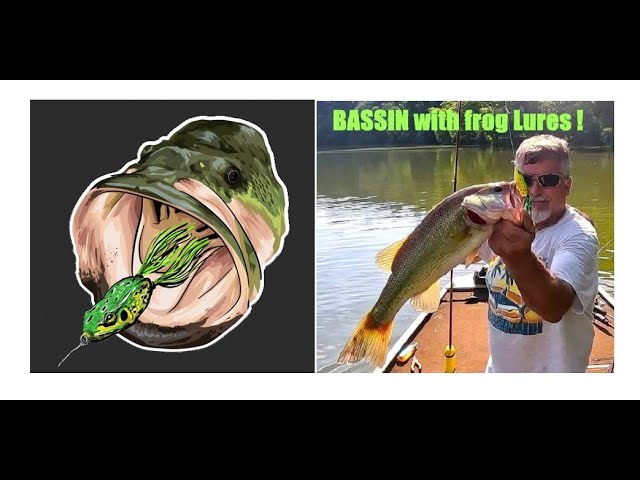
Credit: www.youtube.com
Frequently Asked Questions
What Is The Best Time To Fish With A Frog Lure?
The best time to fish with a frog lure is early morning or late evening. Fish are more active near the surface during these cooler hours. Overcast days also increase frog lure success by encouraging fish to feed near lily pads and vegetation.
How Do I Choose The Right Frog Lure Color?
Choose frog lure colors that match local prey and water conditions. Bright colors work well in murky water, while natural greens and browns are ideal in clear water. Matching the lure to local frogs or insects increases chances of attracting fish.
What Fishing Techniques Work Best With Frog Lures?
Use a slow, steady retrieve with occasional pauses to mimic a frog’s natural movement. Twitch the lure gently to create splashes that attract bass. Avoid fast retrieves, as frog lures imitate slow, surface-dwelling prey.
Can I Fish With A Frog Lure In Heavy Vegetation?
Yes, frog lures are excellent for fishing in heavy vegetation. Their weedless design allows them to glide over lily pads and thick weeds without snagging. This makes them ideal for targeting bass hiding in dense cover.
Conclusion
Fishing with a frog lure can bring great rewards. Cast near weeds, lily pads, or shallow water. Keep your movements slow and steady to mimic a real frog. Watch for quick strikes and stay ready to reel in. Practice makes perfect, so spend time learning your lure’s action.
Enjoy the thrill of catching bass and other fish this way. Try different colors and sizes to see what works best. Fishing with a frog lure adds fun and challenge to your trips. Give it a chance, and you might catch more fish soon.