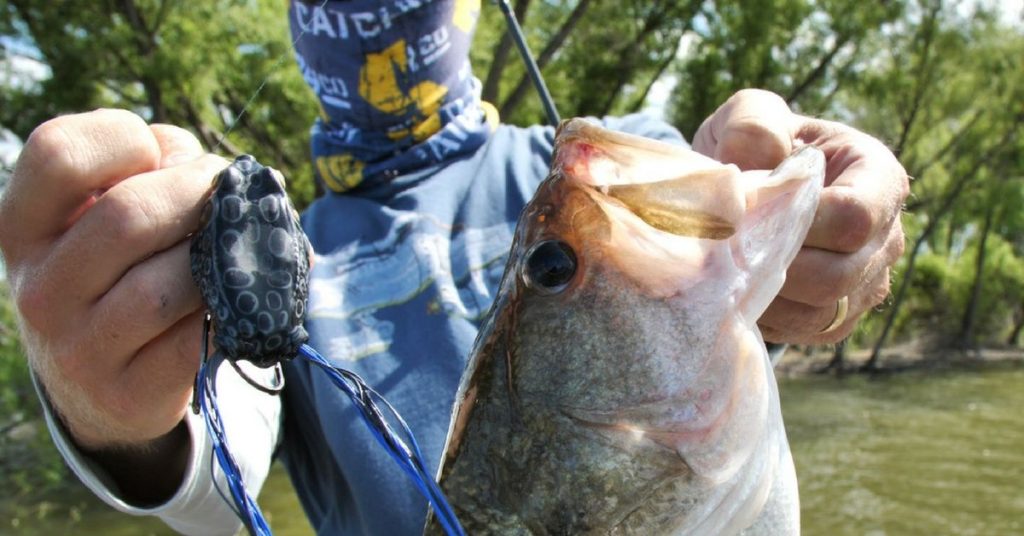
If you want to catch more bass, fishing with a frog lure can be a game-changer. This simple yet powerful technique can help you land bigger, more aggressive fish hiding in weeds and shallow water.
But how do you use a frog lure the right way? You’ll discover easy steps and expert tips that make fishing with a frog lure fun and effective. Get ready to improve your skills and bring home more bass on your next fishing trip.
Keep reading to learn how!
Choosing The Right Frog Lure
Frog lures are popular for catching bass in shallow water. Picking the right one helps you catch more fish.
Different frog lures work best in different places and conditions. Learn how to choose the best lure for your trip.
Topwater Vs Hollow Body Frogs
Topwater frogs float on the water surface. They create splashes that attract bass looking for food.
Hollow body frogs are light and have a soft body. They float well and move naturally on the water.
- Topwater frogs are good for open water and calm lakes.
- Hollow body frogs work well in thick weeds and lily pads.
- Choose topwater frogs for aggressive strikes and hollow body for subtle bites.
Color And Size Selection
Colors help the bass see your lure. Bright colors work in murky water. Natural colors work in clear water.
Size matters too. Small frogs are good for clear water and shy bass. Big frogs attract bigger fish in thick cover.
- Use green, brown, or black for natural looks.
- Use chartreuse or white for muddy water.
- Pick frog sizes between 2 to 3.5 inches for bass fishing.
Hooks And Weed Guards
Hooks must be strong to hold big bass. Look for sharp, durable hooks that do not bend easily.
Weed guards help the lure move through grass and weeds without getting stuck. They protect the hook but still allow fish to bite.
- Choose hooks made of high-carbon steel.
- Weed guards should be flexible but strong.
- Check that weed guards do not block the hook point.

Credit: www.fieldandstream.com
Best Rod And Reel Setup
Choosing the right rod and reel helps you fish better with a frog lure for bass. The right gear makes casting easier and improves hook sets.
This guide covers rod power and action, reel type and gear ratio, and line choices for frog fishing.
Rod Power And Action
Use a rod with medium-heavy to heavy power. This gives enough strength to pull bass from thick cover. Fast action rods help you feel the bite quickly and set the hook firmly.
Reel Type And Gear Ratio
A baitcasting reel is best for frog fishing. It offers better control and accuracy for topwater casts. Choose a gear ratio between 6.3:1 and 7.1:1 to retrieve the frog lure at a good speed.
- Baitcasting reels reduce line twist and improve hook sets.
- Medium gear ratio lets you work the lure naturally.
- High gear ratio helps quickly pull bass out of heavy cover.
Line Choices For Frog Fishing
| Line Type | Advantages | Recommended Strength |
|---|---|---|
| Braided Line | Strong, no stretch, good for thick cover | 50-65 lb |
| Fluorocarbon Line | Less visible in water, good sensitivity | 20-30 lb |
| Monofilament Line | Good knot strength, some stretch | 20-30 lb |
Braided line is most popular for frog fishing. It cuts through weeds and strong enough for big bass. Use fluorocarbon or monofilament as a leader for better invisibility.
Ideal Fishing Spots
Fishing bass with a frog lure works best in certain places. Choosing the right spot helps catch more fish. This guide shows where to try your frog lure.
Look for areas with cover and shallow water. Bass like spots where they can hide and ambush prey. These locations give the best chance for success.
Weedy Ponds And Shallow Lakes
Weedy ponds and shallow lakes offer great cover for bass. The weeds provide shelter and attract frogs and other prey. Bass often wait near weeds to strike.
- Cast near weed edges for best results
- Avoid heavy weed mats that tangle your lure
- Focus on spots with open water nearby
- Fish early morning or late evening for active bass
Lily Pads And Vegetation
Lily pads and thick vegetation are prime places to use a frog lure. Bass hide under pads to ambush prey. These spots let you mimic frogs well.
| Vegetation Type | Why It Works |
| Lily Pads | Provide shade and cover for bass |
| Floating Plants | Hide bass near the surface |
| Submerged Grass | Offers ambush points below water |
Timing And Seasonal Patterns
Timing affects bass activity and where they hide. Use the frog lure during warm months when bass hunt near the shore. Early morning and late afternoon are best times.
Seasonal tips for frog lure fishing:
- Spring: Fish shallow spots as bass spawn
- Summer: Target shaded weeds and lily pads
- Fall: Bass move deeper but still near cover
- Winter: Bass slow down; use slow lure action
Casting Techniques
Using a frog lure for bass fishing requires good casting skills. Casting well lets you place the lure where bass like to hide.
Focus on quiet and accurate casts to avoid spooking fish. Adjust your cast distance to reach the best spots.
Accurate And Quiet Casting
Cast your frog lure softly to avoid noise on the water. Use a smooth motion and stop your rod tip gently at the end of the cast.
- Keep your wrist firm to control the lure’s flight
- Avoid splashing by lowering the rod tip before the lure hits water
- Practice short casts to improve accuracy
Targeting Cover And Structure
Bass like to hide near plants, logs, or rocks. Aim your cast near these spots but not directly on top to avoid snagging.
| Cover Type | Cast Placement |
|---|---|
| Floating Lily Pads | Just beside the edge |
| Submerged Logs | Near the ends or gaps |
| Weed Beds | Along the margins |
| Rocky Points | Close but not on rocks |
Adjusting Cast Distance
Change your cast distance based on how far bass are from shore. Use longer casts for deep or open water.
- Short casts for close cover or shallow water
- Medium casts for moderate depth and distance
- Long casts to reach open water or far cover
Retrieval Methods
Using a frog lure to catch bass needs the right retrieval method. Different actions make the lure move like a real frog.
Knowing how to move the lure helps attract more fish. Here are three good ways to retrieve a frog lure for bass fishing.
Walking The Frog
Walking the frog means making the lure move side to side on the water. Use short, quick twitches of the rod tip to create this motion.
This method looks like a frog hopping across the surface. It works well in calm water near lily pads or weeds.
Pause And Twitch
This method uses a short pause followed by a small twitch of the lure. The pause makes the frog seem like it is resting.
- Cast the frog lure near cover or structure.
- Pull the rod tip to twitch the lure slightly.
- Pause for a second or two to let the lure sit still.
- Repeat the twitch and pause to attract bass.
Bass often strike during the pause, so watch the line closely.
Varying Speed And Rhythm
Changing how fast and how often you retrieve the frog lure can trigger bites. Bass can be picky about the lure’s speed.
| Speed | Effect |
| Slow | Mimics a tired frog, good for cold water |
| Medium | Looks like a normal frog, works in most conditions |
| Fast | Shows an escaping frog, good for active bass |
| Rhythm | Change pauses and twitches to surprise fish |

Credit: www.youtube.com
Setting The Hook
Setting the hook is a key skill when fishing with a frog lure for bass. It means pulling the rod to catch the fish after it bites.
You need to be quick and sure. This helps you catch more fish and avoid losing them.
Detecting Strikes
Bass often hit a frog lure softly or drag it under water. Watch your line and rod tip closely.
Feel for a sudden pull or change in tension. Sometimes, you may see ripples or bubbles on the water surface.
- Watch the rod tip for twitches or dips
- Notice any sudden slack or tightness in the line
- Look for water movement near the lure
Timing The Hookset
Set the hook as soon as you feel or see the strike. Wait too long, and the bass may drop the lure.
Use a firm but smooth motion with your rod. Pull the rod back quickly to drive the hook into the fish’s mouth.
- Keep your rod tip up after the strike
- Pull the rod back with a strong, steady motion
- Avoid jerking too hard to prevent line break
Handling Missed Strikes
Missed strikes happen often with frog lures. Stay patient and keep your rod ready.
If you miss a strike, reel slowly and watch closely. The bass may try again or follow your lure.
- Don’t rush the next cast
- Keep tension on the line to feel bites better
- Try a slower or different retrieve to trigger another strike
Tips For Landing Bass
Landing bass using a frog lure takes patience and skill. You need to handle the fish carefully to avoid losing it. These tips will help you bring bass to shore safely.
Focus on controlling the fish and using the right tools. Proper handling protects the bass and keeps it healthy for release.
Playing The Fish
Keep steady pressure on the bass after it bites. Let it run if it wants but avoid giving slack. Use your rod to tire the fish carefully.
- Hold the rod firmly but gently.
- Keep the line tight to prevent slack.
- Give the fish some line on strong runs.
- Reel in slowly when the fish tires.
- Use rod bends to absorb sudden pulls.
Using A Net
Use a landing net to secure the bass. A net helps avoid line breaks and reduces fish stress. Approach the fish calmly to avoid spooking it.
| Tip | Details |
| Net Type | Choose a rubber or knotless net |
| Approach | Move the net slowly under the fish |
| Lift | Lift smoothly, avoiding sudden jerks |
| Support | Support the fish’s body when lifting |
Safe Handling And Release
Handle bass with wet hands to protect its slime coat. Avoid squeezing or touching the gills. Release the fish gently back into the water.
- Keep the bass in water while unhooking.
- Use pliers to remove hooks quickly.
- Hold the fish upright and move it gently to revive.
- Release only when the fish swims away strongly.
Common Mistakes To Avoid
Fishing with a frog lure can be very effective for catching bass. Many anglers make simple mistakes that reduce their success. Avoiding these errors helps you catch more fish.
Here are some common mistakes to watch out for when using a frog lure. Fixing these issues will improve your fishing experience.
Overworking The Lure
Many anglers move the frog lure too much or too fast. Bass often prefer a slow, natural motion. Overworking the lure can scare fish away or make the bait look fake.
- Use short, gentle twitches instead of big, fast pulls.
- Pause often to let the lure sit still on the water.
- Match the frog’s movement to how real frogs behave in the area.
Ignoring Water Conditions
Water conditions affect how bass see and attack frog lures. Ignoring these conditions lowers your chances of a catch.
| Water Condition | Best Frog Lure Action | Tip |
|---|---|---|
| Calm Water | Slow and steady moves | Use light twitches to avoid spooking fish |
| Choppy Water | More movement and noise | Make the lure splash to attract attention |
| Weedy or Lily Pads | Hover and pause near cover | Use a weedless frog to avoid snags |
Poor Equipment Choices
Using the wrong gear can make fishing with a frog lure hard. Your rod, line, and hooks must match the technique.
- Choose a medium-heavy to heavy rod for good control.
- Use braided line for strength and better hook sets.
- Pick sharp, strong hooks to handle big bass.
- Check your reel drag to avoid breaking your line.
Credit: www.youtube.com
Frequently Asked Questions
What Is The Best Frog Lure For Bass Fishing?
The best frog lure for bass fishing mimics a real frog’s movement. Choose soft, hollow-bodied lures with lifelike colors for topwater action. These lures float well and resist snags, making them ideal for bass hiding in vegetation or shallow water.
How Do You Retrieve A Frog Lure For Bass?
Use a slow, steady retrieve with occasional pauses when fishing frog lures. This imitates a frog’s natural movement and attracts bass. Twitch the lure slightly to create splashes and ripples, triggering bass to strike. Vary your retrieve speed to find what works best.
When Is The Best Time To Fish With Frog Lures?
Early morning and late evening are ideal times to fish with frog lures. Bass are more active near the surface during these cooler periods. Warm, sunny days also work well, especially around weed beds, lily pads, and shallow waters where frogs naturally occur.
Where Should I Cast Frog Lures For Bass?
Cast frog lures near heavy vegetation, lily pads, and shallow weed beds. Bass often hide in these areas waiting to ambush prey. Target edges of cover and calm water zones where frogs commonly sit. Avoid open water where frogs rarely venture.
Conclusion
Fishing with a frog lure can be fun and effective for catching bass. Use slow, steady pulls to mimic a frog’s movement. Stay patient and watch for sudden strikes. Choose the right spots near weeds or lily pads. Practice casting carefully to avoid snags.
This simple method works well in many waters. Try different colors and sizes to see what bass prefer. Keep learning and enjoying the experience on every trip. Fishing with a frog lure brings excitement and good catches. Give it a try and see how bass respond.