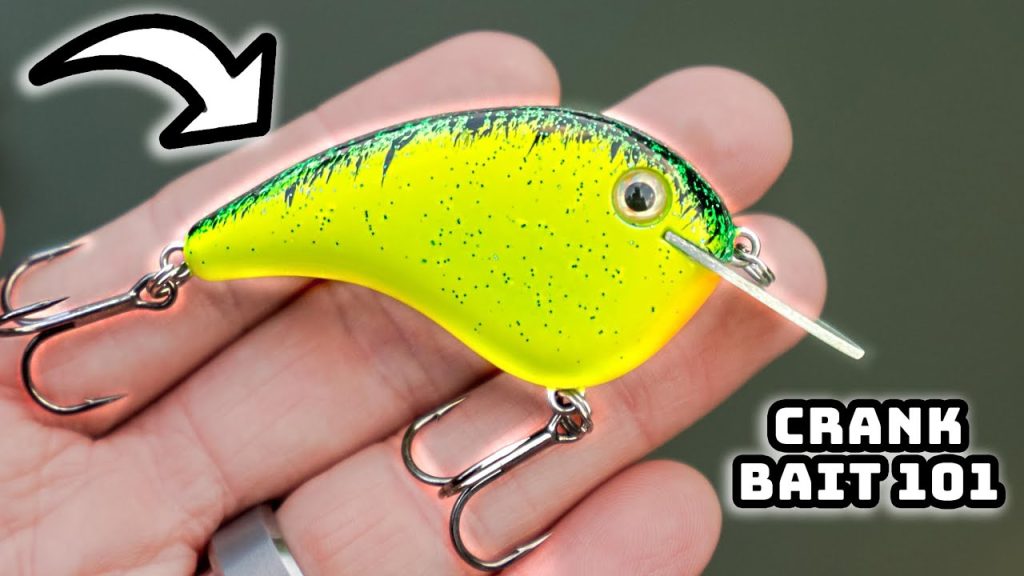
If you want to catch more fish and add excitement to your fishing trips, learning how to fish with crankbait lures is a game-changer. These lures can mimic the movement of real baitfish, making them irresistible to hungry fish.
But using them the right way takes a bit of skill and know-how. You’ll discover simple tips and tricks that will help you master crankbait fishing quickly. Keep reading, and you’ll be ready to reel in bigger catches every time you hit the water.
Choosing The Right Crankbait
Choosing the right crankbait is important for a good fishing trip. The right lure can help you catch more fish and enjoy your time on the water.
Knowing about different crankbaits, colors, sizes, and water conditions will help you pick the best one for your needs.
Types Of Crankbaits
There are many types of crankbaits. Each type works best in different fishing situations. Here are some common types:
- Shallow divers: These crankbaits dive up to 6 feet deep. They work well in clear water and near the shore.
- Medium divers: These go 6 to 12 feet deep. They are good for fishing around rocks and weed beds.
- Deep divers: These crankbaits dive deeper than 12 feet. Use them in deep water or when fish stay near the bottom.
- Squarebill crankbaits: They have a flat front and move erratically. They are great for covering water and finding active fish.
Selecting Colors And Sizes
The color and size of the crankbait affect how fish see it. You need to choose them based on the time of day and the type of fish you want to catch.
| Color | Best Use | Fish Attraction |
|---|---|---|
| Natural colors (brown, green, silver) | Clear water and bright days | Mimics real baitfish |
| Bright colors (red, chartreuse, orange) | Murky water or low light | Easier to see in cloudy water |
| Dark colors (black, blue) | Overcast days or deep water | Creates a strong silhouette |
| Size | Smaller sizes for cautious fish | Larger sizes for active fish |
Matching Crankbait To Water Conditions
Water conditions change how fish react to crankbaits. Match the lure to the water for better results.
- Clear Water:Use natural colors and smaller sizes. Fish can see better in clear water.
- Murky Water:Choose bright colors and crankbaits that create vibration to attract fish.
- Cold Water:Pick slower moving crankbaits. Fish are less active in cold water.
- Warm Water:Use faster moving crankbaits to attract active fish.
Gear And Setup
Fishing with crankbait lures needs the right gear and setup. Picking good equipment helps you fish better and catch more fish.
This guide covers the rod and reel, line choices, and how to tune your crankbait for best results.
Rod And Reel Selection
Choose a medium to medium-heavy rod for crankbait fishing. A rod length between 6’6″ and 7’2″ works well. Use a baitcasting reel for better control and casting distance.
Line Choices For Crankbait Fishing
- Use fluorocarbon line for clear water and better lure action.
- Monofilament line works well in stained water and offers good stretch.
- Braid line gives strong sensitivity but needs a fluorocarbon leader.
- Line strength between 8 and 12 pounds suits most crankbait fishing.
Tuning Your Crankbait
| Tuning Tip | How to Do It | Why It Helps |
| Check lure wobble | Cast and reel slowly, watch the lure’s path | Ensures natural swimming action |
| Bend the wire | Use pliers to adjust the line tie wire slightly left or right | Corrects the lure’s direction if it pulls to one side |
| Test different speeds | Vary your retrieve speed to find what triggers bites | Matches fish activity and water conditions |
Techniques For Casting And Retrieving
Fishing with crankbait lures works best when you use the right casting and retrieving methods. These techniques help you move the lure in a way that attracts fish.
Understanding how to cast and retrieve will increase your chances of catching more fish. Let’s explore some simple tips and patterns.
Basic Casting Tips
Good casting gives your crankbait the best chance to work well. Aim for smooth, controlled casts to avoid scaring fish.
- Use your wrist to control the cast, not just your arm.
- Cast beyond where you want the lure to swim and reel it back.
- Try sidearm casts for tight spots or overhanging trees.
- Keep your rod tip low to avoid wind interference.
Retrieval Speeds And Patterns
Changing how fast and the way you reel can make your lure look like real bait. Fish react to different speeds and movements.
| Speed | Effect |
| Slow | Mimics injured baitfish, attracts cautious fish |
| Medium | Works for most fish in normal conditions |
| Fast | Triggers reaction strikes from aggressive fish |
| Stop-and-go | Creates surprise and stops that tempt bites |
Using Pauses And Twitches
Pausing and twitching your lure adds action that can fool fish. These small moves make the lure seem alive.
- Pause the retrieve to let the lure float up slightly.
- Twitch the rod tip to create a darting motion.
- Combine twitches with pauses to imitate a struggling baitfish.
- Watch your line for sudden stops; a fish might be biting during a pause.

Credit: www.youtube.com
Locating Fish With Crankbaits
Using crankbait lures can help catch fish by mimicking small prey. To fish well, you must find where fish hide. Fish often gather near certain water features and conditions.
This guide explains how to read water structures, target cover and depths, and adjust your fishing for seasonal changes. Each tip helps you locate fish more easily with crankbaits.
Reading Water Structures
Fish like to stay near structures that provide food and shelter. Rocks, drop-offs, and underwater humps are great places to try your crankbait. These areas often hold baitfish, which attract larger fish.
- Look for changes in water depth or bottom shape
- Focus on rocky points or submerged logs
- Try areas with weeds or grass beds
- Check around bridges and docks
Targeting Cover And Depths
Crankbaits come in different sizes and diving depths. Match your lure to the water depth where fish are likely to be. Fish often hide near cover like fallen trees or thick weeds.
| Crankbait Type | Diving Depth | Best Cover Type |
| Shallow Runner | 1-5 feet | Weeds, Shallow Rocks |
| Medium Diver | 5-10 feet | Drop-offs, Logs |
| Deep Diver | 10+ feet | Deep Points, Ledges |
Adjusting For Seasonal Changes
Fish behavior changes with the seasons. Crankbait fishing works best when you adapt to these changes. Use this list to guide your fishing by season.
- Spring: Fish move to shallow waters to spawn
- Summer: Fish stay deeper and near shade
- Fall: Fish feed actively near drop-offs
- Winter: Fish slow down and stay deep
Troubleshooting Common Issues
Fishing with crankbait lures can be fun but sometimes tricky. You may face problems that stop you from catching fish. Knowing how to fix these problems helps you fish better.
This guide covers common issues like snags, line twists, and poor hook sets. Use these tips to improve your fishing experience with crankbait lures.
Avoiding Snags And Hang-ups
Snags happen when your lure gets stuck on underwater objects. This wastes time and can lose your lure. You can reduce snags by changing how you fish and what gear you use.
- Use a lure with a smaller lip to avoid deep weeds.
- Fish near open water areas instead of thick cover.
- Try a lure with a weed guard to protect the hooks.
- Cast beyond the snag area and retrieve steadily.
- Keep your line tight to feel snags early and pull free.
Dealing With Line Twists
Line twist happens when the fishing line coils on itself. This can cause tangles and weak spots. Crankbaits with spinning action cause line twist if not handled well.
| Cause | Solution |
| Spinning lure action | Use a quality swivel to reduce twist |
| Reeling too fast | Slow down reel speed for smooth line |
| Loose line on spool | Keep line tight and evenly wound on spool |
| Using old or damaged line | Replace line often to avoid weak spots |
Improving Hookups And Sets
Good hookups mean the fish stays on the hook when it bites. Sometimes fish spit the lure before you set the hook. Improving your hooksets helps catch more fish.
Try these tips for better hookups:
- Watch your line and feel for any sudden stops or pulls.
- Set the hook quickly with a firm upward lift of the rod.
- Use sharp hooks and replace them when dull.
- Keep your line tight during the retrieve to feel bites early.
- Choose crankbaits with treble hooks that match fish size.
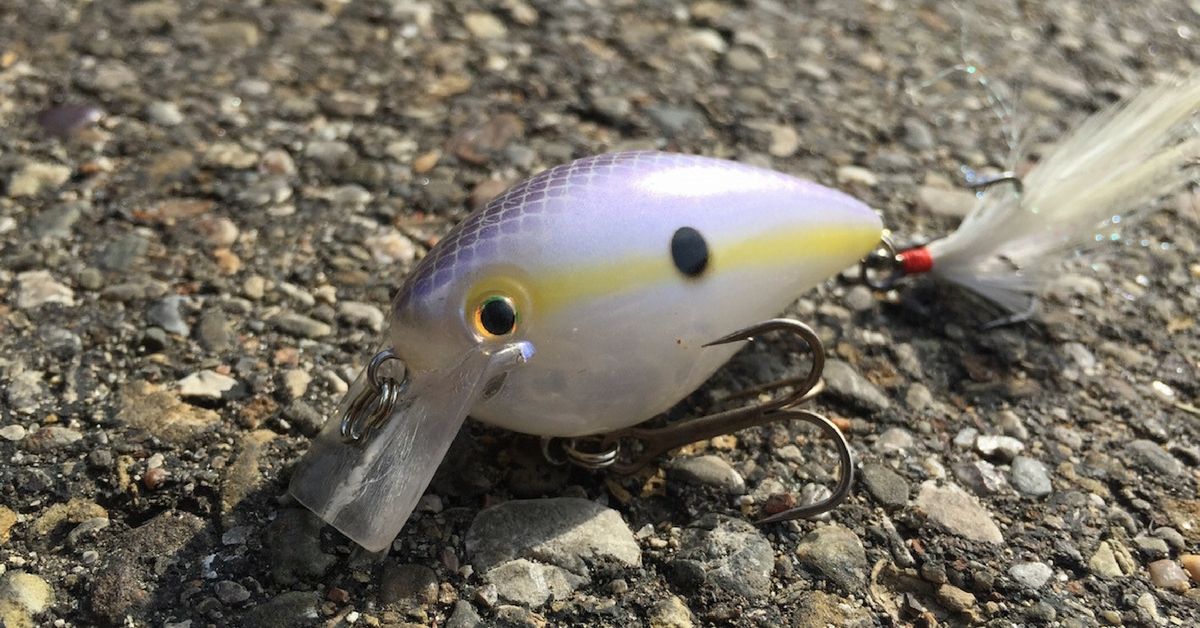
Credit: mysterytacklebox.com
Advanced Tips For Big Catches
Fishing with crankbait lures can bring exciting results. Using smart techniques helps catch bigger fish.
These tips focus on using crankbaits in hard spots. You will learn how to combine lures and customize them.
Using Crankbaits In Tough Conditions
Fishing with crankbaits is harder when water is murky or cold. Fish are less active in these cases.
Use slow retrieves and let the crankbait dive deeper. Choose darker colors to help fish see the lure better.
- Use slow, steady pulls in cold water
- Pick bright or dark colors for low visibility
- Try deep-diving crankbaits for deep water
- Pause your retrieve to mimic wounded prey
Combining Crankbaits With Other Lures
Using crankbaits with other lures can increase your chances. Different lures attract fish in different ways.
Switch between crankbaits and soft plastics or jigs. Use crankbaits to cover water fast, then slow down with other lures.
- Start with crankbaits for quick water coverage
- Follow with soft plastic baits for slow action
- Use jigs near structures after crankbait runs
- Change lure types if fish are not biting
Experimenting With Custom Modifications
Customizing crankbaits can help catch bigger fish. Small changes affect how the lure moves and looks.
Add weights to change depth or slow the crankbait. Change hooks or paint to match local prey better.
- Add split shot weights to reach deeper zones
- Replace stock hooks with sharper, stronger ones
- Paint crankbaits to match nearby baitfish
- Trim lips slightly to change wobble action

Credit: mysterytacklebox.com
Frequently Asked Questions
What Is A Crankbait Lure?
A crankbait lure is a hard-bodied fishing lure designed to mimic baitfish. It is used to attract predatory fish. Crankbaits come in various sizes, shapes, and colors to suit different fishing conditions. They are effective for catching species like bass, pike, and walleye.
How Do You Use Crankbait Lures Effectively?
To use crankbait lures effectively, cast it out and retrieve steadily. Vary the speed and retrieve pattern to mimic live prey. Use a rod with a medium to fast action for better control. Target areas with cover, such as rocks or submerged structures, where fish are likely to hide.
What Is The Best Season For Crankbait Fishing?
The best season for crankbait fishing is spring and fall. During these times, fish are more active and feeding aggressively. In spring, fish are spawning and in fall, they are preparing for winter. These seasons offer optimal conditions for using crankbaits effectively.
What Types Of Fish Can You Catch With Crankbaits?
Crankbaits are versatile and can catch various fish species. They are especially effective for bass, pike, walleye, and musky. The lure’s design and action attract predatory fish. Adjust your crankbait size and color to target specific species in different water conditions.
Conclusion
Fishing with crankbait lures can be fun and effective. Choose the right crankbait for the water and fish you want. Cast your lure and reel it in with steady speed. Vary your retrieval to find what works best. Watch your line closely for bites.
Practice often to improve your skills. Enjoy the patience and excitement fishing brings. Keep learning and trying new techniques. Each trip offers a chance to catch more fish. Happy fishing!