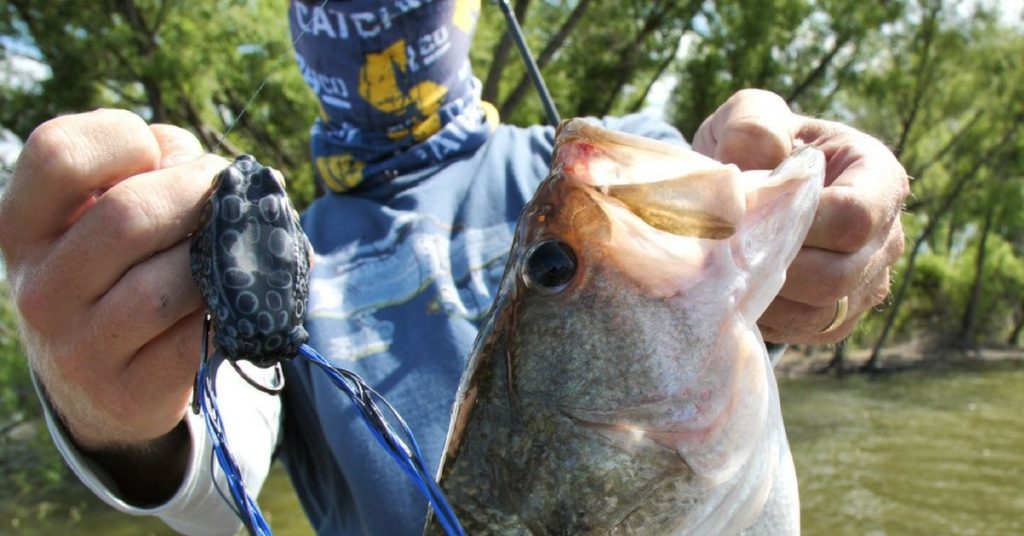
If you want to catch more fish, using a frog lure can be a game-changer. Imagine your lure gliding smoothly over the water’s surface, mimicking a real frog—tempting even the wariest fish to strike.
But how do you make the most of this exciting technique? In this guide, you’ll discover simple tips and tricks that will help you master fishing with a frog lure. Whether you’re a beginner or looking to sharpen your skills, you’re about to learn how to turn this lure into your secret weapon.
Keep reading, and get ready to boost your fishing success like never before.
Choosing The Right Frog Lure
Frog lures are great for catching bass and other fish near the water surface. Picking the right lure helps you catch more fish and enjoy your time fishing. This guide explains how to choose the best frog lure.
Focus on the type of frog lure, its color, and the size and weight. Each factor affects how well your lure works in different water and weather conditions.
Top Frog Lure Types
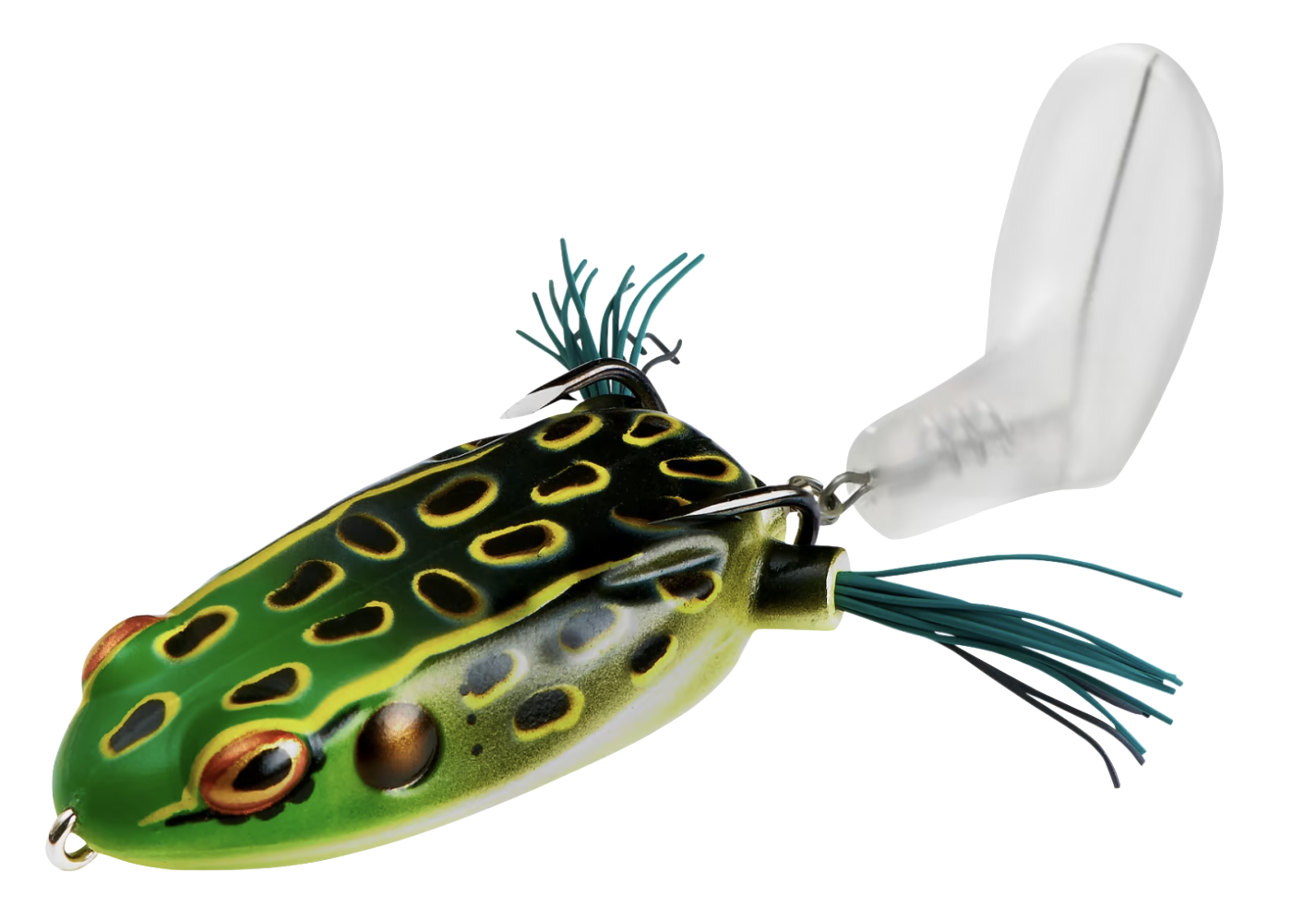
There are several common types of frog lures. Each type moves differently in the water and attracts fish in unique ways. Choose the type that matches your fishing spot and style.
- Hollow Body Frog:Lightweight and floats well. It makes a natural swimming action on top of the water.
- Popper Frog:Creates splashes and noise to attract fish. Good for murky water and active fish.
- Walking Frog:Moves side to side when pulled. Imitates a frog walking on water.
- Tube Frog:Has soft legs that kick in the water. Great for slow retrieves near weeds.
Matching Lure Color To Water Conditions
Color matters a lot when fishing with frog lures. Fish see colors differently based on water clarity and light. Choose colors to help fish spot your lure easily.
| Water Condition | Best Frog Lure Colors |
|---|---|
| Clear Water | Natural green, brown, and frog patterns |
| Murky or Stained Water | Bright colors like chartreuse, white, or yellow |
| Dark or Low Light | Black, dark green, or dark brown |
Size And Weight Considerations
The size and weight of the frog lure affect how it moves and where you can use it. Pick a size and weight that fit your fishing spot and the fish size you want to catch.
- Smaller frogs (2-3 inches):Good for light cover and smaller fish.
- Larger frogs (3-4 inches):Best for heavy cover and bigger fish.
- Lighter weight:Easier to cast far and work on calm water.
- Heavier weight:Helps cast in wind and fish in deeper water or thick vegetation.
Credit: www.fieldandstream.com
Essential Gear For Frog Fishing
Fishing with frog lures is exciting and fun. Using the right gear helps catch more fish.
This guide covers the essential gear you need for frog fishing. It focuses on rods, reels, lines, and extra accessories.
Rod And Reel Setup
Choose a rod that is strong and flexible. A medium-heavy rod works well for casting frog lures.
Pair your rod with a baitcasting reel. It gives better control and accuracy for frog fishing.
- Use a rod 6.5 to 7 feet long
- Pick a medium-heavy power rod
- Use a fast action tip for quick hooksets
- Choose a baitcasting reel with smooth drag
Line Selection Tips
Strong line helps pull fish from thick cover where frogs live. Braided line is a popular choice.
Use a fluorocarbon leader for less visibility in water. This helps avoid spooking fish.
- Pick braided line with 30-50 lb test strength
- Attach a 20-30 lb fluorocarbon leader
- Use a short leader length, about 2 feet
Additional Accessories
Extra gear makes frog fishing easier and safer. A good set of tools can save time on the water.
Consider carrying pliers, a landing net, and protective gloves. These help handle fish and hooks safely.
- Needle-nose pliers for hook removal
- A landing net to secure the catch
- Protective gloves to avoid cuts
- Waterproof tackle box for storing lures
Best Locations For Frog Fishing
Fishing with a frog lure can be exciting. It mimics a frog’s movements, making it irresistible to fish. Knowing the right spots is key to success.
Frog fishing is best in areas with the right habitat. Look for places where bass love to hide and hunt.
Ideal Bass Habitats
Bass thrive in environments with plenty of cover. They like to stay hidden and ambush their prey. These areas provide them with the perfect opportunity.
Look for places with a mix of shallow and deep water. Bass move between these depths throughout the day.
- Shallow coves and bays
- Near submerged logs and stumps
- Edges of weed beds
Vegetation And Structure Spots
Vegetation is essential for frog fishing. Bass hide in plants waiting for prey. The structure also plays a significant role in bass habitat.
Dense vegetation areas like lily pads are ideal. These provide cover and attract fish like bass.
- Under lily pads and grass mats
- Near fallen trees and brush piles
- Adjacent to docks and piers
Timing And Seasonal Patterns
Timing is crucial for successful frog fishing. Fish are more active during specific times and seasons. Understanding these patterns can improve your catch rate.
Early morning and late afternoon are the best times. During these hours, fish are more likely to bite.
- Spring and summer months
- After a rain shower
- During overcast days
Techniques To Master Frog Lure Fishing
Fishing with frog lures is a fun way to catch bass and other fish near the surface. It takes skill to make the lure move like a real frog.
Use the right techniques to get the best results. Learn how to cast, retrieve, and use pauses to attract fish.
Casting Strategies
Cast your frog lure near weeds, lily pads, or logs where fish hide. Aim for spots with cover but clear enough for your lure to move.
- Cast beyond the target and let the lure fall into place.
- Use a sidearm cast for accuracy in tight spots.
- Try a lob cast to get more distance.
- Be gentle to avoid spooking fish near the surface.
Retrieval Methods
Retrieve the frog lure slowly to mimic a real frog swimming. Change speed to see what attracts fish.
| Retrieval Type | Description |
| Steady Retrieve | Keep a constant slow speed for a natural look. |
| Stop-and-Go | Pause briefly, then start again to imitate a frog resting. |
| Slow Twitch | Give small jerks to create splashes and movement. |
| Fast Retrieve | Use quick pulls to trigger reaction strikes. |
Pausing And Twitching Tricks
Pausing your lure lets fish get curious. Twitching adds lifelike action that can cause strikes.
Try this simple trick:
- Retrieve the lure for 3 seconds.
- Pause for 2 seconds without moving the rod.
- Twitch the rod tip 2 or 3 times quickly.
- Repeat this pattern to keep fish interested.
Reading Bass Behavior
Fishing with a frog lure works best when you understand bass behavior. Bass react differently depending on their mood and the environment.
Knowing how to read bass helps you catch more fish. Watch their movements and adjust your approach.
Signs Of Active Bass
Active bass show clear signs when hunting or moving. They often break the surface or chase baitfish quickly.
You may see splashes, quick swims, or sudden jumps. These signs mean bass are ready to strike your frog lure.
- Surface splashes or wakes
- Fast swimming near lily pads or weeds
- Sudden jumps or quick turns
- Bass following or chasing your lure
Adjusting Tactics Based On Activity
If bass are active, use fast and sharp frog lure movements. This triggers their chase instincts.
When bass are slow, slow your lure and add pauses. This makes the frog look like an easy target.
- Active bass: quick pops and fast retrieves
- Slow bass: slow pulls and longer pauses
- Quiet waters: gentle lure movements
- Choppy waters: steady, confident retrieves
Handling Different Bass Reactions
Bass may react by attacking quickly or by following your frog lure without biting. Watch their behavior closely.
If bass follow but do not bite, try changing lure speed or location. Sometimes a small pause or twitch can trigger a strike.
- Fast strikes: set the hook quickly
- Following bass: slow the lure or twitch it
- No reaction: move to a new spot or change lure color
- Short hits: wait a moment before setting the hook
Common Mistakes And How To Avoid Them
Fishing with a frog lure can be fun and effective. Many anglers make simple mistakes that reduce their catch. Knowing these errors helps you fish smarter.
This guide covers common mistakes and ways to fix them. Avoid these to improve your frog lure fishing success.
Overworking The Lure
Moving the frog lure too much scares fish away. It is best to keep the lure’s action natural and slow. Let the lure rest sometimes.
Try small twitches instead of fast jerks. A calm pace often attracts more bites. Watch how fish react and adjust your speed.
- Use short, gentle pulls
- Pause often to mimic real frogs
- Observe the water for fish interest
Ignoring Line Tension
Loose line makes it hard to feel bites. Tighten your line enough to sense when fish touch the lure. This helps with quick hook sets.
Keep steady pressure but do not pull too hard. Too much tension can tear the hook from the fish’s mouth. Find a balance for better control.
- Check your line often for slack
- Hold the rod tip up to keep tension
- Practice feeling subtle bites
Wrong Gear Choices
Using the wrong rod, reel, or line can hurt your fishing. Frog lures need strong gear to handle heavy cover and big fish. Choose gear that matches the conditions.
Light gear breaks easily or pulls the lure out of place. Heavy gear may tire you out. Use medium-heavy rods and braided line for best results.
- Medium-heavy rod with fast action
- Reel with smooth drag system
- Strong braided line, 30-50 lb test
- Use hooks designed for frog lures
Landing And Releasing Big Bass
Fishing with a frog lure can be exciting, especially when you catch a big bass. Landing and releasing the fish properly helps keep bass healthy.
Using the right techniques makes it easier to handle big bass safely and release them back into the water.
Proper Hook Set Techniques
Set the hook firmly when a bass bites the frog lure. A strong hook set ensures the fish stays on the line.
Wait for the bass to fully take the lure before pulling the rod back quickly. This helps the hook catch in the fish’s mouth.
- Watch for a steady pull or splash
- Pull the rod back sharply but smoothly
- Keep the line tight to avoid slack
Safe Handling Practices
Handle bass gently to avoid harming them. Use wet hands or a wet cloth to touch the fish.
Avoid squeezing the fish or touching the gills. Support the bass’s body when lifting it from the water.
- Keep the fish horizontal
- Use a landing net with soft mesh
- Remove hooks carefully with pliers
Catch And Release Tips
Release bass quickly to reduce stress. Hold the fish in water until it swims away on its own.
Do not throw the bass back. Gently lower it and let it swim free to recover well.
- Revive the fish by moving it slowly in water
- Release in calm water away from predators
- Check that the fish swims strongly before letting go

Credit: www.youtube.com

Credit: www.lurenet.com
Frequently Asked Questions
What Is The Best Time To Fish With A Frog Lure?
Early morning and late evening are ideal for frog lure fishing. Fish are more active near the surface during these times, increasing your chances of a strike.
How Do I Choose The Right Frog Lure Color?
Select frog lure colors that match local prey and water conditions. Bright colors work in murky water, while natural colors are best in clear water.
What Is The Best Technique To Fish With A Frog Lure?
Use a steady, slow retrieve with occasional twitches. This mimics a frog’s natural movement, attracting predatory fish like bass effectively.
Can I Use Frog Lures In Heavy Vegetation?
Yes, frog lures are excellent for fishing in thick vegetation. Their weedless design helps you avoid snags while targeting fish hiding in cover.
Conclusion
Fishing with a frog lure brings fun and great results. Cast your lure near lily pads or weeds. Watch the frog move naturally on the water. Be patient and ready for a strong bite. Use light gear to feel every nibble.
Practice makes you better at this fishing style. Try different speeds to see what fish like. Keep your tackle clean and check the line often. Enjoy quiet moments by the water’s edge. Fishing with frog lures can create lasting memories.