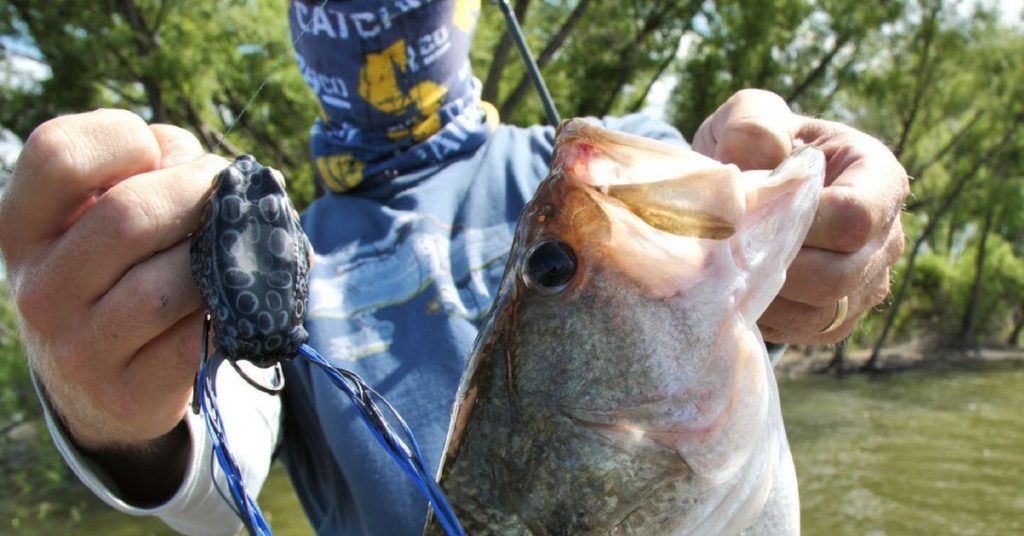
If you want to catch more fish and add some excitement to your fishing trips, learning how to fish with a frog lure is a game-changer. This technique mimics the natural movement of a frog, one of the favorite meals for many game fish.
Imagine the thrill of seeing a big bass strike right at the surface, drawn in by your lure. In this guide, you’ll discover simple tips and tricks to master frog lure fishing, no matter your skill level. Ready to boost your catch and enjoy fishing like never before?
Keep reading, and let’s get started!
Choosing The Right Frog Lure
Fishing with frog lures can be very effective for catching bass and other fish. Picking the right frog lure helps you catch more fish and enjoy your time on the water.
This guide explains key points to consider when choosing frog lures. You will learn about lure types, colors, patterns, size, and weight.
Topwater Vs Subsurface Frog Lures
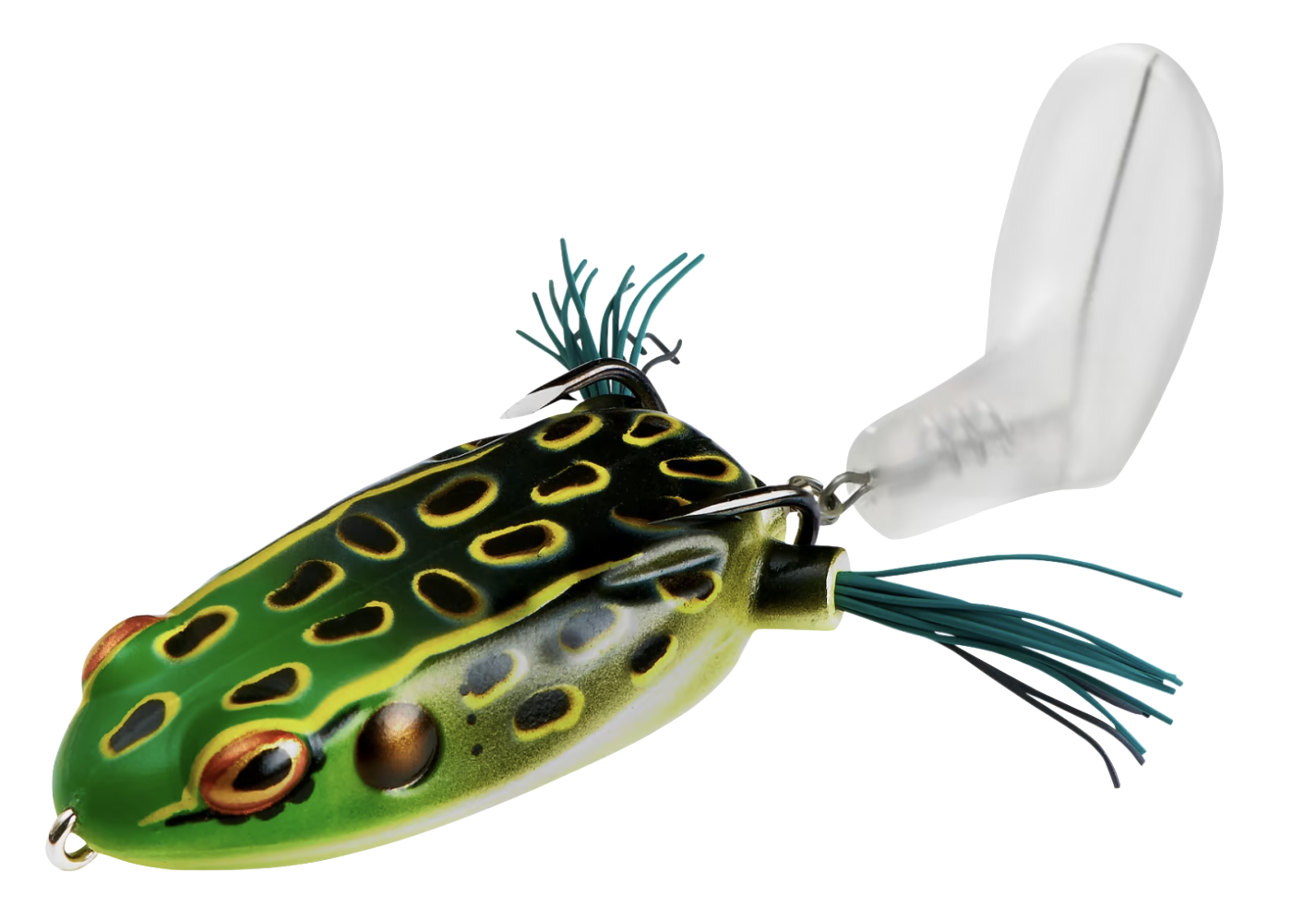
Topwater frog lures float on the water surface. They create splashes and ripples that attract fish. Subsurface frog lures sink just below the surface. They move quietly and mimic real frogs hiding in the water.
Choose topwater lures for fast action and exciting strikes. Use subsurface lures to fish in heavy cover or when fish are shy.
Colors And Patterns That Work
- Green and brown colors match natural frogs in most waters.
- Bright colors like chartreuse help in murky or stained water.
- Black and dark colors work well in low light or at night.
- Patterns with spots or stripes can attract curious fish.
- Match lure color to the local frog population for better results.
Size And Weight Considerations
| Size (inches) | Best Use | Weight |
| 2 to 3 | Small ponds and clear water | Light |
| 3 to 4 | Most lakes and rivers | Medium |
| 4 to 5 | Heavy cover and large fish | Heavy |
Smaller frog lures are easier for fish to bite. Larger lures can attract bigger fish. Weight affects how far you can cast and how the lure moves in water.

Credit: www.youtube.com
Best Rods And Reels For Frog Fishing
Frog fishing needs special gear to catch fish near the water surface. Using the right rods and reels helps you work your frog lure better. This guide covers what to look for in rods, reels, and fishing lines.
Choosing the correct rod action, reel type, and line will make frog fishing easier and more fun. Learn the key features that fit this fishing style.
Rod Action And Length
Frog fishing rods should have fast or extra-fast action. This helps you set the hook quickly when a fish bites. The rod tip will bend less, giving better control of the lure.
Rod length is important too. A rod between 6’6” and 7’6” works well. It lets you cast far and gives enough power to pull fish out of thick weeds or lily pads.
Reel Types And Gear Ratios
Spinning reels and baitcasting reels both work for frog fishing. Baitcasting reels offer better line control and power, which many anglers prefer for heavy cover. Spinning reels are easier to use and good for beginners.
- Choose a reel with a gear ratio between 6.3:1 and 7.1:1 for fast retrieves.
- High gear ratios help you bring the frog lure back quickly after a cast.
- A smooth drag system is important to handle strong fish near plants.
Line Selection Tips
| Line Type | Strength | Reason |
| Braided | 30-50 lb | Strong and thin, resists abrasion |
| Fluorocarbon Leader | 15-20 lb | Less visible to fish, good for clear water |
| Monofilament | 20-30 lb | Good stretch, easier for beginners |
Use braided line for main line because it is strong and thin. Attach a fluorocarbon leader for better invisibility in water. This setup helps your frog lure look natural and avoids snags.
Techniques For Casting Frog Lures
Fishing with frog lures can be very effective in areas with heavy vegetation. These lures mimic frogs and attract bass and other fish. Learning how to cast them properly is key to success.
This guide covers casting techniques to help you fish with frog lures better. You will learn how to cast accurately, vary retrieval speeds, and use pausing and twitching tricks.
Accurate Casting Strategies
Accurate casting helps place the frog lure where fish hide. Aim for spots near lily pads, reeds, or fallen branches. These areas often hold bass waiting for prey.
- Use a smooth, steady motion to avoid spooking fish.
- Practice short, precise casts for tight spots.
- Adjust your aim to avoid snagging on weeds.
- Cast slightly beyond your target and let the lure settle.
Retrieval Speeds And Styles
Changing how fast you pull the frog lure affects fish interest. Try different speeds and styles to find what works best on a given day.
| Retrieval Style | Description | When to Use |
| Slow and Steady | Move lure slowly with constant speed | Cold water or inactive fish |
| Fast and Erratic | Quick pulls with irregular pauses | Warm water or active fish |
| Stop and Go | Retrieve then pause repeatedly | When fish strike during pauses |
Pausing And Twitching Tricks
Pausing the lure and adding small twitches can trigger strikes. Fish often attack when the frog seems to hesitate or move slightly.
Try this simple technique:
- Cast your frog lure to the target spot.
- Retrieve slowly for a few feet.
- Pause for 2 to 3 seconds.
- Twitch the rod tip lightly to make the lure move.
- Repeat pause and twitch until a fish bites.
Credit: www.fieldandstream.com
Ideal Fishing Spots For Frog Lures
Frog lures work best in certain fishing spots where frogs naturally live. These spots help attract big fish that hunt frogs. Knowing where to fish with frog lures can improve your catch.
Look for places with plants and shallow waters. Timing and weather also change how fish react to frog lures. Understanding these factors helps you fish smarter.
Weedy And Lily Pad Areas
Weedy areas and lily pads are perfect for frog lures. Fish hide here to ambush prey. Frogs live on or near these plants, so fish expect food in these spots.
Cast your frog lure close to or on top of lily pads and weeds. Move it slowly to mimic a real frog. This draws fish out of hiding.
- Look for thick weed beds along shorelines
- Find lily pads floating on calm water
- Check edges where open water meets plants
Shallow Vs Deep Water
Frog lures work best in shallow water where frogs live. Fish often hunt near the surface here. Deep water usually holds fewer frogs and less frog activity.
Try casting your frog lure in water less than six feet deep. Fish in shallow water see the lure more clearly. Deep water may need other lure types.
- Shallow water: 1 to 6 feet deep
- Best for frog lure fishing
- Deep water: over 6 feet
- Less effective for frog lures
Timing And Weather Effects
Fish bite frog lures more during warm weather. Early morning and late evening are best times. Fish are active and near the surface then.
Rainy or cloudy days also improve frog lure fishing. Fish feel safer and move more in low light. Bright, hot days make fish hide under plants.
- Best times: dawn and dusk
- Warm weather increases bites
- Cloudy or rainy days improve success
- Bright sunny days reduce fish activity
Hooking And Landing Fish
Fishing with a frog lure needs careful hooking and landing skills. These skills help catch fish safely and keep the lure effective.
Learn how to set the hook well, handle fish fights, and release fish properly to protect the environment.
Setting The Hook Effectively
When a fish bites the frog lure, act fast. Pull the rod tip up firmly but not too hard. This sets the hook in the fish’s mouth for a strong hold.
- Feel the bite carefully before setting the hook.
- Pull the rod tip sharply to drive the hook in.
- Keep steady pressure on the line after setting the hook.
Handling Strikes And Fights
Fish can fight hard after the hook is set. Use the rod to control their movements without breaking the line or losing the fish.
| Action | Purpose |
| Keep rod tip up | Maintain tension on the line |
| Let fish run if needed | Prevent line breakage |
| Reel in slowly | Wear out the fish |
| Use drag system | Control line tension |
Safe Fish Release Methods
Releasing fish safely helps protect fish populations. Handle fish gently and return them to water quickly for their survival.
- Use wet hands or gloves to hold the fish.
- Remove hooks carefully with pliers.
- Keep the fish in water while removing the lure.
- Release fish gently back into the water.
- Avoid touching gills or eyes.
Common Mistakes To Avoid
Fishing with a frog lure can be exciting and fun. Many anglers make simple mistakes that reduce their chances of catching fish.
Knowing what to avoid helps you use your frog lure better and catch more fish.
Overworking The Lure
Moving the frog lure too much can scare fish away. It is best to use slow and steady movements.
Let the lure sit still sometimes. Fish often strike when the lure pauses.
- Avoid fast, constant jerks with the rod.
- Pause often to mimic a real frog.
- Use gentle twitches instead of hard pulls.
Ignoring Water Conditions
Water temperature and clarity affect how fish see the lure. Do not use the same approach in all water types.
Adjust your lure color and speed based on water conditions for better results.
- Use bright colors in murky water.
- Choose natural colors in clear water.
- Slow down the lure in cold water.
Using The Wrong Equipment
Using light gear can cause trouble when fishing with frog lures. You need strong rods and braided lines.
Choose equipment that can handle heavy cover and aggressive fish strikes.
- Use a medium-heavy or heavy rod.
- Choose braided line for better strength.
- Pick a reel with a good drag system.
Advanced Frog Fishing Tips
Frog fishing is a popular way to catch bass and other fish. Using the right methods can help you catch more fish. These tips focus on improving your skills with frog lures.
Learn how to change your lures, fish at night, and use electronics to find fish. These ideas will help you fish smarter and enjoy your time on the water.
Modifying Lures For Better Action
Changing your frog lure can make it move more naturally. Small tweaks help attract more fish by making the lure look like a real frog.
- Trim the legs slightly to improve splash and movement
- Add a small weight inside the body to control depth
- Use waterproof markers to add eyes or patterns
- Replace hooks with sharper, stronger ones for better hook sets
- Apply scent attractants to the lure surface
Nighttime Frog Fishing
Fishing with frog lures at night can be very effective. Fish often come closer to shore and are more active in low light.
- Choose dark-colored frogs for better visibility
- Use a slow, steady retrieve to mimic real frog movement
- Fish near lily pads or grass where frogs hide
- Listen for frog croaks to find active spots
- Carry a small flashlight for safety and lure changes
Using Electronics To Locate Fish
Electronics like fish finders help you spot fish and underwater structures. This makes frog fishing more focused and productive.
| Device | Use | Benefit |
|---|---|---|
| Fish Finder | Detect fish and underwater plants | Find fish hiding near frog habitat |
| GPS | Mark fishing spots and safe routes | Return to good places easily |
| Depth Sounder | Measure water depth | Choose best depth for frog fishing |

Credit: www.lurenet.com
Frequently Asked Questions
What Is The Best Time To Fish With Frog Lures?
Early morning and late evening are ideal times. Bass are more active near the water surface during these hours. Low light conditions improve frog lure effectiveness. Avoid fishing in bright midday sun for better results.
How Do I Choose The Right Frog Lure Color?
Select frog lure colors matching local frogs or vegetation. Natural colors like green, brown, and black work well. Bright colors attract fish in murky water. Match the lure color to water clarity for more bites.
What Fishing Technique Works Best With Frog Lures?
Use a slow, steady retrieve with occasional pauses. Mimic a frog’s natural movement on the water surface. A twitching or popping action triggers predatory fish strikes. Avoid fast, constant retrieval to maintain lure realism.
Can Frog Lures Be Used In Heavy Vegetation?
Yes, frog lures excel in thick vegetation and lily pads. Their weedless design prevents snagging on plants. Cast near or on dense cover for best results. Ideal for targeting bass hiding in heavy cover.
Conclusion
Fishing with a frog lure can be fun and rewarding. Cast your lure near plants or water edges. Watch how frogs move and copy their actions. Patience is key; fish may take time to bite. Keep practicing your technique to improve.
This method works well in warm, calm waters. Use light gear for better control and feel. Enjoy the calm and the thrill of fishing. Keep trying different spots until you catch fish. Frog lures add excitement to your fishing trips.